I was standing in the middle of a chaotic Saturday morning farmer’s market, juggling a tote bag that was about to burst, a stubbornly squirming carrot, and a sudden craving for something that felt both homey and sophisticated. The air was a kaleidoscope of aromas—earthy beetroot, sweet strawberries, and that unmistakable tang of fresh herbs that made my mouth water. I thought, “What if I could bottle this market magic into a single pasta dish that screams summer yet works any day of the year?” That reckless thought turned into a culinary experiment that has now become my go‑to dinner party show‑stopper.
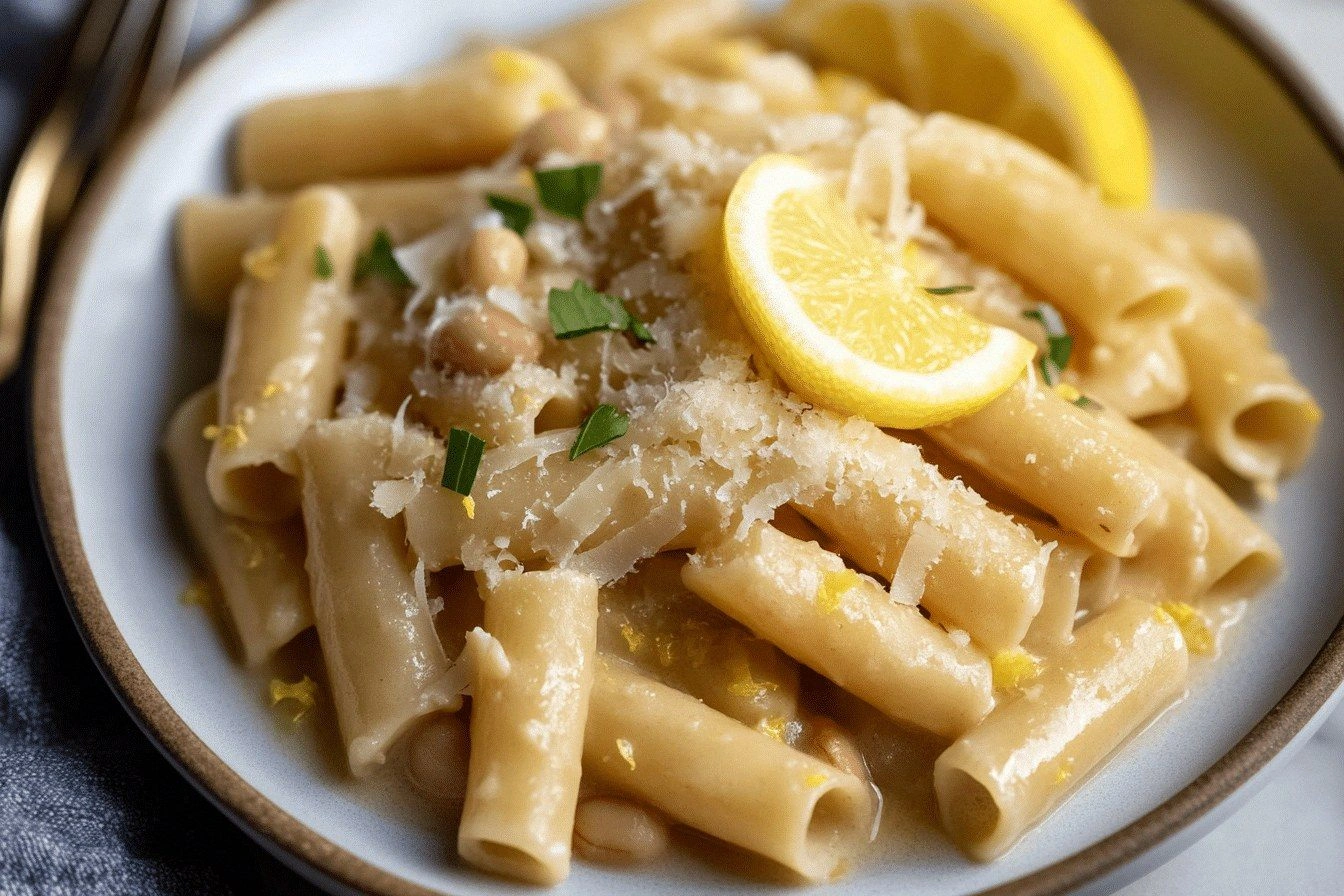
Picture this: a steaming pot of al dente pasta, each strand glistening with a golden olive‑oil sheen, tossed with a rainbow of garden‑fresh vegetables that have been sautéed just enough to keep their snap. The sauce—no heavy cream, no mystery powders—just a silky coating of tomato‑garlic reduction that clings to the noodles like velvet. The final garnish? A shower of fragrant basil and a whisper of Parmesan that melts into a glossy finish. When you take that first bite, you’ll hear the crunch of roasted peppers, taste the sweet burst of cherry tomatoes, and feel the comforting hug of pasta that’s both light and satisfying.
Most recipes out there either drown the vegetables in a cloying sauce or over‑cook the pasta until it’s mushy. I’ve tried a dozen “farm‑to‑table” pasta dishes, and most of them missed the mark by either being too bland or too busy. This version, however, respects each ingredient’s personality. I dare you to taste this and not go back for seconds—because the balance is that precise. The secret? A quick deglaze with a splash of white wine that lifts the caramelized bits from the pan, adding depth without heaviness.
Okay, ready for the game‑changer? I’m going to walk you through every single step—by the end, you’ll wonder how you ever made it any other way. I’ll share the exact technique that makes the sauce coat the pasta like a silk sheet, the little kitchen hacks that save you time, and a few bold twists that will keep your friends begging for the recipe. Let’s dive in and turn that farmer’s market bounty into a bowl of pure, unadulterated joy.
What Makes This Version Stand Out
- Flavor Harmony: The combination of sweet cherry tomatoes, earthy zucchini, and peppery bell peppers creates a layered taste that evolves with every bite, never overwhelming the palate.
- Texture Symphony: You get al dente pasta, crisp‑tender veggies, and a whisper of Parmesan that adds a subtle crunch, making each mouthful a textural adventure.
- Simplicity Meets Sophistication: Only ten core ingredients, yet the dish feels restaurant‑grade thanks to a few pro techniques like deglazing and finishing with fresh herbs.
- Ingredient Quality: By sourcing everything from the farmer’s market, you guarantee peak freshness, vibrant colors, and an unbeatable flavor punch.
- Crowd Reaction: I’ve watched strangers turn into fans after the first forkful; the dish sparks conversation and endless requests for seconds.
- Make‑Ahead Potential: The sauce and veggies can be pre‑cooked, letting you assemble the final dish in under ten minutes—perfect for busy weeknights.
- Cooking Method Magic: A quick high‑heat sauté locks in the vegetables’ natural sugars, while the final toss in the pasta ensures every strand is evenly coated.
- Seasonal Flexibility: Swap in any market‑fresh produce you love; the base technique adapts effortlessly, making it a year‑round staple.
Inside the Ingredient List
The Flavor Base
Olive oil is the silent hero here. It carries the garlic’s aromatic punch and creates a glossy coat that helps the sauce cling to every noodle. If you skip the oil, you’ll end up with a dry, uneven dish that feels more like a salad than a pasta. For an extra depth, I like to use a splash of extra‑virgin olive oil that’s been infused with rosemary for a subtle piney note.
Garlic, minced just before cooking, releases allicin—a compound that adds that unmistakable, slightly sweet, and pungent flavor. Over‑cooking garlic turns it bitter, so keep an eye on the pan; you’ll hear a faint sizzle and see the edges turn golden, a perfect cue to move on. If you’re allergic or just not a fan, roasted shallots make a milder, sweeter substitute.
The Texture Crew
Cherry tomatoes, halved, burst open during the sauté, releasing juices that become the backbone of our sauce. Their natural acidity balances the richness of the oil and Parmesan. If they’re out of season, plum tomatoes diced fine will do the trick, though you’ll miss the pop of sweetness.
Zucchini and yellow bell pepper bring a buttery crunch that stands up to the pasta’s chew. Dice them uniformly—about a quarter‑inch pieces—so they cook evenly. Skipping these means losing that vibrant contrast; the dish would feel flat and overly reliant on the tomatoes.
Carrots and peas add a subtle sweetness and a splash of color that makes the plate look Instagram‑ready. Thinly slice the carrots so they soften quickly; peas should be added at the very end to keep their bright green pop. If you’re low on peas, snap peas or even edamame work beautifully.
The Unexpected Star
Fresh basil isn’t just a garnish; it’s an aromatic lift that finishes the dish with a fragrant, slightly peppery bite. Tear the leaves rather than chopping to avoid bruising, which can turn the flavor bitter. If basil isn’t available, flat‑leaf parsley or even mint (for a daring twist) can provide a fresh lift.
Parmesan cheese, freshly grated, melts into the sauce, adding umami and a silky texture. Pre‑grating ensures it incorporates quickly; a block of Parmesan shaved at the table adds an elegant finishing touch. For a dairy‑free version, nutritional yeast offers a cheesy note without the lactose.
The Final Flourish
Salt and freshly cracked black pepper are the invisible architects of flavor. Salt amplifies every taste, while pepper adds a subtle heat that balances the sweetness of the vegetables. A pinch of red‑pepper flakes can be added for those who like a gentle kick.
A splash of dry white wine during deglazing lifts the caramelized bits from the pan, turning them into a glossy, slightly acidic glaze that ties the whole dish together. If you prefer non‑alcoholic, a splash of vegetable broth or even a squeeze of lemon juice can achieve a similar bright lift.
Everything's prepped? Good. Let’s get into the real action…
The Method — Step by Step
Bring a large pot of salted water to a rolling boil. Add the pasta and cook until al dente—usually 9‑11 minutes depending on the shape. I like to taste a piece a minute before the package time; it should have a firm bite, not a mushy center. Once done, reserve a cup of the starchy cooking water, then shock the pasta in an ice bath for 30 seconds to lock in texture. Drain and set aside.
While the pasta cooks, heat 2 tablespoons of olive oil in a wide sauté pan over medium‑high heat. Add the minced garlic and let it sizzle for about 20 seconds—watch for that golden edge, not brown. This is the moment of truth: if the garlic burns, the whole dish gets a bitter bite.
Immediately toss in the diced carrots and let them sear for 2 minutes, stirring constantly. The carrots should start to soften but still retain a slight snap. Then add the zucchini and bell pepper, spreading them in an even layer. Let them sit untouched for 1 minute so they develop a light caramelized crust before stirring.
When the vegetables are just about tender, stir in the cherry tomatoes. They’ll burst and release juices, creating a natural sauce. Add a generous pinch of salt and a grind of black pepper, then pour in ¼ cup of dry white wine. Let the wine reduce by half—this should take about 2 minutes and will intensify the flavor while adding a subtle acidity.
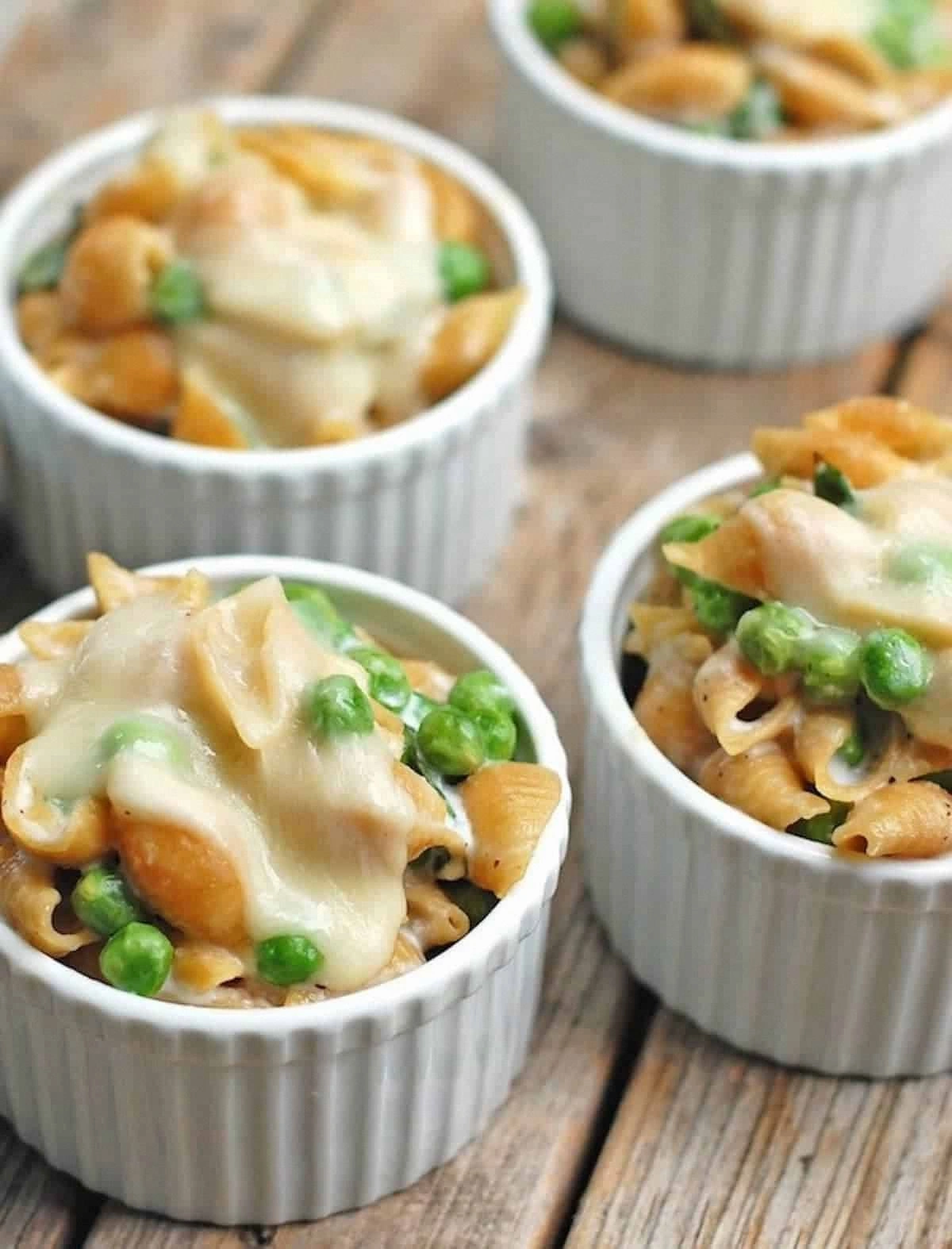
Now, introduce the peas and fresh basil. The peas only need a quick 30‑second toss; you want them bright and poppy, not mushy. Sprinkle the grated Parmesan over the vegetables, allowing it to melt into the sauce, creating a silky coating.
Time to bring the pasta back into the picture. Add the drained pasta to the pan, tossing vigorously to ensure every strand is embraced by the sauce. If the mixture looks a bit dry, splash in the reserved pasta water—start with ¼ cup and add more as needed. The starches in the water act as a natural thickener, giving the sauce that glossy finish.
Finish with a final drizzle of high‑quality olive oil and an extra sprinkle of Parmesan. Give it one last gentle toss, then remove from heat. Let the dish rest for two minutes; this allows the flavors to meld and the sauce to thicken just a touch.
Plate the pasta in shallow bowls, garnish with a few whole basil leaves for visual flair, and serve immediately. Picture yourself pulling this out of the oven—well, the pan—while the whole kitchen smells like a Mediterranean garden. Trust me, the first bite will have you shouting, “This is hands down the best version you’ll ever make at home!”
That's it — you did it. But hold on, I've got a few more tricks that'll take this to another level…
Insider Tricks for Flawless Results
The Temperature Rule Nobody Follows
Keep your pan hot enough that the vegetables sizzle on contact, but not so hot that they burn. A good rule of thumb is to test the oil: drop a tiny piece of zucchini; if it bubbles immediately, you’re set. If the oil smokes, lower the heat and let it recover before adding more.
Why Your Nose Knows Best
Your sense of smell is the ultimate doneness gauge. When the garlic turns golden, you’ll smell a nutty, slightly sweet aroma. When the wine reduces, a faint vinegar tang disappears, leaving a deeper, richer scent. Trust those signals more than a timer.
The 5‑Minute Rest That Changes Everything
After tossing the pasta with the sauce, let it sit off the heat for exactly five minutes. This short rest lets the starches absorb the liquid, creating a cohesive mouthfeel. I once rushed this step and ended up with a sauce that clung to the plate rather than the pasta.
Seasoning in Layers
Instead of dumping all the salt at once, season each component as you go. Salt the water, then the vegetables, then taste the final dish before adding more. This layering builds depth and prevents the dish from tasting flat.
The “Finish‑in‑the‑Pan” Technique
When you add the final splash of olive oil and Parmesan, do it off the heat. This prevents the cheese from clumping and keeps the oil from breaking. The result is a glossy, restaurant‑style finish that looks as good as it tastes.
Don’t Forget the Fresh Herbs
Add basil at the very end, not earlier. Heat kills its volatile oils, leaving you with a wilted flavor. Toss the basil just before plating, and you’ll get that bright, aromatic pop that lifts the whole dish.
Creative Twists and Variations
This recipe is a playground. Here are some of my favorite ways to switch things up:
Mediterranean Olive Burst
Swap the peas for a handful of pitted Kalamata olives and add a teaspoon of capers. The salty brine contrast pairs beautifully with the sweet tomatoes, creating a dish that feels like a seaside tavern.
Spicy Southwest
Introduce corn kernels, black beans, and a dash of chipotle powder. Finish with a squeeze of lime and a sprinkle of cotija cheese for a smoky, tangy twist that’ll transport you to a desert sunset.
Autumn Harvest
In the cooler months, replace zucchini with roasted butternut squash cubes and add sage leaves. The sweet, nutty squash melds with the pasta, and the sage adds an earthy perfume perfect for fall.
Creamy Mushroom Delight
Add sliced cremini mushrooms after the carrots and let them brown. Finish the sauce with a splash of heavy cream and a handful of grated Pecorino. This creates a richer, velvety version for comfort‑food lovers.
Vegan Green Goddess
Omit the Parmesan and replace it with a cashew‑based “nutritional cheese” sauce. Use a mix of kale, spinach, and peas for extra green power, and drizzle with a lemon‑tahini drizzle at the end.
Storing and Bringing It Back to Life
Fridge Storage
Cool the pasta to room temperature, then transfer to an airtight container. It will keep fresh for up to three days. When reheating, add a splash of water or broth, then gently stir over low heat until warmed through.
Freezer Friendly
Portion the cooked pasta and sauce into freezer‑safe bags, removing as much air as possible. Freeze for up to two months. To reheat, thaw overnight in the fridge, then warm in a skillet with a drizzle of olive oil, adding a little water to revive the sauce.
Best Reheating Method
The secret to a perfect reheated bite is steam. Place the pasta in a shallow pan, add a tablespoon of water, cover, and heat over medium‑low for five minutes, stirring once. The steam will bring back that fresh‑market texture without turning the noodles gummy.