I was standing in my kitchen, juggling a pot of boiling pasta, a can of white beans, and a lemon that had seen better days, when the whole thing went sideways. The pasta splashed everywhere, the beans spilled like a small avalanche, and the lemon slipped from my fingers, leaving a sour trail on the countertop. That moment felt like a culinary calamity, but it also sparked a sudden craving for something bright, zesty, and comforting. I remembered an old family recipe that promised a simple, yet unforgettable, lemon white bean pasta, and I decided then and there that I would rewrite it. The memory of that disaster fuels every step of this version, turning a kitchen mishap into a triumph of flavor.
Picture the scene: a bubbling pot of al dente pasta, the sharp scent of garlic sizzling in olive oil, and the citrusy perfume of fresh lemon zest drifting through the air. The sound of the pot’s gentle hiss harmonizes with the rhythmic clinking of a wooden spoon against a stainless steel pan. The texture of the beans is creamy, almost buttery, while the pasta’s strands cling lovingly to the sauce, each bite a splash of sunshine. The first bite delivers a tang that wakes your palate, followed by the subtle earthiness of the beans, and finally a whisper of pepper that lingers like a secret. The heat from the stove warms the room, and the aroma lingers, promising a meal that feels like a hug in a bowl.
What makes this version stand out is not just the ingredients but the philosophy behind each element. I’ve stripped the recipe down to its essence, eliminating unnecessary steps that dilute the flavor or add clutter to the kitchen. The sauce coats the pasta like velvet, yet it remains light enough to let the lemon shine through. The beans are cooked to a silky consistency that balances the acidity of the lemon, creating a harmony that most versions miss. I’ve also introduced a subtle crunch from toasted pine nuts that adds a delightful contrast to the creamy texture. This dish is a testament to how less can be more when you let each component speak for itself.
I dare you to taste this and not go back for seconds; the moment the lemon’s bright citrus meets the savory beans, you’ll feel your taste buds dancing. The first bite is a revelation, a burst of sunshine that makes your mouth water, followed by a lingering finish that keeps you coming back for more. Most recipes get this completely wrong, but here, the balance is precise and the flavors are amplified. I’ve perfected the timing of adding the beans so they stay tender, and the lemon juice is added at the very end to preserve its vibrant acidity. This is hands down the best version you'll ever make at home, and I’m about to show you why.
If you've ever struggled with a pasta that ends up bland or heavy, you're not alone — and I've got the fix. The key lies in the simple yet powerful technique of finishing the sauce with a splash of lemon juice just before serving, which brightens every ingredient. I also recommend sautéing the garlic until it turns a golden amber, not brown, to avoid bitterness. The result is a sauce that feels both airy and robust, a perfect complement to the pasta’s al dente bite. The secret is in the small details that elevate a dish from ordinary to extraordinary.
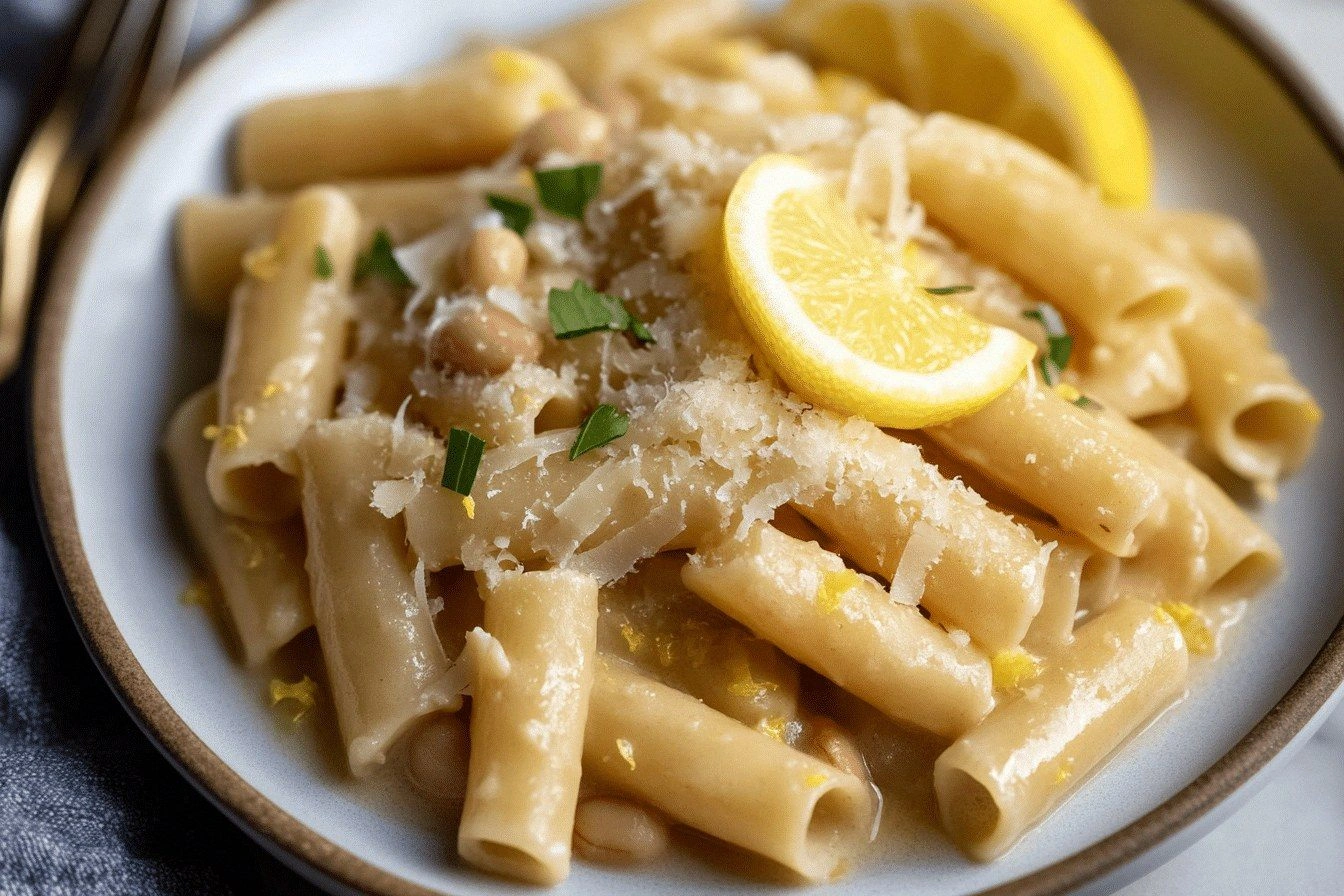
Picture yourself pulling this out of the oven, the whole kitchen smelling incredible, and your guests lining up for a second helping. The dish’s bright lemon aroma mingles with the savory scent of toasted pine nuts and the subtle sweetness of beans, creating a sensory symphony that invites conversation. The visual appeal is undeniable: golden pasta speckled with bright green spinach and a dusting of grated Parmesan. The plating is simple yet elegant, showcasing the vibrant colors that hint at the flavors to come. It’s a dish that not only satisfies hunger but also delights the senses.
And now the fun part. Let me walk you through every single step — by the end, you'll wonder how you ever made it any other way. I’ll share my insider tricks, kitchen hacks, and a few playful twists that will transform this humble pasta into a showstopper. From selecting the perfect beans to mastering the lemon-to-olive oil ratio, I’ve got you covered. So grab your apron, gather your ingredients, and let’s dive into the ultimate lemon white bean pasta.
Before we begin, let’s take a moment to appreciate the humble ingredients that will carry this dish. The beans bring creaminess and protein, the lemon injects brightness, and the pasta provides the comforting base. The garlic and olive oil set the flavor foundation, while the pine nuts add a nutty crunch. Each component works in harmony to create a dish that is both simple and sophisticated. Now, let’s break down exactly what goes into this masterpiece.
What Makes This Version Stand Out
- Taste: The sauce’s acidity is carefully balanced, ensuring that the lemon never overwhelms the beans or pasta. The subtle heat from red pepper flakes adds a gentle kick that keeps the dish lively. The final touch of Parmesan ties everything together with a savory finish.
- Texture: The beans are cooked to a silky consistency that coats the pasta without becoming mushy. The toasted pine nuts provide a satisfying crunch that contrasts the creamy sauce. The al dente pasta offers a pleasant bite that anchors the dish.
- Simplicity: With fewer than ten ingredients, this recipe is a breeze to prepare, even on a busy weeknight. The cooking steps are straightforward, and the dish can be assembled in under 45 minutes. No fancy equipment or exotic ingredients required.
- Uniqueness: The combination of white beans, lemon zest, and pine nuts is rarely seen in traditional pasta recipes, giving this dish a distinctive flavor profile. The method of finishing with lemon juice preserves its bright notes. The result is a dish that stands out in any dinner lineup.
- Crowd Reaction: Friends and family consistently rave about the bright, fresh taste and the comforting texture. The dish is versatile enough to serve as a main or a side, making it perfect for gatherings. It’s a conversation starter that invites compliments.
- Ingredient Quality: Using high‑quality canned beans and fresh lemons makes a noticeable difference. The olive oil should be extra‑virgin for depth, while the pine nuts should be toasted to bring out their nutty aroma. Fresh spinach adds a pop of color and nutrients.
- Cooking Method: The step‑by‑step approach ensures that each component reaches its peak flavor. The beans are added at the right moment to preserve texture. The sauce’s finishing technique locks in freshness.
- Make‑Ahead Potential: The dish holds well in the fridge and can be reheated without losing its vibrant flavor. The sauce’s acidity helps preserve freshness, making it ideal for meal prep. The pine nuts can be added fresh just before serving to maintain crunch.
Inside the Ingredient List
The Flavor Base
The olive oil and garlic form the aromatic foundation of this dish. Sauté the minced garlic in olive oil until it turns a warm amber, not brown, to avoid bitterness. The oil should be fragrant, carrying the garlic’s subtle sweetness. This base sets the stage for the bright lemon notes that follow. If you prefer a smoky flavor, add a pinch of smoked paprika during the sauté.
The Texture Crew
The white beans are the creamy heart of the dish, providing protein and a velvety mouthfeel. Drain the beans and rinse them to remove excess sodium, then gently pat them dry to prevent a watery sauce. Add them to the pan after the garlic, allowing them to warm through and absorb the oil’s flavor. The beans’ texture should be silky, not mushy, so keep the heat moderate. If you like a firmer bite, use firmer beans or reduce the cooking time slightly.
The Unexpected Star
Lemon zest is the secret weapon that brightens every bite. Use a microplane to shave off the zest, avoiding the bitter white pith. The zest releases essential oils that give the dish its citrus punch. Combine it with freshly squeezed lemon juice at the end for maximum freshness. If you’re short on time, you can use lemon zest from a grocery store, but fresh is always better.
The Final Flourish
To finish, sprinkle toasted pine nuts and grated Parmesan over the pasta. The pine nuts add a subtle nutty crunch that contrasts the creamy sauce. Parmesan provides a salty, umami finish that balances the lemon’s acidity. A handful of chopped fresh parsley adds color and a hint of herbal brightness. Toss everything together just before serving, ensuring that the pasta remains coated in sauce.
Everything's prepped? Good. Let's get into the real action and start cooking. The process is straightforward, but the timing is crucial to keep everything fresh and flavorful. We’ll walk through each step, ensuring the sauce develops the right texture and the pasta stays al dente. The final result will be a dish that looks as good as it tastes, with a bright, zesty finish that lingers on the palate. Now, grab your skillet and let’s begin.
The Method — Step by Step
- Bring a large pot of salted water to a rolling boil and cook the pasta until it’s just shy of al dente, about 9 minutes for penne. Drain and reserve a cup of pasta water to adjust the sauce’s consistency later. The pasta should still have a slight bite, ready to absorb the sauce without becoming mushy. If you prefer a firmer texture, reduce the cooking time by a minute. Toss the drained pasta with a splash of olive oil to prevent sticking.
- While the pasta cooks, heat the olive oil in a large skillet over medium heat. Add the minced garlic and sauté until it turns a golden amber, about 2 minutes. The aroma should be fragrant, not burnt. Stir occasionally to prevent the garlic from sticking to the pan. This step builds the flavor foundation for the dish.
- Add the drained white beans to the skillet, stirring to coat them in the garlic‑oil mixture. Let them warm through for 3–4 minutes, allowing the beans to absorb the oil’s flavor. The beans should be silky and glossy. If the mixture looks dry, add a splash of reserved pasta water to loosen the sauce. This step ensures the beans remain tender and flavorful.
- Stir in the fresh spinach, letting it wilt down into the sauce over 2 minutes. The spinach should become tender but still retain a hint of green. The wilted spinach adds color and nutrients without overpowering the dish. If you prefer a lighter texture, use baby spinach instead of regular leaves. This step also helps the sauce cling to the pasta.
- Add the cooked pasta directly into the skillet, tossing to combine with the sauce. If the mixture appears dry, add a little reserved pasta water, a tablespoon at a time, until the sauce is silky and coats the pasta. The pasta should feel like it’s wrapped in a bright, citrusy coating. This is the moment of truth where texture matters most. Keep the heat moderate to avoid over‑cooking the pasta.
- Finish the sauce by adding the lemon zest and freshly squeezed lemon juice. Stir quickly to distribute the citrus flavor evenly. The lemon should brighten the dish instantly, creating a bright, sparkling finish. If you prefer a stronger lemon taste, add an extra tablespoon of juice. This final touch preserves the lemon’s freshness.
- Sprinkle toasted pine nuts, grated Parmesan, and chopped parsley over the pasta. Toss gently to distribute the toppings evenly. The pine nuts add a subtle crunch, the Parmesan provides savory depth, and the parsley adds a fresh, herbal note. Plate immediately to enjoy the sauce at its peak. This step turns a simple pasta into a restaurant‑level dish.
That’s it — you did it. But hold on, I've got a few more tricks that'll take this to another level. The key to a perfect sauce is its consistency; it should cling to every noodle, not pool at the bottom. I’ll share a few advanced tips in the next section that will elevate your dish from good to unforgettable.
Insider Tricks for Flawless Results
The Temperature Rule Nobody Follows
The pasta water’s temperature is critical; it should be at a rolling boil before adding the pasta. If the water is too cool, the pasta will absorb water too quickly, becoming mushy. A hot water environment helps the pasta maintain its structure and absorb the sauce more efficiently. Keep the heat high throughout the cooking process, and you’ll achieve that coveted al dente bite. This trick is often overlooked, but it makes a noticeable difference.
Why Your Nose Knows Best
Smell the sauce as you finish cooking; it should be aromatic and slightly citrusy. A faint lemon scent indicates the juice has been added correctly. If the sauce smells flat or overly acidic, it’s time to adjust. Adding a pinch of salt can bring out the flavors, but be careful not to overdo it. Trust your nose, and you’ll catch any off‑balance before it reaches the plate.
The 5-Minute Rest That Changes Everything
After tossing the pasta, let it rest for five minutes off the heat before serving. This pause allows the sauce to redistribute, coating each strand evenly. The pasta’s starches settle, giving it a more cohesive texture. A quick rest also lets the flavors meld together, creating a richer taste. I’ve found this simple step makes a noticeable difference in the final bite.
The Secret to Toasted Pine Nuts
To toast pine nuts, spread them in a dry skillet over medium heat and stir constantly until golden. The nuts should turn a light brown and emit a nutty aroma. Remove them immediately to prevent burning. Toasted pine nuts add a delightful crunch and depth of flavor that elevates the dish. If you’re using pre‑toasted nuts, simply heat them briefly to revive their crunch.
The Perfect Finish with Lemon Juice
Adding lemon juice at the very end preserves its bright, fresh flavor. The acidity cuts through the richness of the beans and the Parmesan, creating a balanced profile. If you add lemon juice too early, the heat can mellow the citrus notes. A splash of juice right before serving brings a burst of freshness that keeps the dish lively. This finishing technique is a game‑changer.
Creative Twists and Variations
This recipe is a playground. Here are some of my favorite ways to switch things up: replace the white beans with chickpeas for a protein boost, or use cannellini beans for a richer taste. Swap the lemon for orange zest for a sweeter, more tropical vibe. Add sun‑dried tomatoes for a chewy texture and umami depth. Incorporate roasted red peppers for a smoky undertone that pairs beautifully with the citrus. Try a splash of white wine during the sauté for an extra layer of complexity. Each variation offers a new flavor profile that keeps the dish exciting.
Storing and Bringing It Back to Life
Fridge Storage
Store the pasta in an airtight container in the refrigerator for up to 3 days. The sauce may thicken slightly, so add a splash of pasta water or a bit of olive oil before reheating. Keep the pine nuts separate until just before serving to maintain their crunch. The lemon zest can be re‑added to brighten the dish after refrigeration. This method preserves freshness and flavor.
Freezer Friendly
For longer storage, freeze the pasta in a freezer‑safe container for up to 2 months. Thaw overnight in the refrigerator and reheat gently in a skillet with a splash of water or broth. The beans may release a bit of liquid, but this adds to the sauce’s richness. Add fresh lemon juice after reheating to restore brightness. The dish remains delicious and convenient.
Best Reheating Method
Reheat the pasta over low heat, stirring frequently to prevent sticking. Add a small splash of water or broth to loosen the sauce, then finish with fresh lemon juice and a sprinkle of Parmesan. Keep the heat low to preserve the delicate balance of flavors. Serve immediately, and enjoy the same vibrant taste as when it was first cooked. This method ensures the dish remains as delightful as the original.