I still remember the night I almost ordered takeout because I was too lazy to wash more than one pan. The fridge was a sad landscape of half-used bell peppers, questionable pineapple chunks, and chicken thighs that had defrosted two days ago and were giving me the side-eye every time I opened the meat drawer. My kids were circling the kitchen like hungry raccoons, my phone was already open to the delivery app, and then—plot twist—I remembered the sheet pan tucked behind the roasting pans. One pan. One shot. Thirty minutes later, my family was fighting over the last caramelized pineapple chunk like it was the final slice of pizza at a college party. That chaotic weeknight birthed what I now call my Hawaiian Chicken Sheet Pan, and I dare you to taste this and not go back for thirds.
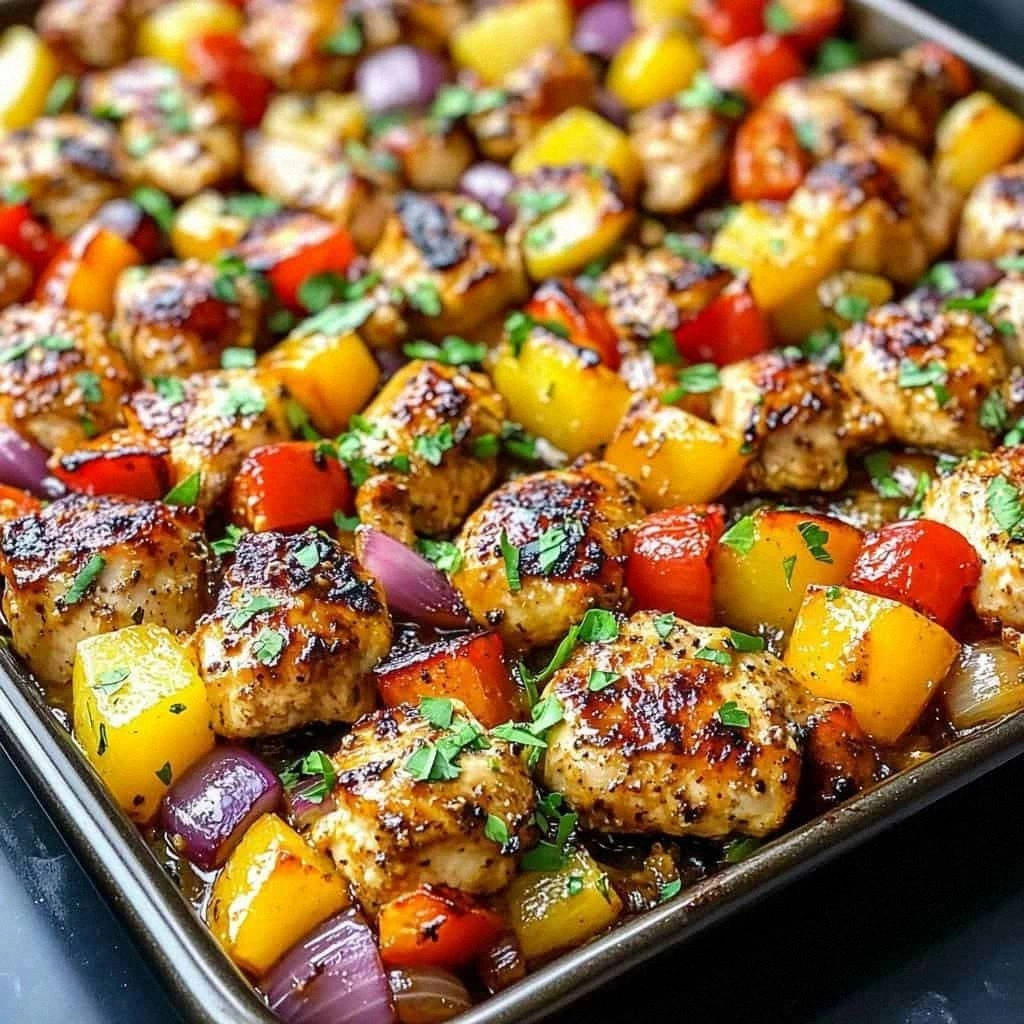
Picture yourself pulling this out of the oven: the chicken edges are bronzed and sticky with a soy-pineapple glaze that smells like a beach bonfire got invited to dinner. Peppers have blistered into sweet ribbons, the red onion has mellowed into jammy crescents, and the broccoli—yes, broccoli in a Hawaiian dish, stay with me—has roasted into tiny green trees that even the pickiest eater will inhale. The secret weapon is the reserved pineapple juice that you whisk into a lightning-fast marinade; it caramelizes in the oven and leaves behind a lacquer so glossy you could check your reflection in a thigh piece.
Most recipes get Hawaiian sheet pans completely wrong. They drown everything in bottled teriyaki, crank the oven to volcanic, and serve you a tray of rubbery chicken swimming in sweet syrup. This version uses the pineapple’s natural enzymes to tenderize the meat, a two-stage heat method that crisps first and glazes second, and a ratio of veggies to protein that means you’re not excavating for a scrap of bell pepper like it’s archaeological dig night. I’ll be honest—half the batch never makes it to the table because I “test” pieces straight off the pan, burning my tongue every single time like a rookie.
Let me walk you through every single step—by the end, you’ll wonder how you ever made it any other way.
What Makes This Version Stand Out
- Flavor Tsunami: The marinade balances salty soy, tangy rice vinegar, and brown sugar that melts into a sticky lacquer. A whisper of sesame oil adds nuttiness, while optional red-pepper flakes give the sweet notes a flirty wink of heat.
- One-Pan Promise Kept: Everything—protein, produce, sauce—gets married on a single rimmed sheet. No separate skillet for sauce, no boiled-then-roasted veg, no mountain of dishes mocking you later.
- Texture Tug-of-War: You get juicy chicken that’s been pre-tenderized by pineapple enzymes, peppers with blistered skins and candy-sweet interiors, and broccoli tips that frizzle into savory confetti.
- Speed Demon: Fifteen minutes of hands-on time, thirty in the oven, and zero babysitting. While it roasts, you can binge two sitcom intros or help with homework without the smoke alarm serenading you.
- Leftover Legend: Cold pieces straight from the fridge taste like Hawaiian pizza without the crust. They reheat like a dream for grain bowls, quesadillas, or midnight forkfuls while you stare into the refrigerator abyss.
- Crowd Whisperer: Kids taste candy-sweet pineapple, adults taste umami depth, and skeptics taste the char that convinces them you own a secret grill. Everyone wins.
Inside the Ingredient List
The Flavor Base
Chicken thighs are the unsung heroes here; their higher fat content means they stay succulent even when the oven temp spikes. Cutting them into one-inch chunks maximizes surface area for the marinade to cling and caramelize into sticky shards. Boneless skinless keeps things weeknight-easy, but if you’ve only got breasts, shave two minutes off the final cook time or they’ll impersonate cardboard. Pineapple juice from the can isn’t just convenient—it’s already sweetened by nature and packed with bromelain, an enzyme that gently breaks down proteins and leaves you with fork-tender meat.
The Texture Crew
Red, green, and yellow bell peppers each bring their own personality: red is fruit-sweet, green is grassy and bitter in the best way, yellow is mellow honey. Cutting them into same-size chunks as the chicken guarantees they cook at the same pace and look like confetti on the pan. Red onion wedges roast into silky purple ribbons that almost melt, adding depth without the sharp raw bite. Broccoli florets might seem like the odd tourist in this tropical town, but their tree-like shapes catch glaze like tiny umbrellas and char into smoky crunch.
The Unexpected Star
Reserved pineapple juice is liquid gold—don’t you dare dump it down the drain. Mixed with soy, brown sugar, and rice vinegar, it becomes a marinade that moonlights as a finishing glaze. The rice vinegar’s mild acidity keeps the sweetness in check, while sesame oil adds a haunting nuttiness that lingers longer than a weekend guest. If you only have apple-cider vinegar, swap it, but cut the amount by one teaspoon; it’s bolder and can bully the pineapple if you’re not careful.
The Final Flourish
After roasting, a shower of sliced green onions brings fresh snap, and sesame seeds give tiny pops of toasty crunch. Serve the whole mess over hot rice so the grains drink up the pan juices like thirsty sailors. If you’re feeling fancy, a quick squeeze of fresh lime right at the table brightens everything and makes the sweet notes sing soprano.
The Method — Step by Step
- Preheat your oven to 425 °F (220 °C) with the rack dead-center. A screaming-hot oven is non-negotiable; it’s the difference between limp veggies and ones with blistered, crackly edges. While the oven heats, whisk together the reserved pineapple juice, soy sauce, brown sugar, rice vinegar, sesame oil, minced garlic, ginger, and red-pepper flakes in a bowl big enough to bathe the chicken. The brown sugar should dissolve within thirty seconds of vigorous whisking; if it’s being stubborn, microwave the mixture for ten seconds and whisk again.
- Add the chicken chunks to the marinade, toss until every piece looks glossy, and let it sit while you prep the vegetables. Ten minutes is plenty—pineapple enzymes work fast, and any longer can turn the meat mushy. Chop your bell peppers and onion into happy 1-inch pieces, keeping the colors separate on your board so the final pan looks like a confetti explosion. Pat the broccoli very dry; excess water is the enemy of char and will steam instead of roast.
- Line a rimmed sheet pan with parchment for easy cleanup, then scatter the marinated chicken with all the clinging juices. Arrange the bell peppers, onion wedges, and drained pineapple chunks around the chicken like a colorful halo. Drizzle everything with olive oil, season with salt and pepper, and toss right on the pan with your hands—yes, your hands are the best tool here. Spread everything into a single layer; overcrowding leads to steamed sadness.
- Slide the pan into the preheated oven and roast for fifteen minutes. This first blast cooks the chicken through and starts the caramelization process. While it roasts, resist the urge to open the oven door; every peek drops the temp by fifty degrees and invites sogginess to the party.
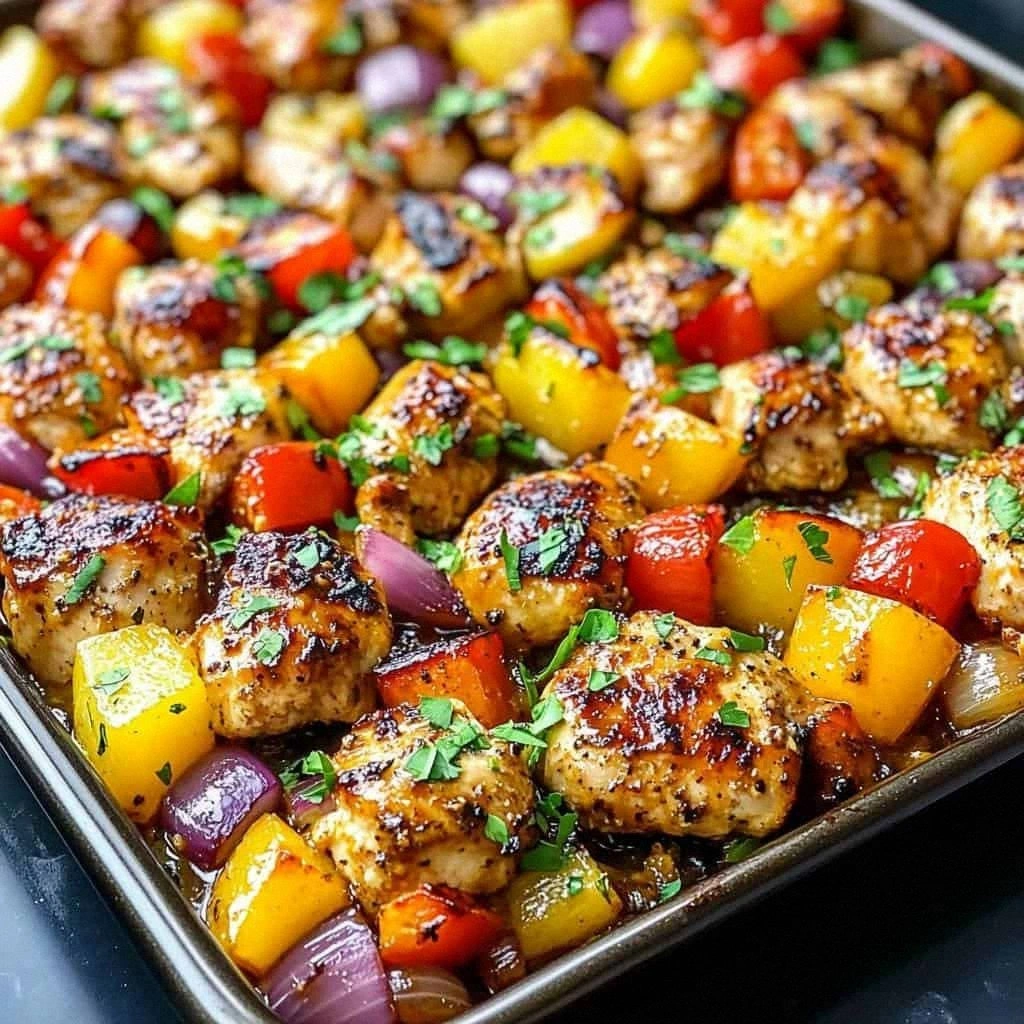
- Pull the pan out, scatter the broccoli over the top, and use tongs to flip the chicken so the other side gets its tan. Return to the oven for another twelve to fifteen minutes. The broccoli tips should look toasted, the peppers blistered, and the chicken sticky and mahogany. If you want deeper char, switch to broil for the final two minutes, but don’t walk away—broilers are sneaky little arsonists.
- Remove the pan and immediately drizzle any remaining marinade over the hot ingredients; the residual heat will cook off the raw edge and leave a glossy finish. Let everything rest for five minutes—this allows juices to settle so you don’t lose them to the cutting board. Sprinkle with green onions and sesame seeds, serve over rice, and prepare for silence as everyone inhales.
That’s it—you did it. But hold on, I’ve got a few more tricks that’ll take this to another level...
Insider Tricks for Flawless Results
The Temperature Rule Nobody Follows
Most home ovens lie by twenty-five degrees. An inexpensive oven thermometer costs less than a latte and will save you from rubbery chicken or scorched pineapple. Aim for 425 °F actual, not the dial promise. If your oven runs hot, drop to 400 °F and add two extra minutes to compensate.
Why Your Nose Knows Best
When the smell shifts from raw garlic to sweet-savory heaven and you hear gentle sizzling, you’re in the golden zone. If the aroma turns sharp or you see smoke, the marinade is burning—lower the temp by twenty-five degrees and tent loosely with foil. Trust your senses; they’ve been keeping humans alive longer than recipe cards.
The 5-Minute Rest That Changes Everything
Resting isn’t optional. Those five short minutes let juices redistribute so every bite is succulent instead of Sahara-dry. Cover loosely with foil to keep warm; the steam softens the broccoli tips just enough to turn them into vegetable candy.
Creative Twists and Variations
This recipe is a playground. Here are some of my favorite ways to switch things up:
Spicy Mango Tango
Swap pineapple chunks for mango and add a diced jalapeño to the marinade. The mango melts into jammy pockets, and the jalapeño gives gentle heat that blooms slowly. Perfect for friends who think pineapple on savory food is a crime.
Island Teriyaki Vegan
Replace chicken with extra-firm tofu cubes pressed for twenty minutes, and use tamari instead of soy. The tofu bronzes beautifully and drinks up the glaze like a sponge. Add macadamia nuts in the final two minutes for island crunch.
Low-Carb Luau
Skip the rice and serve over cauliflower rice sautéed in a dab of coconut oil. Toss in shredded kale during the last roast for extra greens that crisp into seaweed-like chips. You’ll cut carbs but keep the tropical vibes.
Fire-Kissed Grill Pan
In summer, thread everything onto soaked skewers and grill over medium-high heat, turning every four minutes. The smoke mingles with the sweet glaze and you get legitimate char lines that taste like vacation.
Kids-Only Rainbow
Omit red-pepper flakes and serve the chicken in mini flour tortillas with a drizzle of ranch. Call them “Hawaiian tacos” and watch vegetables disappear faster than cookies at a PTA meeting.
Storing and Bringing It Back to Life
Fridge Storage
Pack leftovers into airtight glass containers; they’ll keep four days without the pineapple turning funky. Separate rice from the chicken mixture so the grains don’t absorb all the sauce and bloat into mush.
Freezer Friendly
Freeze portions in zip-top bags pressed flat for quick thawing. Use within two months for best texture—pineapple can get grainy if frozen too long. Thaw overnight in the fridge, not the counter, unless you enjoy bacterial roulette.
Best Reheating Method
Spread leftovers on a sheet pan, cover with foil, and reheat at 350 °F for ten minutes. Add a tablespoon of water to create steam so the chicken doesn’t dry out. Microwave works in a pinch, but the peppers lose their snap and the glaze turns gummy.