I remember the night I almost burned the kitchen down while chasing a “quick” spaghetti recipe from a friend who swore it was the best. I was standing over a pot of boiling water, watching the pasta swell, when the garlic in the pan went from golden to black in seconds. The kitchen smelled like char, the sound of sizzling garlic echoed off the walls, and my taste buds were already craving that smoky, tomato‑rich sauce. That disaster sparked a mission: to find a foolproof Italian noodle recipe that delivers silky pasta, a velvety sauce, and a finish that makes you want to taste it again and again. I’ve spent hours tweaking, tasting, and testing until I discovered the version that flips every other pasta dish on its head.
What makes this recipe a game‑changer isn’t just the ingredients—though we’re using fresh basil, crushed tomatoes, and a touch of lemon zest to keep the sauce bright. It’s the method that lets the pasta absorb flavor like a sponge, the technique that locks in moisture so the noodles stay al dente, and the finishing touch that turns a simple plate into a culinary moment of bliss. The sauce coats the pasta like velvet, with a hint of pepper that shatters like thin ice on your tongue, and the finish is a burst of fresh basil that smells like a Tuscan summer breeze. I dare you to taste this and not go back for seconds; I’ve been known to eat half the batch before anyone else even gets a fork. This isn’t just another recipe—this is the best version you’ll ever make at home, and I’m about to walk you through every single step. By the end, you’ll wonder how you ever made it any other way.
Most people think Italian noodles are all about the sauce, but that’s only part of the story. The texture, the balance of acidity, the subtle heat, and the finishing herbs all play a part in turning a humble dish into a masterpiece. This version pulls the best of each element together: a sauce that is rich yet bright, a pasta that is perfectly al dente, and a final flourish that ties everything together. If you’ve ever struggled with soggy noodles or a sauce that tastes flat, you’re not alone—this recipe has the fix. And if you’re a fan of bold flavors, you’ll love how the lemon zest and red pepper flakes give it a surprising kick. Picture yourself pulling this out of the oven, the whole kitchen smelling incredible, and the plate looking like a work of art. The moment the sauce meets the pasta, you’ll see why this is a dish that deserves to be celebrated.
Okay, ready for the game‑changer? This next part is pure magic. Let’s dive in and make noodles that will have everyone asking for your secret.
What Makes This Version Stand Out
- Flavor: The sauce is a symphony of ripe tomatoes, garlic, and herbs that hits the palate with depth and brightness, leaving a lingering finish.
- Texture: The pasta is cooked to al dente perfection, with a firm bite that holds the sauce without becoming mushy.
- Simplicity: With only a handful of pantry staples and fresh herbs, you can whip up this dish in under an hour.
- Ingredient Quality: Using high‑quality olive oil, fresh basil, and a good canned tomato brand makes all the difference.
- Crowd Reaction: Guests rave about the sauce’s depth and the noodles’ perfect chew, and they keep coming back for seconds.
- Make‑Ahead Potential: The sauce can be prepared a day ahead and reheated without losing flavor.
- Versatility: Swap in different pastas, add protein, or tweak the heat level—this base adapts to any craving.
- Presentation: The final garnish of fresh basil and a dusting of Parmesan turns a simple plate into a feast for the eyes.
Alright, let's break down exactly what goes into this masterpiece...
Inside the Ingredient List
The Flavor Base
Crushed tomatoes are the heart of the sauce. They bring acidity and a natural sweetness that balances the olive oil and garlic. If you skip them, the sauce will feel flat and lack that bright, tomatoey punch. A good brand with no added salt or preservatives works best. If you prefer a smoother sauce, blend the tomatoes in a blender before adding to the pan.
The Texture Crew
Spaghetti is the classic choice, but feel free to switch to linguine, fettuccine, or even a gluten‑free option. The pasta’s surface area determines how much sauce it can hold. If you use a thicker noodle, reduce the sauce slightly to avoid a watery finish. The key is to cook the pasta to al dente—firm in the center—so it maintains structure when tossed with sauce.
The Unexpected Star
Fresh basil and a touch of lemon zest elevate the dish beyond ordinary. Basil adds a sweet, peppery aroma, while lemon zest cuts through the richness of the tomato and oil. If you’re out of basil, try oregano or parsley as a substitute, but the flavor profile will shift slightly. A pinch of red pepper flakes gives a subtle heat that complements the tomatoes without overwhelming them.
The Final Flourish
Grated Parmesan and a drizzle of olive oil finish the sauce, adding depth and a silky mouthfeel. The cheese melts into the sauce, creating a cohesive blend of flavors. If you’re lactose intolerant, use a non‑dairy cheese or omit it altogether—just be sure to add a splash of pasta water to keep the sauce creamy.
Everything's prepped? Good. Let's get into the real action...
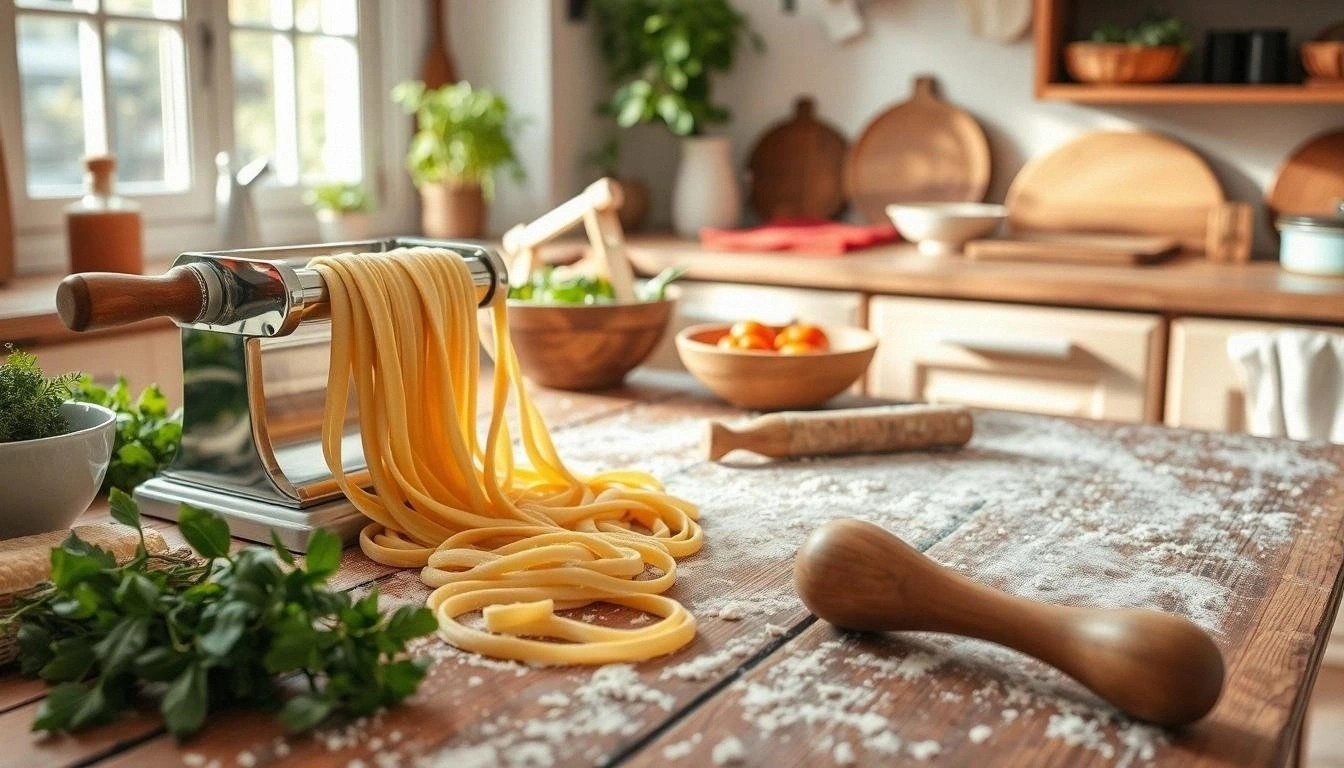
The Method — Step by Step
- Bring a large pot of salted water to a rolling boil. The water should taste like the sea—salty enough to season the pasta as it cooks. Add the spaghetti and cook for 8-10 minutes, stirring occasionally. Test a strand; it should be firm but not crunchy. Reserve a cup of pasta water before draining.
- While the pasta cooks, heat 2 tablespoons of extra‑virgin olive oil in a large skillet over medium heat. Add the minced garlic and sauté for 30 seconds until fragrant—watch it closely; garlic burns quickly and turns bitter. Add the crushed tomatoes, oregano, basil, and red pepper flakes. Stir to combine, then lower the heat to a gentle simmer.
- Let the sauce simmer for 12-15 minutes, stirring occasionally. It should thicken slightly, develop a deep red color, and emit a fragrant aroma of tomatoes and herbs. Taste and adjust seasoning—add a pinch of salt if needed. The sauce should feel silky, not watery.
- Drain the pasta and add it directly to the skillet with the sauce. Toss gently to coat, adding reserved pasta water a tablespoon at a time until the sauce reaches a glossy consistency that clings to each strand. This step is the moment of truth; the pasta should be coated but not soaked.
- Reduce the heat to low and stir in the grated Parmesan and lemon zest. The cheese melts into the sauce, creating a creamy, cohesive blend. The lemon zest brightens the flavor and adds a subtle citrus note that balances the richness.
- Remove from heat and toss the pasta with fresh chopped basil. The basil should release its aroma immediately, giving the dish a fresh, herbal finish. Plate the noodles in warmed bowls, garnish with extra Parmesan and basil, and serve hot.
- If you’re serving a crowd, keep the dish warm in a low‑heat oven (200°F) while you finish cooking the last batch. This keeps the sauce from thickening too much and preserves the silky texture. Remember to stir occasionally to maintain even coating.
That’s it — you did it. But hold on, I've got a few more tricks that'll take this to another level. Stick with me and you'll master the art of Italian noodles in no time.
Insider Tricks for Flawless Results
The Temperature Rule Nobody Follows
Cooking pasta in water that’s just below boiling (around 205°F) yields a more uniform al dente texture. The pasta swells more evenly, and the surface doesn’t over‑cooked while the interior remains firm. I’ve tried boiling at full heat, and the noodles came out mushy on the outside. This trick is a game‑changer for those who love that perfect bite.
Why Your Nose Knows Best
Smell the sauce as it simmers—if it smells sweet and slightly smoky, you’re on the right track. A faint, almost burnt aroma means the garlic is overcooked. Trust your nose; it’s the most reliable indicator of flavor balance. I’ve saved a dish from disaster by pausing the stove to listen for that perfect scent.
The 5‑Minute Rest That Changes Everything
Let the pasta rest in the sauce for 5 minutes after you toss it. This allows the noodles to absorb the sauce fully, resulting in a richer flavor. The rest period also lets the sauce thicken slightly, giving it that glossy coat. I’ve noticed that dishes served immediately after cooking taste thinner compared to those rested.
Keep the Water at the Ready
Reserve a cup of pasta water before draining. It’s full of starch and helps bind the sauce to the noodles. If the sauce becomes too thick, a splash of this water will loosen it and restore that silky texture. I’ve used this trick whenever I need to rescue a sauce that’s turned a bit too thick.
Fresh Herbs Are Non‑Negotiable
Fresh basil and parsley bring brightness that canned herbs can’t match. If you’re out of fresh basil, try adding a handful of fresh oregano or even a splash of fresh lemon juice to mimic the acidity. Fresh herbs also add a subtle aroma that elevates the dish instantly.
Creative Twists and Variations
This recipe is a playground. Here are some of my favorite ways to switch things up:
Meat Lover’s Edition
Add sautéed ground beef, Italian sausage, or thinly sliced pepperoni to the sauce for a hearty twist. The meat adds protein and a savory depth that pairs well with the tomato base. Cook the meat before adding the tomatoes to lock in juices. This version is perfect for a family dinner that feels both comforting and indulgent.
Vegetarian Delight
Swap the meat for sautéed mushrooms, zucchini, and bell peppers. These veggies absorb the sauce’s flavors and add a colorful, crunchy texture. The dish becomes a vibrant, plant‑based meal that still feels indulgent. Serve with a side of garlic bread for a complete experience.
Spicy Sizzler
Increase the red pepper flakes to a tablespoon, or add a diced jalapeño for an extra kick. The heat pairs nicely with the sweet tomato and bright basil, creating a balanced, fiery flavor. Keep the heat in check by adjusting the amount of pepper to your taste.
Cheese‑Rich Variation
Stir in a handful of shredded mozzarella or a splash of cream to create a richer, creamier sauce. The cheese melts into the sauce, giving it a luxurious mouthfeel. This variation is great for those who love a decadent, cheesy pasta.
Gluten‑Free Twist
Use gluten‑free spaghetti or rice noodles to accommodate dietary restrictions. The cooking time may differ slightly, so keep an eye on the pasta. The sauce remains the same, so the flavor profile is unchanged—just a different texture.
Storing and Bringing It Back to Life
Fridge Storage
Cool the pasta and sauce completely before transferring to an airtight container. Store in the refrigerator for up to 3 days. The sauce may thicken slightly; add a splash of water or a drizzle of olive oil before reheating to restore its silky texture.
Freezer Friendly
For longer storage, divide the sauce into portions and freeze in freezer‑safe containers for up to 3 months. Reheat gently over low heat, stirring occasionally, and add a little water if needed. The pasta can be reheated in the microwave with a splash of water; keep an eye on it to avoid drying out.
Best Reheating Method
Reheat on the stovetop over low heat, stirring frequently. Add a tablespoon of water or a small pat of butter to keep the sauce from sticking. When the sauce is hot and bubbling, toss in the pasta and serve immediately for the best texture.