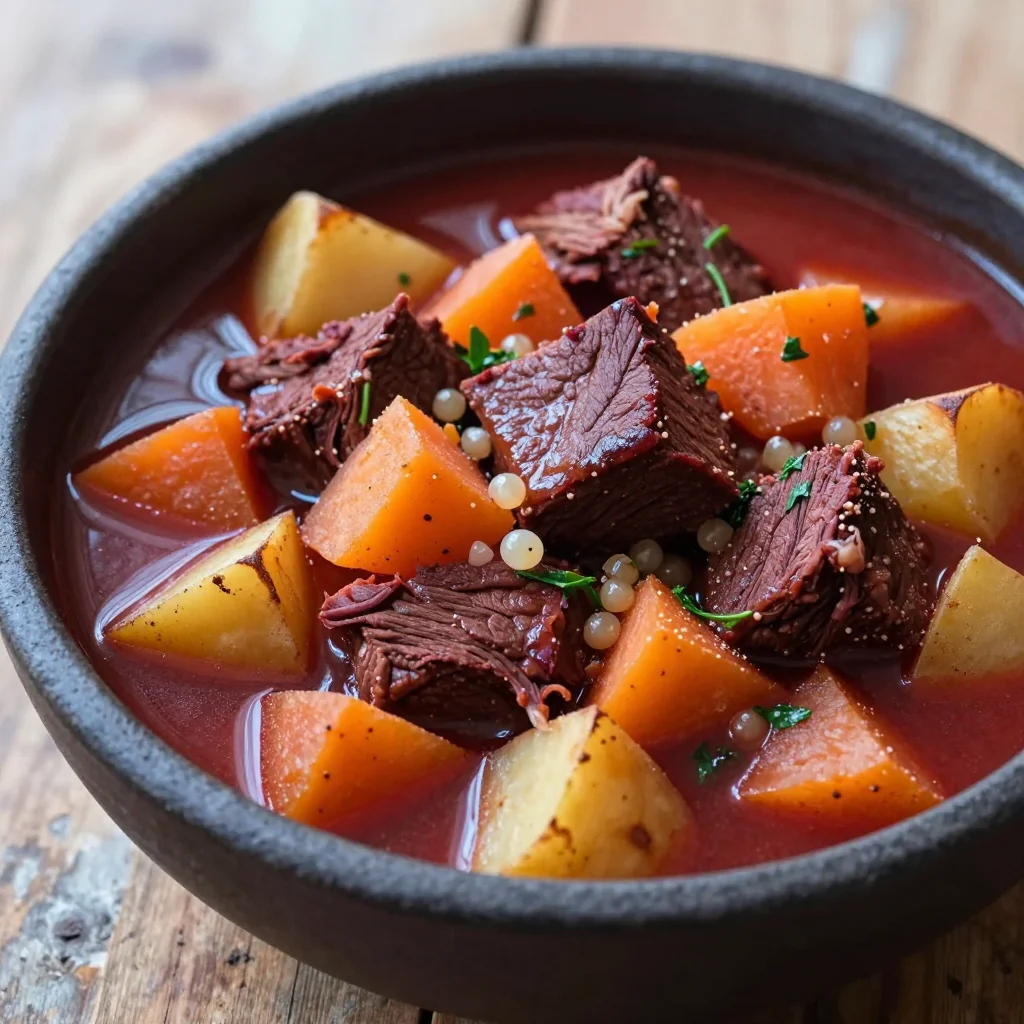
A timeless, slow‑cooked masterpiece that turns humble ingredients into a luxurious, aromatic feast.
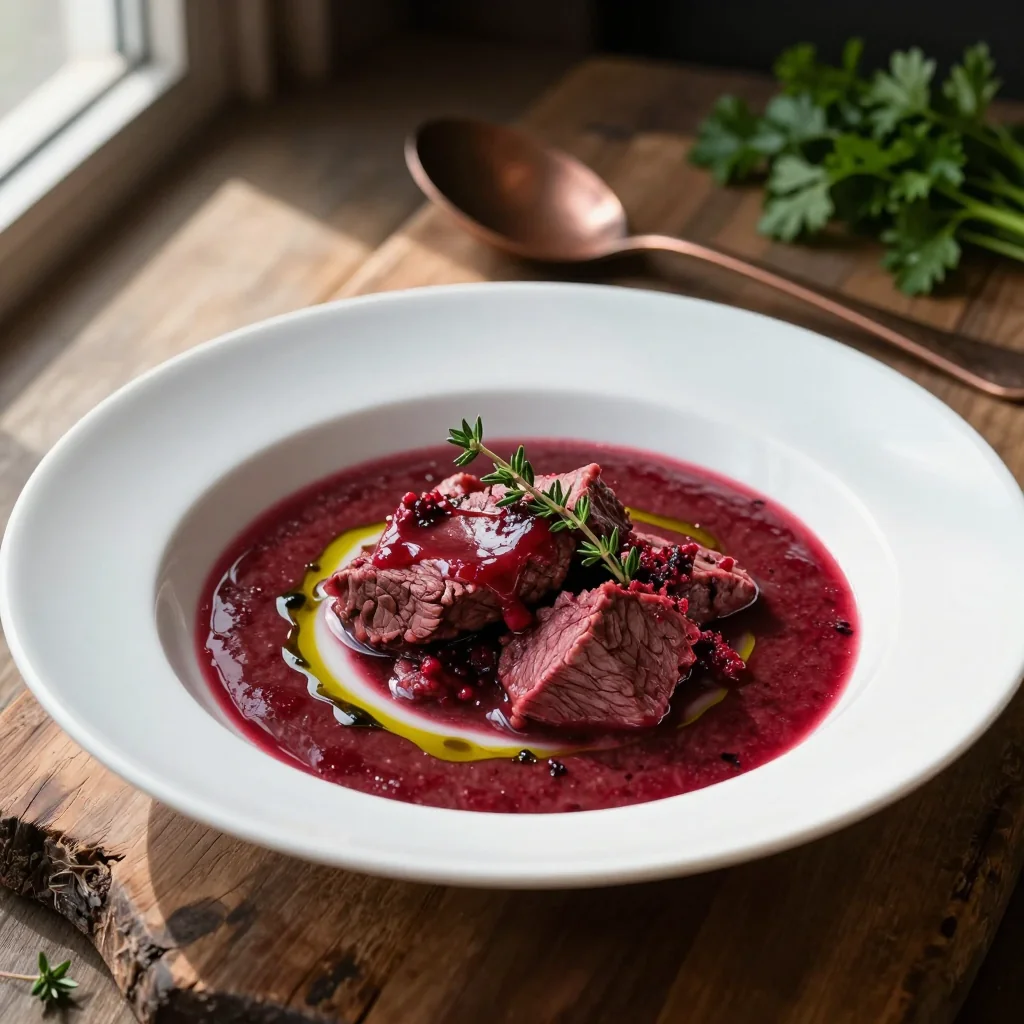
I still remember the first time I tasted a truly soulful beef stew – it was on a rainy autumn afternoon in my grandmother’s kitchen, the air thick with the perfume of simmering herbs and the deep, velvety scent of red wine. The pot sat on the stove, a quiet orchestra of bubbling broth, carrots turning a buttery orange, and beef that had become melt‑in‑your‑mouth tender after hours of patient cooking. That memory sparked a lifelong love affair with slow‑cooked dishes, and today I’m thrilled to share my refined version of that classic, infused with fresh herbs and a splash of bold wine.
Originating from the rustic traditions of French countryside cooking, beef stew with red wine and herbs has traveled across borders, becoming a beloved staple in many homes. The marriage of rich, dark wine with aromatic thyme, rosemary, and bay leaf creates layers of flavor that deepen with each minute of simmering, while the vegetables absorb the savory broth, turning the dish into a harmonious whole.
In this article you’ll discover why my method guarantees perfectly tender meat, how to balance the acidity of the wine with the earthiness of the herbs, and the exact timing that makes the vegetables retain just enough bite. I’ll walk you through every step, from selecting the ideal cut of beef to plating the final masterpiece, so you can recreate a restaurant‑quality stew in your own kitchen.
Grab your favorite pot, pour a glass of the same wine you’ll cook with, and let’s embark on this comforting culinary journey together.
🌟 Why This Recipe Will Captivate You
This stew isn’t just another dinner – it’s an experience that engages all your senses, from the first aromatic waft to the final silky mouthfeel.
- ✨ Depth of Flavor: The slow reduction of red wine creates a rich, caramelized base that infuses every bite with a subtle sweetness balanced by the herbs’ earthiness.
- ✨ Perfectly Tender Beef: By searing the chuck first and then simmering gently, the connective tissue breaks down, yielding a melt‑in‑the‑mouth texture without drying out.
- ✨ Nutrient‑Rich Vegetables: Carrots, potatoes, and onions retain essential vitamins while soaking up the broth, turning the stew into a wholesome one‑pot meal.
- ✨ Versatile Pairings: The robust flavor profile pairs beautifully with a full‑bodied red wine, crusty bread, or even a simple green salad for contrast.
- ✨ Make‑Ahead Friendly: This dish improves after a night in the fridge, as the flavors meld even further, making it perfect for meal‑prepping.
- ✨ Comfort in a Bowl: Warm, hearty, and aromatic, it’s the ultimate comfort food for chilly evenings or celebratory gatherings.
🥗 Ingredients
📝 Complete Ingredient List
For the Stew:
For Garnish (optional):
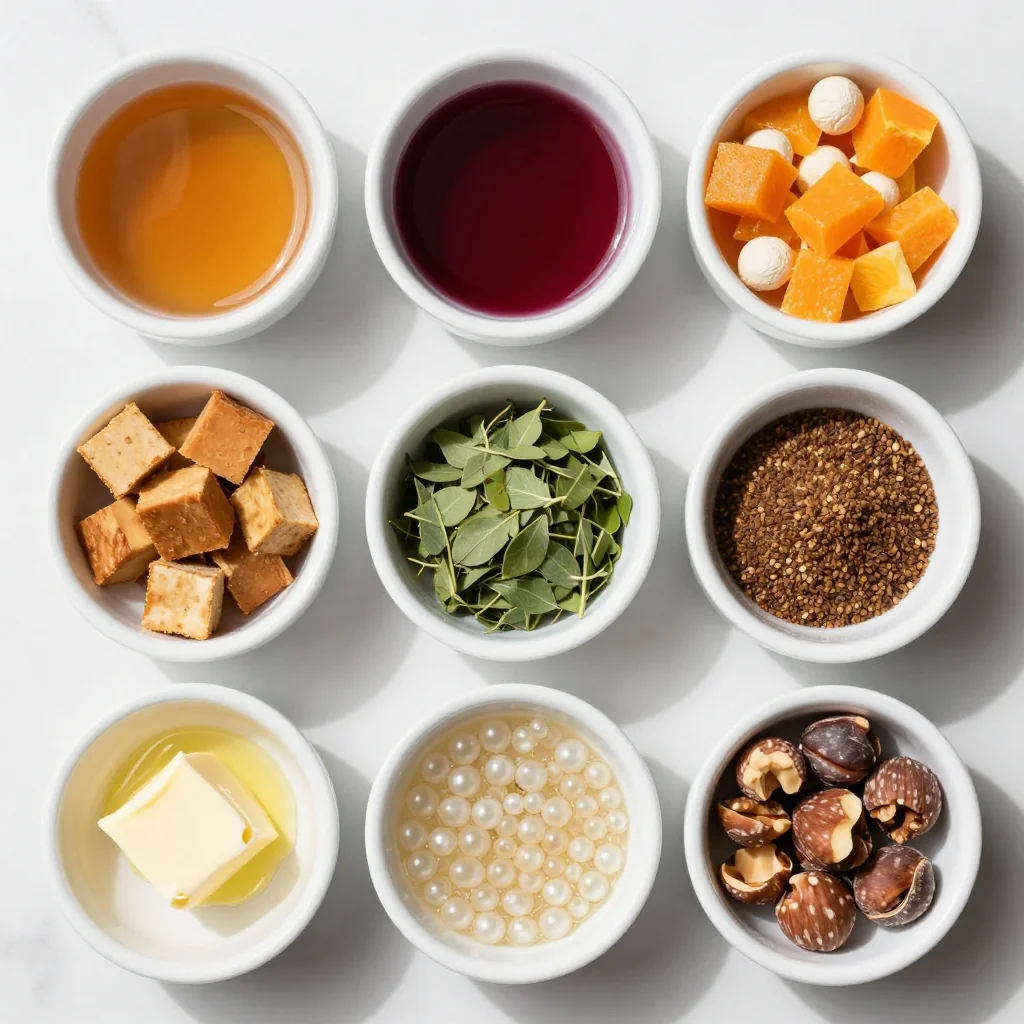
🔍 Focus on Key Ingredients
Beef Chuck
Beef chuck is the star of this stew because its marbling ensures juicy, flavorful meat even after long cooking. Look for a cut with a good amount of connective tissue; this tissue breaks down into gelatin, enriching the broth with a silky mouthfeel. Trim excess silver skin but keep the fat cap—it renders slowly, adding depth without making the dish greasy.
Red Wine
A dry, full‑bodied red wine contributes acidity that balances the richness of the beef and the sweetness of the vegetables. The alcohol evaporates during simmering, leaving behind complex tannins and fruit notes that deepen the broth. Choose a wine you would enjoy drinking; the flavor will be evident in the final dish.
Fresh Herbs (Thyme, Rosemary, Bay Leaf)
Fresh thyme and rosemary release aromatic oils when simmered, infusing the stew with an earthy, pine‑like fragrance that complements the beef. Bay leaf adds a subtle, slightly floral undertone. Adding the herbs early allows their flavors to meld, while a final sprinkle of fresh parsley before serving adds a bright, herbal finish.
🔄 Quick Substitutions
| If you don’t have... | Use instead... |
|---|---|
| Beef chuck | Beef short ribs or stewing beef |
| Red wine | Port or Merlot, or a mix of grape juice + 1 tbsp balsamic vinegar |
| Fresh thyme | Dried thyme (½ tsp) |
👨🍳 Step‑by‑Step Instructions
Follow these detailed steps to build layers of flavor, from searing the beef to the final garnish. Patience is key—each stage contributes to the stew’s depth and texture.
📋 Phase 1: Preparation & Mise en Place
Begin by organizing all ingredients and preparing the beef for searing.
Season and Coat the Beef
Pat the beef cubes dry with paper towels, then season generously with salt and pepper. Place the flour in a shallow dish and toss the beef until each piece is lightly coated; this will create a golden crust and help thicken the stew later.
Chop Vegetables
Dice the onion, mince the garlic, slice the carrots into half‑inch rounds, and quarter the potatoes. Keep the sizes uniform so they cook evenly. Set the prepared vegetables aside in separate bowls.
🔥 Phase 2: Browning & Simmering
Create a deep flavor base before the long, slow simmer.
Sear the Beef
Heat olive oil in a heavy‑bottomed Dutch oven over medium‑high heat. Add the flour‑coated beef in batches, ensuring each piece touches the pan. Cook until each side is a deep, caramel‑brown, about 3‑4 minutes per batch. Transfer the browned beef to a plate and set aside.
Sauté Aromatics
Reduce heat to medium, add a splash more oil if needed, then sauté the onion until translucent, about 5 minutes. Add the garlic and cook for another minute, being careful not to let it brown, which would introduce bitterness.
Deglaze with Red Wine
Pour the red wine into the pot, scraping the browned bits (fond) from the bottom with a wooden spoon. Let the wine reduce by half, approximately 8‑10 minutes; this concentrates the flavor and removes the raw alcohol edge.
Add Remaining Ingredients & Simmer
Return the seared beef, carrots, potatoes, thyme, rosemary, bay leaf, and beef broth to the pot. Stir to combine, bring to a gentle boil, then lower to a simmer. Cover partially and let it cook for 1 hour and 45 minutes, stirring occasionally. The meat should be fork‑tender and the vegetables just soft enough to hold their shape.
✨ Phase 3: Finishing & Plating
Finalize seasoning, garnish, and serve.
Adjust Seasoning
Taste the broth and add salt and freshly ground black pepper as needed. If the stew feels too acidic, stir in a teaspoon of sugar or a drizzle of honey to balance the flavors.
Garnish
Sprinkle chopped fresh parsley over the top for a pop of color and freshness. If desired, add a dollop of crème fraîche to each bowl for a luxurious creamy contrast.
Serve
Ladle the stew into deep bowls, ensuring each serving gets a generous portion of beef, carrots, and potatoes. Pair with crusty sourdough or a simple mixed green salad to complete the meal.
💡 Expert Tips & Tricks
🛒 Choosing the Right Ingredients
When shopping for beef, look for a deep red color and fine grain; avoid meat that looks gray or has a strong metallic odor. The marbling should be visible but not excessive—about 10‑12% fat is ideal for flavor without excess greasiness. For the wine, select a dry, full‑bodied variety with moderate tannins; a young Cabernet Sauvignon works beautifully. Fresh herbs should be vibrant: thyme leaves should be bright green, rosemary needles firm, and bay leaves glossy. Finally, opt for potatoes that are waxy (like Yukon Gold) rather than starchy, as they hold their shape during the long simmer.
🔪 Preparation Techniques
Patting the beef dry before seasoning is crucial; moisture on the surface creates steam, preventing a proper sear. After coating in flour, shake off excess before hitting the pan—this avoids clumping in the sauce. When chopping vegetables, aim for uniform thickness; this ensures even cooking and a pleasing texture. For garlic, a quick crush with the flat side of a knife releases more flavor than mincing alone.
🌡️ Mastering the Cooking Process
Maintain a gentle simmer—tiny bubbles should rise steadily but not violently. A rolling boil can toughen the meat and cause the vegetables to disintegrate. Use a heavy‑bottomed pot to distribute heat evenly, preventing hot spots that could scorch the sauce. If you notice the liquid evaporating too quickly, add a splash more broth or water; the final consistency should be thick yet pourable.
🍽️ Presentation & Service
Serve the stew in wide, shallow bowls to showcase the colorful vegetables and glossy broth. A drizzle of high‑quality olive oil just before serving adds a silky sheen. Pair with a rustic loaf for dipping, and consider a small garnish of micro‑greens or a thin slice of lemon zest for a fresh contrast. The visual appeal of the deep red broth against the orange carrots and golden potatoes makes the dish instantly appetizing.
🏆 Pro Tips
Elevate your stew from home‑cooked comfort to restaurant‑level excellence with these professional insights.
- 🎯 Build a Flavor Base with Mirepoix: Before adding the wine, sweat the onion, carrot, and celery (a classic mirepoix) in butter for 8‑10 minutes. This adds a sweet, aromatic foundation that deepens the overall taste profile.
- 🎯 Deglaze with Wine at the Right Temperature: Adding cold wine to a hot pan can cause the fond to stick, creating burnt bits. Warm the wine slightly (around 40 °C) before deglazing to release the caramelized pieces smoothly.
- 🎯 Use a Thermometer for Perfect Doneness: Beef is ideal at an internal temperature of 90 °C after the long simmer; this ensures collagen has fully broken down into gelatin, giving the broth its luxurious mouthfeel.
- 🎯 Finish with a Butter Emulsion: Whisk in a tablespoon of cold butter just before serving; this enriches the sauce, adds a glossy finish, and balances the acidity of the wine.
- 🎯 Rest the Stew Before Serving: Let the stew sit off the heat for 10 minutes; this allows the flavors to meld further and the sauce to thicken naturally.
- 🎯 Plate with Height: Use a deep bowl and place a mound of stew in the center, then arrange a few fresh parsley leaves on top. The vertical presentation makes the dish look more refined.
“A great stew is a conversation between the meat, the wine, and the herbs—each speaks in its own voice, yet they all tell the same story.” — Chef Thomas Keller
🔄 Variations & Adaptations
This classic stew is a versatile canvas. Below are several creative twists that let you tailor the dish to dietary preferences, seasonal produce, or global flavor profiles.
🥬 Vegetarian / Vegan Version
Replace the beef with hearty plant‑based proteins such as tempeh cubes or seitan strips. Use vegetable broth and a splash of red wine (or a non‑alcoholic red grape juice with a teaspoon of balsamic). Add mushrooms for an umami boost and keep the same herbs for familiarity.
- Tempeh cubes (marinated in soy sauce and smoked paprika) – 300 g
- Button mushrooms, quartered – 250 g
🌶️ Flavor Variations
Experiment with different spice profiles to give the stew a new personality while preserving its comforting core.
Spicy Version:
Add 1–2 teaspoons of smoked paprika and a pinch of cayenne pepper for a gentle heat that complements the wine’s fruitiness.
Mediterranean Version:
Include olives, sun‑dried tomatoes, and a tablespoon of capers. Finish with a squeeze of lemon juice for brightness.
Asian‑Inspired Version:
Swap the red wine for a mixture of soy sauce, mirin, and a splash of Sha‑shou (Chinese rice wine). Add star anise and ginger for depth.
⚠️ Dietary Adaptations
Gluten‑Free:
Omit the flour coating or use a gluten‑free flour blend. Ensure the broth is certified gluten‑free.
Lactose‑Free:
All ingredients are naturally lactose‑free; simply skip the optional crème fraîche or substitute with a dairy‑free yogurt.
Low‑Calorie:
Reduce olive oil to 1 tbsp, trim excess fat from the beef, and increase the proportion of vegetables. Use a low‑sodium broth and serve with a side of steamed greens instead of bread.
👶 Family / Kids Friendly Version
Kids often prefer milder flavors. Reduce the amount of rosemary and bay leaf, and add a pinch of sweet paprika. Serve with buttered noodles or fluffy rice to make the texture more familiar.
📦 Storage & Reheating
🧊 Conservation
Refrigerator:
- Duration: 4 days
- Recommended container: airtight glass or BPA‑free plastic
- Tip: Place a thin layer of olive oil on the surface to prevent a skin from forming
Freezer:
- Duration: 3 months
- Method: Cool completely, portion into freezer‑safe bags, remove excess air, label with date
- Defrosting: Transfer to refrigerator overnight or use the defrost setting on your microwave
💡 For best texture, reheat from frozen in a covered pot on low heat, adding a splash of broth if the sauce looks thick.
♨️ Reheating
🔥 Oven (Recommended):
- Preheat to 180 °C (350 °F)
- Cover the dish with aluminum foil
- Heat for 20‑25 minutes, stirring halfway
- Remove foil and continue for 5‑7 minutes to restore a slight crust on the top
⚡ Microwave (Quick):
- Place portion in a microwave‑safe bowl, cover with a vented lid
- Heat on medium power for 2‑3 minutes, stir, then continue in 30‑second bursts
🍳 Stovetop:
Transfer to a saucepan, add a splash of broth if needed, and simmer over low heat, stirring occasionally, until heated through (about 10 minutes).
🍷 Perfect Pairings
🥗 Side Dishes
- Garlic‑Herb Sourdough: Its crunchy crust sops up the flavorful broth while the garlic butter adds a complementary richness.
- Arugula Salad with Lemon Vinaigrette: The peppery arugula cuts through the stew’s richness and adds a refreshing acidity.
- Roasted Root Vegetables: Sweet beets and parsnips echo the stew’s earthy notes and provide textural variety.
🍷 Wine & Beverage Matches
- Cabernet Sauvignon: Its firm tannins mirror the stew’s robustness and enhance the beef’s flavor.
- Pinot Noir: A lighter red that highlights the herbaceous nuances without overpowering.
- Non‑Alcoholic Option: Sparkling cranberry‑apple cider offers a fruity acidity that balances the richness.
🍰 Complementary Courses
Begin with a light starter such as a citrus‑yurt tart or a simple mixed greens salad dressed with a sherry vinaigrette. Follow the stew with a classic French apple tarte tatin or a silky vanilla panna cotta—both desserts provide a sweet contrast that rounds out the meal beautifully.
❓ Frequently Asked Questions
Q: Can I use a different cut of beef?
Absolutely. While chuck offers the ideal balance of meat and connective tissue, you can substitute short ribs, brisket, or even a well‑marbled ribeye steak cut into cubes. Adjust the cooking time slightly if the cut is leaner—leaner meat may become tough if overcooked, so monitor tenderness and reduce simmer time by about 15 minutes if needed.
Q: How do I prevent the stew from becoming too salty?
Start with low‑sodium beef broth and season the meat lightly before searing. Add salt gradually during the simmering stage, tasting every 30 minutes. Remember that the reduction process concentrates flavors, so a modest amount of salt early on is usually sufficient.
Q: My stew looks watery—what went wrong?
A watery stew can result from too much liquid or insufficient reduction. Ensure you deglaze the pan fully, allowing the wine to reduce by half. If after the simmer the broth is still thin, increase the heat to medium‑high and uncover the pot for the last 10‑15 minutes to evaporate excess liquid. Adding a slurry of flour and cold water (1 tbsp flour mixed with 2 tbsp water) can also thicken the sauce without altering flavor.
Q: Can I add other vegetables?
Yes! Feel free to incorporate parsnips, turnips, or even pearl onions. Add heartier vegetables (like turnips) early with the carrots, while delicate ones (like peas) should be added in the last 10 minutes to retain their color and texture.
Q: How do I make the stew gluten‑free?
Omit the flour coating on the beef, or use a gluten‑free flour blend. Ensure the broth you choose is certified gluten‑free, and double‑check that any added sauces (like Worcestershire) do not contain hidden wheat. The stew will still thicken nicely thanks to the natural gelatin released from the beef.
Q: Is it possible to prepare this stew ahead of time?
Definitely. In fact, the stew tastes even better the next day as the flavors meld. Cook the stew fully, let it cool, then store in the refrigerator or freezer. Reheat gently as described in the Reheating section, adding a splash of broth if the sauce has thickened too much.
🎉 To Your Kitchen Adventures!
This Beef Stew with Red Wine and Herbs is more than a recipe—it’s a celebration of patience, flavor, and the joy of sharing a warm bowl with loved ones. By following each step, you’ll create a dish that boasts tender, juicy beef, a velvety wine‑infused broth, and vegetables that retain just the right amount of bite. The result is a comforting, elegant stew that can become a staple for family dinners, holiday gatherings, or a cozy night in.
I can’t wait to hear how your stew turns out! Share your photos, tweaks, and stories in the comments below, and don’t forget to rate the recipe. Your feedback helps the community grow and inspires new culinary adventures.
Did you try this recipe?
Leave a comment and rating below! Share your masterpiece on Instagram with #StewWithSoul to be featured on our page.
Beef Stew with Red Wine and Herbs
A hearty, wine‑infused stew that delivers melt‑in‑your‑mouth beef and aromatic herbs.
📝 Ingredients
Stew
Garnish (optional)
👨🍳 Instructions
- 1
Season the beef cubes with salt and pepper, coat in flour, and sear in batches until browned on all sides.
- 2
Sauté the diced onion until translucent, then add minced garlic and cook briefly.
- 3
Deglaze the pot with red wine, scraping up the browned bits, and reduce the wine by half.
- 4
Return the beef, carrots, potatoes, thyme, rosemary, bay leaf, and broth to the pot. Bring to a gentle boil.
- 5
Cover partially and simmer for 1 hour and 45 minutes, stirring occasionally.
- 6
Season with salt and pepper, adjust acidity with a touch of sugar if needed.
- 7
Garnish with fresh parsley and a dollop of crème fraîche before serving.
- 8
Ladle the stew into bowls and enjoy with crusty bread or a side salad.
- 9
Store leftovers in airtight containers; reheating instructions are provided above.
- 10
Share your creation on social media with #StewWithSoul!
🥗 Nutritional Information (per serving)
*Values are estimates based on standard ingredient sizes.
📚 You Might Also Like
Classic Coq Au Vin
Lamb Tagine with Apricots
Mushroom Barley Soup




💬 Comments & Reviews
Leave a Comment
[Reader comments will appear here]