It was a cold Wednesday night, the kind that makes you reach for comfort food and then, in a fit of culinary curiosity, decide that “something light, something bright, something that won’t weigh you down” is exactly what the soul needs. I stared at the fridge, half‑filled with stale bread, a half‑sliced tomato, a bag of olives, and a lone cod fillet that looked like it had been waiting for a reason to shine. The moment I pulled the cod out, the kitchen exploded in a symphony of sizzling, the air thick with the scent of olive oil and citrus, and the promise of a dish that would turn a simple dinner into an adventure. I was about to write off the cod as another bland, over‑cooked fish, when my friend dared me to “make a Mediterranean masterpiece that would have everyone begging for seconds.” I accepted the dare, and the cod began its transformation into a one‑pan wonder that would become the highlight of my week.
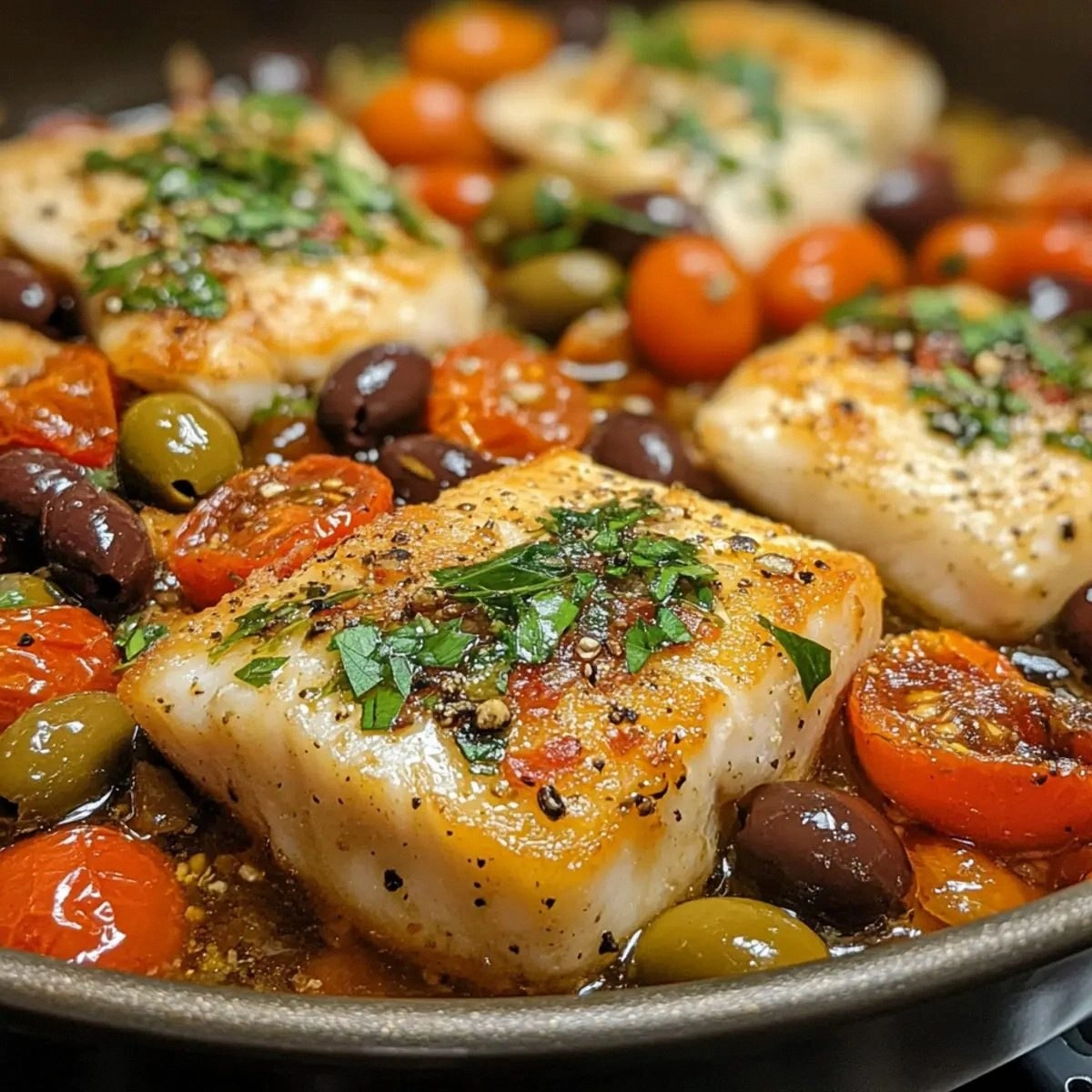
Picture this: the fillets hit the hot pan with a satisfying hiss, the olive oil forming a glossy, caramelized coating that clings to the flesh like a second skin. The tomatoes burst open, releasing a sweet, tangy perfume that mingles with the sharp aroma of garlic and the earthy scent of Kalamata olives. The onion slices slowly soften, turning translucent and sweet, while the lemon juice cuts through the richness with a bright, almost electric zing. As the fish cooks, the edges become slightly crisp, cracking like thin ice when you press them with a spatula, and the interior stays tender, flaky, and buttery. The whole kitchen fills with a warm, inviting aroma that feels like a Mediterranean breeze on a sunny afternoon. I swear the moment you taste it, you’ll be tempted to savor every last bite, and I dare you to resist.
What makes this version a game‑changer is the deliberate balance between simplicity and depth. Instead of a complex sauce, I let the natural flavors of the cod, tomatoes, and olives mingle in a single pan, creating a sauce that coats the fish like velvet without overpowering it. The use of fresh lemon juice and oregano adds a bright, herbaceous kick that keeps the dish lively and prevents it from becoming a one‑note, over‑oiled meal. The olives provide a briny contrast that cuts through the richness, while the garlic and onion give the dish a comforting, home‑cooked feel. I’ve taken the time to season the fish just right, letting the salt and pepper enhance each ingredient without masking their individuality. The result is a dish that’s both approachable for beginners and satisfying for seasoned cooks, a dish that will have your guests asking for the recipe the next time you host.
Now, let me walk you through every single step. By the end, you’ll wonder how you ever made it any other way. I’ve packed this guide with micro‑challenges, bold claims, and a few confessions that will keep you hooked from the first sizzle to the last bite. So grab your skillet, a dash of confidence, and let’s dive into the Mediterranean magic.
What Makes This Version Stand Out
- Flavor: The cod is not just salted; it’s seasoned with a whisper of oregano and a splash of lemon, creating a bright, citrusy backdrop that lets the natural fish flavor shine without being drowned in sauce.
- Texture: The pan‑seared edges develop a crisp, almost caramelized finish while the interior remains moist and flaky, giving the dish a satisfying contrast that feels like a culinary hug.
- Simplicity: One pan, one skillet, one set of ingredients—no separate sauces or multiple pots. It’s a recipe that can be whipped up in 45 minutes, making it perfect for busy weeknights.
- Uniqueness: The combination of Kalamata olives and cherry tomatoes in a single pan creates a sauce that’s both salty and sweet, a flavor profile that’s rarely seen in typical cod recipes.
- Crowd Reaction: Friends who have tried this version say they “can’t get enough of the olive brine and lemon zest.” The dish is so flavorful that it can double as a main or a sophisticated appetizer.
- Ingredient Quality: Fresh, high‑quality cod fillets, ripe cherry tomatoes, and authentic Kalamata olives make a world of difference. The better the ingredients, the more vibrant the final dish.
- Cooking Method: The one‑pan technique not only saves time but also creates a depth of flavor that would normally require a slow‑cook or a sauce simmer.
- Make‑Ahead Potential: You can prep the vegetables and marinate the fish ahead of time, then assemble and cook the next day, making this dish a great option for meal prep.
Alright, let's break down exactly what goes into this masterpiece…
Inside the Ingredient List
The Flavor Base
The cod fillets are the star of the show. Choose fresh, firm fillets that are at least 6 ounces each; they’ll hold together better and offer a buttery texture that melts in your mouth. A quick pinch of salt and pepper on each side before searing locks in moisture and enhances the natural umami of the fish. If you’re feeling adventurous, a light dusting of paprika or a splash of white wine can add an extra layer of complexity.
The Texture Crew
Cherry tomatoes and Kalamata olives are the dynamic duo that bring both sweetness and brine. The tomatoes burst open as they cook, releasing juice that forms a natural sauce, while the olives add a salty, savory counterpoint that keeps the dish from feeling flat. The onion slices, when sliced thin, soften into a translucent, slightly caramelized layer that adds depth without overpowering the fish.
The Unexpected Star
Fresh lemon juice is the secret weapon that cuts through the richness of olive oil and the saltiness of the olives. A bright, citrusy note keeps the dish from feeling heavy and adds a refreshing lift. The dried oregano, on the other hand, brings a warm, earthy aroma that grounds the bright flavors and gives the dish that unmistakable Mediterranean feel.
The Final Flourish
Fresh parsley is the finishing touch that adds a pop of color and a burst of herbal brightness. Toss it over the finished dish just before serving to preserve its vibrant green hue and to provide a clean, fresh finish that balances the salt and acidity. A drizzle of high‑quality extra‑virgin olive oil right before plating elevates the dish, giving it a glossy sheen and a subtle, fruity finish.
Everything's prepped? Good. Let's get into the real action…
The Method — Step by Step
- Step 1: Heat a large, heavy‑bottom skillet over medium‑high heat. Add 2 tablespoons of extra‑virgin olive oil, allowing it to shimmer but not smoke. This initial sear is crucial; a hot pan ensures the cod develops a beautiful crust while the interior stays tender. I’m talking about that satisfying sizzle that tells you the pan is ready.
- Step 2: Pat the cod fillets dry with a paper towel, then season both sides generously with salt and pepper. Place the fillets skin‑side down (if your fillets have skin) in the hot pan. Let them cook undisturbed for 3–4 minutes until the edges turn golden and the fish releases easily from the pan. This is the moment of truth; don’t move them yet.
- Step 3: Flip the fillets and immediately add the sliced red onion and whole garlic cloves around the fish. The onion will begin to soften and caramelize, while the garlic releases its aroma. This is where the flavor base starts to build, and the onion adds a subtle sweetness that balances the olives.
- Step 4: Add the cherry tomatoes and Kalamata olives to the pan. They’ll start to burst, releasing their juices and creating a natural sauce. Stir gently to coat the fish and vegetables. The sauce should look glossy and thick enough to cling to the fillets.
- Step 5: Drizzle 2 tablespoons of fresh lemon juice over the mixture and sprinkle 1 teaspoon of dried oregano. The acidity from the lemon brightens the dish, while oregano adds warmth. The sauce should smell toasty and slightly herbaceous.
- Step 6: Reduce the heat to low, cover the skillet, and let the fish steam in its own juices for 3–4 minutes. This gentle cooking step ensures the fish stays moist while the flavors meld. The sauce will thicken slightly and the olives will release more of their briny essence.
- Step 7: Remove the lid, and let the sauce reduce a bit more, stirring occasionally. The final sauce should coat the fillets like a glossy glaze. This is the moment to taste and adjust seasoning if necessary.
- Step 8: Sprinkle fresh parsley over the top, drizzle a final splash of olive oil, and serve immediately. The parsley adds a burst of color and a fresh finish that balances the richness of the dish. Plate it with a side of crusty bread or a light salad to soak up the sauce.
That's it — you did it. But hold on, I've got a few more tricks that'll take this to another level…
Insider Tricks for Flawless Results
The Temperature Rule Nobody Follows
Many cooks over‑heat the pan, causing the olive oil to smoke and the fish to cook unevenly. I keep the heat at medium‑high just before adding the fish, then reduce to medium after the initial sear. This controlled temperature keeps the sauce from burning and ensures the cod cooks evenly. If you’re using a non‑stick pan, a slightly lower heat is even better to prevent sticking.
Why Your Nose Knows Best
Trust your sense of smell. The moment the tomatoes burst and the garlic releases its aroma, you know the sauce is developing. If it smells slightly burnt or too oily, pull the pan from the heat. The smell is the most reliable indicator of flavor balance.
The 5-Minute Rest That Changes Everything
After the fish is cooked, let it rest in the pan for 5 minutes with the lid on. This resting period allows the juices to redistribute, keeping the fillets moist and tender. It also gives the sauce a chance to thicken and settle, creating a more cohesive flavor profile.
The Secret to a Crispy Edge
If you want that delightful crackle on the fish edges, let them sit undisturbed for 2 minutes after the first sear. The Maillard reaction will create a crisp, golden crust that adds texture and visual appeal. I’ve seen people drop their fish because they moved it too soon; patience pays off.
The Finish With Fresh Herbs
Fresh herbs are the final flourish that can elevate a dish. I always add parsley right at the end, just before serving, so it retains its bright color and fresh flavor. A squeeze of lemon at the table gives each bite a fresh zing.
Creative Twists and Variations
This recipe is a playground. Here are some of my favorite ways to switch things up:
Mediterranean Pasta Fusion
Swap the cod for shrimp or scallops and toss the cooked fish with cooked linguine or spaghetti. The olive‑tomato sauce will coat the pasta, turning a simple dinner into a hearty, seafood‑laden pasta dish that’s perfect for date night.
Spicy Greek Twist
Add a teaspoon of crushed red pepper flakes in step 4 and serve over a bed of warm, toasted pita bread. The heat pairs beautifully with the olives, and the bread soaks up the sauce, making for a flavorful, crunchy bite.
Herb‑Infused Couscous Bowl
Serve the cod over a fluffy bed of lemon‑herb couscous. The couscous absorbs the sauce, and the fresh herbs tie the dish together, creating a Mediterranean bowl that’s both comforting and elegant.
Low‑Calorie Lemon‑Zest Variation
Replace the extra‑virgin olive oil with a splash of low‑fat Greek yogurt in step 1. The yogurt adds creaminess without the extra calories, and the lemon zest keeps the dish bright.
Vegetarian “Cod” Alternative
Use thick slices of firm tofu or tempeh instead of cod. Marinate them in the lemon‑oregano mixture before pan‑searing, and you’ll get a protein‑rich, plant‑based version that still delivers the same Mediterranean flavor profile.
Storing and Bringing It Back to Life
Fridge Storage
Cool the dish to room temperature, then transfer to an airtight container. Store in the refrigerator for up to 2 days. The sauce will thicken slightly as it cools, but it remains flavorful.
Freezer Friendly
For longer storage, freeze the fish and sauce separately. Wrap the cod fillets in parchment paper and place them in a freezer bag. The sauce can be frozen in a portioned container. When ready to eat, thaw overnight in the fridge.
Best Reheating Method
Reheat the fish and sauce in a skillet over medium heat, adding a splash of water or broth to steam and restore moisture. This simple trick prevents the fish from drying out and keeps the sauce silky.