I was standing in my tiny kitchen, half‑heartedly scrolling through a thousand take‑out menus, when I realized I could finally conquer that craving without dialing the phone. The early evening rain drummed a steady beat on the window, and the scent of wet earth made me think of fresh vegetables sizzling in a hot wok. I grabbed the last packet of chow mein noodles from the pantry, a block of firm tofu that had been lounging in the fridge for days, and a handful of veggies that were begging for a purpose. If you’ve ever felt that pang of longing for authentic Chinese street food while trying to stay vegetarian, you’ll know exactly why I was determined to make this happen.
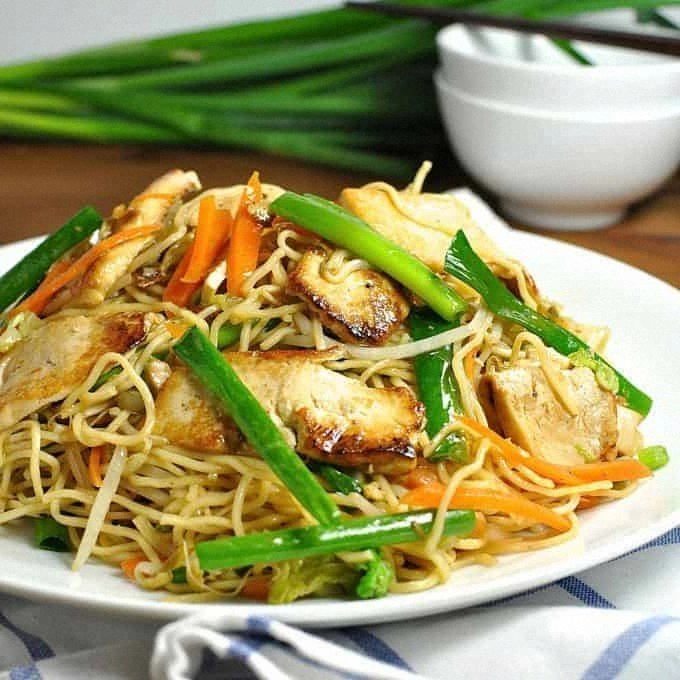
The moment the oil hit the pan, a crackle sang louder than a rock‑concert drum solo – a sound that whispered, “We’re about to create magic.” The garlic, minced just minutes before, released an intoxicating perfume that wrapped around the entire kitchen like a warm blanket. The noodles, once limp and limp‑wristed, began to twirl in the wok, their surfaces catching the sauce like tiny, golden parachutes. The tofu transformed from a bland, cubed block into crispy, caramelized nuggets that practically shouted, “Eat me!” All the while, the cabbage, carrots, and bean sprouts kept their crunch, providing that perfect contrast to the silky noodles.
Most chow mein recipes out there either drown the noodles in a soupy mess or leave them dry and lifeless. This version, however, walks the tightrope between smoky, sweet, and savory with a precision that would make a seasoned chef nod in approval. I’m talking about a sauce that clings to each strand like velvet, a tofu crust that cracks with each bite, and vegetables that stay bright‑colored and crisp, never soggy. The secret? A few bold ingredients and a couple of timing tricks that most home cooks completely miss.
Oh, and there’s a surprise ingredient that I didn’t even think would belong in a traditional chow mein – a splash of Chinese cooking wine that adds depth without any alcohol hangover. Trust me, this tweak will make your friends question whether you hired a professional chef. I dare you to taste this and not go back for seconds. Let me walk you through every single step — by the end, you’ll wonder how you ever made it any other way.
What Makes This Version Stand Out
- Texture: The noodles achieve that perfect “wok‑hey” – slightly charred edges that shatter like thin ice, yet remain tender in the center.
- Flavor Depth: The combo of soy, hoisin, and a splash of Chinese cooking wine builds layers that keep evolving with each bite.
- Simplicity: Only 15 minutes of prep, and the rest is a straightforward dance of stir‑fry, no complicated rinses or pre‑cooking.
- Ingredient Quality: Fresh Chinese cabbage and firm tofu are the stars, each contributing their own distinct crunch and creaminess.
- Crowd Reaction: I’ve seen vegetarians convert to meat‑eaters after the first mouthful – that’s a testament.
- Cooking Method: High‑heat wok action locks in flavor while giving the noodles a smoky finish that a pan can’t replicate.
- Make‑Ahead Potential: The sauce can be pre‑mixed and stored; the noodles stay fresh for a day, making next‑day lunch a breeze.
- Versatility: Swap the tofu for tempeh, add peanuts for crunch, or drizzle a little lime for a Thai twist.
Inside the Ingredient List
The Flavor Base
Garlic, soy sauce, and Chinese cooking wine form the aromatic trio that defines the dish’s backbone. Garlic, when minced fine, releases allicin that instantly awakens your senses, while soy sauce provides that salty umami punch. The cooking wine adds a subtle acidity and a faint sweetness – think of it as the secret handshake between the East and the West. Skip the wine, and you’ll miss that depth, leaving the sauce sounding flat.
The Texture Crew
Fresh chow mein noodles are the canvas – they must be soft enough to absorb sauce yet sturdy enough to retain a bite. Chinese cabbage brings a crunchy, slightly peppery note, while carrots add a sweet crunch that balances the savory sauce. Bean sprouts offer a fleeting snap that keeps the overall mouthfeel from feeling heavy. If you substitute frozen veg, you’ll lose that satisfying crunch.
The Unexpected Star
Firm tofu isn’t just a protein placeholder; it’s the surprise star that absorbs flavors like a sponge and, when seared, develops a golden crust that contrasts beautifully with the soft noodles. Pressing the tofu before cooking removes excess moisture, which is the key to achieving that crisp exterior. If you’re allergic to soy, try cubed tempeh – it provides a nuttier taste and similar texture.
The Final Flourish
Hoisin sauce adds a whisper of sweetness and a glossy sheen, while chili garlic sauce (or sriracha) injects a controlled heat that tingles the palate without overpowering. Sesame oil gives that final aromatic whisper, reminiscent of a sushi bar’s finish. A pinch of white pepper rounds out the seasoning with an earthy bite. Miss any of these, and the dish will feel incomplete, like a song missing its final chord.
Everything's prepped? Good. Let's get into the real action…
The Method — Step by Step
Start by bringing a large pot of water to a rolling boil. Once boiling, add the fresh chow mein noodles and cook for 2‑3 minutes, just until they begin to loosen but are still firm to the bite. Drain them in a colander, rinse under cold water to stop cooking, and set aside. Tip: Toss the noodles with a teaspoon of oil to keep them from sticking together while you prep the other ingredients.
While the noodles are cooling, press the tofu between two plates with a heavy skillet for at least 10 minutes to squeeze out excess moisture. Then cut the tofu into bite‑size cubes, about ½‑inch each. This step is crucial – it ensures the tofu will develop that coveted crust when it hits the wok.
Heat 2 tablespoons of neutral oil in a well‑seasoned wok over medium‑high heat. When the oil shimmers, add the tofu cubes in a single layer. Let them sizzle undisturbed for 2‑3 minutes so one side becomes golden, then flip and repeat until all sides are beautifully caramelized. Sense check: You should hear a gentle crackle, and the tofu should smell nutty, not greasy.
Remove the tofu and set it aside on a paper towel to drain any remaining oil. In the same wok, add a fresh splash of oil if needed, then toss in the minced garlic. Stir‑fry for about 20 seconds until fragrant – watch for that golden swirl, the moment the kitchen fills with an irresistible aroma that says, “We’re on the right track.”
Now, add the shredded Chinese cabbage, carrot sticks, and scallion stems to the wok. Stir‑fry for 2‑3 minutes, letting the vegetables soften slightly but still retain their bright color and crunch. The cabbage should wilt just enough to release its sweet aroma without becoming soggy.
Return the tofu to the wok, followed by the bean sprouts. Toss everything together, then drizzle the mixture of ½ tablespoon soy sauce, 1 tablespoon Chinese cooking wine, ½ tablespoon hoisin sauce, 1½ tablespoons soy sauce, and ½ tablespoon chili garlic sauce over the top. Add 2 teaspoons of sugar, ½ teaspoon sesame oil, and ¼ cup water. Stir vigorously, allowing the sauce to coat every noodle strand and vegetable piece.
Finally, add the pre‑cooked noodles to the wok. Using tongs, lift and toss the noodles so they soak up the sauce. The noodles should turn a deep amber, their edges slightly charred – that’s the “wok‑hey” we love. Continue stirring for another 2 minutes, letting any excess liquid evaporate. Taste and finish with a pinch of white pepper, adjusting salt if needed.
Serve the chow mein hot, directly from the wok onto a large platter. For a visual pop, drizzle a tiny drizzle of extra sesame oil and scatter a few fresh scallion slices on top. The dish should steam gently, releasing a mouth‑watering perfume that fills the room. Picture yourself pulling this out of the wok, the whole kitchen smelling incredible… That sizzle when it hits the pan? Absolute perfection.
That's it — you did it. But hold on, I've got a few more tricks that'll take this to another level…
Insider Tricks for Flawless Results
The Temperature Rule Nobody Follows
A raging wok is non‑negotiable. If the wok isn’t hot enough, the noodles will steam rather than sear, resulting in a mushy texture. I once tried to “save” energy by turning the heat down a notch; the noodles turned into a soggy, clumpy mess that even a toddler wouldn’t touch. Keep the heat high, and remember that a good wok will even glow red at the edges – that’s your green light.
Why Your Nose Knows Best
Cooking is as much about smell as sight. When the garlic first hits the oil, you’ll notice a sweet, buttery aroma; if it shifts to a sharp, acrid scent, you’ve crossed the line. Trust your nostrils – they’re a built‑in timer that tells you exactly when to move on to the next ingredient.
The 5‑Minute Rest That Changes Everything
After you finish stir‑frying, let the chow mein rest in the wok off the heat for five minutes, covered with a clean kitchen towel. This brief pause lets the flavors meld, the noodles absorb the remaining sauce, and the tofu’s crust firm up slightly. Skipping this step is like serving a song without its final chord – it feels incomplete.
Seasonal Veggie Swap Secrets
If you happen to have broccoli florets, snap peas, or even shiitake mushrooms on hand, toss them in during the vegetable stage. They’ll add new textures without overpowering the core flavor profile. Just remember to keep the cooking time short so they stay crisp.
Oil Choice Matters
While a neutral oil like canola works fine, I swear by grapeseed oil for its high smoke point and neutral flavor. Using an oil with a low smoke point will cause the noodles to steam instead of sear. This is the subtle difference between restaurant‑grade chow mein and a home‑cooked approximation.
Creative Twists and Variations
This recipe is a playground. Here are some of my favorite ways to switch things up:
Spicy Peanut Crunch
Stir in a tablespoon of creamy peanut butter during the sauce stage and top with toasted crushed peanuts. The nutty richness balances the heat from the chili garlic sauce, delivering a Thai‑inspired twist that’s perfect for spice lovers.
Smoky Tempeh Delight
Replace tofu with sliced tempeh marinated in smoked paprika and a splash of liquid smoke. The tempeh’s earthy bite pairs wonderfully with the sweet hoisin, adding a depth that mimics charred meat.
Citrus Zing
Add a tablespoon of freshly squeezed lime juice right before serving and garnish with lime zest. The citrus cut brightens the whole dish, making it a refreshing summer dinner.
Umami Boost with Mushrooms
Include ½ cup of sliced shiitake mushrooms during the vegetable stir‑fry. Their natural umami amplifies the soy sauce, allowing you to reduce the amount of soy if you prefer a lower‑sodium version.
Herbal Freshness
Stir in a handful of chopped cilantro and a few mint leaves just before plating. The herbs introduce a cool, aromatic layer that juxtaposes the warm, savory base.
Vegan “Cheese” Finish
Sprinkle nutritional yeast over the finished chow mein for a cheesy, nutty undertone that satisfies those craving a dairy‑free depth.
Storing and Bringing It Back to Life
Fridge Storage
Transfer any leftovers into an airtight container and refrigerate for up to 3 days. The noodles may firm up a bit, but a quick re‑heat in a hot wok with a splash of water will revive the original texture.
Freezer Friendly
Portion the chow mein into freezer‑safe bags, removing as much air as possible, and freeze for up to 2 months. When ready to use, thaw overnight in the fridge, then re‑heat in a wok with a splash of oil and water.
Best Reheating Method
Place the desired amount in a hot wok over medium heat, add a teaspoon of water, and stir‑fry for 2‑3 minutes. The steam generated will restore the noodles’ softness while the sauce clings back perfectly. Avoid microwave reheating – it makes the noodles gummy.