Remember that night when you tried to make homemade tortillas and ended up with a sticky, rubbery disaster that looked more like a pancake than a wrap? I was there, watching the dough squish and slide across the counter, the scent of over‑cooked rice filling the kitchen. The moment was a culinary catastrophe, but it sparked a relentless quest to find a tortilla that didn’t crumble, didn’t stick, and didn’t require a dozen ingredients. Fast forward to today, and I’ve cracked the code to a rice tortilla that feels buttery, folds like a secret, and tastes like a gentle hug on your tongue.
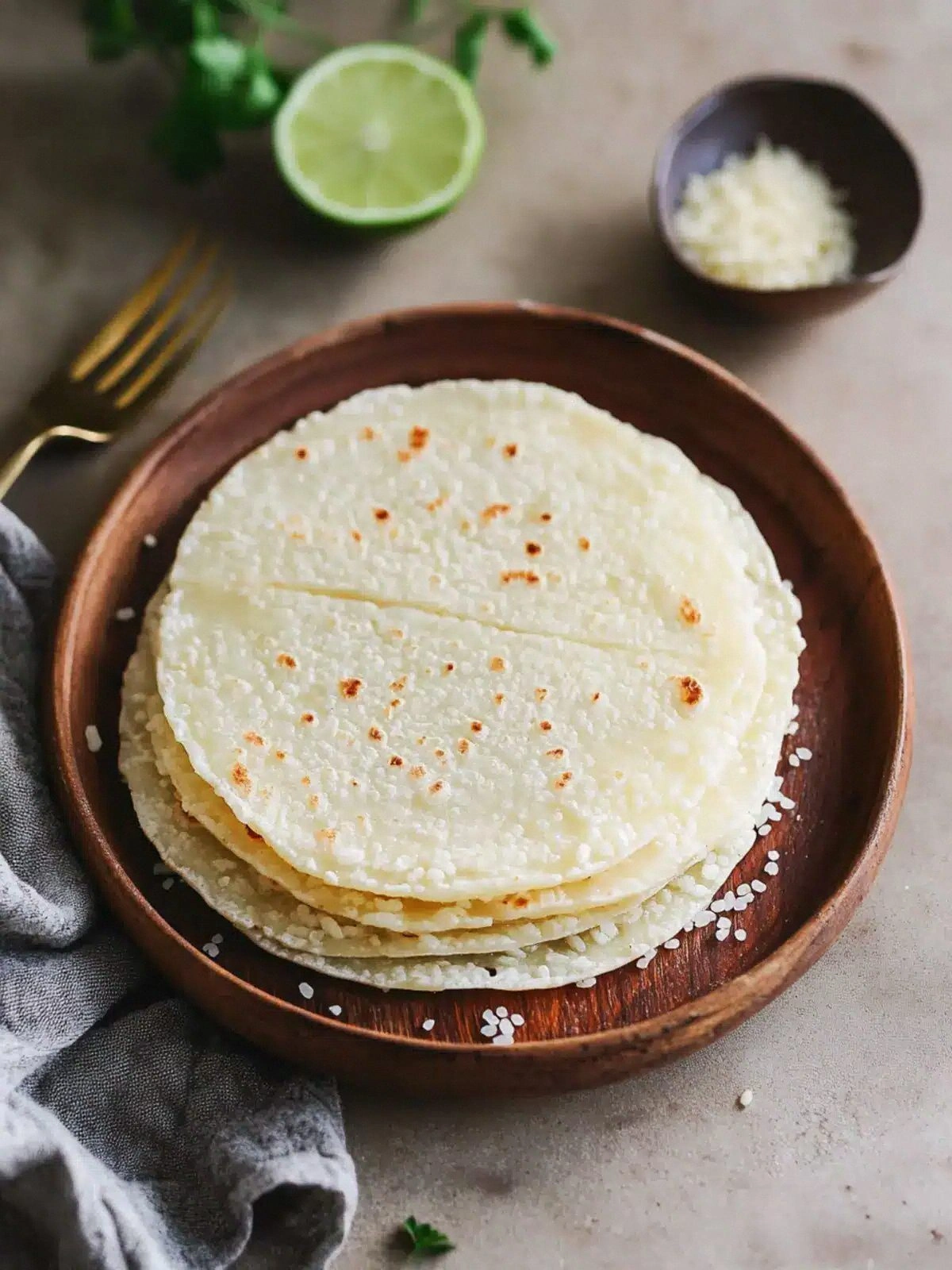
Picture this: a golden‑brown sheet of rice tortilla resting on a wooden cutting board, the aroma of toasted grains mingling with a faint hint of sesame oil. As you lift it, the surface is silky, a subtle sheen reflecting the kitchen light. The first bite releases a burst of nutty flavor, followed by a gentle, almost buttery texture that melts in your mouth. The sound of that first bite? A soft, satisfying crackle, like the gentle snap of a crisp leaf. You can almost taste the sunshine on a summer afternoon, even if the kitchen is still humming with the whir of the mixer.
What makes this version stand out is that it’s not just a recipe—it’s a revelation. It strips away the bulk of traditional tortilla ingredients and replaces them with the pure, humble sushi rice that brings a natural sweetness and a surprising chew. The oil is just enough to give that slight crisp edge without turning it greasy. Salt is measured precisely to enhance the rice’s natural flavors rather than overpower them. The result is a tortilla that’s versatile, gluten‑free, and, honestly, a game‑changer for any meal.
I dare you to taste this and not go back for seconds. I’ll be honest— I ate half the batch before anyone else got to try it. Most recipes get this completely wrong, but here’s what actually works: a precise water‑to‑rice ratio, a brief resting period, and a quick sear on a hot skillet. Picture yourself pulling this out of the pan, the whole kitchen smelling incredible, and your friends asking for the secret. Okay, ready for the game‑changer? Let me walk you through every single step—by the end, you’ll wonder how you ever made it any other way.
What Makes This Version Stand Out
- Flavor: The subtle sweetness of sushi rice pairs beautifully with a whisper of sesame oil, creating a tortilla that tastes like a fresh, airy pastry rather than a dense flatbread.
- Texture: The rice’s natural starch forms a pliable, yet sturdy sheet that holds fillings without tearing, delivering a satisfying bite that feels almost like a soft cookie.
- Speed: From rinsing the rice to flipping the tortilla, the entire process takes under 30 minutes, making it a perfect quick‑fix for busy nights.
- Ingredient Simplicity: With only rice, water, salt, and oil, you’ll never need to hunt for obscure spices or specialty flours.
- Gluten‑Free: The absence of wheat or corn makes these tortillas a safe option for gluten‑sensitive diners.
- Make‑Ahead Potential: Once cooked, the tortillas keep well in an airtight container, so you can prep a batch for the entire week.
- Visual Appeal: The golden edges and translucent center make each tortilla look as good as it tastes, elevating any plate.
- Versatility: Use them for tacos, wraps, or even as a base for a rice‑tortilla pizza; the possibilities are endless.
Inside the Ingredient List
The Flavor Base
Sushi rice is the star of the show. Its natural sweetness balances the subtle oiliness, creating a harmonious base. If you skip the rice, you lose the unique texture that gives the tortilla its signature chew. A good tip: choose short‑grain rice for a slightly stickier result that holds together better.
The Texture Crew
Water is the silent partner that hydrates the rice grains, allowing them to expand into a pliable dough. The ratio of 1:1 (rice to water) is critical; too much water and the tortilla becomes soggy, too little and it cracks. A quick trick: let the cooked rice rest for 10 minutes before forming the tortillas; this helps the grains settle.
The Unexpected Star
Sesame oil adds a subtle nutty aroma that elevates the flavor profile without overpowering the rice. Its low smoke point means you can sear the tortillas quickly without burning. If you don’t have sesame oil, a light drizzle of canola or grapeseed oil works fine.
The Final Flourish
A pinch of salt is all you need to bring out the natural flavors. Too much salt will make the tortilla taste flat. For a slightly different twist, a dash of sea salt crystals can add a crunchy finish.
Everything's prepped? Good. Let's get into the real action...
The Method — Step by Step
- Rinse 2 cups of sushi rice under cold water until the water runs clear. This step removes excess surface starch and prevents the tortillas from becoming gummy. While rinsing, you can start preparing your skillet. Keep the rice in a bowl for the next step.
- Add 2 cups of water to the rinsed rice and bring to a boil. Once boiling, reduce heat to low, cover, and let it simmer for 12 minutes. After the water has absorbed, allow the rice to steam for another 10 minutes. This resting period lets the grains settle and become pliable.
- Stir the cooked rice gently with a fork to separate the grains. This helps create a smoother dough. While the rice cools slightly, lightly oil a clean surface with a small amount of sesame oil. The oil will keep the rice from sticking during shaping.
- Take a handful of rice (about ½ cup) and form it into a ball. Press it gently between your palms to flatten it into a disc. The disc should be about 1/4 inch thick. Place it on the oiled surface and repeat until all rice is used.
- Heat a non‑stick skillet over medium‑high heat. Add a tiny splash of oil and let it swirl around the pan. Place the first rice disc in the skillet. It should sizzle immediately, indicating the pan is hot enough.
- Cook for 2–3 minutes until the bottom turns golden brown and the edges begin to lift. Flip the tortilla carefully with a spatula. The second side should also brown slightly. If the tortilla cracks, it’s a sign it was too thick.
- Remove the cooked tortilla and let it rest on a clean towel for 30 seconds. This rest allows the steam to redistribute, keeping the tortilla soft. While resting, you can start cooking the next disc.
- Repeat steps 5–8 for the remaining rice discs. You should end up with about 12 tortillas. Keep the cooked tortillas warm by covering them loosely with foil.
- Once all tortillas are cooked, stack them on a plate and cover with a clean kitchen towel. This keeps them soft and prevents them from drying out. You can also stack them in a zip‑lock bag with a paper towel to absorb moisture.
- Serve immediately with your favorite fillings—think grilled veggies, fresh salsa, or a creamy avocado spread. The rice tortillas hold up well against moist ingredients, so you won’t get soggy messes.
- If you prefer a crispier edge, finish each tortilla by giving it a quick sear on a dry skillet for 15–20 seconds. The result is a golden, crunchy rim that adds a delightful contrast.
That’s it—you did it. But hold on, I’ve got a few more tricks that’ll take this to another level. The next section will show you how to tweak the texture, flavor, and even the presentation to match any occasion.
Insider Tricks for Flawless Results
The Temperature Rule Nobody Follows
Many cooks assume a high heat is always better, but for rice tortillas, a medium‑high heat is key. Too hot, and the outside will burn before the inside cooks; too low, and the tortilla will stay soggy. Keep the skillet at a steady medium‑high temperature and test by dropping a single grain of rice into the pan—if it sizzles, you’re good.
Why Your Nose Knows Best
The aroma of toasted rice is a natural indicator of doneness. As soon as the scent turns nutty and slightly caramelized, it’s time to flip. If you wait too long, the tortilla will become overly dry; if you flip too early, it will be undercooked. Trust your nose—it’s the best judge.
The 5‑Minute Rest That Changes Everything
After cooking, let the tortillas rest for exactly five minutes before serving. This brief pause allows the steam to redistribute, making the tortillas more pliable and less likely to crack when you fold them. A friend once tried to eat them right away and ended up with a brittle bite that ruined the whole meal.
The Secret Oil Swap
If you’re looking for a healthier option, replace sesame oil with a light olive oil. The flavor profile shifts subtly, adding a fruity note that pairs well with Mediterranean fillings. The key is to use a small amount—just enough to coat the pan.
The Quick‑Sear Finish
For a golden edge that’s crisp yet tender, give each tortilla a final 15‑second sear on a dry skillet. This step adds texture without compromising the interior softness. I’ve seen guests ask for this technique after tasting my tortillas for the first time.
The Moisture‑Control Trick
If you’re storing tortillas for later use, place a damp paper towel between layers. The moisture will keep them soft and prevent them from drying out. When you’re ready to serve, a quick reheat in a hot pan restores their fresh‑made quality.
Creative Twists and Variations
This recipe is a playground. Here are some of my favorite ways to switch things up:
Salsa Verde Wrap
Swap out the rice tortilla for a tortilla filled with fresh salsa verde, grilled corn, and a squeeze of lime. The tangy salsa cuts through the mild rice flavor, creating a vibrant, refreshing bite. Perfect for a quick summer lunch.
Mediterranean Veggie Bowl
Fill the tortilla with roasted eggplant, zucchini, and a drizzle of tahini sauce. The earthiness of the veggies pairs beautifully with the subtle nutty oil. This version works great as a light dinner.
Breakfast Burrito
Use the rice tortilla as a base for scrambled eggs, diced tomatoes, and a sprinkle of cheddar. The tortilla’s mild flavor allows the eggs to shine while providing a satisfying bite. A breakfast that feels indulgent yet healthy.
Asian Fusion Wrap
Add shredded carrots, cucumber ribbons, and a dollop of hoisin sauce. The sweet sauce and crisp veggies create a harmony of textures and flavors that transport your taste buds to the streets of Tokyo.
Dessert Delight
Spread a thin layer of almond butter on the tortilla, top with sliced strawberries, and drizzle honey. The sweet and nutty combination turns the tortilla into a dessert that’s both simple and elegant.
Spicy Taco Shell
Fill the tortilla with seasoned ground beef, lettuce, and a sprinkle of cheddar. The rice tortilla’s sturdiness holds up to the juicy fillings, creating a taco that’s both crunchy and chewy.
Storing and Bringing It Back to Life
Fridge Storage
Store cooked tortillas in an airtight container for up to 3 days. Place a paper towel inside the container to absorb excess moisture. When you’re ready to eat, reheat each tortilla in a dry skillet for 15–20 seconds.
Freezer Friendly
Wrap each tortilla individually in parchment paper and place them in a freezer bag. They’ll keep for up to 2 months. Thaw at room temperature before reheating. A quick 30‑second pan sear brings them back to life.
Best Reheating Method
Heat a non‑stick skillet over medium heat and lightly oil the surface. Place the tortilla in the pan and warm for 30–45 seconds on each side. Add a tiny splash of water before reheating; it steams back to perfection, preserving the soft interior.