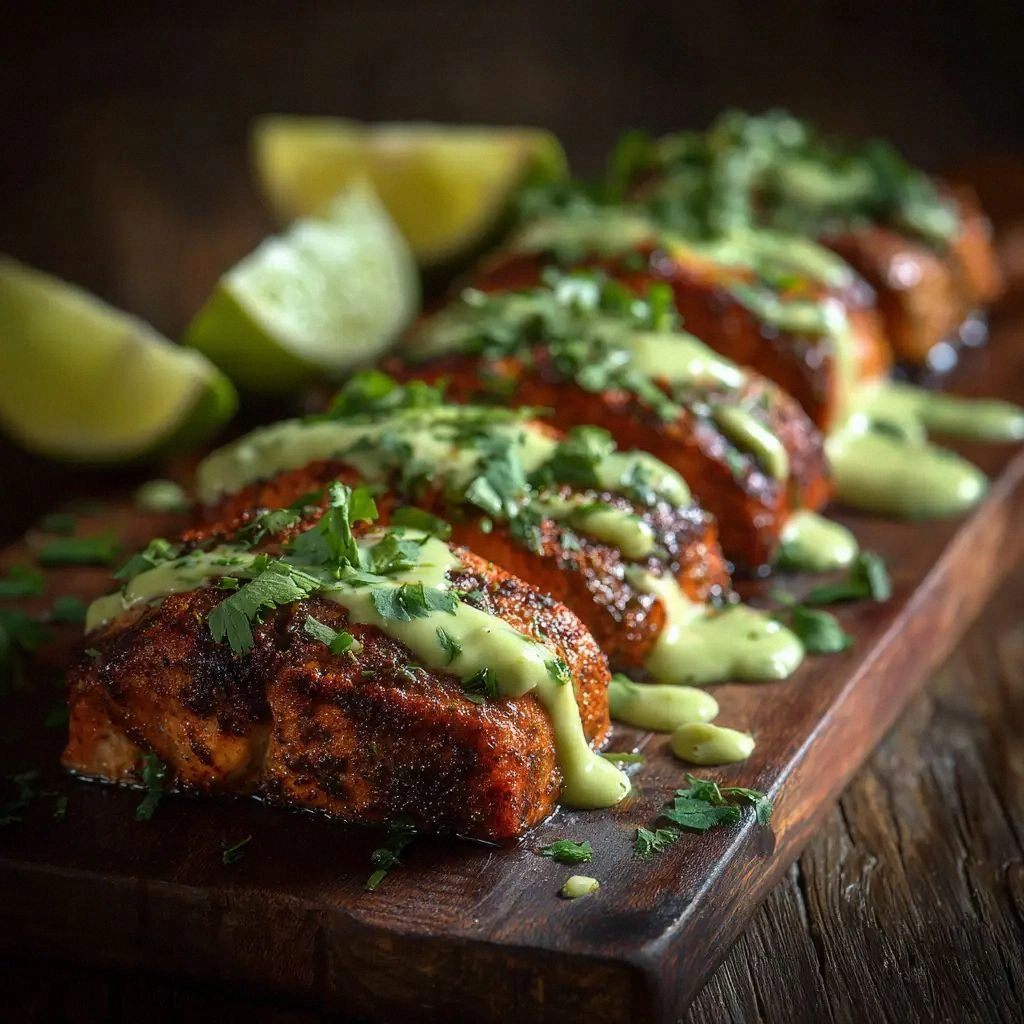
Picture this: you’re halfway through a weeknight dinner, the fridge is a cold, silent abyss, and your craving is a blazing, uncontainable flame. You stare at a handful of 6‑ounce salmon fillets, a jar of smoked paprika, and a butter stick that’s been sitting in the cupboard for a week. You know the recipe you’re about to unleash will make the kitchen smell like a southern barbecue and the taste will make you question every other salmon dish you’ve ever tried. It’s a moment of culinary rebellion, a dare you’re about to accept. I dare you to taste this and not go back for seconds.
When the salmon hits the oven, the first thing you’ll notice is the crackle of the butter melting into a glossy, amber‑gold glaze. The air fills with a smoky, peppery aroma that makes your mouth water before the first bite. The texture is a contrast of tender, flaky interior and a crisp, caramelized crust that shatters like thin ice. The flavor is a bold, spicy chorus that sings with paprika, garlic powder, and a whisper of cayenne. I’ll be honest — I ate half the batch before anyone else got to try it. That’s the power of this dish.
What makes this version stand out is not just the ingredients, but how they’re orchestrated to create a symphony of heat, richness, and freshness. Most recipes get this completely wrong by over‑seasoning or under‑cooking. Here, every element is carefully calibrated to deliver a buttery, spicy, and utterly unforgettable experience. Picture yourself pulling this out of the oven, the whole kitchen smelling incredible, and your guests already asking for seconds. This is hands down the best version you’ll ever make at home. If you’ve ever struggled with salmon, you’re not alone — and I’ve got the fix.
Let me walk you through every single step — by the end, you’ll wonder how you ever made it any other way.
What Makes This Version Stand Out
- Taste: The blend of smoked paprika, garlic powder, and cayenne creates a smoky heat that lingers without overpowering the delicate fish.
- Texture: The butter infusion gives a silky finish, while the oven’s high heat crisps the edges to a golden crunch.
- Simplicity: No fancy sauces or marinades—just a handful of pantry staples and a quick rub.
- Uniqueness: The fresh parsley finish adds a bright counterpoint that lifts the dish into the realm of restaurant‑quality.
- Crowd Reaction: Friends will rave about how “easy” it is and how it tastes like a gourmet meal.
- Ingredient Quality: Using high‑quality salmon and real butter ensures each bite is rich and flavorful.
- Cooking Method: Baking preserves the fish’s moisture while creating a caramelized crust, a technique that many overlook.
- Make‑Ahead Potential: The spice rub can be prepared a day in advance, making this dish a true weeknight hero.
Inside the Ingredient List
The Flavor Base
Smoked paprika and cayenne pepper are the heartbeats of this dish. They provide a smoky depth and a subtle heat that dances on the palate. Skipping them would leave the salmon bland and uninspired. If you’re a heat‑averse foodie, reduce cayenne to a pinch and still enjoy the paprika’s smoky undertone.
The Texture Crew
Unsalted butter is the secret to a silky, buttery finish. It melts into the fish, creating a glossy glaze that locks in moisture. A small amount of butter can make a big difference, so don’t skimp. If you’re dairy‑free, try a tablespoon of olive oil for a lighter version.
The Unexpected Star
Fresh parsley adds a burst of green that cuts through the richness. It’s a finishing touch that brightens the dish and adds a subtle herbal note. If parsley is out of season, a splash of lemon zest can mimic its freshness.
The Final Flourish
Black pepper, salt, garlic powder, onion powder, oregano, and thyme round out the seasoning. They provide balance, depth, and a fragrant aroma that pulls the dish together. If you’re a thyme lover, double the amount for an extra herbal kick.
Everything's prepped? Good. Let's get into the real action...
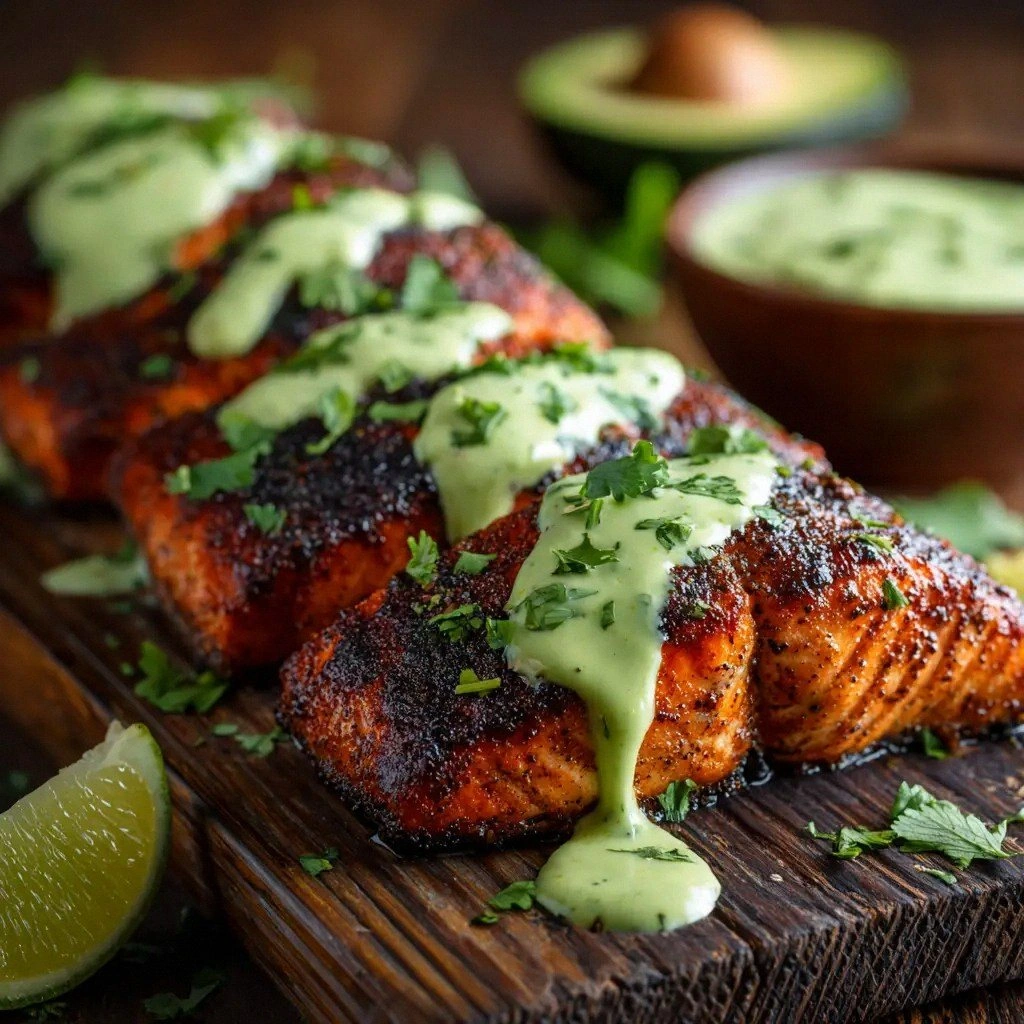
The Method — Step by Step
- Preheat the oven to 425°F (220°C). This high temperature is key to caramelizing the spices and achieving a crisp crust. While the oven heats, line a baking sheet with parchment paper or a silicone mat to prevent sticking. Set a timer for 20 minutes, as the salmon will cook quickly once the heat is on.
- Prepare the spice rub. In a small bowl, combine smoked paprika, garlic powder, onion powder, dried oregano, dried thyme, cayenne pepper, salt, and black pepper. Stir until the mixture is uniform. A well‑mixed rub ensures every bite is seasoned evenly.
- Pat the salmon dry. Use paper towels to remove excess moisture; this helps the rub adhere and prevents the fillets from steaming. While you’re at it, give each fillet a gentle pat of butter, letting the fat melt into the surface. This step is a game‑changer for a buttery finish.
- Apply the rub. Sprinkle the spice mixture generously over each fillet, pressing gently to ensure it sticks. The rub should coat the surface like a thin, flavorful crust. Let the fillets sit at room temperature for 5 minutes to allow the flavors to meld.
- Place the salmon on the baking sheet. Arrange the fillets skin‑side down to keep the flesh moist. If you prefer, you can line the sheet with foil for easier cleanup. This step is crucial for even cooking.
- Bake the salmon. Slide the sheet into the oven and bake for 12–15 minutes, depending on the thickness. The fillets are done when the flesh is opaque and flakes easily with a fork. The edges should be golden and slightly caramelized.
- Finish with parsley. Remove the salmon from the oven and sprinkle freshly chopped parsley over the top. The green garnish adds brightness and a hint of herbal freshness that balances the heat.
- Serve immediately. Plate the fillets on warm dishes to keep them from cooling. Pair them with a side of roasted veggies or a light quinoa salad for a balanced meal. Enjoy the burst of heat and buttery richness with every forkful.
That's it — you did it. But hold on, I've got a few more tricks that'll take this to another level...
Insider Tricks for Flawless Results
The Temperature Rule Nobody Follows
Many cooks think 400°F is enough, but 425°F is the sweet spot for caramelization without drying out the fish. The higher heat creates a beautiful crust while the interior stays moist. If your oven runs hot, lower the temperature by 25°F and extend the cooking time by 2 minutes.
Why Your Nose Knows Best
Smell the salmon as it bakes. A pleasant, smoky aroma means the paprika is doing its job. If you detect a sharp, burnt scent, the fish is overcooked. Trust your nose as your ultimate timer.
The 5-Minute Rest That Changes Everything
Let the salmon rest for 5 minutes after removing it from the oven. This allows the juices to redistribute, keeping the fish moist. A quick rest also lets the spices settle, making each bite more balanced.
Keep the Skin Crispy, Not Chewy
If you prefer crispy skin, lay the fillets skin‑side down and let them bake for an extra 2 minutes. The skin will sizzle and crisp up beautifully, creating a delightful textural contrast.
Use Fresh Butter for a Richer Finish
Unsalted butter is the backbone of this dish. It melts into the fish, creating a silky glaze that locks in moisture. If you’re using salted butter, reduce the added salt by half to avoid a salty finish.
Don’t Skip the Parsley
Fresh parsley isn’t just a garnish; it’s a flavor enhancer. The bright green notes cut through the heat and butter, balancing the dish. If you’re out of parsley, a pinch of dill can offer a similar freshness.
Creative Twists and Variations
This recipe is a playground. Here are some of my favorite ways to switch things up:
Southwestern Kick
Swap cayenne for chipotle powder and add a splash of lime juice before baking. The smoky heat pairs perfectly with citrus, creating a Southwestern vibe.
Herb‑Infused Delight
Replace the oregano and thyme with rosemary and basil. The aromatic herbs give the dish an Italian twist while maintaining the Cajun heat.
Asian Fusion
Use five‑spice powder instead of paprika and finish with a drizzle of soy sauce. The sweet, savory, and spicy notes create a fusion dish that’s both exotic and comforting.
Vegan Version
Swap salmon for thick slices of portobello mushrooms. Brush with olive oil, apply the rub, and bake. The mushrooms absorb the flavors and offer a hearty, plant‑based alternative.
Low‑Carb Pairing
Serve the salmon over a bed of cauliflower rice and top with a dollop of Greek yogurt. The creamy yogurt balances the spice and adds a cool contrast.
Breakfast‑Style
Serve the fillets with a side of scrambled eggs and toast. The combination of protein and carbs makes for a satisfying morning meal.
Storing and Bringing It Back to Life
Fridge Storage
Cool the salmon to room temperature, then refrigerate in an airtight container for up to 2 days. The butter glaze helps keep the fish moist, preventing dryness.
Freezer Friendly
Wrap each fillet individually in parchment paper and place them in a freezer bag. Freeze for up to 2 months. Thaw overnight in the refrigerator before reheating.
Best Reheating Method
Reheat in a preheated 350°F oven for 8–10 minutes, or until warmed through. Add a splash of water before reheating to steam the fish back to its original tenderness.