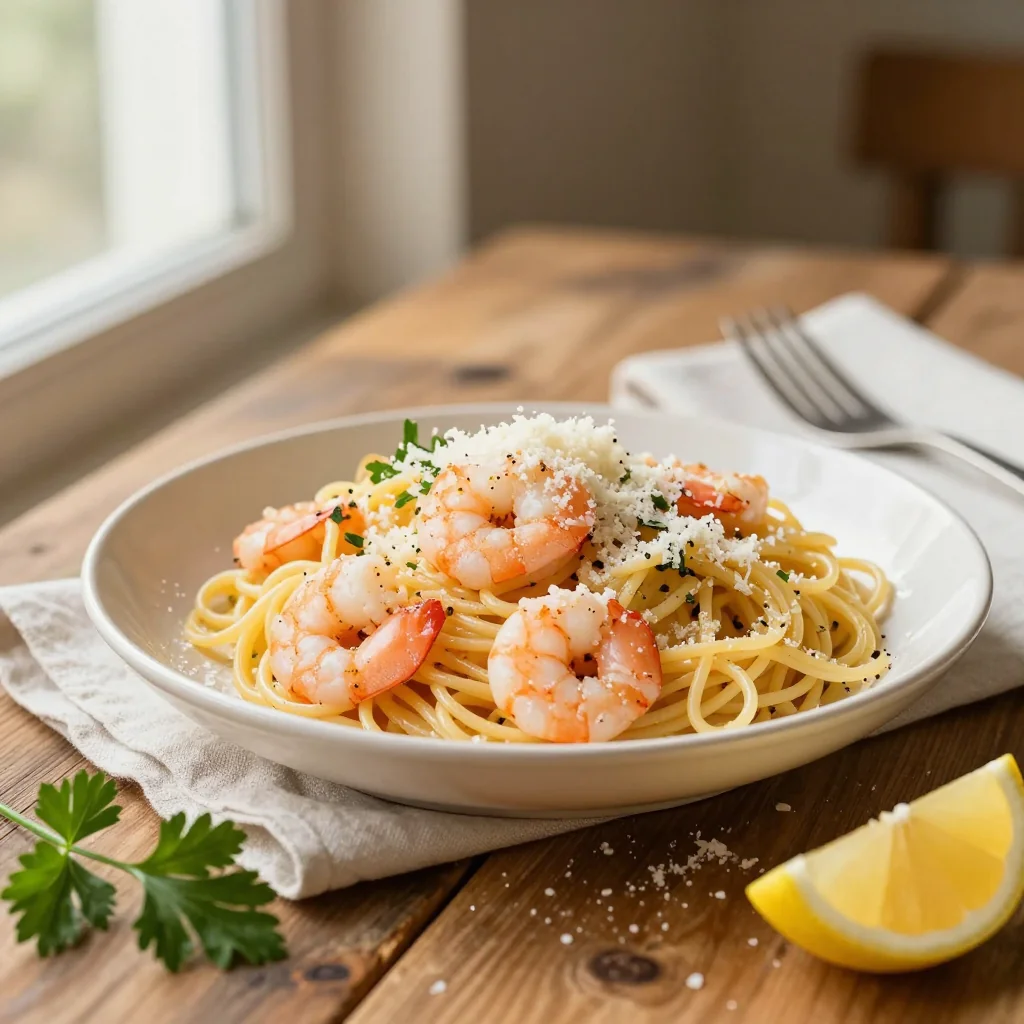
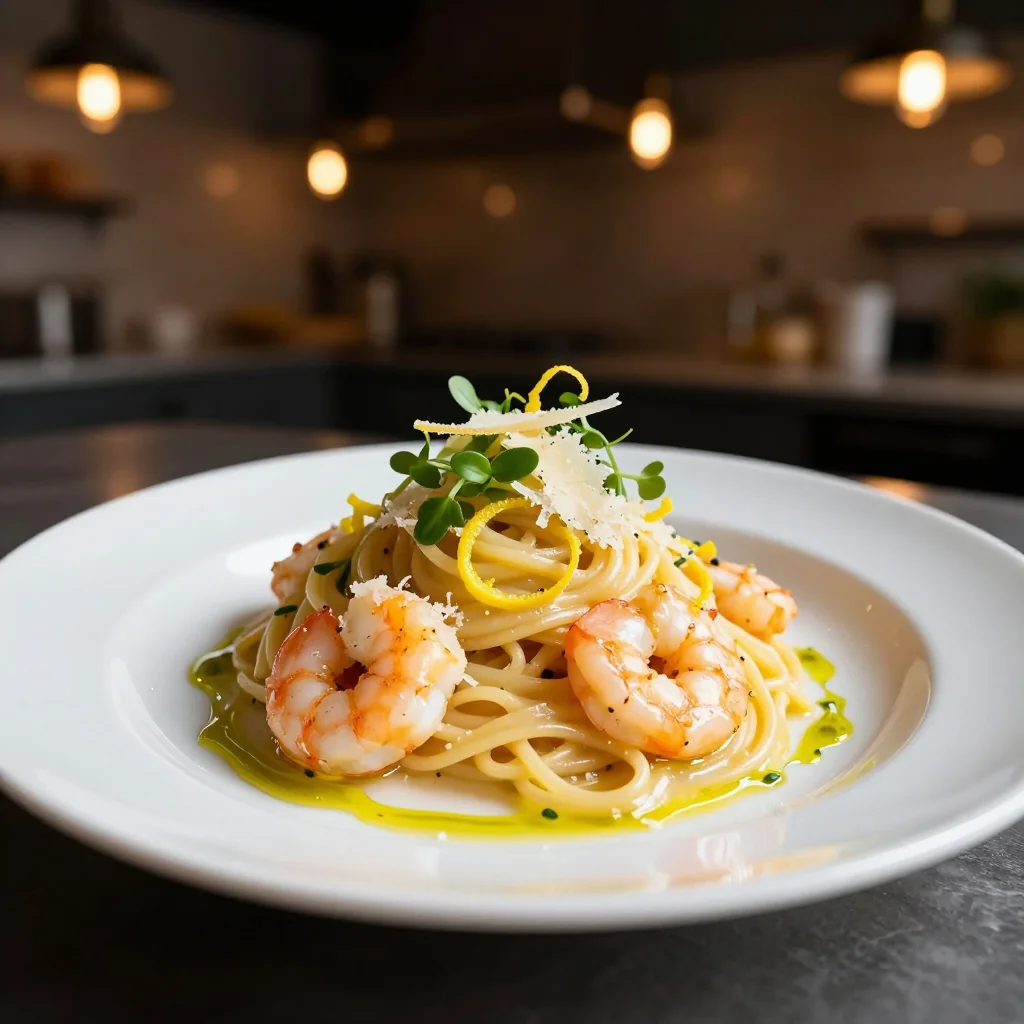
There’s something magical about the first bite of a dish that reminds you of a sun‑kissed Mediterranean evening. I first discovered this lemon‑garlic shrimp pasta while traveling along the Amalfi Coast, where the sea breeze carries the scent of citrus and fresh herbs. The moment the chef tossed al dente spaghetti with a silky Parmesan sauce, a splash of lemon, and plump, pink shrimp, I knew I had found a recipe that could transport anyone to that coastal bliss.
This dish belongs to the heart‑warming family of Italian‑inspired pasta meals that balance richness with brightness. It’s a celebration of simple, high‑quality ingredients—shrimp that melt in your mouth, garlic that adds depth, and lemon that lifts every flavor. Whether you’re cooking for a family dinner or a small gathering of friends, this recipe delivers restaurant‑level elegance without the fuss.
In this guide, I’ll walk you through every step, from selecting the freshest shrimp to mastering the perfect emulsion of Parmesan and cream. You’ll learn how to keep the pasta perfectly coated, how to adjust the sauce’s consistency, and why a pinch of red‑pepper flakes adds just the right hint of heat. By the end, you’ll feel confident creating a dish that looks as stunning as it tastes.
So tie on your apron, preheat your stove, and let’s dive into a culinary adventure that will become a staple in your weekly rotation.
🌟 Why This Recipe Will Captivate You
From the first aroma to the final garnish, this pasta checks every box for a memorable meal.
- ✨ Bright, Fresh Flavors: The combination of lemon zest and juice awakens the palate, cutting through the richness of butter and Parmesan for a perfectly balanced bite.
- ✨ Quick, Weeknight Ready: With a total time under 30 minutes, you can serve a restaurant‑quality dish even after a busy day.
- ✨ Nutrient‑Rich Shrimp: Shrimp provide lean protein, essential omega‑3 fatty acids, and a satisfying texture that pairs beautifully with pasta.
- ✨ Versatile Base: The simple spaghetti foundation can be swapped for linguine, fettuccine, or even gluten‑free pasta, making it adaptable to dietary preferences.
- ✨ Elegant Presentation: A sprinkle of fresh parsley and a dusting of Parmesan create a visual contrast that looks impressive on any table.
- ✨ Budget‑Friendly Luxury: Despite its upscale feel, the ingredients are affordable and often already stocked in a well‑equipped pantry.
🥗 The Ingredients
📝 Complete Ingredient List
For the Pasta:
For the Shrimp:
For the Sauce:
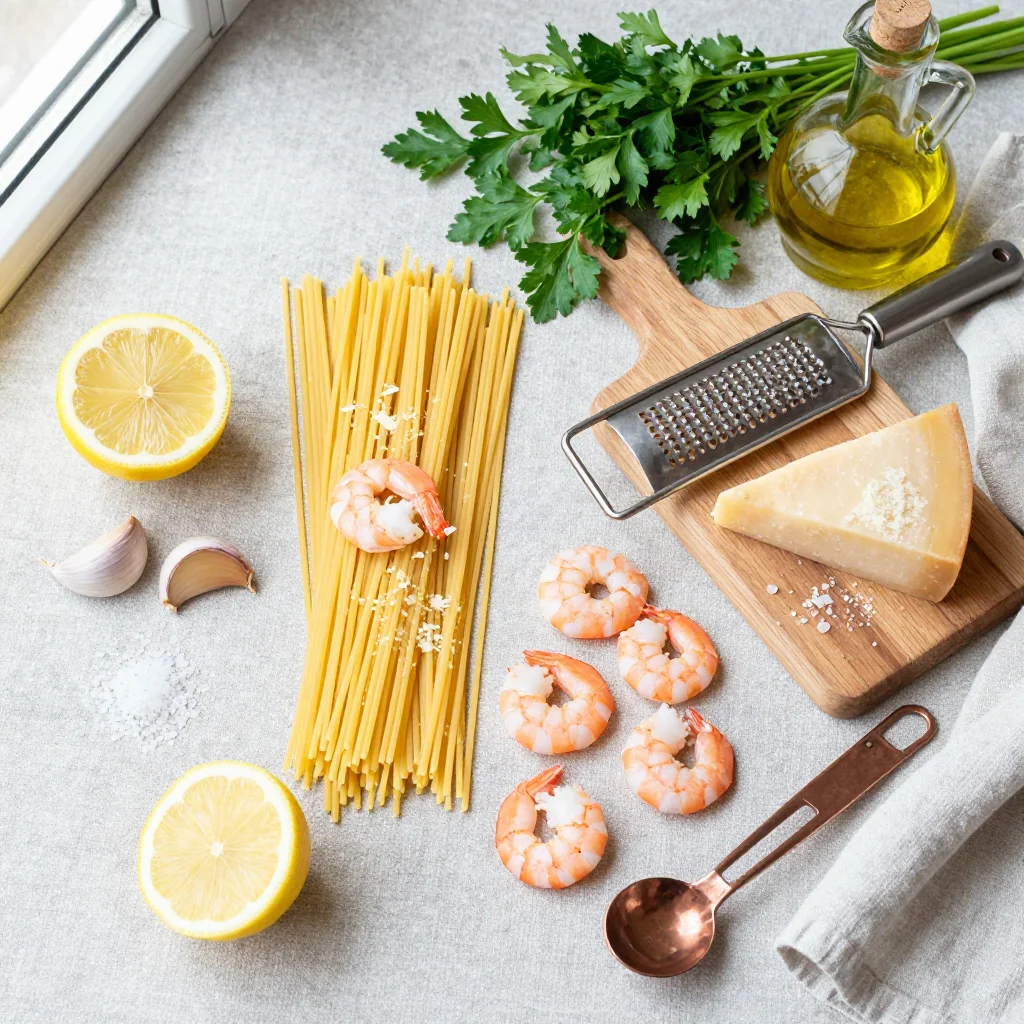
🔍 Focus on Key Ingredients
Shrimp
Choosing the right shrimp makes all the difference. Look for wild‑caught or responsibly farmed shrimp that are firm and slightly translucent. Their natural sweetness pairs perfectly with the citrus notes, while the quick sauté preserves their delicate texture. If you can, buy them frozen and thaw them slowly in the refrigerator to retain moisture.
Lemon
Fresh lemon is the star of this dish. The zest contains essential oils that add a bright, aromatic punch, while the juice provides acidity that cuts through the buttery sauce. Always zest before juicing to avoid bitterness, and use a microplane for fine, fluffy zest that distributes evenly.
Parmesan Cheese
Authentic Parmigiano‑Reggiano brings a nutty depth that elevates the sauce from ordinary to luxurious. Grate it yourself just before cooking to ensure a smooth melt. The cheese also helps thicken the sauce without the need for flour, keeping the dish gluten‑free.
🔄 Quick Substitutions
| If you don’t have… | Use instead… |
|---|---|
| Shrimp | Chicken breast strips |
| Parmesan | Pecorino Romano |
| Heavy cream | Half‑and‑half or Greek yogurt (added off heat) |
👨🍳 Step‑by‑Step Instructions
Follow these detailed steps to create a harmonious blend of flavors and textures. Take your time with each phase, and you’ll be rewarded with a dish that feels both comforting and sophisticated.
📋 Phase 1: Preparation & Mise en Place
Gather and prep all components before you start cooking. This ensures a smooth workflow and prevents overcooking.
Prepare the Pasta
Bring a large pot of water to a rolling boil, add a generous pinch of salt, and then the spaghetti. Stir occasionally to prevent sticking. Cook until al dente—usually 8‑9 minutes, but check the package for exact timing. Reserve 1 cup of the starchy pasta water before draining; this liquid will help bind the sauce later.
Prep the Shrimp and Aromatics
Pat the shrimp dry with paper towels to remove excess moisture—this promotes a quick, caramelized sear. Mince the garlic finely and set aside. Zest the lemon before juicing to avoid any bitter pith. Keep the parsley chopped and ready for the final garnish.
🔥 Phase 2: Cooking & Assembly
Now the flavors start to meld as you sauté and create the sauce.
Sauté Garlic and Shrimp
In a large skillet over medium‑high heat, melt the butter and add the olive oil. Once shimmering, add the minced garlic and red‑pepper flakes, stirring for about 30 seconds until fragrant. Add the shrimp in a single layer, cooking 2‑3 minutes per side until they turn pink and opaque. Remove the shrimp to a plate and set aside, keeping the pan’s flavorful base.
Create the Creamy Lemon‑Parmesan Sauce
Reduce the heat to medium. Pour the heavy cream into the skillet, scraping any browned bits from the bottom. Stir in the grated Parmesan, letting it melt slowly. Add the lemon zest and juice, then season with salt and pepper. If the sauce appears too thick, whisk in a splash of the reserved pasta water until you reach a silky, coat‑the‑pasta consistency.
Combine Pasta, Shrimp, and Sauce
Add the drained spaghetti directly into the skillet, tossing to coat each strand with the sauce. Return the shrimp to the pan, sprinkle the chopped parsley, and give everything a gentle toss. The pasta should glisten, and the shrimp should be evenly distributed.
✨ Phase 3: Finishing & Plating
Final touches bring the dish to perfection.
Check Seasoning
Give the pasta a quick taste. Adjust salt, pepper, or a squeeze of extra lemon juice if you desire more brightness. The sauce should be balanced—rich yet tangy.
Plate and Garnish
Using tongs, twirl a generous portion onto each plate. Drizzle any remaining sauce from the pan over the top. Finish with a final sprinkle of Parmesan, a few extra parsley leaves, and a light grind of black pepper.
Serve Immediately
Serve the pasta hot, accompanied by a slice of crusty bread to mop up any lingering sauce. Pair with a crisp white wine or a sparkling water infused with lemon for a refreshing contrast.
💡 Expert Tips & Tricks
🛒 Choosing the Right Ingredients
When selecting shrimp, opt for those labeled “wild‑caught” or “sustainably farmed.” They should be firm, slightly translucent, and emit a faint briny scent. Avoid shrimp that look dull or have a strong fishy odor. For lemons, pick ones that feel heavy for their size and have a glossy, unblemished skin—these contain more juice and zest. Finally, always buy a block of Parmesan and grate it yourself; pre‑grated varieties often contain anti‑caking agents that affect texture.
🔪 Preparation Techniques
Patting shrimp dry is crucial for a good sear; moisture creates steam and prevents browning. Mince garlic finely to release its essential oils without overwhelming the dish. When zesting, use a microplane to avoid the bitter white pith. Keep all ingredients within arm’s reach (mise en place) so you can move quickly, especially during the high‑heat sauté.
🌡️ Mastering the Cooking
Maintain medium‑high heat when sautéing the garlic and shrimp to achieve a light caramelization without burning. If the pan starts to smoke, lower the heat briefly. Adding the pasta water gradually helps the sauce emulsify, creating a glossy coating rather than a clumpy texture. Remember, the sauce continues to thicken as it sits, so aim for a slightly looser consistency before plating.
🍽️ Presentation & Service
Twirl the pasta using tongs and a serving spoon to create a neat nest on each plate. Garnish with a bright green parsley leaf and a light dusting of extra Parmesan for visual contrast. Serve on a warm plate to keep the pasta hot longer, and place a lemon wedge on the side for guests who enjoy an extra citrus punch.
🏆 Pro Tips
Understanding the science behind each step transforms a good dish into a spectacular one.
- 🎯 Control the Emulsion: The secret to a silky sauce lies in the starch from the pasta water. Adding it slowly while whisking creates a stable emulsion, preventing the sauce from separating. This technique is used by professional chefs to achieve restaurant‑level textures.
- 🎯 Use a Cold Butter Finish: Adding a small knob of cold butter at the end of cooking enriches the sauce, giving it a glossy sheen and a velvety mouthfeel. The butter emulsifies with the cream and cheese, rounding out any sharp acidity.
- 🎯 Timing the Shrimp: Shrimp cook in seconds. Remove them from the pan the moment they turn pink and opaque, then finish cooking in the sauce’s residual heat. This prevents overcooking and preserves their delicate sweetness.
- 🎯 Layer Flavors: Start with garlic and red‑pepper flakes for heat, then add lemon zest for aroma, and finish with lemon juice for bright acidity. Each layer builds complexity without overwhelming the palate.
- 🎯 Adjusting Salt Wisely: Salt the pasta water heavily; it seasons the noodles from the inside out. Taste the sauce before adding extra salt, as the Parmesan already contributes a salty depth.
- 🎯 Keep It Fresh: Serve immediately after plating. The sauce will thicken as it cools, and the lemon’s bright notes can dull over time. If you need to hold the dish, keep it warm (not hot) and add a splash of extra pasta water before serving.
"Cooking is about balance—between heat and cool, acid and fat, simplicity and complexity." — Massimo Bottura
🔄 Variations & Adaptations
This recipe is a versatile canvas. Feel free to tweak it to suit your dietary needs or flavor cravings.
🥬 Vegetarian/Vegan Version
Swap the shrimp for 250 g of sliced king oyster mushrooms, which have a meaty texture. Replace butter with olive oil and use a plant‑based cream (such as cashew cream) along with nutritional yeast instead of Parmesan for a vegan-friendly sauce.
- Replace shrimp with 250 g king oyster mushrooms, sliced and sautéed.
- Use ¼ cup cashew cream and ½ cup nutritional yeast for a cheesy, dairy‑free alternative.
🌶️ Flavor Variations
Play with additional herbs, spices, or regional ingredients to create new taste profiles.
Spicy Version:
Increase red‑pepper flakes to ½ tsp and add a drizzle of sriracha after plating. Finish with a pinch of smoked paprika for a subtle smoky heat.
Mediterranean Version:
Stir in ¼ cup chopped sun‑dried tomatoes and a handful of Kalamata olives. Sprinkle with crumbled feta and a dash of oregano for a Greek twist.
Asian Fusion Version:
Replace lemon juice with 2 tbsp rice vinegar and add 1 tsp toasted sesame oil. Top with sliced green onions, toasted sesame seeds, and a splash of soy sauce for umami depth.
⚠️ Dietary Adaptations
Gluten‑Free:
Swap regular spaghetti for 400 g of gluten‑free pasta made from rice or corn. Follow the package instructions for cooking time, as gluten‑free pasta can become mushy if overcooked.
Lactose‑Free:
Use lactose‑free butter and a dairy‑free cheese such as grated Pecorino Romano or a plant‑based Parmesan. Substitute heavy cream with coconut cream (light) for a subtle tropical note.
Low‑Calorie:
Reduce butter to ½ tbsp, use low‑fat milk instead of heavy cream, and increase the amount of vegetables (like zucchini ribbons) to add volume without extra calories.
👶 Family/Kids Version
Kids often prefer milder flavors. Omit the red‑pepper flakes, use a smaller amount of lemon juice, and add a handful of sweet peas for a pop of color and natural sweetness. Serve with a side of garlic‑buttered bread to keep them satisfied.
📦 Storage & Reheating
🧊 Conservation
In the Refrigerator:
- Duration: 3 days
- Recommended container: airtight glass or BPA‑free plastic container
- Tip: Store the sauce separately from the pasta to prevent sogginess.
In the Freezer:
- Duration: 1 month
- Method: Cool completely, portion into freezer‑safe bags, remove excess air.
- Defrosting: Thaw overnight in the refrigerator, then gently reheat in a skillet with a splash of broth.
💡 For best texture, reheat only the sauce and shrimp, then toss with freshly cooked pasta.
♨️ Reheating
🔥 In the Oven (Recommended):
- Preheat to 180 °C (350 °F).
- Cover the dish with foil to retain moisture.
- Heat for 12‑15 minutes.
- Remove foil, stir, and heat an additional 3‑5 minutes to crisp the top slightly.
⚡ In the Microwave (Quick):
- Place a portion in a microwave‑safe bowl, cover loosely.
- Heat on medium power for 1 minute, stir.
- Continue heating in 30‑second bursts, stirring each time, until hot.
🍳 On the Stovetop:
Heat a skillet over medium heat, add a splash of water or broth, and gently stir the leftovers until warmed through. This method preserves the sauce’s creaminess.
🍷 Perfect Pairings
🥗 Side Dish
- Arugula Lemon Salad: Peppery arugula tossed with olive oil, lemon juice, shaved Parmesan, and toasted pine nuts complements the citrus notes of the pasta.
- Roasted Asparagus: Lightly seasoned with sea salt and a drizzle of lemon‑infused olive oil, it adds a crisp texture.
- Garlic Bread: Crunchy, buttery bread perfect for soaking up any remaining sauce.
🍷 Wine & Drink
- Verdicchio: This Italian white offers bright acidity and subtle almond notes that echo the lemon.
- Pinot Grigio: Light and crisp, it balances the richness of the Parmesan sauce.
- Non‑Alcoholic: Sparkling water with a slice of lemon and a sprig of mint keeps the palate refreshed.
🍰 To Complete the Meal
Start with a simple caprese salad, follow with this pasta as the main, and finish with a lemon‑olive oil cake—light, moist, and subtly sweet. The dessert’s citrus echo ties the entire menu together beautifully.
❓ Frequently Asked Questions
Q: Can I use frozen shrimp instead of fresh?
A: Absolutely. Thaw frozen shrimp overnight in the refrigerator, then pat them dry before cooking. If you’re short on time, place them in a sealed bag and submerge in cold water for 15‑20 minutes. Avoid using the microwave, as it can partially cook the shrimp and affect texture.
Q: How do I prevent the sauce from curdling?
A: Keep the heat at medium or lower once the cream and cheese are added. Stir constantly and incorporate the reserved pasta water gradually. Adding a knob of cold butter at the end also stabilizes the emulsion, giving the sauce a smooth finish.
Q: What if I don’t have heavy cream?
A: You can substitute with half‑and‑half, whole milk, or a dairy‑free alternative like oat or almond cream. If using a thinner liquid, increase the amount of Parmesan slightly and add a bit more pasta water to achieve the desired thickness.
Q: My pasta turned out sticky—what went wrong?
A: Overcooking or not stirring the pasta during the first few minutes can cause starches to clump. Always use plenty of salted water, stir occasionally, and rinse briefly with warm water only if you plan to toss it later with a cold sauce (not the case here). The reserved pasta water helps loosen any excess starch.
Q: Can I add vegetables to this recipe?
A: Yes! Sautéed zucchini ribbons, cherry tomatoes, or baby spinach can be added after the shrimp is cooked. They add color, nutrition, and a pleasant bite without overwhelming the delicate lemon‑garlic flavor.
Q: How far in advance can I prep the ingredients?
A: The shrimp can be seasoned and kept in the refrigerator for up to 2 hours before cooking. Lemon zest and juice are best added fresh, but you can zest the lemon a few hours ahead and store it in an airtight container. Grated Parmesan can be prepared a day ahead and kept chilled.
🎉 Let’s Get Cooking!
This Lemon Garlic Pasta with Shrimp and Parmesan is a perfect marriage of bright citrus, buttery richness, and succulent seafood. It’s quick enough for a weekday dinner yet elegant enough to impress guests. Remember the key points: use fresh ingredients, respect the timing of the shrimp, and finish the sauce with a splash of pasta water for that silky coat.
If you try the recipe, please share your photos and experiences in the comments below. Your feedback helps the community grow, and I love seeing how you make the dish your own!
Have you tried this recipe?
Leave a comment and rating below! Share your photos on Instagram with #LemonGarlicPasta for a chance to be featured.
Lemon Garlic Pasta with Shrimp and Parmesan
A bright, buttery pasta that blends succulent shrimp, fresh lemon, and creamy Parmesan for a quick, elegant meal.
📝 Ingredients
Pasta
Shrimp
Sauce
👨🍳 Instructions
- 1 Bring a large pot of salted water to boil, add spaghetti, and cook al dente, reserving 1 cup of pasta water.
- 2 Pat shrimp dry, mince garlic, zest and juice lemon, and set parsley aside.
- 3 Melt butter with olive oil in a skillet, sauté garlic and red‑pepper flakes until fragrant, then add shrimp and cook until pink.
- 4 Reduce heat, stir in heavy cream, Parmesan, lemon zest, and juice; thin with pasta water as needed.
- 5 Toss cooked spaghetti into the sauce, add shrimp back, and sprinkle parsley.
- 6 Taste and adjust seasoning with salt, pepper, or extra lemon juice.
- 7 Plate the pasta, garnish with additional Parmesan and parsley, and serve immediately.
- 8 Optional: drizzle a little extra‑virgin olive oil and a squeeze of lemon before serving.
- 9 Pair with a crisp white wine or sparkling water with lemon.
- 10 Enjoy and share your creation on social media with #LemonGarlicPasta!
🥗 Nutritional Information (per serving)
*Values are estimates based on standard ingredient measurements.
📚 You Might Also Like
Garlic Butter Scampi with Linguine
Creamy Pesto Pasta with Sun‑Dried Tomatoes
Spicy Chili Shrimp Pasta