Love this? Pin it for later! 📌
I still remember the first January I spent away from home after college. The holidays had been a whirlwind of sugar cookies, champagne toasts, and late-night cheese boards, and by the time the calendar flipped I felt like a walking, talking sugar crash. My jeans were tight, my skin was dull, and my energy had flat-lined somewhere between New Year’s Eve confetti and the dreaded 3 p.m. slump. I called my mom, half complaining, half hoping for sympathy, and instead she said, “Honey, make yourself a big pot of vegetable broth and drink it like it’s your job.” I rolled my eyes—moms, right?—but I was desperate. So I trudged to the farmers’ market, arms full of kale stems, fennel fronds, and knobby celery root, and simmered my first cleansing broth. The smell alone felt like a detox: green, bright, slightly sweet, and reassuringly clean. By day three I was sipping it from a mug every morning in place of coffee, and by day seven my skin had that post-vacation glow, my cravings had quieted, and I finally understood why every culture around the world starts the new year with a restorative tonic. That humble broth became my annual reset button, and now, a decade later, it’s the most requested recipe in my January newsletter. Friends text me selfies clutching mason jars of the amber liquid, hashtags #broththerapy and #newyearnewgut. I love that something so simple—essentially vegetables taking a hot bath—can feel downright luxurious when seasoned with intention. Whether you’re recovering from a month of peppermint bark or simply want to hydrate like you mean it, this cleansing vegetable broth is the culinary equivalent of pressing “refresh.”
Why This Recipe Works
- Mineral-rich seaweed adds natural umami and replaces electrolytes without a single granule of added salt.
- Slow 90-minute simmer extracts maximum flavor and antioxidants while keeping the color jewel-bright.
- Zero waste: save your carrot peels, onion skins, and herb stems in a freezer bag during holiday cooking, then dump them in—no chopping required.
- Anti-inflammatory boosters like fresh turmeric and black pepper reduce bloat and joint stiffness after heavy holiday fare.
- Flexible flavor profile means you can sip it straight, use it as soup base, or swap in whatever vegetables are languishing in the crisper.
- Batch-friendly: double or triple the recipe, freeze in 1-cup silicone molds, and pop out a cube anytime you need an instant wellness shot.
- Kid-approved mild sweetness from parsnip and apple slices keeps it approachable for the whole family—no grimacing, promise.
Ingredients You'll Need
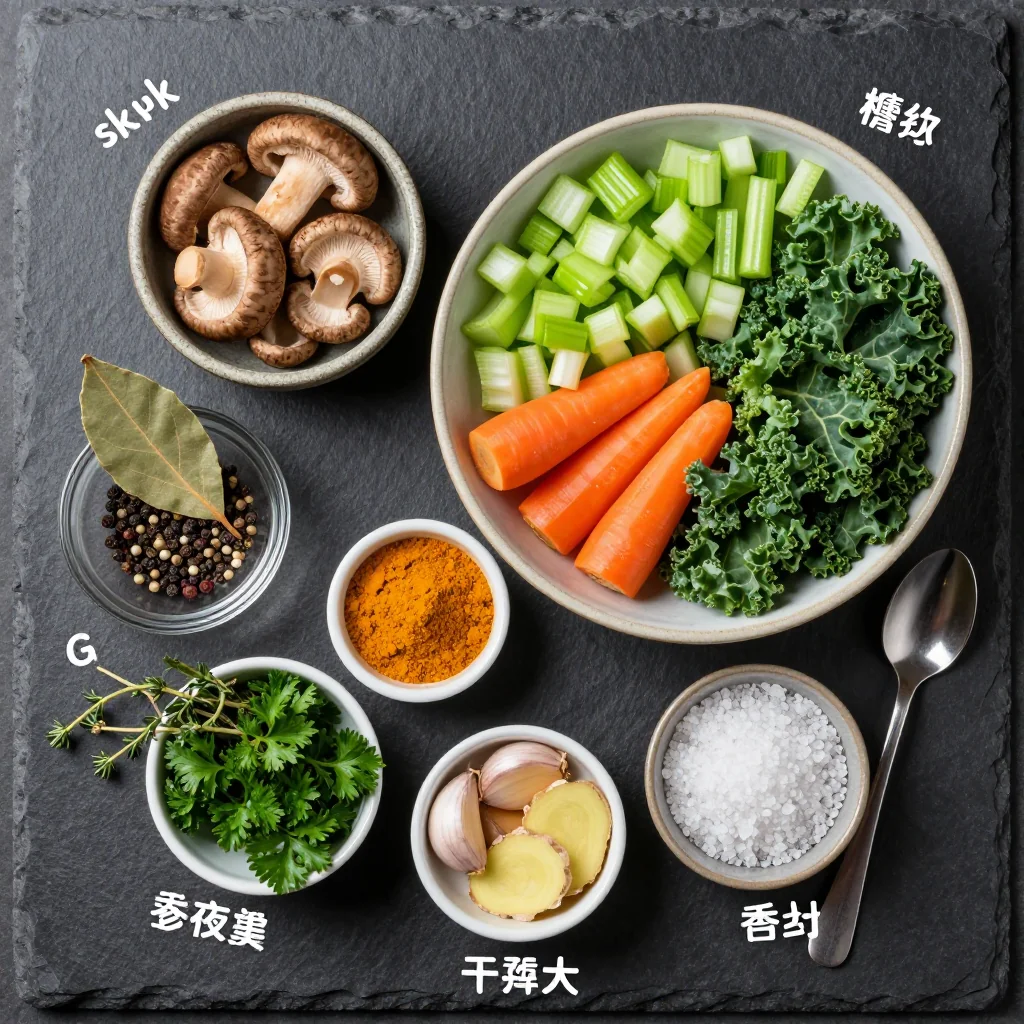
Think of this ingredient list as a gentle suggestion rather than a strict syllabus. The magic lies in the ratio of alliums (onion family) to roots to leafy tops to aromatics. Aim for roughly 40% roots, 30% alliums, 20% greens, and 10% magic-makers like seaweed or spice.
Filtered water is non-negotiable—chlorine in tap water can dull flavors and your detox glow. I keep a countertop Berkey and swear the broth tastes sweeter.
Organic carrots bring beta-carotene and natural sweetness. If you can only find conventional, peel them; otherwise, give them a good scrub and leave the skin on for extra earthiness.
Celery, including the leaves, supplies natural sodium so you can keep the shaker in the cupboard. Look for firm stalks that snap, not bend.
Leeks add a delicate onion perfume and are notoriously sandy; slice them lengthwise and swirl in a bowl of cold water, letting grit sink to the bottom.
Fennel bulb plus feathery fronds impart a subtle licorice note that aids digestion. No fennel? Use the bottom two inches of a bok-choy head for a similar mellow sweetness.
Parsnip is the secret to a rounded, almost creamy body. Choose small-to-medium specimens; the giant woody ones have a tough core.
Fresh turmeric stains like a toddler with markers, so wear gloves and embrace the golden hue on your wooden spoon as a badge of honor. Dried turmeric works in a pinch—use one-third the amount.
Kombu (dried kelp) is your stealth mineral bomb. Find it in the Asian aisle or online; one 4-inch strip infuses the broth with iodine, magnesium, and that elusive fifth taste, umami.
Apple might sound odd, but it balances bitterness and adds pectin, which gives the broth a silky mouthfeel. Any variety works; I like the tart snap of Granny Smith.
Black peppercorns turbo-charge turmeric’s curcumin absorption by up to 2,000 percent. Freshly cracked is ideal, but whole corns simmered gently will do.
Fresh herbs: parsley stems, cilantro stalks, dill fronds, or a lonely bay leaf languishing in the pantry—use what you have. Stash extras in a labeled freezer bag for future broths.
How to Make New Year Detox Cleansing Vegetable Broth
Roast the aromatics (optional but transformative)
Preheat oven to 425 °F (220 °C). Halve onions, quarter carrots lengthwise, and cut fennel into thick wedges. Toss with a teaspoon of avocado oil—just enough to kiss the vegetables, not drown them. Spread on a parchment-lined sheet and roast 20 minutes until edges caramelize. This extra step deepens flavor and lends a gorgeous amber tint to your broth. Short on time? Skip ahead; the broth will still outshine anything boxed.
Load the pot
Transfer roasted (or raw) vegetables to a heavy 8-quart stockpot. Add celery, leeks, parsnip, apple, kombu, peppercorns, turmeric, and any herb stems. Cover with 10 cups cold filtered water, leaving two inches at the top so the broth can bubble merrily without boiling over.
Bring to a tremble, not a tornado
Place pot over medium heat and bring to 180 °F (82 °C)—you’ll see tiny bubbles dotting the surface like champagne. Reduce heat to low, partially cover with lid ajar, and maintain that whisper-quiet simmer for 90 minutes. Resist cranking the heat; a rolling boil will emulsify impurities and cloud your golden elixir.
Scum patrol
During the first 20 minutes, skim off any gray foam with a fine mesh ladle. Don’t obsess—just a quick pass keeps flavors pristine. Pro tip: rinse the ladle in a bowl of warm water so you’re not reintroducing scum.
The final 10-minute bouquet
Toss in tender herbs like parsley or cilantro leaves during the last 10 minutes. Their volatile oils survive just long enough to perfume the broth without turning swampy.
Strain like a sommelier
Remove from heat and let steep 5 minutes to settle. Line a large colander with cheesecloth or a nut-milk bag and set over a heat-proof bowl. Ladle broth gently; avoid pressing vegetables, which can muddy clarity. For ultra-luxe liquid, strain twice.
Cool quickly for safety
Fill a clean sink with ice water halfway up the bowl’s sides. Stir occasionally to release steam. Rapid cooling prevents bacterial growth and preserves vivid color.
Season the finish, not the start
Taste once cooled. If desired, add a pinch flaky sea salt or a splash coconut aminos. Remember you may reduce it later for risotto, so err on the side of subtle.
Portion & freeze
Ladle into 1-cup silicone muffin trays and freeze solid. Pop out the puck-shaped portions and store in a labeled zip bag for up to 3 months. Instant single servings whenever the holiday cookies come calling.
Expert Tips
Overnight slow cooker hack
Dump everything in before bed, set to LOW for 8 hours, wake to house-perfuming broth. Reduce on HIGH with lid off the last 30 minutes for concentration.
Umami amplifier
Add a dried shiitake cap or a teaspoon of white miso paste during the last 5 minutes for extra depth without cloudiness.
Color guard
Stir in a handful of fresh spinach at the very end for emerald-green broth worthy of Instagram stories.
Savings strategy
Ask your produce manager for carrot tops, fennel fronds, and onion peels—many will give them free, reducing kitchen waste and your grocery bill.
Temperature sweet spot
Clip a candy thermometer to the pot; adjust burner so liquid hovers between 180–190 °F. Above 200 °F and vegetables release bitter alkaloids.
Sip smart
Warm broth to precisely 140 °F—hot enough to feel comforting, cool enough to chug without burning taste buds, maximizing hydration.
Variations to Try
- Asian Zen: swap fennel for a 2-inch knob of ginger and add a stalk of lemongrass, bruised with the back of a knife. Finish with lime zest.
- Moroccan Sunshine: include a strip of orange peel, a cinnamon stick, and a pinch saffron. Strain and stir in harissa for a spicy sipping version.
- Forest Blend: add a handful of cleaned mushroom trimmings (button, cremini, or shiitake) and a sprig of rosemary. Smells like a winter hike in the Alps.
- Metabolic Boost: include a halved jalapeño and a ½ teaspoon cumin seeds. Studies show capsaicin can modestly raise metabolic rate—plus it wakes up your palate.
- Beet Boost: replace apple with a small beet for magenta broth that screams antioxidants. Great over quinoa bowls for color pop.
Storage Tips
Refrigerator: cool broth completely, transfer to airtight glass jars, and refrigerate up to 5 days. Leave 1 inch headspace if freezing in jars to prevent cracking.
Freezer: for recipe-ready portions, freeze in 1-cup silicone muffin trays, then pop out pucks into a labeled zip bag. Keeps 3 months at 0 °F.
Concentrate: simmer finished broth uncovered until reduced by half; cool and freeze in ice-cube trays. One cube plus ¾ cup hot water equals one cup broth—perfect for deglazing pans or instant sipping.
Leftover pulp: compost is obvious, but you can also blitz the strained vegetables with a splash of broth for a fiber-rich dog-food topper (skip onions) or mix into veggie burgers.
Frequently Asked Questions
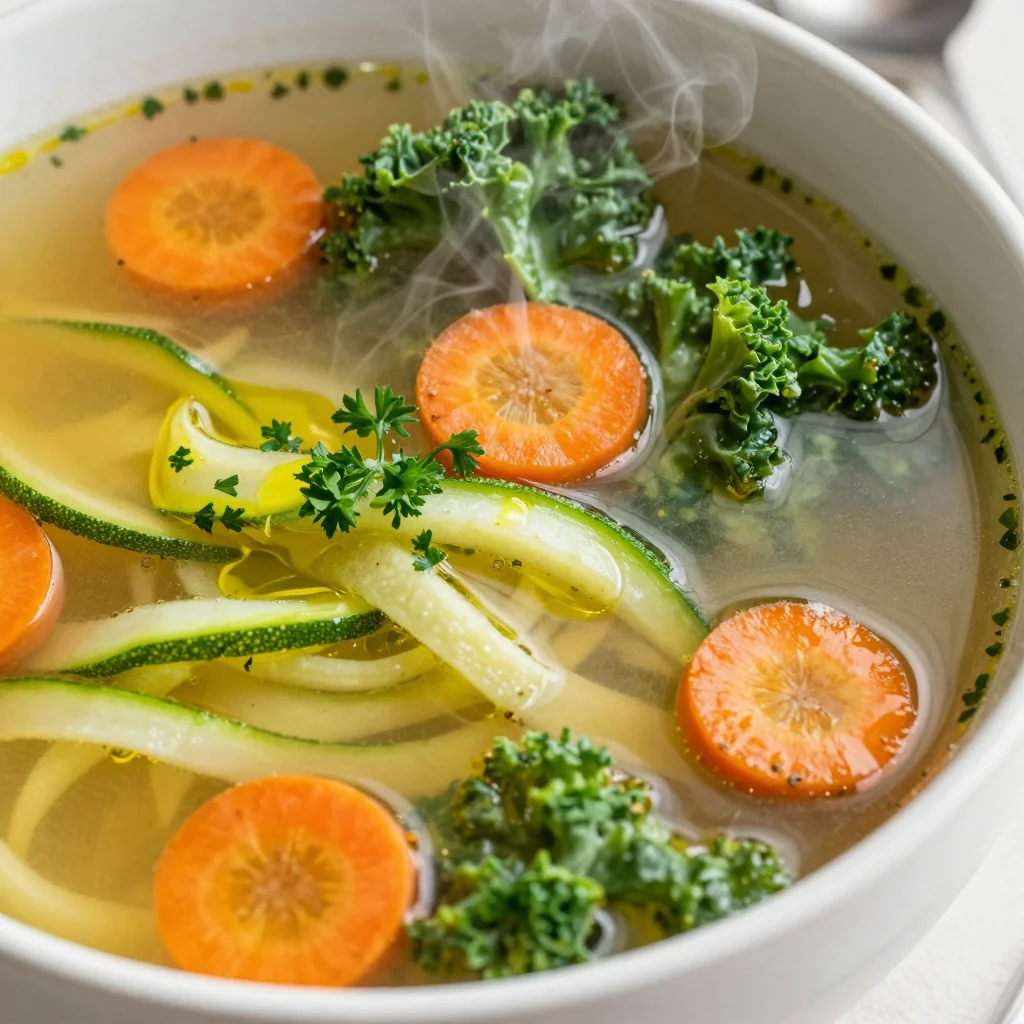
New Year Detox Cleansing Vegetable Broth
Ingredients
Instructions
- Roast (optional): Preheat oven to 425 °F. Lightly oil onion, carrots, and fennel; roast 20 min until browned.
- Simmer: Transfer all vegetables, kombu, turmeric, and peppercorns to stockpot. Cover with water, bring to 180 °F, maintain gentle simmer 90 min.
- Skim: Remove foam that rises during first 20 min.
- Herbs: Add fennel fronds and leafy herbs during last 10 min.
- Strain: Let rest 5 min, then strain through cheesecloth-lined colander into bowl. Do not press solids.
- Cool & store: Chill in ice bath, refrigerate 5 days or freeze 3 months.
Recipe Notes
For sipping straight, reheat gently to 140 °F. To use as soup base, reduce by half for richer flavor. Always cool quickly and avoid boiling after straining to keep color bright.