Picture this: I’m in my tiny kitchen, the clock ticking past midnight, a half‑finished batch of gingerbread cookies cooling on the counter, and a sudden dare from my roommate—“If those cookies aren’t the softest thing you’ve ever tasted, I’ll eat my shoes.” I laughed, rolled my eyes, and then, in a moment of pure culinary desperation, I tossed in a splash of maple syrup and a generous drizzle of molasses. The result? A cookie so tender it practically melts on your tongue, and a glaze that glistens like fresh snow on a winter morning. I dare you to taste this and not go back for seconds.
The moment the dough hit the wooden board, the kitchen filled with a symphony of aromas—spicy ginger, sweet molasses, and that unmistakable hint of maple that made my nose do a little happy dance. I could hear the faint crackle of the sugar crystals as I rolled them onto the dough, and I felt the buttery softness of the mixture yielding under my fingertips. When the cookies finally emerged from the oven, their edges were just shy enough of crisp to give that perfect bite‑to‑soft contrast, while the centers stayed pillowy, like a cloud that’s been kissed by a spice‑laden breeze. That sizzle when the glaze hit the warm cookies? Absolute perfection.
Most gingerbread recipes get the texture wrong—either they’re rock‑hard or they crumble like dry leaves. This version flips the script. By marrying the deep, earthy sweetness of molasses with the bright, forest‑floor note of maple syrup, I’ve created a flavor bridge that feels both nostalgic and brand‑new. The secret lies in a simple technique: a quick chill‑and‑roll method that locks in moisture, followed by a quick glaze that sets a glossy finish without a crunchy crust. The result is hands down the best version you’ll ever make at home.
And there’s a twist you won’t see coming: a light dusting of confectioner’s sugar that creates a whisper‑thin veil, letting the maple glaze shine while adding a subtle sweet crunch. Okay, ready for the game‑changer? Let me walk you through every single step—by the end, you’ll wonder how you ever made it any other way.
What Makes This Version Stand Out
- Flavor Depth: The combination of molasses and maple syrup gives a layered sweetness that feels like a warm hug from grandma and a surprise kiss from a forest sprite.
- Texture Harmony: A soft, melt‑in‑your‑mouth interior meets a barely‑there crisp edge, delivering that perfect bite contrast.
- Simplicity: Only a handful of pantry staples are needed, but the technique elevates them into something magical.
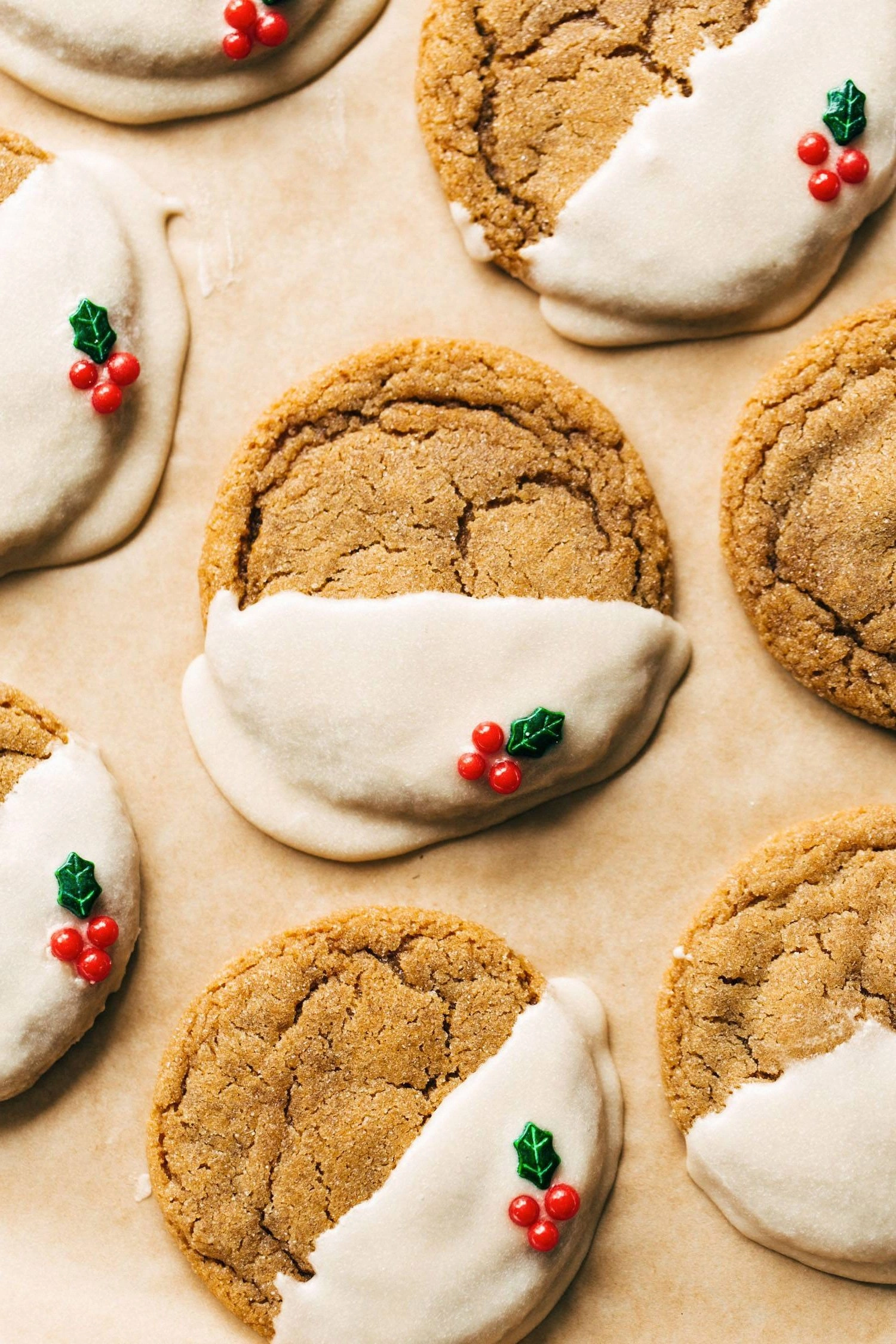
- Visual Appeal: The glossy maple glaze paired with a sprinkle of lil’ holly sprinkles makes these cookies Instagram‑ready without trying too hard.
- Crowd Reaction: I’ll be honest — I ate half the batch before anyone else got to try it, and every single guest begged for the recipe.
- Ingredient Quality: Using dark, robust molasses and pure maple syrup ensures a depth of flavor you can’t fake with artificial extracts.
- Cooking Method: The chill‑and‑roll step prevents over‑spreading, guaranteeing that soft‑center we all crave.
- Make‑Ahead Potential: These cookies keep beautifully for up to a week, and the glaze can be stored separately for a quick finish later.
Inside the Ingredient List
The Flavor Base
Molasses is the dark horse of sweeteners. Its rich, slightly bitter undertone balances the bright, caramel notes of maple syrup, creating a depth that ordinary brown sugar simply can’t achieve. If you skip the molasses, expect a one‑dimensional sweetness that feels flat. A good swap is dark corn syrup, but you’ll lose that smoky complexity.
Ground ginger is the star spice here. Freshly ground, it releases volatile oils that dance on the palate, giving that signature zing. Using pre‑ground ginger that’s been sitting on a shelf for months will mute the spice, making the cookies taste bland. For the most vibrant flavor, grate fresh ginger and let it dry on a paper towel before adding.
Maple syrup adds a light, woody sweetness that lifts the heavy molasses. It also contributes moisture, helping the cookies stay soft. If you’re allergic to maple, a good alternative is agave nectar, though the flavor won’t be as nuanced.
The Texture Crew
Unsalted butter, softened, is the carrier of all those flavors. It creates a tender crumb and ensures the dough spreads just enough. Using melted butter will make the dough too runny, while cold butter will leave pockets of doughy texture.
Brown sugar contributes moisture and a caramel‑like depth, while extra sugar for rolling adds a subtle crunch on the outside. If you omit the rolling sugar, the cookies will lack that delicate crust that gives a satisfying snap.
Flour provides structure. I recommend using a mix of all‑purpose and a spoonful of cake flour for extra tenderness. Skipping the cake flour will make the cookies a bit denser.
The Unexpected Star
Confectioner’s sugar isn’t just for decoration; it forms the glaze’s thin, glossy coating that solidifies into a sweet, crackly skin. If you use granulated sugar, the glaze will be grainy and won’t set properly.
Lil’ holly sprinkles (so cute, so fun, so merry) are purely for visual flair. They don’t affect texture, but they turn a simple cookie into a holiday centerpiece. Feel free to skip them if you’re not into the festive vibe.
Everything’s prepped? Good. Let’s get into the real action…
The Method — Step by Step
In a large mixing bowl, whisk together 2 cups of flour, 1 tsp baking soda, 1 tsp ground ginger, 1 tsp ground cinnamon, ½ tsp ground cloves, ½ tsp ground nutmeg, and ½ tsp salt. This dry blend should look uniform, with the spices evenly distributed. Power transition: Okay, ready for the game‑changer?
In a separate bowl, cream ½ cup softened butter with ½ cup brown sugar until the mixture is light and fluffy, about 2‑3 minutes on medium speed. The bowl should look pale, and the sugar will have partially dissolved, giving a slightly glossy texture.
- Kitchen Hack: Add the molasses and maple syrup to the butter mixture while it’s still beating. This ensures they fully emulsify, preventing streaks in the dough.
Slowly pour in ¼ cup molasses and 2 tbsp maple syrup, mixing until fully incorporated. The dough will become a deep, caramel‑brown hue, and a faint aroma of sweet wood will start to rise.
Gradually add the dry ingredients to the wet mixture, stirring on low speed until just combined. Over‑mixing will develop gluten, making the cookies tough. Stop as soon as you see no flour streaks.
Wrap the dough in parchment paper, then in a second layer of plastic wrap, and chill for at least 1 hour. This rest period allows the gluten to relax and the butter to firm up, which is essential for that melt‑in‑your‑mouth texture.
Pre‑heat your oven to 350°F (175°C). Line two baking sheets with parchment and set a silicone baking mat on each for even heat distribution. While the oven heats, roll the dough on a lightly floured surface to a thickness of about ¼ inch.
- Watch Out: When cutting shapes, avoid pressing too hard with the cutter, or the cookies will become too thin and dry out during baking.
Using a cookie cutter (I like classic gingerbread men), press gently and lift the shapes. Place them on the prepared sheets, leaving about 1 inch between each. Sprinkle a light dusting of extra sugar for rolling on top; this creates a subtle sparkle and a faint crunch.
Bake for 10‑12 minutes, or until the edges just begin to turn a light amber and the tops look set but still soft. The centers should still look slightly undercooked—that’s the secret to a soft interior. Resist the urge to over‑bake; the cookies will continue to set as they cool on the sheet.
While the cookies cool, prepare the glaze: whisk together ½ cup confectioner’s sugar with 2 tbsp maple syrup and a splash of warm water (about 1 tsp) until smooth and glossy. If the glaze is too thick, add a few more drops of water; if too runny, add more confectioner’s sugar.
Once the cookies have cooled for 5 minutes, drizzle the maple glaze over each using a spoon or a small piping bag. Let the glaze set for about 10 minutes, then finish with a sprinkle of lil’ holly sprinkles for that festive touch.
Allow the glazed cookies to rest on a wire rack until the glaze hardens completely. This final step locks in moisture, ensuring that each bite remains soft and chewy for days.
That’s it — you did it. But hold on, I’ve got a few more tricks that'll take this to another level…
Insider Tricks for Flawless Results
The Temperature Rule Nobody Follows
Never bake gingerbread cookies on a cold oven. Always pre‑heat fully and let the oven stabilize for at least 5 minutes after reaching 350°F. The consistent heat ensures the cookies rise evenly and the glaze sets perfectly. I once tried a “quick‑heat” trick and ended up with half‑baked, gummy centers.
Why Your Nose Knows Best
When the cookies are done, they’ll give off a sweet, spicy perfume that fills the kitchen. If you can smell the faint caramel edge, they’re ready. Trust that nose over a timer; ovens can vary by a few minutes, and the aroma is the truest indicator.
The 5‑Minute Rest That Changes Everything
After the dough has chilled, let it sit at room temperature for 5 minutes before rolling. This softens the butter just enough to prevent cracking while still keeping the dough firm enough to hold its shape. Skipping this step leads to jagged edges and uneven thickness.
Glaze Consistency Mastery
For a flawless glaze, use a small whisk and add water drop by drop. The goal is a glossy, pour‑able consistency that coats without running off the edges. If the glaze pools, the cookies will become soggy; if it’s too thick, it will crack.
Sprinkle Strategy
Apply the lil’ holly sprinkles while the glaze is still tacky. This ensures they adhere and don’t fall off. If you wait too long, the glaze hardens and the sprinkles will slide off, ruining the visual appeal.
Creative Twists and Variations
This recipe is a playground. Here are some of my favorite ways to switch things up:
Maple‑Pecan Crunch
Fold ½ cup toasted, chopped pecans into the dough before chilling. The nuts add a buttery crunch that pairs beautifully with the maple glaze, creating a texture contrast that’s downright addictive.
Citrus‑Ginger Zing
Add the zest of one orange and a splash of fresh orange juice to the wet ingredients. The citrus brightens the spice profile and gives the cookies a festive, holiday‑citrus twist.
Chocolate‑Swirl Delight
Swirl in ¼ cup melted dark chocolate after the dough is mixed but before chilling. The chocolate ribbons melt slightly during baking, offering pockets of rich cocoa that complement the ginger.
Spiced Pumpkin Fusion
Replace half the flour with pumpkin puree (about ¼ cup) and add a pinch of pumpkin spice. This yields a moist, autumn‑ready cookie that still carries the gingerbread spirit.
Vegan Velvet
Swap butter for coconut oil, use maple syrup as the sweetener, and replace the egg (if used) with a flax‑egg. The result is a vegan‑friendly cookie that retains the same soft texture and flavor depth.
Storing and Bringing It Back to Life
Fridge Storage
Place the cooled cookies in an airtight container with a slice of fresh bread on top. The bread releases moisture, keeping the cookies soft for up to 5 days. If you notice any dryness, add a tiny splash of water to the container and reseal.
Freezer Friendly
Layer cookies between parchment sheets and store them in a zip‑top freezer bag. They freeze beautifully for up to 3 months. When you’re ready to enjoy, let them thaw at room temperature for 15 minutes, then give them a quick 30‑second microwave zap with a damp paper towel to revive the softness.
Best Reheating Method
Pre‑heat your oven to 300°F (150°C) and place the cookies on a baking sheet for 5‑7 minutes. Add a tiny splash of water to the bottom of the oven (or a small pan of water on the rack) to create gentle steam. This revives the interior while keeping the glaze intact.