Picture this: it’s a rainy Saturday, the kind of day that makes you want to stay in bed and order takeout. I’m in my kitchen, eyes glued to the TV, when the phone buzzes. “Hey, you still got that tuna casserole recipe?” my friend texts. I’m halfway through a pot of overcooked rice, and suddenly I’m craving a comforting, cheesy, tuna‑laden noodle dish that feels like a hug. I stare at the pantry, a can of tuna, a block of cheddar, and a forgotten box of elbow macaroni. The moment of culinary inspiration hits—this is the moment I’ll rewrite the classic tuna casserole with a twist that will have everyone asking, “Where did you learn that?”
The first thing that strikes me is the aroma. The butter starts to sizzle, sending a buttery, caramelized scent through the kitchen, and the smell of fresh cheese begins to mingle with the faint, metallic tang of tuna. I can almost hear the noodles clinking in the pot as they start to cook, and the sound of the stove’s burner turning on feels like a promise. The texture of the noodles—soft, yet just firm enough to hold the sauce—creates a comforting foundation. The heat radiates from the pot, making the air feel warm and inviting, like a blanket on a chilly evening. And the taste? It’s already forming in my mind: a rich, savory base with a subtle brininess from the tuna that cuts through the creamy cheese, leaving a lingering, satisfying finish.
What makes this version stand out from every other tuna casserole you’ve tried is the balance of flavors and textures. I’ve taken the classic cheesy base and elevated it by creating a velvety sauce that coats each noodle like velvet. The cheese melts into a luscious, golden crust on top, giving a satisfying crunch that snaps like thin ice when you bite into it. I’ve also added a splash of garlic powder to bring depth, and a pinch of pepper to give it a subtle kick. The result is a dish that’s creamy, comforting, and yet has a surprising bite that keeps you coming back for more. I dare you to taste this and not go back for seconds.
I’m not just talking about the taste here. The preparation is streamlined, the cooking time is reasonable, and the dish is crowd‑pleasing—perfect for a weeknight dinner or a potluck. The secret ingredient? A light, homemade roux that thickens the sauce without making it heavy. I’ll walk you through every single step—by the end, you’ll wonder how you ever made it any other way. Let’s dive in.
What Makes This Version Stand Out
- Flavor: The sauce is a harmony of creamy cheddar, subtle garlic, and the natural saltiness of tuna. It’s not overpowering but rather a balanced, comforting melody that sings with every bite.
- Texture: The noodles are perfectly al dente, and the cheese forms a golden, slightly crisp crust that adds a delightful crunch. The roux gives a silky mouthfeel that’s indulgent without being greasy.
- Convenience: All the steps are straightforward, requiring no fancy equipment. It’s a one‑pan, one‑pot affair that keeps cleanup minimal.
- Versatility: The base is adaptable—you can swap tuna for chicken or add veggies like peas or broccoli for a healthier twist.
- Crowd‑pleaser: It’s the kind of dish that makes even the pickiest eaters reach for seconds. The cheesy, savory flavor profile is universally loved.
- Make‑ahead Friendly: You can assemble it the night before, refrigerate, and bake it straight from the fridge—perfect for busy schedules.
- Ingredient Quality: Using fresh, high‑quality cheese and a good‑quality tuna makes the difference between a good casserole and a great one.
- Presentation: The golden top and the steam rising from the dish create a visual appeal that makes it Instagram‑ready.
Alright, let’s break down exactly what goes into this masterpiece…
Inside the Ingredient List
The Flavor Base
The foundation of this casserole starts with the classic combination of tuna and cheddar cheese. The tuna brings a subtle, briny depth that pairs beautifully with the sharpness of cheddar. When combined, they create a sauce that’s rich yet airy. If you skip the tuna, you lose that unique savory undertone, and the dish feels more like a plain cheesy pasta than a tuna casserole. For a fresher taste, opt for a tuna packed in water rather than oil; the extra fat can weigh down the sauce.
The Texture Crew
Elbow macaroni is the star of the show here. Its short, curved shape holds the sauce and cheese, delivering bite after bite of creamy goodness. Cook the pasta to al dente; it will continue cooking slightly in the oven, preventing it from becoming mushy. The panko breadcrumbs on top add a delightful crunch, contrasting the soft interior. If you prefer a softer top, replace panko with regular breadcrumbs or omit them entirely. A pinch of black pepper and garlic powder round out the flavor profile, giving a subtle kick without overpowering the cheese.
The Unexpected Star
The roux—made from butter and flour—is the unsung hero that thickens the sauce into a silky, velvety coating. It’s the difference between a watery mix and a luscious, coat‑all sauce that clings to every noodle. If you forget to whisk the roux properly, you’ll end up with clumps that ruin the texture. A quick tip: whisk the roux for at least a minute to allow the flour to toast slightly, which adds a nutty note to the sauce.
The Final Flourish
The milk is the final liquid element that brings everything together. Whole milk adds richness; skim milk will make it lighter. Stir the milk into the roux slowly, whisking constantly to keep the sauce smooth. The cheese is added last, melted into the sauce to create a golden, bubbling top. A sprinkle of grated Parmesan on top before baking adds a savory depth and a slightly nutty finish. If you’re vegan, swap cheddar for a plant‑based cheese and use a non‑dairy milk.
Everything’s prepped? Good. Let’s get into the real action…
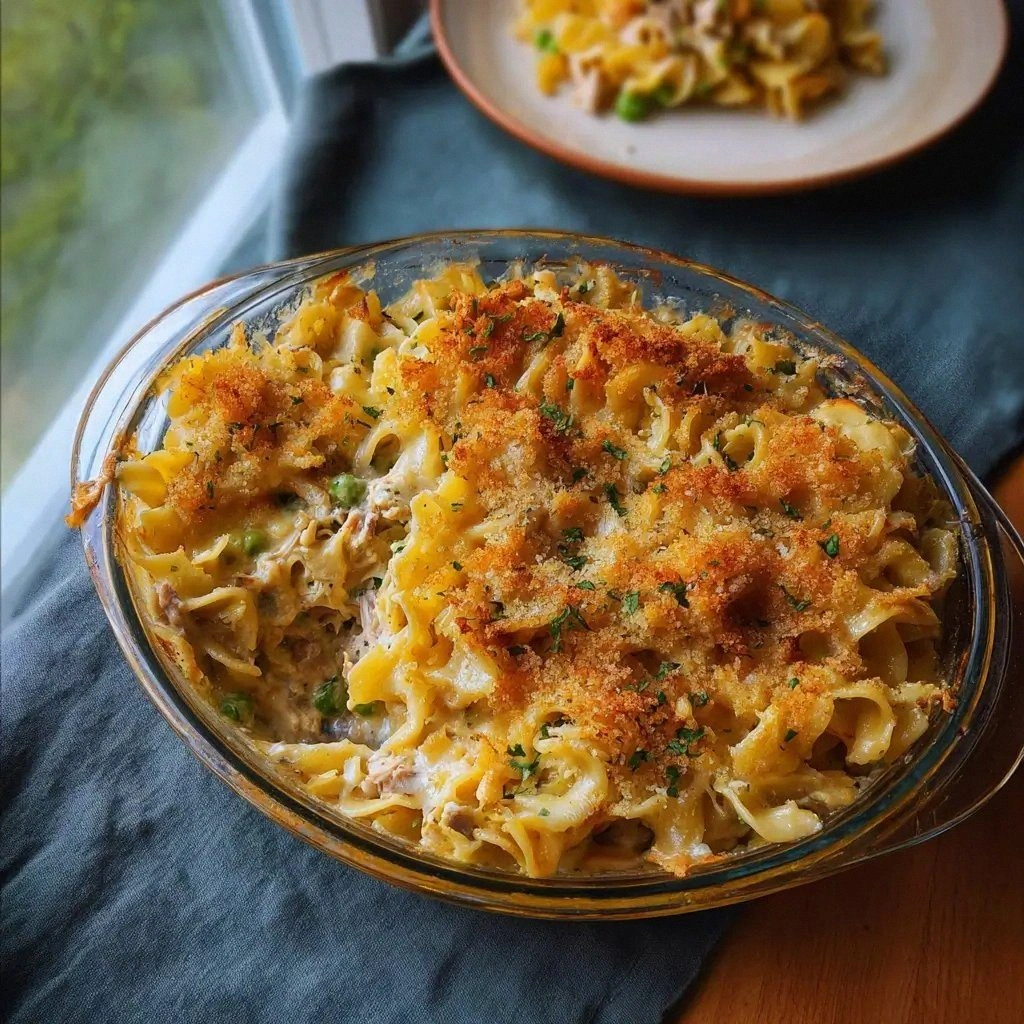
The Method — Step by Step
- Preheat your oven to 375°F (190°C). While the oven heats, bring a large pot of salted water to a rolling boil. Add the elbow macaroni and cook until just al dente, about 7 minutes. Drain and set aside, reserving a cup of pasta water for later. The noodles should still have a slight bite; they’ll soften further in the oven.
- In a medium saucepan, melt the butter over medium heat. Once the butter is foamy, sprinkle in the flour and whisk continuously for about 1 minute. You should see the mixture turn a pale golden color—this is your roux. If it darkens too quickly, lower the heat. This step is crucial for a smooth sauce.
- Slowly pour in the whole milk, whisking constantly to avoid lumps. The sauce should thicken to a light custard consistency. If it’s too thick, add a splash of reserved pasta water to reach the desired thickness. At this point, taste and season with a pinch of salt, pepper, and garlic powder.
- Fold in the drained tuna, breaking it into bite‑sized pieces. The tuna should be evenly distributed throughout the sauce. This is the moment of truth—watch the sauce coat the tuna with a silky sheen. Let it simmer for 2 minutes to meld the flavors.
- Add the shredded cheddar cheese to the saucepan, stirring until fully melted and the sauce becomes a smooth, golden pour‑over. If the cheese clumps, add a tablespoon of reserved pasta water to loosen it. The sauce should look glossy and ready to coat the pasta.
- Transfer the cooked noodles to a greased 9x13 inch baking dish. Pour the cheesy tuna sauce over the noodles, using a spatula to spread it evenly. Sprinkle the panko breadcrumbs over the top for that coveted crunchy finish. If you love extra cheese, you can add a few extra shredded cheddar or Parmesan on top.
- Bake in the preheated oven for 20 minutes, or until the top is golden brown and the casserole is bubbling. The edges should pull away from the sides of the pan, indicating that the sauce has set properly. The aroma at this point is irresistible—cheese, tuna, and toasted breadcrumbs all mingling in a savory perfume.
- Remove from the oven and let it rest for 5 minutes before serving. This rest period allows the sauce to thicken further and makes it easier to cut. Serve hot, and watch as the golden crust cracks with each forkful.
That’s it— you did it. But hold on, I’ve got a few more tricks that’ll take this to another level. These insider tips will help you avoid common pitfalls and elevate the flavor profile even further.
Insider Tricks for Flawless Results
The Temperature Rule Nobody Follows
Many people bake their casseroles at 350°F, which can result in a soggy top. I recommend 375°F—just enough higher to crisp the breadcrumbs while keeping the interior moist. If you’re using a convection oven, lower the temperature by 25°F to avoid over‑browning. This small adjustment ensures a golden, crisp crust that’s a delight to bite into.
Why Your Nose Knows Best
Before you even lift the casserole out of the oven, give it a quick sniff. The scent of toasted breadcrumbs and melted cheese is a reliable indicator that it’s ready. If the aroma is too mild, give it a few more minutes. Trust your nose—it’s the most accurate judge of doneness.
The 5-Minute Rest That Changes Everything
Letting the casserole rest for 5 minutes after baking is a game‑changer. It allows the sauce to set, making it easier to cut clean slices. It also lets the flavors meld together, creating a more cohesive taste. I’ve seen people cut straight from the oven and end up with a gooey mess; the rest period solves that.
Keep the Sauce Smooth
If the sauce starts to separate or develop lumps, add a splash of milk or pasta water, whisking vigorously until it’s silky again. The key is to keep the sauce at a gentle simmer while you stir; this prevents the cheese from clumping. If you’re using a non‑dairy cheese, be sure it’s a meltable variety to avoid separation.
Make‑Ahead Magic
Assembling the casserole the night before and refrigerating it can save you a lot of time on busy evenings. The flavors develop overnight, making it even more delicious. When you’re ready to bake, simply let it come to room temperature for 15 minutes before popping it in the oven.
Creative Twists and Variations
This recipe is a playground. Here are some of my favorite ways to switch things up:
Chicken & Broccoli Edition
Swap tuna for shredded rotisserie chicken and fold in a cup of steamed broccoli florets. The chicken adds protein, while the broccoli brings a fresh, slightly sweet crunch. It’s a great way to make the dish feel lighter and more balanced.
Spicy Jalapeño Surprise
Add diced jalapeños or a splash of sriracha to the sauce for a subtle kick. The heat pairs wonderfully with the creamy cheese, creating a layered flavor experience. It’s perfect for those who like a bit of spice.
Vegan Version
Use a plant‑based tuna alternative or chickpeas as the protein base. Swap cheddar for a vegan cheese that melts well, and use oat or soy milk. This version keeps the same comforting texture while being completely plant‑based.
Breakfast Casserole
Add a handful of diced ham and a cup of scrambled eggs into the mix before baking. Serve it with a side of toast and a glass of orange juice for a hearty breakfast. The tuna’s salty flavor complements the eggs, making for a satisfying morning meal.
Italian Twist
Replace cheddar with mozzarella and add a handful of sun‑dried tomatoes. The mozzarella provides a mild, milky flavor, while the sun‑dried tomatoes add a sweet, tangy burst. Finish with fresh basil for an Italian flair.
Quick Microwave Fix
If you’re in a hurry, assemble the casserole in a microwave‑safe dish, cover with foil, and microwave on high for 8 minutes. Then add the breadcrumbs, return to the microwave for 2 minutes, and enjoy a quick, cheesy tuna casserole.
Storing and Bringing It Back to Life
Fridge Storage
Cool the casserole completely before covering it tightly with plastic wrap or aluminum foil. Store in the refrigerator for up to 3 days. Reheat in the microwave for 3–4 minutes, or in the oven at 350°F for 15 minutes, until hot.
Freezer Friendly
Wrap the casserole in foil, then place it in a freezer‑safe container. It will keep for up to 2 months. Thaw overnight in the fridge, then reheat in the oven at 350°F for 20–25 minutes, or until steaming hot.
Best Reheating Method
Add a tiny splash of milk or water before reheating to restore moisture and keep the sauce creamy. Cover with foil while reheating to prevent the top from over‑browning. Let it sit for a minute after removing from the oven—this allows the heat to distribute evenly.