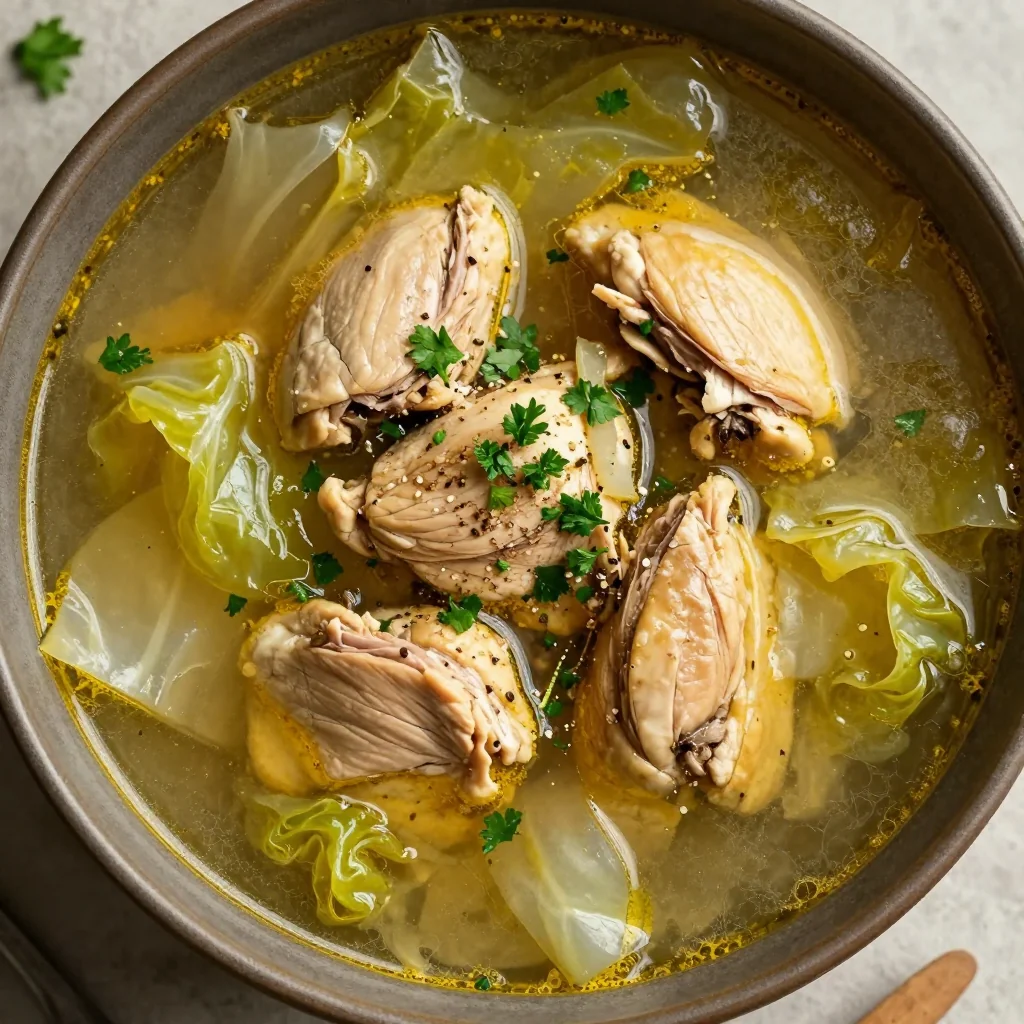
Picture yourself pulling this out of the oven, the whole kitchen smelling incredible, and the plate glistening like a jewel box. If you’ve ever struggled with a sauce that turns out too thin or seafood that turns rubbery, you’re not alone—and I’ve got the fix. Stay with me here—this is worth it. Let me walk you through every single step, and by the end, you’ll wonder how you ever made it any other way.
What Makes This Version Stand Out
- Heat: The Cajun seasoning is balanced with paprika, delivering a smoky kick that doesn’t overwhelm the delicate fish.
- Texture: A quick sear locks in the salmon’s moisture, while the shrimp’s quick cook prevents it from becoming rubbery.
- Richness: Heavy cream combined with butter creates a sauce that coats the pasta like velvet.
- Freshness: Lemon zest and juice lift the dish, cutting through the richness for a bright finish.
- Convenience: All steps can be done in under 45 minutes, making it perfect for a busy weeknight.
- Make‑Ahead: The sauce holds up in the fridge for up to two days; just reheat gently.
- Crowd‑Pleaser: The combination of protein and creamy sauce is a guaranteed hit at dinner parties.
- Ingredient Quality: Fresh, high‑quality salmon and shrimp elevate the dish beyond the usual canned or frozen options.
Alright, let's break down exactly what goes into this masterpiece...
Inside the Ingredient List
The Flavor Base
At the heart of this dish lies a simple yet powerful combination of butter, heavy cream, and garlic. Butter provides a silky mouthfeel, while cream thickens the sauce without making it cloying. Garlic adds depth and a slight heat that complements the Cajun seasoning. If you skip the garlic, the sauce will feel flat; the aroma won’t be as vibrant.
The Texture Crew
Salmon and shrimp are the star performers, each contributing a distinct mouthfeel. The salmon should be cut into bite‑sized pieces, ensuring even cooking and maximum flavor absorption. Shrimp, on the other hand, should be peeled and deveined to avoid any unwanted textures. Together, they create a harmonious balance between tender fish flakes and the firm, yet juicy, shrimp.
The Unexpected Star
Cajun seasoning is the secret weapon that turns a simple pasta into a bold, smoky adventure. It’s a blend of paprika, cayenne, garlic powder, and herbs that brings depth and heat. If you prefer a milder version, reduce the amount to 1 tsp or use a smoked paprika instead. The seasoning also helps the sauce cling to the pasta, preventing it from sliding off.
The Final Flourish
Fresh parsley, lemon zest, and a splash of lemon juice act as the finishing touch, brightening the dish and balancing the richness. Parsley adds a herbal freshness, while lemon zest provides a fragrant citrus note. A squeeze of lemon juice before serving cuts through the creaminess and leaves a clean finish on your palate.
Everything's prepped? Good. Let's get into the real action...
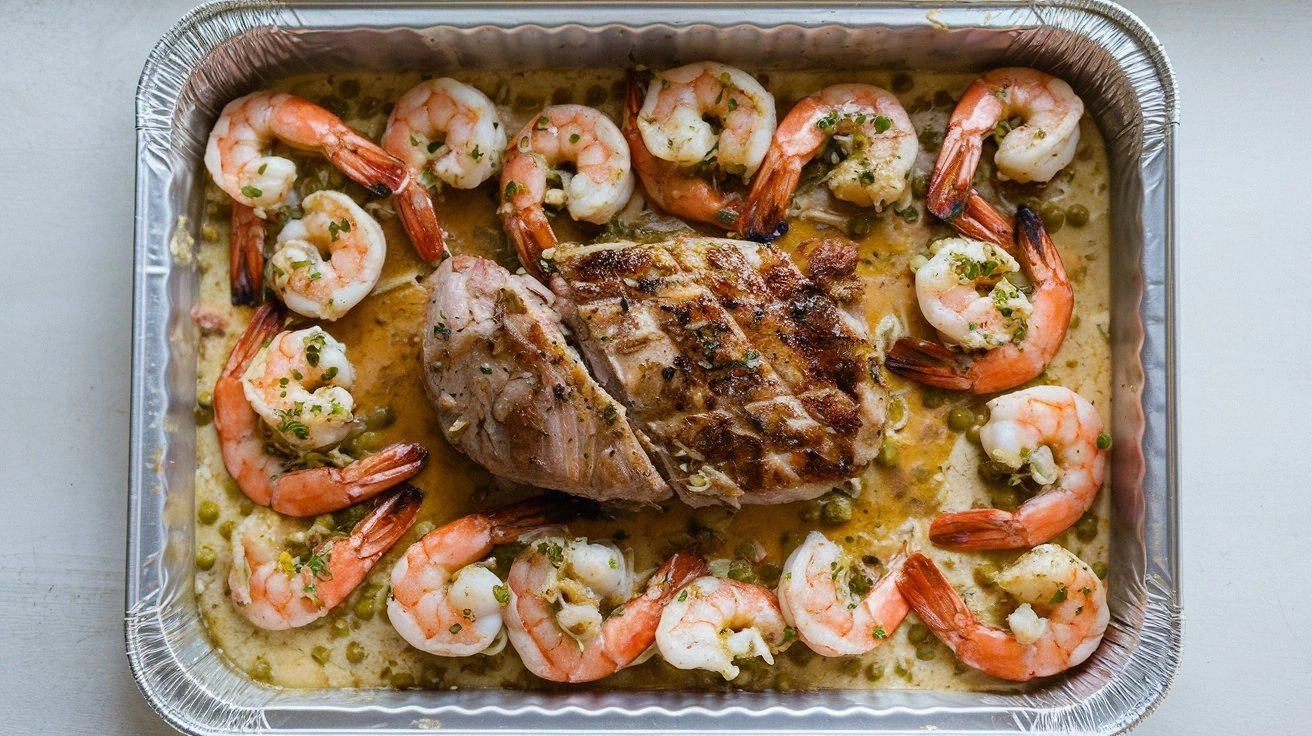
The Method — Step by Step
- Prep the Sea: Pat the salmon fillets dry with paper towels; season both sides with salt, pepper, and 1 tsp of Cajun seasoning. This step locks in moisture and creates a flavorful crust. The fish should look glossy, not dull. Keep it on a plate while you work on the rest.
- Heat the Pan: In a large skillet, heat 2 tbsp olive oil over medium‑high heat until shimmering. Add the salmon pieces, skin side down, and sear for 3–4 minutes until golden. Flip carefully and sear the other side for 2–3 minutes, letting it cook to medium‑rare. The salmon should release easily from the pan when it’s ready.
- Set the Salmon Aside: Once seared, transfer the salmon to a plate and cover loosely with foil. This keeps it warm while you work on the sauce and shrimp. It also prevents the salmon from overcooking.
- Start the Sauce: In the same skillet, lower the heat to medium and melt 4 tbsp butter. Once bubbling, add 4 minced garlic cloves and sauté for 30 seconds until fragrant. Be careful not to burn the garlic; it should turn golden, not brown. The aroma should be unmistakable.
- Introduce Cream: Pour in 1 cup heavy cream, stirring constantly to combine with the butter and garlic. Let the mixture simmer gently for 3–4 minutes until it thickens slightly. The sauce should coat the back of a spoon without separating. If it looks too thin, let it reduce a bit longer.
- Cheese It Up: Stir in 1 cup grated Parmesan cheese until fully melted and smooth. The cheese will add a nutty depth and help thicken the sauce further. If the sauce is too thick, add a splash of pasta water to reach the desired consistency. The sauce should be glossy and silky.
- Season the Sauce: Add 2 tsp Cajun seasoning, 1 tsp paprika, 1 tsp lemon zest, and 2 tbsp lemon juice. Mix well, tasting as you go. The sauce should have a balanced heat and citrus brightness. The lemon will cut through the richness and keep the dish bright.
- Cook the Shrimp: In a separate pan, heat 1 tbsp olive oil over medium heat. Add the peeled, deveined shrimp and cook for 2 minutes per side until pink and opaque. Remove from heat and set aside. Shrimp cooks quickly; overcooking will make them rubbery.
- Bring the Pasta: While the shrimp is cooking, boil 12 oz fettuccine in salted water until al dente (about 8–9 minutes). Reserve 1 cup of pasta water before draining. The pasta should still have a slight bite; it will finish cooking in the sauce.
- Combine: Add the drained pasta to the sauce, tossing to coat. If the sauce feels thick, add a splash of reserved pasta water to loosen it. Gently fold in the cooked shrimp and salmon pieces, being careful not to break the salmon. The pasta should be glossy and the seafood evenly distributed.
- Finish with Herbs: Sprinkle 1/4 cup chopped parsley over the top, giving the dish a fresh green pop. Toss once more to distribute. The parsley adds a subtle herbal note that balances the Cajun heat.
- Serve Immediately: Plate the pasta onto warmed bowls, ensuring each portion has a good mix of salmon, shrimp, and sauce. Garnish with an extra sprinkle of Parmesan if desired. The dish should smell heavenly and look inviting.
That's it — you did it. But hold on, I've got a few more tricks that'll take this to another level...
Insider Tricks for Flawless Results
The Temperature Rule Nobody Follows
Maintaining the correct heat is essential. Too high, and the sauce will curdle; too low, and the shrimp will become rubbery. Aim for a gentle simmer after adding the cream, and use a lower heat when finishing the dish. A quick test: drop a spoonful of sauce on a plate; if it coats the back of the spoon without sliding, you’re good. This subtle control is the difference between a restaurant‑level sauce and a kitchen mishap.
Why Your Nose Knows Best
Trust the aroma as your guide. When the garlic begins to turn golden and the butter sings, it’s the sweet spot for searing salmon. Similarly, when the sauce emits a rich, buttery scent with a hint of citrus, it’s ready to embrace the pasta. If the aroma feels flat, the sauce needs a little more seasoning or a touch more lemon. Your nose is a reliable chef’s ally.
The 5-Minute Rest That Changes Everything
After cooking the shrimp, let them rest for 5 minutes before adding them to the sauce. This pause allows the juices to redistribute, keeping the shrimp moist and tender. If you rush it, the shrimp will release water and become soggy. This simple step often goes unnoticed but makes a noticeable difference in texture.
The Perfect Pasta Water Trick
Reserve 1 cup of pasta water before draining. Its starchiness helps the sauce cling to the noodles, creating a cohesive bite. Add it gradually until you reach your desired sauce consistency. A sauce that’s too thick will feel heavy; a sauce that’s too thin will feel watery. This technique is a staple of Italian cooking and works wonders here.
The Freshness Factor
Use the freshest salmon and shrimp you can find. The better the quality, the more flavor you’ll capture. If you’re buying frozen shrimp, look for “never‑frozen” or “flash‑frozen” options. Freshness translates into a brighter, cleaner taste that elevates the entire dish.
Creative Twists and Variations
This recipe is a playground. Here are some of my favorite ways to switch things up:
Spicy Cajun Pesto
Swap the lemon‑infused sauce for a pesto made with fresh basil, garlic, pine nuts, and a generous pinch of cayenne. The pesto adds a green, herby flavor while maintaining the Cajun heat. This version is perfect for a summer brunch or a light dinner.
Creamy Mushroom Fusion
Add sliced cremini mushrooms during the sauce stage. The earthy flavor pairs beautifully with the creamy base, creating a depth that’s both comforting and sophisticated. This variation is ideal for those who love a mushroom boost.
Pesto‑Infused Alfredo
Blend a handful of fresh spinach into the sauce for a green, nutrient‑rich twist. The spinach will wilt into the sauce, adding a subtle flavor and a pop of color. It’s a great way to sneak in greens without altering the core taste.
Lemon‑Garlic Shrimp Only
Omit the salmon entirely and double the shrimp. This version is lighter yet still packed with flavor. The lemon‑garlic sauce remains the star, and the shrimp delivers the satisfying bite.
Coconut‑Infused Cream
Replace half of the heavy cream with coconut milk for a subtle tropical note. The coconut adds a mild sweetness that balances the Cajun spice. This twist is perfect for a beach‑side dinner or a fun family meal.
Pasta Swap
Swap fettuccine for linguine or rigatoni for a different mouthfeel. The wide noodles hold the sauce beautifully, while the tube-shaped rigatoni traps bits of seafood and sauce in every bite. Experiment to find your favorite.
Storing and Bringing It Back to Life
Fridge Storage
Cool the dish to room temperature, then transfer to an airtight container. Store in the refrigerator for up to 2 days. The sauce may thicken slightly; a splash of milk or cream can restore the original consistency. Keep the salmon and shrimp separate if you prefer to reheat them individually.
Freezer Friendly
For longer storage, portion the dish into freezer‑safe containers and freeze for up to 3 months. When ready to reheat, thaw overnight in the fridge. Reheat gently on the stove, adding a splash of pasta water to loosen the sauce. Avoid microwaving, as it can separate the cream.
Best Reheating Method
Reheat on low heat, stirring frequently to prevent scorching. Add a tiny splash of water or broth before reheating to keep the sauce moist. The sauce should become silky again, and the seafood should remain tender. Serve immediately for the best texture.