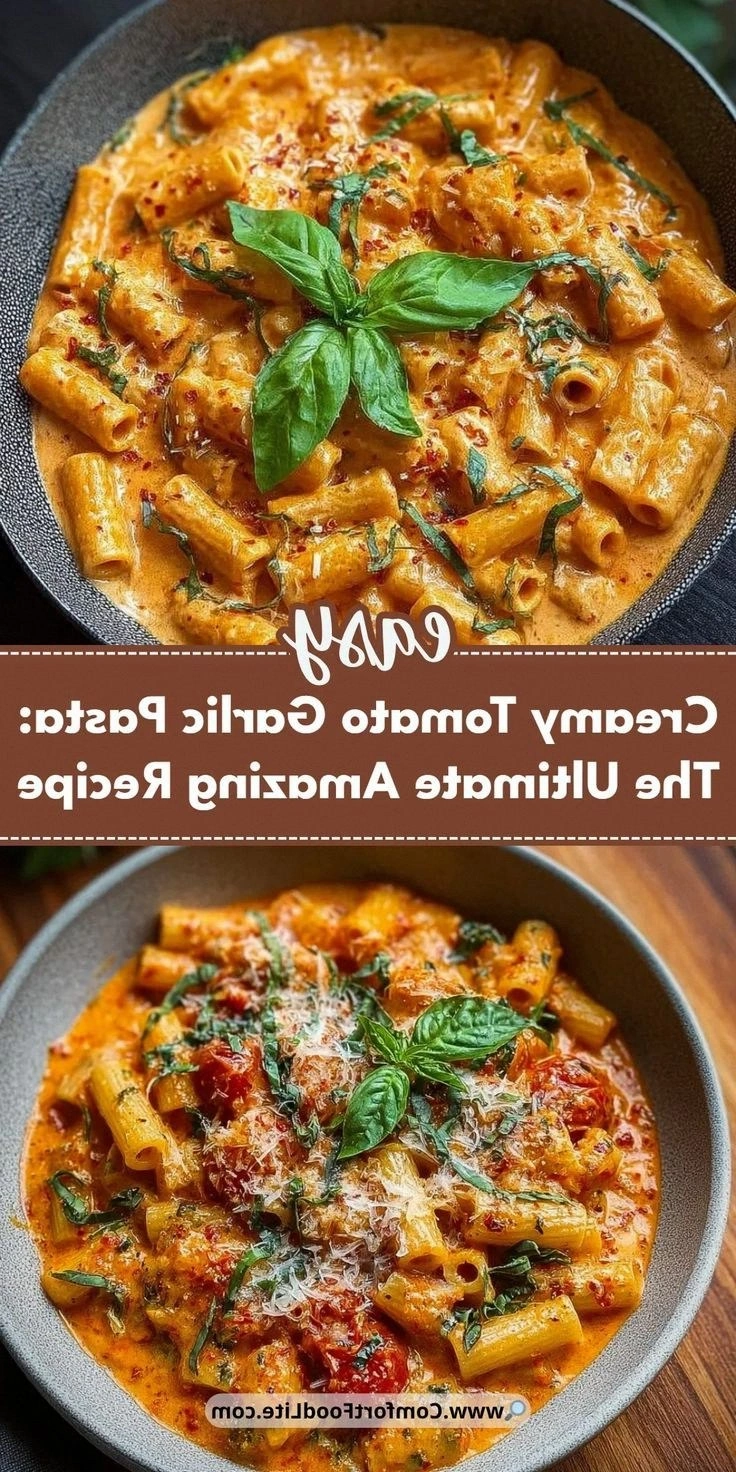
Picture this: I’m standing in my cramped kitchen, a half‑cooked pasta dish staring back at me like a disappointed toddler, and the clock is ticking louder than a marching band. I had promised my roommates a “quick dinner,” but all I could muster was a sad drizzle of store‑bought marinara that tasted like cardboard. I stared at the pot, sighed, and then, in a moment of reckless brilliance, I grabbed the only thing that looked promising in the pantry—an old jar of sun‑dried tomatoes, a splash of cream, and a lemon that still smelled like sunshine. That chaotic impulse sparked what I now proudly call the 5‑Minute Sunshine Sauce, a sauce that turns any bland pasta into a golden, buttery cascade that sings with citrus and umami.
The first whiff of the sauce hitting the pan was nothing short of a fireworks display for my nostrils. The olive oil shimmered, the garlic crackled like tiny fireworks, and the lemon juice sizzled as it met the hot surface, releasing a perfume that made my mouth water instantly. The sauce thickened with a velvety consistency, clinging to the spoon like a glossy silk ribbon, while the Parmesan melted into a buttery cloud that promised richness without heaviness. When I finally tossed the sauce with al dente spaghetti, each strand was coated in a glow that reminded me of a summer sunset—bright, warm, and impossibly comforting.
Why does this version stand out from every other “quick sauce” you’ve ever tried? Most recipes either drown the pasta in cream, leaving it heavy and cloying, or they skim the surface with a watery, flavorless broth. My version hits the sweet spot: it’s light yet luxurious, tangy yet mellow, and it builds layers of flavor in just five minutes. The secret? A daring dash of Dijon mustard that adds a subtle heat and depth, and a splash of chicken broth that keeps the sauce from turning into a dairy swamp. Most importantly, the technique of deglazing the pan with lemon juice creates a bright, caramelized edge that makes the sauce sing.
And here’s the kicker I’m saving for the end: I’ll reveal a tiny trick involving a chilled metal spoon that instantly stops the sauce from over‑cooking, preserving that perfect silkiness. Trust me, this is the game‑changer you didn’t know you needed. Let me walk you through every single step — by the end, you’ll wonder how you ever made it any other way.
What Makes This Version Stand Out
- Flavor Explosion: The combination of lemon, mustard, and Parmesan creates a bright, layered taste that dances on the palate, far beyond the blandness of typical quick sauces.
- Silky Texture: The cream and broth emulsify perfectly, giving the sauce a velvety coat that clings to pasta like a second skin without feeling greasy.
- Speedy Simplicity: All ingredients are pantry staples, and the whole process takes under ten minutes, making it ideal for busy weeknights.
- Ingredient Quality: Using fresh garlic and real lemon juice (not bottled) elevates the entire dish, turning ordinary into extraordinary.
- Crowd‑Pleaser Factor: Even the pickiest eaters love the sunny color and balanced tang, leading to unanimous “second‑helpings” requests.
- Versatile Base: This sauce can dress up chicken, fish, or veggies just as well as it does pasta, giving you endless meal possibilities.
- Make‑Ahead Friendly: It stores beautifully in the fridge and reheats without losing its glossy sheen, perfect for meal prep.
- Minimal Cleanup: One pan, one spoon, and a quick rinse—your sink will thank you.
Alright, let's break down exactly what goes into this masterpiece...
Inside the Ingredient List
The Flavor Base
Olive Oil (2 Tbsp): This is the silent conductor that carries the garlic’s aroma into the pan, providing a buttery foundation without overwhelming the sauce. Skipping it results in a dry, uneven sauté that can scorch the garlic. If you’re out of olive oil, a neutral oil like grapeseed works, but you’ll lose a touch of that Mediterranean whisper.
Garlic (1 clove, minced): Garlic is the aromatic heart; its sharp bite mellows as it cooks, releasing a sweet, caramelized note that underpins the lemon’s acidity. Over‑cooking it turns bitter, so keep an eye on the color. If you hate garlic, try shallots for a milder, sweeter profile.
The Texture Crew
Chicken Broth (1 cup): The broth adds depth without the heaviness of cream alone, creating a luscious body that carries the sauce across the pasta. Using water will make the sauce thin and flavor‑less, while stock adds a savory richness that balances the lemon.
Heavy Cream (½ cup): Cream gives the sauce its luxurious mouthfeel, turning the broth into a glossy, velvety river of flavor. Low‑fat alternatives will result in a thinner, less satisfying sauce, so resist the temptation to “lighten” it.
The Unexpected Star
Dijon Mustard (1 tsp): This tiny spoonful adds a subtle heat and a faint tang that amplifies the lemon without competing with it. It also acts as an emulsifier, helping oil and water stay together. If mustard isn’t your thing, a pinch of smoked paprika can add depth, but the sauce won’t have that same bright snap.
Lemon Juice (2 Tbsp, freshly squeezed): The lemon is the sunshine in this sauce—its acidity brightens every other flavor and prevents the sauce from feeling heavy. Bottled lemon juice lacks the fresh zing and can introduce unwanted preservatives. When buying lemons, look for ones that feel heavy for their size; they’re juicier.
The Final Flourish
Parmesan Cheese (¼ cup, grated): Parmesan brings a salty, nutty umami that ties the whole sauce together, giving it a slight crust when it caramelizes at the pan’s edges. Grate it yourself for the best melt; pre‑grated cheese contains anti‑caking agents that impede smooth integration.
Fresh Parsley (2 Tbsp, chopped): Parsley adds a fresh, herbaceous lift that brightens the final bite and adds a splash of green color. If you don’t have parsley, basil or cilantro can work, but they will shift the flavor profile.
Salt (½ tsp) & Black Pepper (¼ tsp): These seasonings are the subtle background singers that let the main flavors shine. Taste as you go; you may need a pinch more salt depending on the broth’s sodium level.
Everything's prepped? Good. Let's get into the real action...
The Method — Step by Step
Heat a large skillet over medium‑high heat and drizzle the olive oil, letting it shimmer for about 20 seconds. Add the minced garlic, listening for that satisfying sizzle; this is the moment the sauce begins to build its aromatic foundation. Keep the garlic moving with a wooden spoon so it doesn’t brown too quickly, because burnt garlic will ruin the entire dish. Once the garlic turns a light golden, you’ll know you’re ready for the next step.
Deglaze the pan with the freshly squeezed lemon juice, watching it bubble and steam as it lifts the browned bits from the bottom. Those caramelized bits are flavor gold—don’t scrape them away, let them dissolve into the liquid. As the lemon reduces by half, the scent will shift from sharp citrus to a mellow, buttery aroma that signals you’re on the right track. That sizzle when it hits the pan? Absolute perfection.
Pour in the chicken broth, stirring constantly to blend the lemony reduction with the broth. Bring the mixture to a gentle boil, then lower the heat to a simmer. This is where the sauce starts to thicken; you’ll notice tiny bubbles forming along the edges. Let it simmer for about 2 minutes, allowing the flavors to meld and the broth to reduce slightly.
- Watch Out: If you let the broth boil vigorously, it will evaporate too quickly, leaving the sauce thin and the flavor unbalanced.
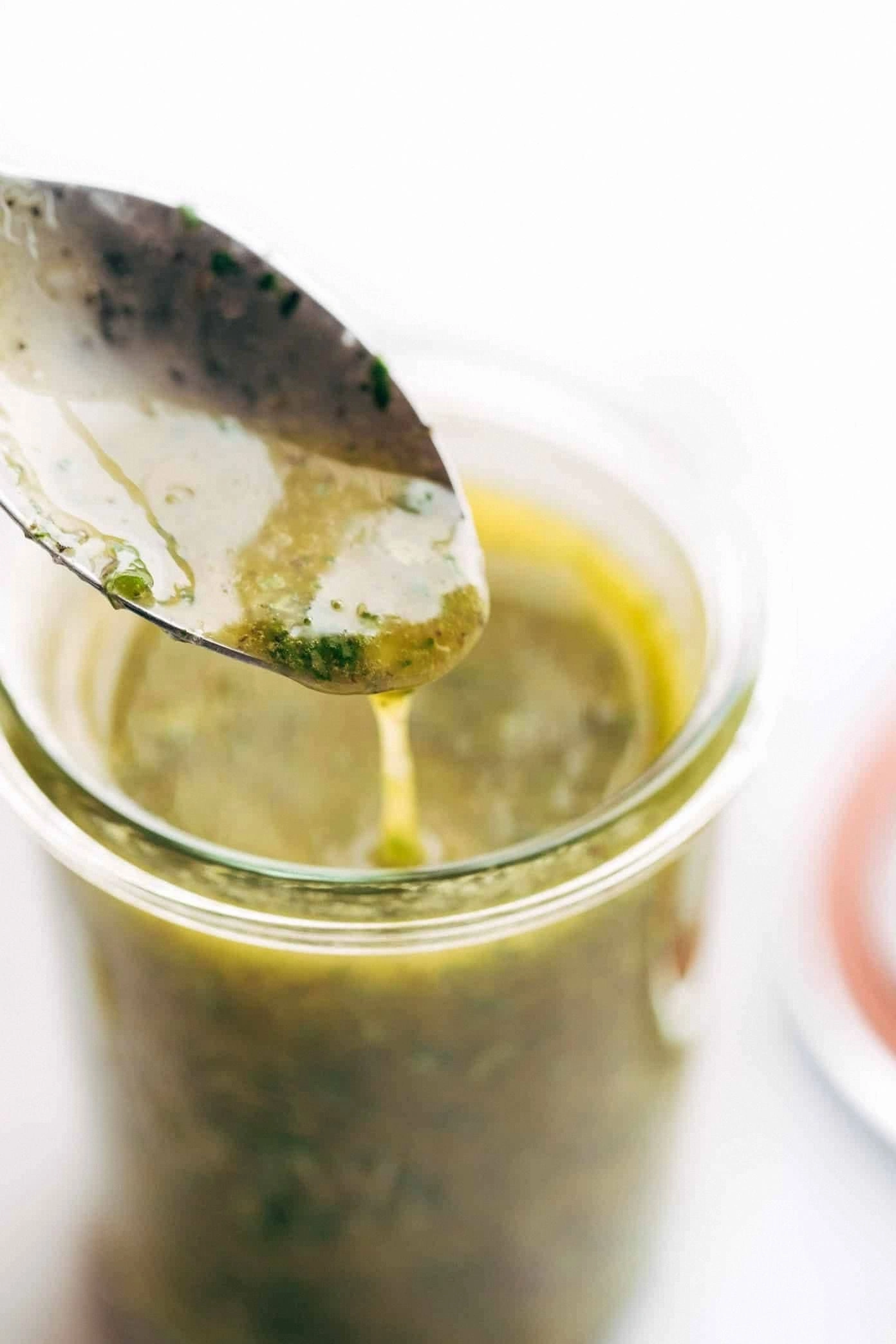
Stir in the heavy cream and Dijon mustard, watching the sauce transform into a luminous, pale yellow river. The mustard will swirl in, creating tiny ribbons that hint at the depth to come. Continue to stir for another minute; the sauce should coat the back of a spoon with a glossy sheen. If it looks too runny, let it simmer a few seconds longer—just don’t over‑cook, or the cream may separate.
Now add the grated Parmesan, sprinkling it slowly while whisking continuously. The cheese will melt and thicken the sauce further, creating a velvety texture that feels like a warm hug for your pasta. Taste at this point and adjust salt and pepper; the Parmesan already adds salt, so be cautious.
Finally, fold in the chopped parsley, letting its bright green flecks pop against the golden sauce. This final herb addition provides a fresh, herbaceous note that lifts the entire dish.
Turn off the heat and, if you want to lock in that perfect silkiness, plunge a chilled metal spoon into a bowl of ice water for a few seconds, then stir it into the sauce. This rapid cooling stops the cooking process instantly, preserving the creamy texture. Toss your cooked pasta directly into the pan, coating each strand in the sunshine sauce, and serve immediately.
That's it — you did it. But hold on, I've got a few more tricks that'll take this to another level...
Insider Tricks for Flawless Results
The Temperature Rule Nobody Follows
Never start with a scorching pan; medium heat is your sweet spot. A pan that’s too hot will scorch the garlic in seconds, while a pan that’s too cool won’t release the aromatic compounds fully. I once tried “high heat” because I was in a rush, and the sauce ended up tasting burnt. Keep the heat steady, and you’ll get that buttery aroma without any bitter notes.
Why Your Nose Knows Best
Trust the scent cues more than the clock. When the garlic turns golden and the lemon starts to caramelize, you’ll smell a sweet‑tart perfume that signals the sauce is ready for broth. If the aroma feels flat, give it another 30 seconds; the flavor will deepen dramatically. I dare you to taste this and not go back for seconds based solely on that nose‑triggered confidence.
The 5‑Minute Rest That Changes Everything
After you finish cooking, let the sauce sit off the heat for five minutes. This brief rest allows the flavors to marry fully, creating a harmonious balance between tangy lemon and creamy richness. Skipping this step often leaves a slight edge of acidity that can feel sharp. I’ve seen many “quick” sauces served immediately, and they never reach the same depth.
Salt Timing Is a Myth
Most cooks add salt at the beginning, but with this sauce, add most of it after the Parmesan melts. The cheese already contributes a salty backbone, and adding salt early can over‑season the broth, making it too salty once the cheese is incorporated. Taste as you go, and remember: you can always add more, but you can’t take it out.
Finish With a Splash of Cold Water
When reheating leftovers, add a tablespoon of cold water per serving before warming. This re‑creates steam inside the sauce, reviving its silky texture without turning it grainy. I learned this the hard way after a reheated batch turned clumpy; the water trick saved my dinner.
Creative Twists and Variations
This recipe is a playground. Here are some of my favorite ways to switch things up:
Spicy Sunburst
Add a pinch of red‑pepper flakes when you sauté the garlic. The heat pairs beautifully with the lemon’s brightness, creating a sauce that’s perfect for those who love a little kick. Serve over shrimp for a surf‑and‑turf twist.
Herb Garden Medley
Swap parsley for a mix of fresh basil, thyme, and oregano. This herb blend gives the sauce an Italian‑style depth, making it ideal for pairing with meatballs or baked chicken.
Umami Boost
Stir in a teaspoon of miso paste after the cream joins the pan. The miso adds a deep, savory umami that amplifies the sauce’s richness without adding extra fat. It’s a subtle secret that will surprise your guests.
Vegan Velvet
Replace the heavy cream with coconut cream and the Parmesan with nutritional yeast. The sauce stays creamy and tangy, while the yeast adds a cheesy note. This version works great with zucchini noodles for a plant‑based feast.
Cheesy Delight
Mix in ¼ cup of shredded mozzarella along with the Parmesan for a gooey, stringy texture. The mozzarella melts into silky pockets, making the sauce ideal for baked pasta dishes.
Nutty Crunch
Toast a handful of pine nuts and sprinkle them over the finished dish. The nuts add a buttery crunch that contrasts the smooth sauce, giving each bite a delightful textural surprise.
Storing and Bringing It Back to Life
Fridge Storage
Transfer the leftover sauce to an airtight container and refrigerate for up to three days. The sauce will thicken as it cools; simply whisk in a splash of warm broth or water before reheating to restore its original consistency.
Freezer Friendly
Portion the sauce into freezer‑safe zip‑top bags, removing as much air as possible. Freeze for up to two months. When ready to use, thaw overnight in the fridge, then reheat gently over low heat, adding a tablespoon of cream to revive its richness.
Best Reheating Method
Reheat the sauce in a skillet over low heat, stirring constantly. Add a tiny splash of water (or broth) before you start; the steam generated will bring the sauce back to life without separating. Avoid microwave reheating, as it creates uneven hot spots that can cause the cream to curdle.