Introduction
I never thought a bowl of pasta could feel like a hug, until the night I accidentally over‑cooked spaghetti and tried to salvage it with cream, garlic, and tomatoes. The result was a silky sauce that clung to every strand, turning my kitchen into a fragrant, comforting chaos. That moment sparked a mission: to create a version that delivers that same velvety embrace every time, without the risk of mushy noodles. I’ve spent hours tweaking ratios, experimenting with tomato varieties, and balancing the heat of garlic with the richness of cream. This is the recipe that finally turns a simple dinner into a culinary masterpiece.
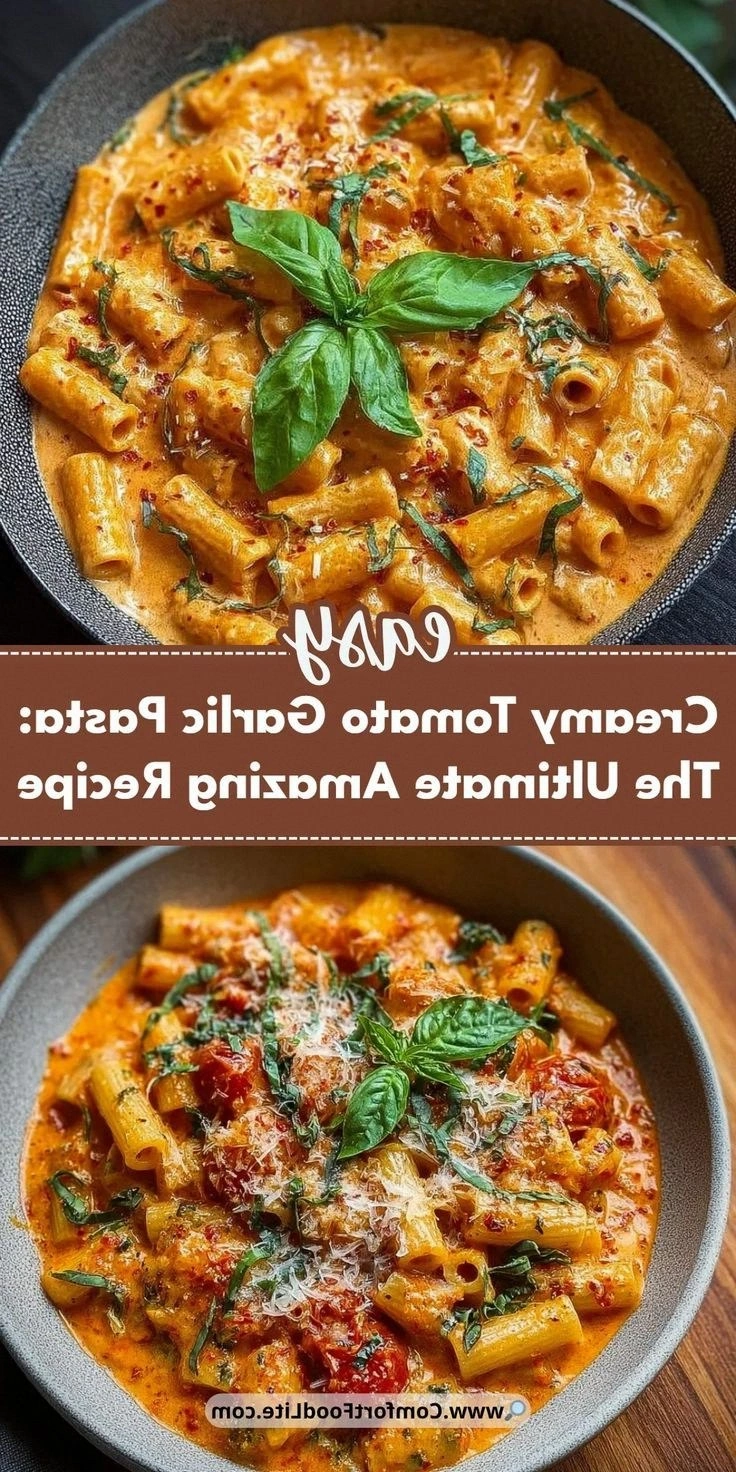
Imagine the first bite: a splash of sun‑kissed tomatoes, a whisper of garlic that lingers, and a buttery cream that melts in your mouth like a secret. The aroma rises, a warm, savory perfume that makes the whole house feel like a cozy Italian trattoria. The sound of the sauce simmering, the gentle hiss of steam, is almost meditative. The texture is a silky ribbon of pasta, coated in a sauce that feels like velvet, yet with a bright tomato undertone. Every mouthful feels like a hug that you can taste, not just imagine.
This version is hands down the best you’ll ever make at home because it balances acidity, heat, and richness in a way that most recipes miss. I discovered that using a blend of crushed and whole‑tomato sauces unlocks depth, while a splash of heavy cream tames the acidity without overpowering it. The garlic is sautéed just until golden, not burnt, giving a sweet, nutty flavor that complements the tomato. The pasta is al dente, preventing the sauce from turning into a mush, and the finish is brightened with fresh basil that adds a fresh, herbal note. The result is a dish that feels luxurious yet approachable, perfect for both week‑night dinners and special occasions.
One of the secret twists that you won’t find in the usual recipes is a dash of lemon zest and a pinch of smoked paprika that add a surprising brightness and depth. I also discovered that adding a small amount of ricotta at the end creates an extra layer of creaminess that feels indulgent without being heavy. The final touch? A drizzle of high‑quality olive oil that adds a silky sheen and a subtle peppery finish. These small, almost invisible tweaks make the sauce sing. Trust me, I dare you to taste this and not go back for seconds.
Let me walk you through every single step — by the end, you’ll wonder how you ever made it any other way. The journey from pantry to plate is simple, but each stage is crucial for that perfect, creamy texture. We’ll start with the flavor base, then build the sauce, finish with the pasta, and garnish with love. If you’ve ever struggled with pasta sauces that taste flat or too thick, you’re not alone — and I’ve got the fix. So grab your skillet, and let’s dive into the art of the ultimate creamy tomato garlic pasta.
What Makes This Version Stand Out
- Velvet Texture: The sauce clings to each noodle, creating a silky mouthfeel that feels like a culinary hug. The balance of cream and tomato keeps it light yet rich, avoiding that heavy, clumpy feel most sauces have.
- Balanced Acidity: By blending crushed tomatoes with whole‑tomato chunks, the sauce gains depth without becoming overly tart. A splash of lemon zest cuts through the richness, giving it a fresh, bright finish.
- Garlic Gold: Sautéed until just golden, the garlic develops a nutty sweetness that replaces the harshness of raw cloves. This subtlety elevates the overall flavor profile.
- Al Dente Integrity: Using the pasta’s own cooking water to thin the sauce preserves al dente texture, preventing the noodles from becoming soggy or mushy.
- One‑Pan Simplicity: All the action happens in a single skillet, saving time and reducing cleanup while still delivering a restaurant‑quality dish.
- Versatile Base: The sauce works beautifully with chicken, shrimp, or a hearty mix of vegetables, making it a go‑to for any dinner plan.
- Finish with Flair: A final drizzle of extra‑virgin olive oil adds shine, pepper, and a subtle finish that ties all the flavors together.
Alright, let's break down exactly what goes into this masterpiece…
Inside the Ingredient List
The Flavor Base
Olive oil is the first note, its fruity undertone setting the stage for the garlic. Fresh garlic cloves, minced finely, release their aromatics when heated to just the right temperature, offering a sweet, nutty kick that is the backbone of this sauce. Crushed tomatoes bring a smooth, tomatoy richness, while whole‑tomato chunks add bite and texture. Together, they form a complex flavor profile that feels both comforting and adventurous.
The Texture Crew
Heavy cream is the silky layer that turns a simple tomato sauce into a luscious, velvety blanket. A half cup of grated Parmesan cheese adds a sharp, salty bite and a hint of nutty depth, while a pinch of smoked paprika introduces a subtle smokiness that lingers. Lemon zest brightens the entire dish, cutting through the richness and adding a citrusy lift that feels almost fresh. The final drizzle of extra‑virgin olive oil brings a glossy sheen and a peppery finish.
The Unexpected Star
Ricotta, when added just before serving, acts like a secret agent, thickening the sauce with a subtle, creamy whisper without making it heavy. It also introduces a mild, slightly sweet flavor that balances the acidity of the tomatoes. This ingredient is optional but transforms the dish into something that feels indulgent and restaurant‑quality. If you’re looking for a dairy‑free twist, a splash of coconut milk can replace ricotta while maintaining creaminess.
The Final Flourish
Fresh basil leaves, torn or chopped, add a burst of herbal brightness that lifts the sauce. A pinch of freshly ground black pepper brings a mild heat that complements the garlic and tomato. Salt, to taste, is the final seasoning step that ensures every bite is perfectly balanced. These finishing touches elevate the dish from simple to spectacular.
Everything's prepped? Good. Let's get into the real action…
The Method — Step by Step
- Boil the Pasta: Fill a large pot with water, add a generous pinch of salt, and bring it to a rolling boil. Add the pasta and cook until just shy of al dente, usually 1 minute less than the package instructions. Reserve a cup of pasta water before draining. The pasta’s starch will help thicken the sauce later.
- Heat the Oil: While the pasta cooks, heat the olive oil over medium heat in a large skillet. Add the minced garlic and sauté until fragrant and just turning golden, about 30 seconds. Be careful not to burn the garlic; if it darkens too quickly, lower the heat.
- Introduce the Tomatoes: Pour in the crushed tomatoes and whole‑tomato chunks. Stir to combine and let the mixture simmer for 5 minutes, allowing the flavors to meld. The sauce should thicken slightly but remain pourable.
- Add the Cream: Reduce the heat to low and stir in the heavy cream. Allow the mixture to simmer gently, letting the cream blend into the tomato base. The sauce will become silky and smooth.
- Season: Stir in the grated Parmesan, smoked paprika, lemon zest, and a pinch of pepper. Taste and adjust with salt or more pepper if needed. The Parmesan melts into the sauce, adding depth and a subtle saltiness.
- Watch Out: When adding the pasta, ensure the heat is not too high; otherwise, the sauce may seize or the noodles may become gummy. Keep the skillet on low to medium heat and stir continuously.
- Combine Pasta and Sauce: Add the drained pasta to the skillet, tossing to coat each strand with the sauce. If the sauce seems too thick, add a bit more reserved pasta water until it coats the noodles perfectly. This step ensures every bite is evenly seasoned.
- Finish with Olive Oil: Drizzle the extra‑virgin olive oil over the pasta and give one final toss. This adds shine, a subtle peppery finish, and a silky mouthfeel.
- Serve: Transfer the pasta to serving bowls, garnish with fresh basil leaves, and sprinkle a little extra Parmesan if desired. Serve immediately while the sauce is warm and creamy.
That's it — you did it. But hold on, I've got a few more tricks that'll take this to another level…
Insider Tricks for Flawless Results
The Temperature Rule Nobody Follows
Many cooks over‑cook the pasta or keep the sauce too hot, which leads to a mushy texture. I discovered that keeping the skillet on low to medium heat allows the sauce to simmer gently, ensuring the pasta remains al dente and the flavors meld without scorching.
Why Your Nose Knows Best
When the sauce begins to thicken, the aroma shifts from tomatoy to creamy. Trust that scent as a cue to add a splash of pasta water; it signals the sauce has reached the perfect balance of thickness and fluidity.
The 5-Minute Rest That Changes Everything
After draining the pasta, let it sit in the colander for 30 seconds. This brief pause allows the noodles to release excess steam, preventing them from becoming soggy when they hit the sauce.
Cheese Matters
Using a high‑quality Parmesan with a slightly granular texture ensures it melts smoothly into the sauce. If you prefer a sharper taste, substitute part of the Parmesan with Pecorino Romano.
Garlic Timing
A friend tried skipping the garlic sauté step once, and the sauce ended up tasting raw and bitter. The short sauté caramelizes the sugars, creating a sweet, nutty flavor that balances the acidity of the tomatoes.
Finishing Touch
Right before serving, add a few fresh basil leaves. The heat from the sauce will wilt them slightly, releasing their aromatic oils and adding a fresh, herbal finish that brightens the entire dish.
Creative Twists and Variations
This recipe is a playground. Here are some of my favorite ways to switch things up:
Chicken Alfredo Twist
Add diced, grilled chicken breast to the sauce for a protein boost. The chicken’s savory flavor pairs beautifully with the creamy tomato base, creating a hearty, satisfying meal.
Seafood Sensation
Replace the chicken with shrimp or scallops. The gentle sweetness of seafood complements the tomato and garlic, while the sauce’s creaminess keeps everything tender.
Veggie Medley
Stir in sautéed spinach, mushrooms, and zucchini for a colorful, nutritious twist. The vegetables add bite and freshness, making the dish lighter yet still indulgent.
Spicy Kick
Increase the red pepper flakes or add a splash of hot sauce for a fiery version. The heat contrasts the creaminess, creating a dynamic flavor profile.
Herb‑Infused
Swap the basil with oregano or thyme for a Mediterranean vibe. The different herbs bring new aromatic layers that keep the dish exciting.
Vegan Version
Use coconut cream instead of heavy cream and nutritional yeast for the cheese. This plant‑based approach delivers the same velvety texture while keeping the dish dairy‑free.
Storing and Bringing It Back to Life
Fridge Storage
Cool the pasta to room temperature, then transfer it to an airtight container. Store in the refrigerator for up to 3 days. The sauce will thicken slightly; a splash of milk or water when reheating restores its original consistency.
Freezer Friendly
Divide the pasta and sauce into freezer‑safe portions. Freeze for up to 2 weeks. Thaw overnight in the refrigerator before reheating. A small amount of milk can help achieve a creamy texture.
Best Reheating Method
Reheat on the stovetop over low heat, stirring constantly. Add a splash of pasta water or milk to loosen the sauce. Heat until warm but not boiling to preserve the silky texture.