Picture this: I’m standing over a kitchen sink, a mountain of wilted lettuce and soggy tomatoes staring back at me like a culinary nightmare, when my roommate bursts in, eyes wide, demanding “something fresh, something Greek, and definitely vegan!” I laughed, grabbed a handful of cucumbers, and thought, “If I can’t find a decent Greek salad, I’ll just reinvent the wheel.” That moment of panic turned into a daring experiment that ended with a bowl so vibrant it practically sang “Opa!” and a dressing that could convince even the most stubborn carnivore that plant‑based can be decadently rich. This isn’t just another salad; it’s a celebration of crunch, tang, and the kind of salty‑sweet harmony that makes you wonder why you ever settled for bland side dishes.
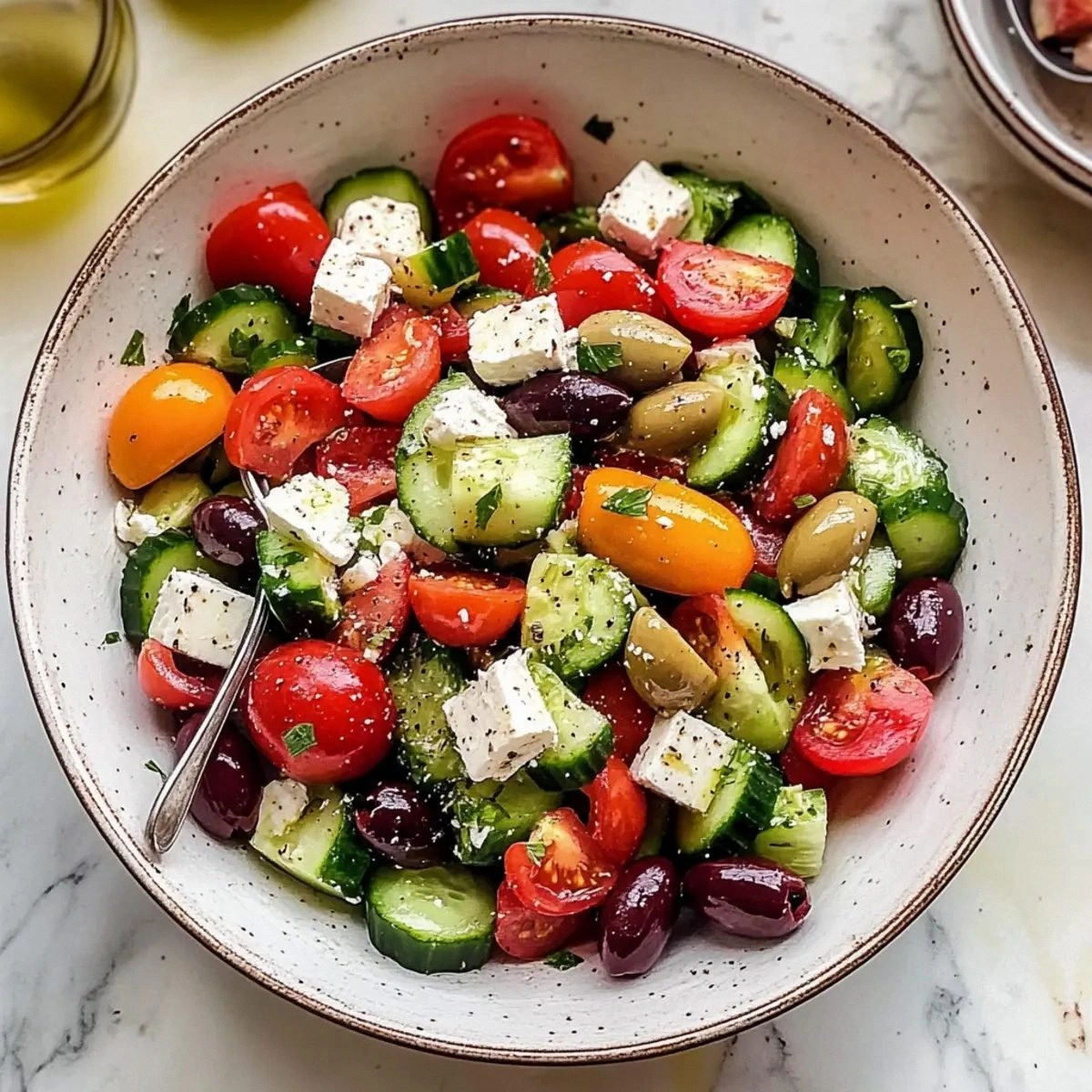
The first bite hits you with the crisp snap of English cucumber, followed by the juicy burst of sun‑kissed tomatoes that practically melt on your tongue. The red onion adds a sharp bite that cuts through the richness of the olive‑oil‑laden vinaigrette, while the Kalamata olives bring that briny, Mediterranean whisper you’ve been craving. And then there’s the vegan feta—creamy, slightly tangy, and crumbly enough to mimic its dairy counterpart without compromising the plant‑based promise. The whole thing is tossed in a dressing that coats each piece like a silk scarf, thanks to the perfect balance of extra‑virgin olive oil, red wine vinegar, lemon juice, and a hint of maple syrup that adds just the right touch of sweetness.
Most Greek salad recipes get this completely wrong. They either drown the veggies in oil, forget the essential oregano, or skip the crucial step of letting the flavors marry for a few minutes. Here’s what actually works: a quick “marinate‑then‑toss” technique that lets the cucumber and tomato absorb the vinaigrette, a secret dash of Dijon mustard that emulsifies the dressing into a glossy, velvety coat, and a generous sprinkle of dried oregano that releases an earthy perfume reminiscent of sun‑drenched hillsides. The result? A salad that’s fresh enough for a summer brunch but hearty enough to stand up as a main course on a breezy evening.
And now for the twist that will make you the hero of your next dinner party: I’m tossing in a pinch of maple syrup, not for sweetness alone, but to balance the acidity and give the dressing that glossy finish that makes every bite look Instagram‑ready. I dare you to taste this and not go back for seconds. Let me walk you through every single step — by the end, you’ll wonder how you ever made it any other way.
What Makes This Version Stand Out
- Flavor Explosion: The combination of lemon juice, red wine vinegar, and a whisper of maple syrup creates a sweet‑tart balance that dances on the palate, making each bite unforgettable.
- Texture Symphony: Crunchy cucumber, juicy tomatoes, and creamy vegan feta provide a mouthfeel that’s as varied as a Greek chorus, keeping you engaged from first forkful to last.
- Simplicity Redefined: With just a handful of pantry staples and a 15‑minute prep, this salad proves that gourmet doesn’t have to be complicated.
- Ingredient Integrity: We use good‑quality tomatoes and extra‑virgin olive oil, because the foundation of any great salad is the quality of its base ingredients.
- Crowd‑Pleaser Factor: Even the most skeptical meat‑eaters admit this version steals the show, often begging for the recipe after the first bite.
- Make‑Ahead Magic: The dressing can be prepared ahead of time, allowing the flavors to meld overnight for an even deeper taste profile.
- Versatile Serving: Perfect as an appetizer, side, or even a light main when paired with crusty bread or a protein‑rich grain.
- Eco‑Friendly Choice: All ingredients are plant‑based, reducing the environmental footprint while delivering a hearty, satisfying meal.
Alright, let's break down exactly what goes into this masterpiece...
Inside the Ingredient List
The Flavor Base
Extra Virgin Olive Oil (1 cup): This is the heart of the vinaigrette, providing a buttery mouthfeel and a subtle peppery note. Skipping the extra‑virgin variety will strip the dressing of its depth and aromatic richness. If you’re watching calories, you can substitute half with a light‑taste grapeseed oil, but expect a slightly thinner coat.
Red Wine Vinegar (1/4 cup): Its sharp acidity cuts through the oil, creating balance. Using apple cider vinegar would make the dressing fruitier, which could clash with the oregano’s earthiness.
Lemon Juice (2 tablespoons): The citrus brightens the entire salad, lifting the flavors like a spotlight on a stage. Freshly squeezed is a must; bottled lemon juice introduces unwanted preservatives.
The Texture Crew
English Cucumber (1 large): Its thick skin holds firm under the dressing, providing that satisfying crunch. Peel it only if the skin is particularly thick; otherwise, the skin adds nutrients and color.
Good Quality Tomatoes (300 g): Choose ripe, firm tomatoes that burst with juice. Over‑ripe tomatoes become mushy and lose their structural integrity in the salad.
Green/Red Bell Pepper (1 medium): Adds a sweet crunch and a pop of color that makes the dish visually striking. For a milder flavor, opt for a yellow bell pepper.
Red Onion (1 medium): Its sharp bite is mellowed by the vinaigrette, creating a sweet‑onion flavor that pairs beautifully with olives. If raw onion is too pungent for you, soak the slices in cold water for 10 minutes.
The Unexpected Star
Kalamata Olives (15): These briny gems deliver a salty umami punch that mimics the traditional Greek flavor profile. Rinse them briefly if you prefer a less intense saltiness.
Vegan Feta (200 g): Made from almond or soy, this cheese offers a crumbly texture and tangy flavor without dairy. If you can’t find vegan feta, crumble a firm tofu marinated in lemon juice and nutritional yeast.
The Final Flourish
Garlic (1 clove): Minced finely, it infuses the dressing with a warm, aromatic base. Over‑crushing garlic can make the vinaigrette bitter, so a gentle mince is best.
Dried Oregano (1 tsp): The quintessential Greek herb, it releases a piney, slightly bitter aroma when mixed with oil. Fresh oregano works too, but you’ll need double the amount.
Dijon Mustard (1 tsp): Acts as an emulsifier, binding oil and vinegar into a silky sauce. Skip it and you’ll end up with a separated, oily dressing.
Maple Syrup (1 tsp): Balances acidity and adds a subtle caramel note that rounds out the flavor. Agave nectar is a suitable alternative.
Salt & Cracked Black Pepper (to taste): These seasonings bring everything together. Remember, the olives already contribute salt, so taste before adding more.
Everything's prepped? Good. Let's get into the real action...
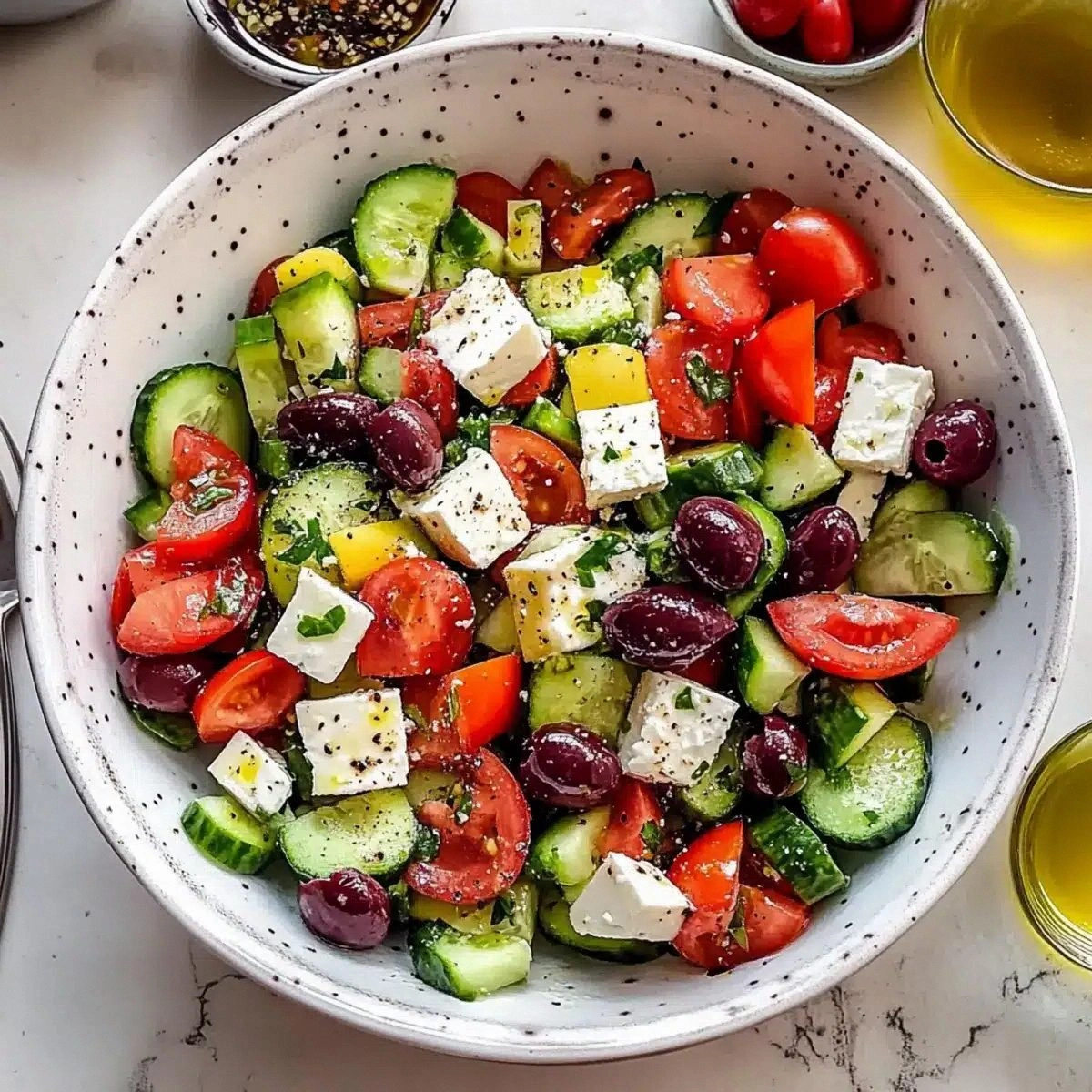
The Method — Step by Step
Start by washing all fresh produce under cold running water. Pat the cucumber, tomatoes, and bell pepper dry with a clean kitchen towel. This step is crucial because excess water will dilute the vinaigrette later, turning your salad soggy. I always take a moment to admire the colors—green, red, and gold—because cooking should be a feast for the eyes as well as the palate.
Dice the cucumber into bite‑size cubes, removing the seeds as suggested in the earlier hack. Slice the tomatoes into wedges, keeping the skins on for texture and nutrients. Cut the bell pepper into thin strips, and thinly slice the red onion into half‑rings. The uniform size ensures every forkful gets an even distribution of flavors.
Now, let’s build the dressing. In a medium bowl, whisk together the extra virgin olive oil, red wine vinegar, lemon juice, and maple syrup. Add the minced garlic, Dijon mustard, dried oregano, and a pinch of salt and cracked black pepper. Whisk vigorously until the mixture emulsifies into a glossy, slightly thickened vinaigrette. That sheen? Pure magic.
Pour half of the dressing over the diced cucumber and tomatoes, then gently toss. Let the vegetables sit for about five minutes; this brief marination allows the cucumber to absorb the tangy notes, preventing it from staying bland. You’ll notice the cucumber’s surface turning a light sheen—this is the flavor seeping in.
While the veggies marinate, crumble the vegan feta into a large salad bowl. Add the bell pepper strips, red onion rings, and Kalamata olives. If you’re a fan of extra brine, give the olives a quick rinse; otherwise, toss them in whole for that burst of salty goodness.
After the five‑minute soak, combine the marinated cucumber and tomatoes with the rest of the bowl. Drizzle the remaining dressing over the entire mixture. Toss everything together using two large spoons, ensuring every piece is lightly coated. The vinaigrette should cling to each vegetable like a delicate veil, not pool at the bottom.
Give the salad a final taste test. Adjust salt and pepper if needed—remember the olives already bring a salty punch. If the dressing feels too sharp, add a tiny drizzle of extra olive oil or a pinch more maple syrup to mellow it out. This is the moment of truth: the balance should feel bright, savory, and just a touch sweet.
Serve immediately, or cover and let it rest in the fridge for 15‑20 minutes. The resting time lets the flavors meld even deeper, turning a simple salad into a layered masterpiece. Garnish with a sprinkle of extra oregano or a few whole olives for visual flair. And there you have it—your ultimate vegan Greek salad, ready to wow any crowd.
That's it — you did it. But hold on, I've got a few more tricks that'll take this to another level...
Insider Tricks for Flawless Results
The Temperature Rule Nobody Follows
Never dress a salad with a cold vinaigrette straight from the fridge. Let the dressing sit at room temperature for a few minutes; the oil will become more fluid, coating the veggies evenly. I once tried a chilled dressing and ended up with a clumpy mess that fell to the bottom of the bowl. The lesson? Warm oil equals a smoother, more cohesive salad.
Why Your Nose Knows Best
Before you even taste the salad, give the dressing a quick sniff. If you detect a sharp vinegar bite, add a pinch more maple syrup or a splash of olive oil. Your olfactory system can catch imbalances faster than your palate, saving you from a sour surprise.
The 5‑Minute Rest That Changes Everything
After tossing, let the salad rest for exactly five minutes. This short pause allows the cucumber to absorb the vinaigrette, the onions to mellow, and the feta to soften slightly. Skipping this step is like serving a movie before the opening credits—something essential is missing.
Salt Strategy for the Perfect Bite
Because Kalamata olives are already salty, start with half the recommended salt. Taste, then add more if needed. Over‑salting is a common pitfall that can mask the delicate flavors of lemon and oregano.
Crush the Garlic, Not the Olive Oil
When mincing garlic, use a micro‑plane or a garlic press instead of crushing it with the flat side of a knife. This releases more aromatic oils without turning the garlic into a bitter paste.
Creative Twists and Variations
This recipe is a playground. Here are some of my favorite ways to switch things up:
Sun‑Dried Tomato Surprise
Swap half of the fresh tomatoes for sun‑dried tomatoes rehydrated in warm water. The concentrated umami adds depth, and the chewy texture contrasts nicely with the crisp cucumber.
Herb‑Infused Olive Oil
Infuse the olive oil with rosemary or thyme before making the dressing. This aromatic twist brings a piney note that pairs beautifully with the oregano, creating a layered herb profile.
Spicy Kick
Add a pinch of red pepper flakes to the vinaigrette or toss in thinly sliced jalapeños. The heat will cut through the richness, perfect for those who love a little fire.
Grain‑Boosted Bowl
Mix in a cup of cooked quinoa or farro for a heartier version. The grains soak up the dressing, turning the salad into a satisfying main dish.
Greek Yogurt Dressing (Non‑Vegan Option)
If you’re not strictly vegan, replace half the olive oil with Greek yogurt for a creamier texture. The tang from the yogurt amplifies the lemony brightness.
Roasted Veggie Remix
Quickly roast the bell pepper and red onion with a drizzle of olive oil before adding them. The caramelized edges add a smoky sweetness that elevates the entire salad.
Storing and Bringing It Back to Life
Fridge Storage
Transfer leftovers to an airtight container and store in the refrigerator for up to 3 days. Keep the dressing separate if you prefer the veggies to stay crisp; combine just before serving.
Freezer Friendly
While salads aren’t typically freezer‑friendly, you can freeze the vinaigrette alone for up to 2 months. Thaw in the fridge, give it a good shake, and use it to dress fresh greens later.
Best Reheating Method
If you’ve stored the salad with dressing mixed, gently warm the bowl in a low‑heat oven (around 150°F) for 5‑7 minutes, then stir. Add a splash of water before reheating; the steam revives the veggies and prevents them from drying out.