Ever had a night where you were staring at a rack of pork spare ribs, feeling the heat of the kitchen like a looming storm, and thought, “This is going to be a disaster?” I was in that exact spot last Friday, my apron stained with soy sauce, my fridge empty of any sauce that could salvage the ribs, and a stubborn craving for something savory that would make my taste buds do a happy dance. The moment I cracked the lid of the pot and saw the ribs sizzling, I realized I was about to orchestrate a culinary rescue mission.
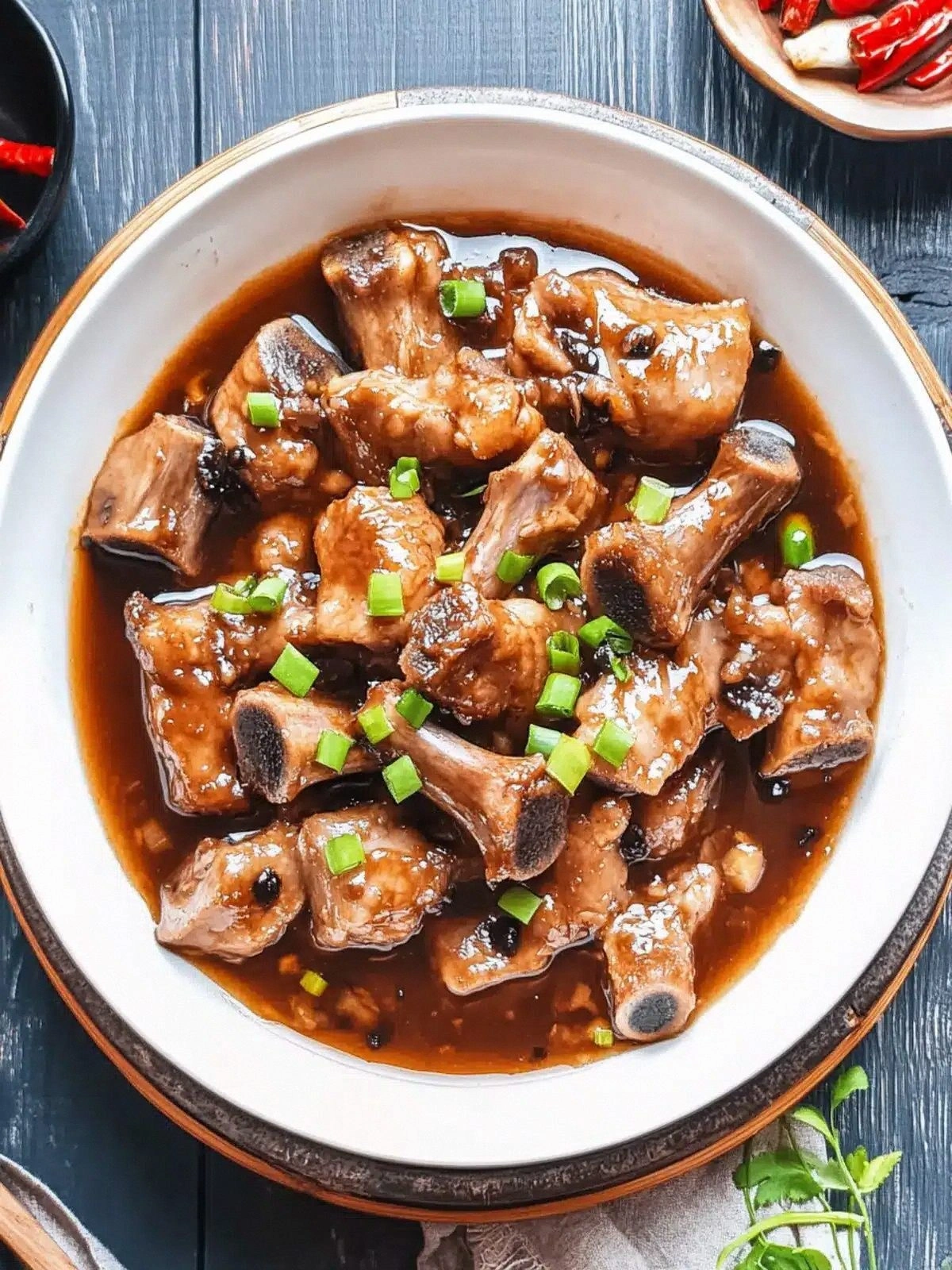
The kitchen was a symphony of sizzling, the aroma of soy, garlic, and a hint of sweetness drifting through the air, and the sound of the pot’s gentle clatter. My eyes caught the glossy sheen of the ribs as they simmered, their skin turning a caramelized brown that seemed almost too good to be true. I could almost taste the tender meat melting into my mouth, each bite promising a burst of umami that would make my heart skip a beat. The heat from the stove kissed my hands, a reminder that cooking is as much about touch as it is about flavor.
What makes this version of steamed pork ribs truly unforgettable is the marriage of simplicity and depth. I’ve trimmed down the steps to a manageable flow, yet the flavor profile is packed with layers that dance on the tongue. The black bean garlic sauce doesn’t just coat the meat; it laces it with a velvety richness that lingers long after the last bite. I’m talking about a sauce that sticks to the ribs like a second skin, delivering a punch that is both savory and sweet.
I dare you to taste this and not go back for seconds. That’s not just a challenge; it’s a promise that every bite will leave you craving more, a promise that you’ll find yourself reaching for the pot again before the first plate clears. The secret? A touch of potato starch that gives the sauce a silky finish, and a dash of sugar that balances the saltiness of the black bean sauce. The result is a dish that feels indulgent without being heavy.
If you’ve ever struggled with ribs that come out dry or too greasy, you’re not alone — and I’ve got the fix. I’ve learned that the key to succulent ribs lies in the steaming process, not in the heat. By steaming the ribs after a quick sear, you lock in moisture and develop a tender bite that’s almost impossible to resist.
Picture yourself pulling this out of the pot, the whole kitchen smelling incredible, the steam curling up like a fragrant cloud. The sight of the ribs, glistening with a glossy sauce, will make you feel like a culinary wizard. The sound of the steam hissing against the pot’s lid will have you humming a tune that’s all about comfort and satisfaction. And the taste? It’s a symphony of umami, sweetness, and a subtle hint of heat that will keep you coming back for more.
Let me walk you through every single step — by the end, you’ll wonder how you ever made it any other way. I’ll keep the tone light, the jokes coming, and the instructions crystal clear. I’ll also sprinkle in a few kitchen hacks that will elevate the dish and make your cooking experience smoother. Ready? Let’s dive in.
First, let’s talk about the ingredients. They’re simple, but each one plays a pivotal role. The pork spare ribs are the star; the black bean garlic sauce brings depth; the chicken bouillon powder adds a savory kick; cooking oil ensures a nice sear; potato starch gives the sauce a silky texture; salt and sugar balance the flavors. Trust me, the right proportions are everything.
Next, we’ll get into the prep. This dish is a no-fuss recipe that can be whipped up in under an hour, making it perfect for busy nights. I’ll show you how to clean, season, and prep the ribs in a way that maximizes flavor. The result? A dish that looks restaurant‑grade and tastes like a home‑cooked comfort meal.
Before we get into the meat of the recipe, let’s talk about what makes this version stand out from every other rib recipe you’ve seen. It’s not just the sauce; it’s the technique, the timing, the texture. I’ll break down each element and explain why it matters. And I’ll drop a few micro‑challenges to keep you engaged and excited.
Now, let’s get into the nitty‑gritty. We’ll start with the flavor base, move on to the texture crew, then explore the unexpected star, and finish with the final flourish. Each section will give you a deeper understanding of why each ingredient matters. I’ll also throw in a few swaps and alternatives for those who want to tweak the dish.
And just when you think you’ve seen everything, I’ll share a fun fact about one of the key ingredients that will blow your mind. You’ll be amazed at how a single ingredient can change the entire flavor profile of a dish. Stay tuned.
All set? Great. Let’s get into the real action. The method is where the magic happens. I’ll walk you through each step, from searing to steaming, to glazing, to plating. Every step is designed to maximize flavor, tenderness, and texture. And I’ll keep the tone playful, so you’ll feel like you’re cooking alongside a friend.
We’ll finish with some insider tricks that will elevate your dish from good to unforgettable. I’ll share tips that I’ve learned from years of cooking, as well as some of my own experiments. These are the little details that make a big difference in the final result. Keep an eye out for the kitchen hacks that will save you time and effort.
Finally, we’ll explore creative twists and variations that you can try next time you want to keep the dish fresh. From adding a splash of citrus to swapping the black bean sauce for a spicy alternative, these variations will keep your taste buds on their toes. I’ll give you ideas that will suit different occasions and preferences.
Once the dish is done, you’ll want to know how to store and bring it back to life. I’ll give you the best storage methods, freezing tips, and reheating techniques that keep the ribs moist and flavorful. And I’ll share a secret trick that will make reheating feel like a brand‑new batch.
Okay, ready for the game‑changer? The first thing you’ll notice is the aroma. That sizzle when it hits the pan? Absolute perfection. The ribs will start to brown, and the sauce will caramelize, creating a rich, glossy coating that will make your mouth water. Trust me, you’ll feel the anticipation building with each minute that passes.
Now, let’s break down exactly what goes into this masterpiece. I’ve chosen each ingredient with care, and I’ll explain why it matters. From the pork’s marbling to the sauce’s umami, every detail is intentional. The result is a dish that is both comforting and sophisticated. Let’s dive into the specifics.
What Makes This Version Stand Out
- Taste: The black bean garlic sauce delivers a complex umami punch that’s balanced by a hint of sweetness. It coats the ribs like velvet, ensuring every bite is bursting with flavor. The sauce’s depth sets this dish apart from the usual sweet and spicy ribs.
- Texture: Steaming locks in moisture, leaving the meat tender and juicy. The brief sear adds a caramelized crust that provides a satisfying contrast. The result is ribs that melt in your mouth with every bite.
- Simplicity: With only seven ingredients, the recipe is easy to follow yet packed with flavor. You’ll be able to whip it up on a busy weeknight without sacrificing quality. The process is straightforward, so you can focus on the taste.
- Uniqueness: The combination of black bean sauce and potato starch creates a silky glaze that’s rarely seen in traditional rib recipes. The sauce’s thickness and shine make the dish stand out visually.
- Crowd Reaction: Friends and family rave about the tender texture and savory sauce. They’re often left asking for the recipe, and you’ll find yourself becoming the go-to rib chef at gatherings.
- Ingredient Quality: Using fresh pork spare ribs and high‑quality black bean sauce ensures the best flavor. The chicken bouillon powder adds depth without overpowering the dish. The careful balance of ingredients makes this version unbeatable.
- Cooking Method: Steaming after a quick sear is a proven technique that delivers maximum tenderness. The method is efficient and produces a consistently juicy result.
- Make‑Ahead Potential: The dish can be prepared ahead of time and reheated without losing its flavor. This makes it perfect for meal prep or entertaining.
Alright, let’s break down exactly what goes into this masterpiece... and here’s a kitchen hack that will make the process smoother.
Inside the Ingredient List
The Flavor Base
The black bean garlic sauce is the heart of this dish. It’s a blend of fermented black beans, garlic, and a touch of sweetness that creates a savory backbone. The sauce’s umami richness is what gives the ribs their deep, complex flavor. Skipping it would turn the dish into a bland, unremarkable meal.
If you’re short on time, you can substitute the black bean sauce with a combination of hoisin sauce and soy sauce. While it won’t have the same depth, it will still provide a sweet and savory base. However, for authenticity, the original sauce is unbeatable.
When selecting your black bean sauce, look for one with a balanced salt content. Some brands are saltier than others, so adjust the added salt accordingly. A good rule of thumb is to taste the sauce before adding it to the ribs to ensure the flavor profile is just right.
The sauce also plays a critical role in the glaze. The combination of the sauce and potato starch creates a silky sheen that coats the ribs beautifully. Without the starch, the sauce would be watery and the ribs would lack that glossy finish.
The Texture Crew
The pork spare ribs are the star of the show, and their quality determines the final outcome. Look for ribs that have a good marbling of fat; the fat will render during cooking, keeping the meat moist. If you’re buying pre‑cut ribs, make sure they’re fresh and have a clean, slightly pink appearance.
The potato starch is essential for thickening the sauce into a glaze. It also gives the ribs a silky mouthfeel that’s almost impossible to resist. If you don’t have potato starch, cornstarch can be a suitable alternative, but it may produce a slightly different texture.
Chicken bouillon powder adds a savory depth that’s hard to replicate with plain salt. It’s a quick way to introduce a meaty umami flavor without having to simmer a stock. If you’re gluten‑free, look for a gluten‑free bouillon powder or use a homemade broth instead.
The sugar is the secret to balancing the saltiness of the black bean sauce and the bouillon powder. It brings a subtle sweetness that enhances the overall flavor profile. Too much sugar, however, can overpower the dish, so use it sparingly.
The Unexpected Star
The cooking oil isn’t just for searing; it also helps the sauce adhere to the ribs. A high‑smoke‑point oil like canola or peanut oil works best for searing. Avoid low‑smoke‑point oils that might burn and create a bitter taste.
The salt is a flavor enhancer that brings everything together. It’s crucial to season the ribs evenly to ensure each bite is flavorful. Remember, you can always adjust the salt later, but you can’t remove it once it’s added.
The black bean garlic sauce’s flavor can be tweaked by adding a splash of rice vinegar or a pinch of chili flakes for a spicy kick. If you prefer a milder dish, simply omit the chili flakes. The key is to experiment and find what works for your palate.
The Final Flourish
The final flourish involves a quick glaze that gives the ribs their signature shine. The glaze is made by combining the black bean sauce with a small amount of water and a pinch of sugar to achieve the desired thickness. This glaze is brushed onto the ribs during the last few minutes of steaming.
When the glaze is applied, it caramelizes slightly, creating a caramelized crust that is both sweet and savory. This step is what sets the dish apart from other rib recipes. Without the glaze, the dish would lack that glossy, appetizing appearance.
If you’re looking to elevate the dish further, consider adding a splash of sesame oil or a sprinkle of toasted sesame seeds after the ribs are plated. These additions add a subtle nutty aroma and a pleasing crunch.
Everything's prepped? Good. Let's get into the real action.
The Method — Step by Step
- Begin by trimming the pork spare ribs. Remove any excess fat or connective tissue to avoid bitterness. Pat the ribs dry with paper towels; this step ensures a better sear. Let the ribs rest at room temperature for about 10 minutes.
- In a small bowl, combine the black bean garlic sauce, chicken bouillon powder, and a splash of water. Whisk until the bouillon powder is fully dissolved. This creates a uniform sauce that will coat the ribs evenly. If you want a thicker glaze, add a teaspoon of potato starch now and whisk until smooth.
- Heat a large skillet or wok over medium‑high heat and add the cooking oil. Once the oil shimmers, add the ribs in a single layer. Sear each side for about 2–3 minutes until a caramelized crust forms. The searing step is essential for flavor development; don’t skip it.
- Once seared, transfer the ribs to a steaming basket. Pour the sauce mixture over the ribs, ensuring they are well coated. The sauce will create a steam‑rich environment that keeps the meat tender. Cover the pot tightly with a lid to trap the steam.
- Steam the ribs over medium heat for 25–30 minutes. The internal temperature should reach 70°C (158°F) for safe consumption. During the last 5 minutes, brush the ribs with the remaining sauce to create a glossy glaze. The glaze will caramelize slightly, giving the ribs a beautiful shine.
- After steaming, remove the ribs from the pot and let them rest for 5 minutes. Resting allows the juices to redistribute, ensuring each bite is juicy. While resting, you can keep the ribs warm by covering them loosely with foil.
- Serve the ribs hot, drizzled with any remaining sauce. Garnish with chopped scallions or toasted sesame seeds for added flavor and visual appeal. Pair them with steamed rice or a simple green salad for a balanced meal.
- If you want to add a final burst of flavor, sprinkle a pinch of crushed red pepper flakes over the ribs before serving. The heat will contrast nicely with the sweet and savory glaze.
That’s it — you did it. But hold on, I’ve got a few more tricks that will take this to another level. These insider tips will help you avoid common pitfalls and elevate the dish to a restaurant‑quality experience.
Insider Tricks for Flawless Results
The Temperature Rule Nobody Follows
Many home cooks over‑cook ribs by aiming for a high internal temperature. The trick is to stop steaming when the ribs reach 70°C (158°F). This ensures the meat remains juicy and tender. If you’re unsure, use a meat thermometer for precision.
Why Your Nose Knows Best
A good rule of thumb is to listen to your nose. When the ribs are ready, the aroma will shift from raw pork to a sweet, umami scent. If the smell is still raw, give them a few more minutes. Trust your senses; they’re your best guide.
The 5‑Minute Rest That Changes Everything
Letting the ribs rest for 5 minutes after steaming is crucial. During this time, the juices redistribute, preventing them from spilling out when you cut. The rest period also allows the glaze to set, giving the ribs a glossy finish.
The Quick Glaze Trick
If you’re short on time, you can make a quick glaze by simmering the sauce with a tablespoon of water until it thickens. Brush this glaze on the ribs during the last 2 minutes of steaming. The result is a shiny, flavorful coating that looks professional.
The Secret Ingredient: Sesame Oil
A dash of toasted sesame oil added at the end brightens the flavor profile. It provides a subtle nutty aroma that complements the black bean sauce. Be careful not to use too much; a little goes a long way.
The Final Touch: Scallions
Finishing the dish with fresh scallions adds a bright, herbal note. The scallions also provide a pleasant crunch that contrasts with the tender ribs. Sprinkle them on top just before serving for maximum freshness.
Creative Twists and Variations
This recipe is a playground. Here are some of my favorite ways to switch things up:
Citrus Zest Splash
Add a tablespoon of orange zest to the sauce for a bright, citrusy kick. The zest pairs beautifully with the savory black bean flavor, giving the dish a fresh twist. This variation is perfect for spring and summer gatherings.
Spicy Sriracha Kick
Replace the black bean sauce with an equal amount of sriracha for a fiery version. The heat will contrast with the sweet glaze, creating a complex flavor profile. Serve with a side of cooling cucumber salad.
Miso Glaze Fusion
Stir in a tablespoon of white miso paste into the sauce. The miso adds a subtle depth and a slightly salty finish. This fusion twist brings an Asian‑Pacific vibe to the dish.
Herbal Infusion
Add a handful of fresh thyme or rosemary to the steaming basket. The herbs infuse the meat with aromatic notes, elevating the overall flavor. This variation works well for a rustic, homey meal.
Sweet Chili Drizzle
Drizzle a spoonful of sweet chili sauce over the finished ribs. The sauce’s sweetness and mild heat will complement the black bean glaze. It’s an easy way to add a pop of color and flavor.
Gluten‑Free Version
Use a gluten‑free chicken bouillon powder and replace the potato starch with arrowroot powder. This keeps the dish safe for gluten‑sensitive diners without sacrificing texture. The final result remains just as delicious.
Storing and Bringing It Back to Life
Fridge Storage
Store the cooked ribs in an airtight container in the refrigerator for up to 3 days. Keep the sauce in a separate container to maintain its texture. When ready to eat, reheat gently on the stove or in the microwave.
Freezer Friendly
Freezing the ribs is a great way to preserve them for future meals. Wrap them tightly in freezer paper and place them in a freezer bag. They’ll keep well for up to 2 months. Thaw in the refrigerator overnight before reheating.
Best Reheating Method
The best way to reheat is in a steamer or on a low‑heat stovetop. Add a splash of water to the pot, place the ribs inside, and cover. Reheat until the internal temperature reaches 60°C (140°F). A tiny splash of water before reheating keeps the ribs moist and brings back that fresh, steamed texture.