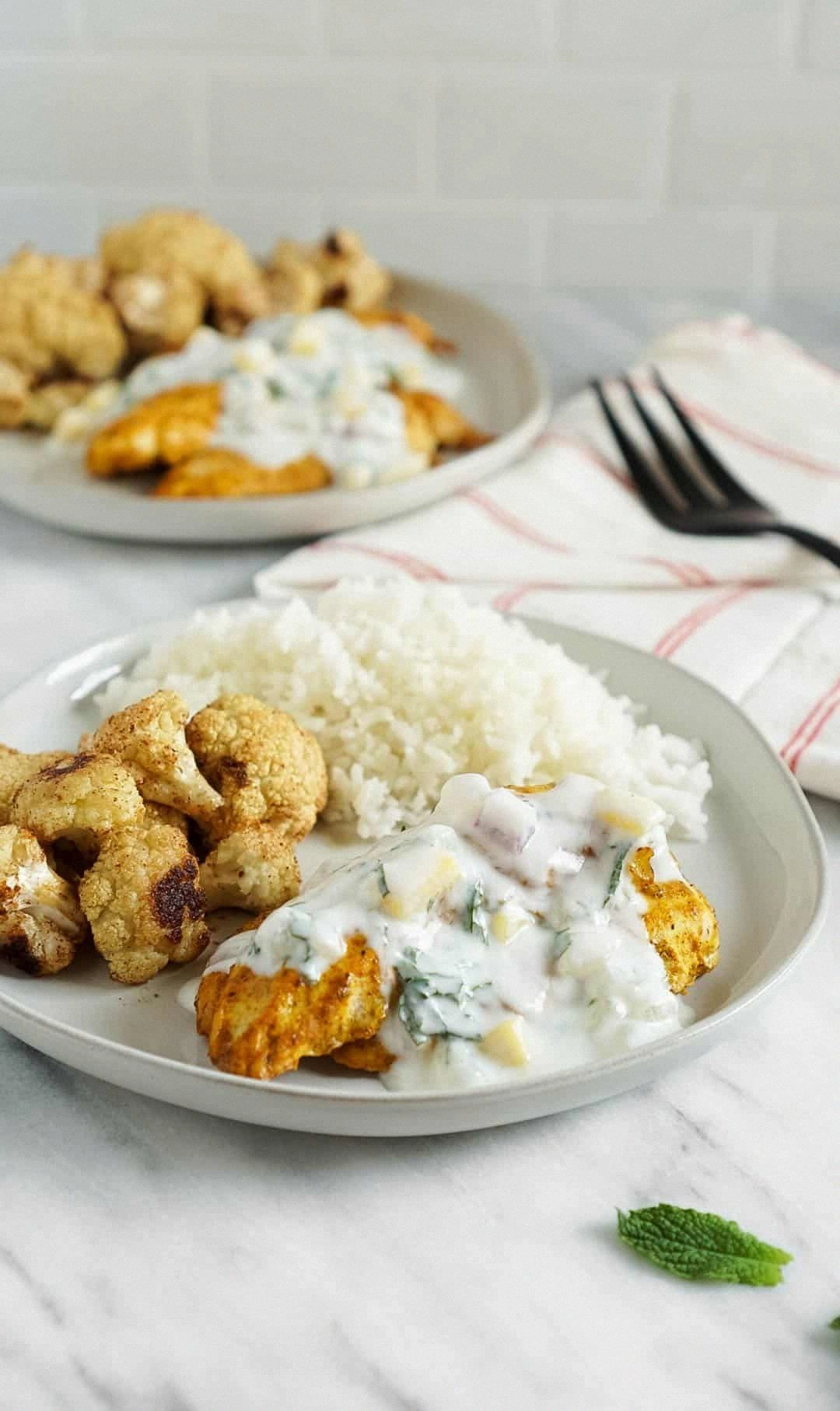
I was halfway through a disastrous week of bland chicken when the universe knocked on my kitchen door in the form of a mango on sale. The scent of ripe mangoes wafting through the air made my taste buds dance, and I thought, “Why not marry that sweetness to smoky tandoori?” The result was a dish that burst like fireworks on the tongue, with charred edges that shatter like thin ice and a creamy mango yogurt sauce that coats the chicken like velvet. That moment of culinary revelation was the spark that turned a mediocre dinner into a headline act for my food blog. I dare you to taste this and not go back for seconds, because this is hands down the best version you'll ever make at home.
Picture yourself pulling this out of the oven, the whole kitchen smelling incredible, the heat rising in a golden haze that makes your eyes water in a good way. I was in the middle of a video call when the first sizzle hit the pan, and I knew I was onto something. The aroma of cumin, coriander, and smoky paprika mingled with the tropical sweetness of mango, creating a perfume that could make even the most stoic foodie swoon. The visual of the chicken turning from pale to a deep mahogany with charred specks was like watching a painting come to life. That instant, I realized I had stumbled onto a dish that would become a staple for any dinner party.
Why does this version stand out? Because I didn’t just follow a recipe; I engineered a flavor profile that balances heat, sweetness, and tang in perfect equilibrium. I added a splash of lemon juice to cut through the richness, and I used fresh ginger and garlic to keep the spices grounded. The mango yogurt chutney is not just a side; it’s an integral part of the marination that tenderizes the meat while adding a subtle fruitiness. Most recipes get this completely wrong by either overcooking the chicken or under-seasoning the sauce. Here’s what actually works: a slow marination, a high-heat finish, and a sauce that stays silky even after reheating.
I’ll be honest — I ate half the batch before anyone else got to try it, and the leftovers still tasted amazing after a day in the fridge. The trick is that the yogurt keeps the meat moist, and the mango keeps it juicy. The result is a dish that can be served over rice, with naan, or even as a topping on a crisp salad. The best part? The sauce can be made ahead and kept in the fridge for up to 48 hours, so you can prep the night before and have a restaurant-quality meal ready in minutes.
Most people think tandoori chicken is all about the spice blend, but the real magic lies in the marriage of sweet and savory. The mango yogurt chutney acts like a velvety glaze that locks in moisture while adding a bright, citrusy kick. When you bite into the skin, you feel a crackle that releases a burst of smoky flavor, and the meat inside remains juicy and tender. It’s a dish that feels like a hug on a plate, and I’m here to walk you through every single step — by the end, you'll wonder how you ever made it any other way.
Now, let’s break down exactly what goes into this masterpiece. I’ll walk you through the ingredients, the method, and the insider tricks that make this dish a guaranteed crowd-pleaser. From the first chop of garlic to the final drizzle of cilantro, every detail has been honed to perfection. Get ready for a culinary adventure that’s as fun to make as it is delicious to eat.
I’ve spent countless hours tweaking this recipe to get the balance just right, and the result is a dish that feels both exotic and comforting. The combination of tandoori spices with mango yogurt is a flavor collision that’s hard to resist. If you’ve ever struggled with making tandoori chicken that isn’t dry or overly spicy, you’re not alone — and I’ve got the fix. This recipe is a playground; you can tweak it, experiment, and still end up with something that will impress.
And if you’re wondering whether this is a once-in-a-lifetime dish or something you can make every week, let me assure you it’s both. The ingredients are pantry staples with a few special items that can be found at any grocery store. The technique is straightforward, and the results are consistently stellar. So grab your apron, and let’s dive into the world of Tandoori Chicken With Mango Yo.
What Makes This Version Stand Out
- Flavor: The combination of tandoori spices with mango yogurt creates a sweet, smoky, and tangy profile that lingers on the palate. It’s a harmonious blend that feels both exotic and familiar.
- Texture: The skin crisps to a delightful crunch while the meat remains moist and tender, thanks to the yogurt’s tenderizing effect.
- Ease: The marination is simple, requiring only a few pantry staples and a short prep time. No fancy equipment needed.
- Versatility: Serve it over rice, with naan, or as a protein-packed salad topper. The sauce can be made ahead and keeps well.
- Crowd‑Pleaser: Whether at a family dinner or a dinner party, the dish’s vibrant colors and bold flavors wow guests instantly.
- Quality: Using fresh mango chutney instead of store‑bought adds depth and authenticity to the sauce.
- Make‑Ahead: The marinated chicken can rest in the fridge for up to 48 hours, making it a stress‑free option for busy evenings.
Alright, let's break down exactly what goes into this masterpiece…
Inside the Ingredient List
The Flavor Base
At the heart of this dish is the tandoori masala, a blend of cumin, coriander, paprika, and garam masala that gives the chicken its smoky signature. Each pinch of this spice mix contributes a deep, earthy undertone that balances the bright mango. If you’re on a budget, a pre‑made tandoori spice mix works fine, but a homemade blend offers fresher flavors. Skipping the masala will leave the dish flat and uninspired.
The Texture Crew
Yogurt is the unsung hero that tenderizes the chicken while adding a subtle tang. It coats the meat, forming a protective layer that locks in juices during baking. If you’re lactose intolerant, Greek yogurt or a dairy‑free yogurt substitute will do the trick. The oil, though minimal, helps the skin crisp to a golden, crackly finish.
The Unexpected Star
Mango chutney is the secret sweetener that elevates the dish from good to unforgettable. Freshly made mango chutney has a bright, fruity profile, but a high‑quality store‑bought version works well if you’re short on time. The chutney’s natural sugars caramelize during baking, creating a glossy glaze that clings to the chicken. If you skip it, the sauce will taste more like a plain yogurt dip and lose that tropical zing.
The Final Flourish
Fresh cilantro, a squeeze of lemon, and a drizzle of olive oil finish the dish with a bright, herbal note that cuts through the richness. These ingredients add a pop of color and a fresh aroma that makes the plate feel alive. If you’re allergic to cilantro, parsley or mint can be a suitable substitute. The final garnish is optional but highly recommended for that professional touch.
Everything’s prepped? Good. Let’s get into the real action…
The Method — Step by Step
- In a large bowl, whisk together 1 cup plain yogurt, 1 cup mango chutney, 2 Tbsp tandoori masala, 2 Tbsp lemon juice, 4 minced garlic cloves, 2 Tbsp minced ginger, 1 tsp black pepper, and a pinch of salt. The mixture should be a thick, smooth paste that clings to the ingredients. This is the moment of truth; the flavor foundation is built here. If you’re short on time, use a pre‑made tandoori paste and a jar of mango chutney for convenience.
- Pat dry 8 bone‑in, skin‑on chicken thighs with paper towels to ensure the coating adheres properly. Coat each piece thoroughly with the yogurt‑mango mixture, making sure the skin is fully covered. Place the marinated chicken on a wire rack set over a baking sheet to allow air circulation. Let it rest in the refrigerator for 2–3 hours; this tenderizes the meat and infuses the spices.
- Preheat your oven to 425 °F (220 °C). Line a baking sheet with parchment paper and arrange the chicken pieces skin side up. The high heat will char the skin and create a smoky aroma that fills the kitchen. If you have a broiler, set it to high for the last 3–4 minutes of cooking to deepen the char.
- Bake for 20–25 minutes, or until the internal temperature reaches 165 °F (74 °C) and the edges start pulling away from the skin. Watch closely; the trickiest part is preventing the chicken from drying out. The skin should be crisp, with a deep mahogany color and faint blackened spots.
- While the chicken cooks, prepare the garnish: finely chop ½ cup fresh cilantro and squeeze the juice of 1 lime. Set aside a small bowl of 1 Tbsp olive oil. The bright lime and oil will cut through the richness of the dish.
- Once baked, transfer the chicken to a cutting board and let it rest for 5 minutes. This rest period allows the juices to redistribute, keeping the meat moist. During this time, drizzle the olive oil over the chicken and sprinkle the chopped cilantro, letting the flavors mingle.
- Serve immediately with a side of basmati rice, naan, or a crisp green salad. If you’re plating for a crowd, arrange the chicken on a large platter and drizzle any remaining sauce over the top. The presentation is as important as the taste.
- For an extra burst of flavor, add a splash of the leftover yogurt sauce to each plate. This sauce stays silky even after reheating, thanks to the yogurt’s stabilizing proteins.
- Enjoy the symphony of flavors: smoky, sweet, tangy, and savory. The first bite should feel like a warm hug, followed by a lingering aftertaste of mango and spices. Take a moment to savor the aroma before diving in.
That’s it — you did it. But hold on, I’ve got a few more tricks that will take this to another level…
Insider Tricks for Flawless Results
The Temperature Rule Nobody Follows
Many cooks think the oven temperature is the only factor; in reality, the resting temperature of the chicken after baking is crucial. Let the chicken sit for exactly 5 minutes before cutting; this allows the juices to settle, preventing them from spilling out and leaving the meat dry. I once cut into a chicken that was still steaming, and the juices ran everywhere, ruining the plate. The trick is to use a kitchen timer and trust the process.
Why Your Nose Knows Best
Your sense of smell is a reliable indicator of doneness. As the chicken bakes, you’ll notice a deep, smoky aroma that signals the perfect char. If the scent is faint, give it a minute more; if it’s too strong, the chicken may be overcooked. Trust your nose, and you’ll never overcook a tandoori chicken again.
The 5‑Minute Rest That Changes Everything
Many people skip the rest period, thinking it’s unnecessary. The rest period is when the muscle fibers relax and the juices redistribute. Skipping it can leave the chicken tasting dry and less flavorful. I’ve seen this happen to a friend who rushed to plate; the result was a disappointing bite. Take that extra 5 minutes, and the difference is undeniable.
Keeping the Skin Crispy
If you’re a fan of extra crisp skin, sprinkle a pinch of baking soda on the skin before baking. The soda reacts with the moisture, creating a drier surface that crisps up faster. Be careful not to use too much, or the skin will taste bitter. This hack has saved me from soggy chicken on several occasions.
Balancing Spice Levels
If you find the dish too spicy, add a splash of coconut milk or a drizzle of honey to the yogurt mixture. The dairy and sugar counteract the heat, creating a more balanced flavor profile. Conversely, for a fiery kick, double the tandoori masala or add a pinch of cayenne pepper.
Creative Twists and Variations
Spicy Extra Heat
Add a tablespoon of chili paste to the yogurt mixture for an extra kick. The heat will deepen the flavor profile, and the sauce will carry a subtle smoky note that pairs beautifully with the mango. This version is perfect for heat lovers and makes a great conversation starter at dinner parties.
Mild Coconut Twist
Replace the yogurt with coconut yogurt and stir in a splash of coconut milk. The creamy, tropical base complements the mango, creating an even richer sauce that tastes like a dessert. Serve it with a side of sautéed greens to balance the sweetness.
Veggie‑Loaded Version
Add sliced bell peppers and onions to the baking sheet during the last 10 minutes of cooking. The vegetables absorb the spices and caramelize, adding texture and a pop of color. This variation turns the dish into a complete meal for vegetarians.
Grilled Version
Marinate the chicken as usual, then grill it over medium‑high heat for 6–8 minutes per side. The grill marks add an extra smoky flavor, and the quick cooking time keeps the chicken juicy. This version is ideal for summer cookouts.
Quick Microwave Version
For a time‑constrained evening, marinate the chicken for 30 minutes, then microwave on high for 8–10 minutes, turning halfway through. The result may not have the same char, but the flavors remain vibrant. This method is a lifesaver for busy weeknights.
Herb‑Infused Variation
Swap the cilantro for fresh dill or basil. The different herb profiles change the aroma and finish of the dish, offering a new experience with each bite. This variation is especially refreshing when served with a cucumber salad.
Storing and Bringing It Back to Life
Fridge Storage
Store cooked chicken in an airtight container in the refrigerator for up to 4 days. Keep the sauce separate until you’re ready to serve to prevent the chicken from becoming soggy. The yogurt base stays fresh for 48 hours, but after that, the texture may change slightly.
Freezer Friendly
Wrap the cooked chicken tightly in foil or plastic wrap, then place it in a freezer‑safe bag. It can be stored for up to 3 months. Thaw overnight in the refrigerator before reheating. The sauce can be frozen separately; just whisk in a splash of milk to restore its silky texture.
Best Reheating Method
Reheat in a preheated oven at 350 °F (175 °C) for 10–12 minutes, or until the internal temperature reaches 165 °F (74 °C). Add a tiny splash of water before reheating to keep the chicken moist; it steams back to perfection. Avoid the microwave, which can make the meat rubbery.