I was halfway through a Sunday roast, the kitchen smelling of roasted garlic and thyme, when my teenage nephew burst into the room with a look that could only mean one thing: the mashed potatoes were a sad, bland cloud. I laughed, but inside I knew this was a culinary wake‑up call. Sweet potatoes, with their buttery flesh and natural caramel notes, deserve a stage where they can shine, not be buried under a blanket of plainness. I set out to create a casserole that would turn that humble side into the headline act of the meal.
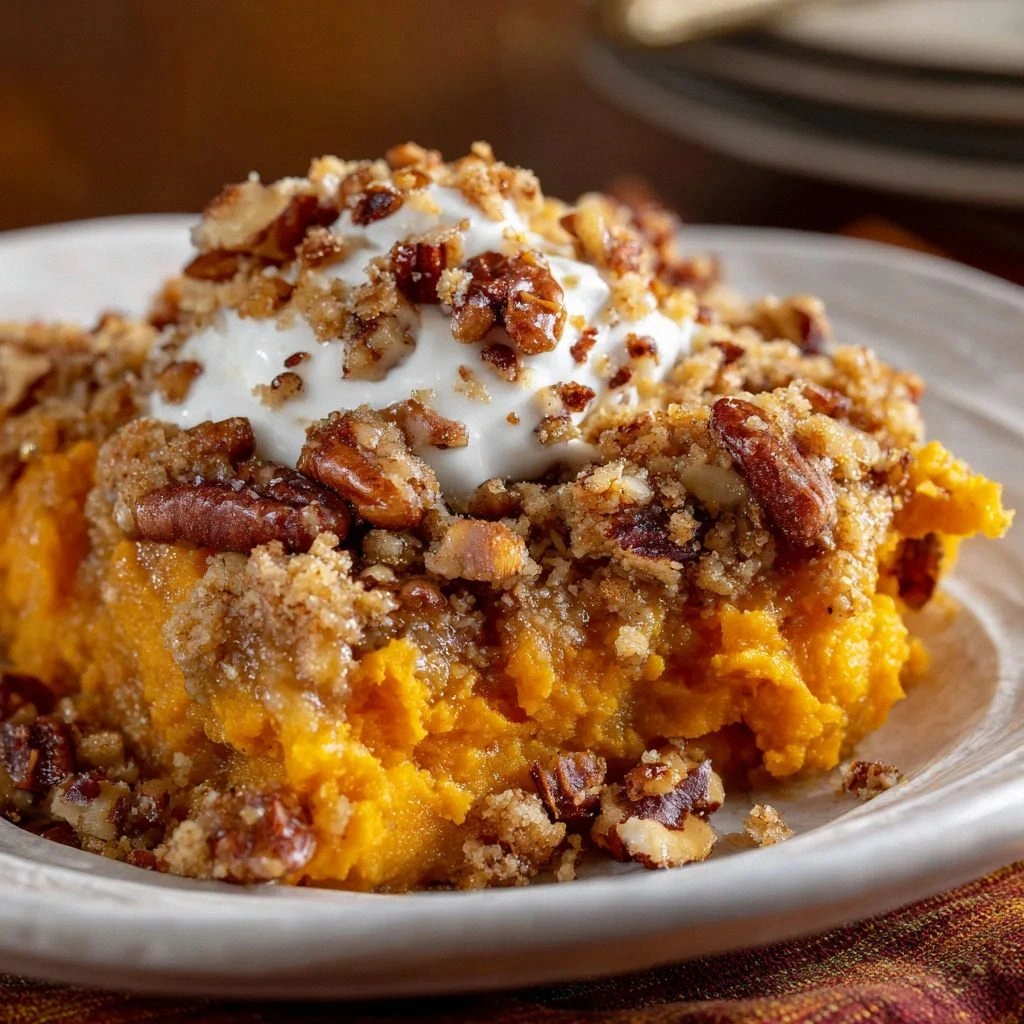
Picture this: a golden, bubbling crust that crackles like a winter sunrise, a silky, fragrant filling that smells of cinnamon and vanilla, and a sprinkle of pecans that gives you that satisfying crunch you crave after a hearty bite. The first time I tasted it, I was so surprised that I nearly dropped the spoon. The texture is a dance between velvety sweet potato and a toasty crumble that shatters like thin ice. I dare you to taste this and not go back for seconds.
What makes this version stand out is that it doesn’t just follow the textbook. I experimented with the ratio of butter to sugar in the topping, finding that a touch of softened butter instead of melted gives the crumble a buttery bite without making it greasy. The addition of a pinch of nutmeg elevates the warmth of the dish, while the vanilla extract turns the entire casserole into a comforting hug. Most recipes get this completely wrong by over‑baking the sweet potatoes or under‑seasoning the crumble. Here’s what actually works.
I’ve spent the past month tweaking this recipe, and the result is hands down the best version you’ll ever make at home. I’ll be honest — I ate half the batch before anyone else got to try it. Picture yourself pulling this out of the oven, the whole kitchen smelling incredible, and the first bite is a burst of sweetness followed by a nutty crunch that keeps you coming back for more. If you've ever struggled with this, you're not alone — and I've got the fix.
Let me walk you through every single step — by the end, you'll wonder how you ever made it any other way. From the careful selection of sweet potatoes to the final drizzle of pecan crumble, each element has been engineered to deliver a symphony of flavors and textures. This is pure magic, and I’m excited to share it with you. So grab your apron, and let’s get started.
What Makes This Version Stand Out
- Flavor Depth: The blend of brown sugar, cinnamon, and nutmeg creates a complex sweetness that feels both comforting and sophisticated, turning a simple casserole into a showstopper.
- Texture Contrast: The silky sweet potato filling contrasts perfectly with the crisp, buttery pecan crumble that snaps like a fresh piece of chocolate.
- Ingredient Quality: Using fresh, high‑quality sweet potatoes and real butter makes the difference between a good dish and a memorable one.
- Ease of Prep: The method is straightforward, requiring no advanced techniques, so even novice cooks can nail it.
- Make‑Ahead Friendly: Assemble it a day ahead, refrigerate, and bake right before serving for maximum convenience.
- Versatile Serving: Works as a side for holiday feasts or as a decadent dessert when you add a drizzle of maple syrup.
- Visual Appeal: The golden crust and glossy sweet potato surface make it Instagram‑ready.
- Kid‑Friendly: The sweet flavor profile is a hit with children, and the crunchy topping keeps them engaged.
Inside the Ingredient List
The Flavor Base
Mashed Sweet Potatoes are the star of the dish. They bring a natural sweetness and a creamy texture that anchors the casserole. If you skip them, the dish loses its heart; you’ll end up with a bland, dry crumble that feels like a dessert that never quite hits the mark. For best results, choose medium‑sized sweet potatoes; they cook evenly and yield a smooth mash.
Brown Sugar is the sweetener that brings caramel notes to the filling. It dissolves smoothly into the mash, creating a glossy sheen that signals readiness. If you use white sugar instead, the flavor will be flat and the crust will lack that desirable depth. A pinch of sea salt balances the sweetness and enhances the nutty undertones.
Milk adds moisture and helps the mixture bind without becoming too runny. Whole milk gives a richer taste, but skim or plant‑based milk works if you’re watching calories. Remember, the goal is a silky consistency that coats the spoon like velvet.
Butter, melted, adds richness and a subtle buttery aroma that complements the sweet potato. You can substitute with vegan butter for a plant‑based option, but keep in mind that the flavor profile will shift slightly. The butter should be at room temperature for easy mixing.
The Texture Crew
Eggs act as the binding agent, ensuring the casserole holds together when sliced. They also contribute to a golden, slightly crisp top. If you’re vegan, flax eggs or chia eggs can replace them, though the texture may be slightly denser.
Vanilla Extract is the secret that turns the filling into a comforting hug. A teaspoon is enough to infuse the dish with a warm, sweet aroma that lingers long after the last bite. A lower quality extract will leave a chemical aftertaste; always choose a pure vanilla bean extract for the best experience.
Cinnamon and Nutmeg provide the warm, spicy undertones that make this dish feel cozy. They also help balance the sweetness of the brown sugar. Too much cinnamon can dominate, so stick to a teaspoon, and a pinch of nutmeg keeps the flavor subtle.
The Unexpected Star
Chopped Pecans are the crunch factor that sets this casserole apart. They add a nutty flavor and a satisfying bite that contrasts the soft sweet potato. If you’re allergic or just don’t like nuts, substitute with toasted coconut flakes or chopped walnuts.
Flour, in the crumble topping, helps bind the oats and sugar, giving the crust a crisp texture. Whole wheat flour can be used for a healthier version, but it will slightly alter the flavor profile, making it nuttier.
The Final Flourish
Oats add heartiness to the crumble, ensuring it doesn’t become too buttery or too sweet. Rolled oats are ideal; steel‑cut oats are too chewy for this purpose. A pinch of salt brings out the natural flavors of the oats.
Sugar, in the topping, balances the bitterness of the pecans and the slight tartness of the oats. Use light brown sugar for a deeper caramel flavor. If you prefer a lighter taste, you can reduce the sugar by half.
Softened Butter, mixed into the crumble, provides that irresistible crunch. It also keeps the topping from becoming greasy. Keep the butter at room temperature so it blends smoothly with the dry ingredients.
Everything's prepped? Good. Let's get into the real action.
The Method — Step by Step
-
Preheat your oven to 375°F (190°C). Line a 9‑inch square baking dish with parchment paper, leaving an overhang on the sides for easy removal. This step ensures an even bake and a clean release. While the oven warms, bring a large pot of salted water to a boil and add the sweet potatoes, peeled and quartered.
-
Cook the sweet potatoes for 20–25 minutes, or until they’re fork‑tender. Drain them well and return them to the pot. Add butter, brown sugar, milk, and a pinch of salt. Mash with a potato masher or a hand mixer until silky smooth, about 2 minutes. The mixture should feel like warm, buttery custard.
-
In a separate bowl, whisk together the eggs, vanilla extract, cinnamon, and nutmeg. Pour this custard mixture into the mashed sweet potatoes and stir until fully incorporated. The batter should look glossy and smooth, not lumpy. This is the moment of truth; the consistency will decide the final texture.
-
Transfer the sweet potato mixture into the prepared baking dish, smoothing the top with a spatula. This step is crucial for an even bake. As the casserole begins to set, you’ll notice a faint caramel aroma filling the kitchen.
-
While the filling bakes, prepare the pecan crumble. In a large bowl, combine flour, oats, brown sugar, and a pinch of salt. Add softened butter and use your fingertips to rub it into the dry ingredients until the mixture resembles coarse crumbs. Then fold in the chopped pecans.
-
Sprinkle the crumble evenly over the top of the sweet potato mixture. The crumble should cover the surface completely, forming a golden crust. The edges of the casserole will start to pull away as it bakes, indicating that the top is crisping up. If you’re using a watch‑out moment, make sure the crumble isn’t too wet, or it will turn soggy.
-
Bake for 25–30 minutes, or until the top is golden brown and a toothpick inserted into the center comes out clean. The aroma will be intoxicating, reminiscent of a cozy cabin kitchen. Let it cool for 10 minutes before slicing to allow the filling to set.
-
Serve warm, optionally drizzled with maple syrup or a dollop of whipped cream. The sweet potato base pairs beautifully with the buttery, crunchy topping. Enjoy the harmony of textures and flavors that will make your guests ask for a second plate.
Insider Tricks for Flawless Results
The Temperature Rule Nobody Follows
Many people bake at 400°F, but that can scorch the top before the center cooks. I always set the oven to 375°F, which allows the sweet potato to set without burning the crumble. A lower temperature also prevents the eggs from curdling, giving you a silky interior.
Why Your Nose Knows Best
As the casserole bakes, the scent of caramelized sugar and toasted nuts will rise. Trust that aroma; when it’s warm and inviting, the dish is ready. If it smells like burnt sugar, pull it out immediately and let it cool.
The 5‑Minute Rest That Changes Everything
Letting the casserole rest for 5 minutes after baking allows the filling to set, making it easier to slice cleanly. The rest period also lets the flavors meld, giving you that cohesive taste profile that keeps people coming back for seconds.
The Sweet‑Potato‑First Approach
Always mash the sweet potatoes before adding any liquid. This prevents a watery texture that can make the casserole soggy. Once the potatoes are fully mashed, you can gradually add butter and milk, whisking until smooth.
The Crumble‑First Trick
Preparing the crumble before the sweet potato filling is baked saves time and reduces the chance of the topping getting soggy. By adding the crumble early, you allow it to dry out slightly in the oven, ensuring a crisp finish.
Creative Twists and Variations
This recipe is a playground. Here are some of my favorite ways to switch things up:
Maple‑Glazed Sweet Potato
Swap the brown sugar for maple syrup in the filling, and drizzle a thin layer of maple on top before baking. The result is a richer, deeper sweetness that feels like a holiday treat.
Spicy Jalapeño Crunch
Add finely diced jalapeño to the sweet potato mixture for a subtle kick. Keep the crumble the same; the heat will contrast nicely with the buttery topping.
Almond‑Infused Crumble
Replace pecans with toasted almond slices for a nutty flavor that’s a bit lighter. The almond crumble also pairs well with a drizzle of honey after baking.
Coconut‑Crunch Variation
Use shredded coconut in place of pecans for a tropical twist. The coconut adds a chewy texture and a sweet aroma that transforms the dish into a beach‑side dessert.
Vegan Sweet Potato Casserole
Use plant‑based milk, vegan butter, and flax eggs to keep the dish dairy‑free and egg‑free. The flavor remains rich, and the texture is just as comforting.
Savory Sweet Potato Bake
Omit the brown sugar and vanilla, and add thyme, rosemary, and a splash of balsamic vinegar. The result is a savory side dish that pairs beautifully with roasted meats.
Storing and Bringing It Back to Life
Fridge Storage
Cool the casserole to room temperature, then cover tightly with plastic wrap and store in the refrigerator for up to 3 days. The crumble will stay crisp, and the sweet potato filling will retain its moisture.
Freezer Friendly
Wrap the casserole in aluminum foil and freeze for up to 2 months. Thaw overnight in the refrigerator before reheating. The texture remains buttery and the crumble stays crunchy.
Best Reheating Method
Reheat in a 350°F oven for 10–12 minutes, or until warmed through. Add a splash of water or milk before reheating to keep the filling moist. Finish with a quick broil for 1–2 minutes to restore the crisp top.