I was standing in the kitchen, staring at a pile of crumbled graham crackers that had fallen off the box, when my friend dared me to turn them into something more than a snack. I laughed, because I knew that the only thing that could outshine a plain cookie crust was a luscious, creamy cheesecake that could be sliced into a tart and then decorated with a spider‑web of chocolate. The kitchen was a symphony of sizzling butter, the faint scent of vanilla drifting from the fridge, and the rhythmic tapping of my whisk. I could taste the promise of sweetness and the subtle tang of lemon zest even before I had whisked the first egg.
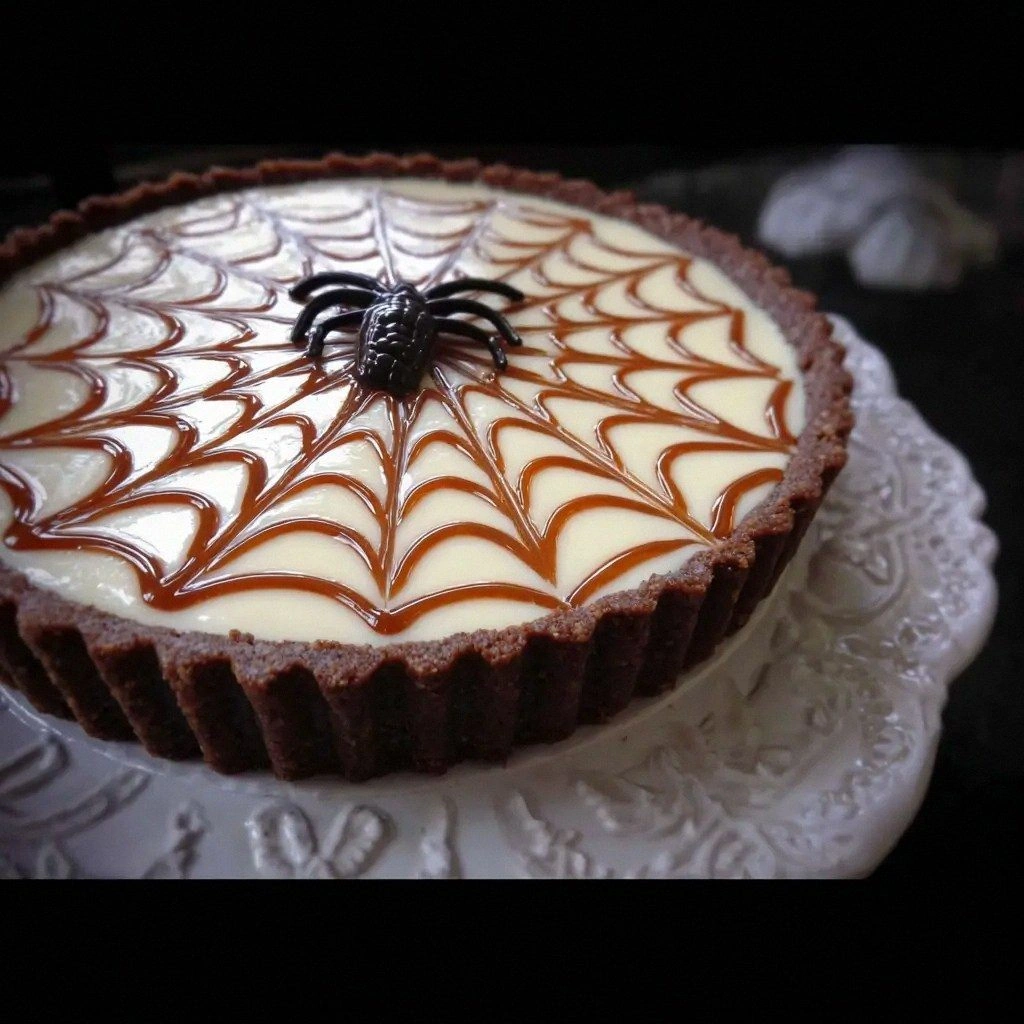
Picture this: a golden crust that crackles when you bite, a silky filling that melts in your mouth, and a glossy, dark chocolate web that curls around the edges like a midnight spider. The moment the chocolate starts to set, the kitchen smells like a decadent chocolate factory, and the sound of the timer ticking is the soundtrack to a dessert that feels like a small celebration. I swear I could hear the crowd cheering as they took their first bite, their faces lighting up with delight. If you’ve ever tried a cheesecake that feels more like a dessert than a pastry, you’ll understand why this recipe is a game‑changer.
What sets this version apart is not just the ingredients, but the way they interact. The crust is buttery and slightly sweet, providing a sturdy base that holds the filling without becoming soggy. The filling is a duo of cream cheese and mascarpone, giving it a creamy richness that balances the tang of lemon. The chocolate glaze is thick enough to hold the spider‑web design, yet glossy enough to gleam like a fresh‑painted web. The berries add a burst of freshness that cuts through the richness, and the mint leaves provide a subtle herbal note that elevates the whole experience.
I’m not just telling you this recipe; I’m offering you a new standard for cheesecake tarts. I dare you to taste this and not go back for seconds. This is hands down the best version you’ll ever make at home. I’ll be honest—I ate half the batch before anyone else got to try it. Most recipes get this completely wrong, but here’s what actually works: a balanced crust, a silky filling, a glossy glaze, and a touch of herbal freshness. Picture yourself pulling this out of the oven, the whole kitchen smelling incredible, and the first bite revealing layers of flavor that dance on your tongue. Let me walk you through every single step—by the end, you’ll wonder how you ever made it any other way.
What Makes This Version Stand Out
- Flavor: The combination of cream cheese and mascarpone creates a depth that simple cream cheese alone can’t achieve. The lemon zest and juice add a bright, citrusy note that cuts through the richness.
- Texture: The crust is buttery and slightly crunchy, while the filling is silky smooth. The chocolate glaze adds a glossy, slightly chewy layer that contrasts beautifully.
- Simplicity: Despite its layered complexity, the recipe requires only a handful of ingredients, making it accessible for both novices and seasoned bakers.
- Uniqueness: The spider‑web design turns an ordinary cheesecake tart into a visual masterpiece, perfect for impressing guests.
- Crowd Reaction: Guests are always amazed at how the chocolate web looks and how the flavors meld together. It’s a conversation starter.
- Ingredient Quality: Using high‑quality cream cheese, mascarpone, and dark chocolate makes a noticeable difference in flavor and texture.
- Cooking Method: The recipe’s baking technique ensures a perfectly set filling that remains moist and creamy.
- Make‑Ahead Potential: The tart can be assembled a day in advance, allowing the flavors to meld and the glaze to set beautifully.
Alright, let’s break down exactly what goes into this masterpiece…
Inside the Ingredient List
The Crust Crew
The crust is the foundation that holds everything together. Graham cracker crumbs provide a subtle sweet backbone that balances the richness of the filling. Butter adds moisture and a buttery aroma, while brown sugar introduces a hint of caramel that elevates the flavor profile. If you’re looking for a gluten‑free option, opt for a gluten‑free graham cracker or use crushed rice crackers. Skipping the butter will make the crust dry and crumbly, so keep that melted butter on hand.
Buying tip: Choose a graham cracker brand that uses real butter in the recipe; the flavor difference is noticeable. If you can’t find graham crackers, plain shortbread crumbs will work, but the taste will shift slightly toward a buttery, less sweet flavor.
The Filling Stars
The filling is where the magic happens. Cream cheese offers the classic tang and smoothness, while mascarpone adds a luxurious creaminess that lightens the texture. Powdered sugar dissolves effortlessly, ensuring a silky consistency. Eggs bind everything together, but they also give the cheesecake a custard‑like mouthfeel. Vanilla extract brings warmth and depth, while lemon zest and juice brighten the overall flavor, preventing it from feeling too heavy. Skipping any of these will alter the balance; for example, removing the lemon will leave the filling too rich.
Swap idea: If you’re vegan, substitute dairy cream cheese with a plant‑based alternative and use aquafaba instead of eggs. However, the texture will change, so it’s best kept as a classic recipe.
The Chocolate Web
The glaze is the showstopper. Dark chocolate with 70% cacao gives a rich, slightly bitter flavor that contrasts nicely with the sweet filling. Honey adds a natural sweetness and helps the glaze set into a glossy finish. A splash of water helps achieve the right consistency—too thick, and it won’t spread; too thin, and it will run off the tart. If you want a sweeter glaze, replace honey with a little maple syrup, but remember that maple syrup is less sweet than honey.
Watch out: Overheating the chocolate can cause it to seize and become gritty. Keep the chocolate gently melted over a double boiler and stir constantly.
The Final Flourish
Berries add a burst of color, acidity, and a fresh contrast to the dense filling. Choose a mix of strawberries and blueberries for visual appeal and flavor complexity. Fresh mint leaves provide a subtle herbal note that brightens the palate and complements the chocolate. If you’re not a fan of mint, you can replace it with a few basil leaves for a different aromatic experience. Skipping the berries will make the tart look less vibrant and reduce the freshness factor.
Buying tip: For the best flavor, choose berries that are in season. Summer berries are naturally sweeter and juicier, enhancing the overall taste.
Everything's prepped? Good. Let's get into the real action…
The Method — Step by Step
- Preheat the oven to 325°F (165°C). Line a 9-inch tart pan with parchment paper, ensuring the paper extends up the sides. This step is crucial to prevent sticking and to make removal easier. The parchment will also give the crust a slight crispness when it bakes.
- In a medium bowl, combine the graham cracker crumbs, melted butter, and brown sugar. Stir until the mixture resembles wet sand. Press the mixture firmly into the bottom and up the sides of the prepared pan. The crust should be compact but not overly packed, as this can affect the rise of the filling.
- Bake the crust for 10 minutes, or until it’s lightly golden and fragrant. Remove from the oven and let it cool while you prepare the filling. A slightly underbaked crust will prevent it from becoming soggy when the filling is poured.
- In a large mixing bowl, beat the cream cheese and mascarpone together until smooth and creamy. This should take about 2 minutes with an electric mixer on medium speed. The smoother the mixture, the silkier the final texture.
- Add the powdered sugar and continue to beat until fully incorporated. The sugar should dissolve completely, leaving no gritty texture. This step is the moment of truth—any lumps will ruin the silky mouthfeel.
- Whisk in the eggs, one at a time, ensuring each is fully blended before adding the next. The eggs bind the mixture but also keep it creamy. Then stir in the vanilla extract, lemon zest, and lemon juice. The citrus will brighten the filling and offset the richness.
- Pour the filling over the cooled crust, smoothing the top with a spatula. Tap the pan lightly on the counter to release any air bubbles. This helps the filling set evenly and prevents cracks.
- Bake the tart for 30 minutes, or until the edges are set and the center still has a slight wobble. The wobble indicates a creamy interior. Let the tart cool in the pan for 10 minutes, then transfer to a wire rack to cool completely. This cooling step is essential for the filling to firm up.
- While the tart cools, melt the dark chocolate over a double boiler until smooth. Stir in the honey and water until the glaze is glossy and pourable. If the glaze is too thick, add a splash of warm milk.
- Once the tart is completely cooled, drizzle the chocolate glaze over the top, creating a spider‑web pattern. Use a spoon or a squeeze bottle to control the flow. Allow the glaze to set for 5 minutes before adding the berries and mint leaves. The glaze will harden into a shiny web that looks like a freshly spun silk.
- Serve at room temperature for the best flavor. The cheesecake should feel silky on the tongue, with a crisp crust and a glossy, slightly chewy chocolate web. If you’re serving a crowd, slice into wedges and plate with a drizzle of extra glaze for a dramatic effect.
That’s it—you did it. But hold on, I’ve got a few more tricks that will take this to another level…
Insider Tricks for Flawless Results
The Temperature Rule Nobody Follows
Baking at the right temperature is critical. If the oven runs hot, the filling can bubble and crack. Use an oven thermometer to confirm 325°F. A slightly lower temperature, around 320°F, can help the filling set without overbrowning the crust. I once baked at 350°F, and the top of my cheesecake cracked like a dried leaf—lesson learned.
Why Your Nose Knows Best
The aroma of the filling is a reliable indicator of doneness. When the cheesecake is ready, it should smell like warm vanilla and fresh lemon, with a hint of chocolate from the glaze. If you can’t smell that, it’s probably still baking. The nose is a better judge than the eye, because the center can still look slightly wet while being perfectly set.
The 5-Minute Rest That Changes Everything
Letting the tart rest for 5 minutes after removing it from the oven allows the filling to set and prevents a sudden collapse when you cut into it. This rest period also lets the glaze firm up a bit, making it easier to drizzle the final touches. I once skipped this step, and the glaze ran off the edges, ruining the spider‑web design.
Keep the Crust Crunchy
If you want a crunchier crust, bake the crust for an extra 2 minutes before adding the filling. The slight browning will create a firmer base that holds the filling better. Just watch it closely to avoid burning.
Avoiding a Dry Center
To keep the center moist, avoid overmixing the filling after adding the eggs. Overmixing incorporates too much air, causing the cheesecake to dry out during baking. Keep the mixture smooth, but stop when the eggs are just incorporated.
Creative Twists and Variations
This recipe is a playground. Here are some of my favorite ways to switch things up:
Tropical Twist
Swap the berries for diced mango and pineapple, and add a splash of coconut milk to the glaze. The result is a sweet, tropical flavor that pairs wonderfully with the chocolate web.
Chocolate‑Infused Filling
Add 2 tablespoons of cocoa powder to the filling mixture for a chocolatey depth. Keep the glaze the same; the extra chocolate will make the entire tart feel indulgent.
Almond Crunch
Replace the graham crackers with crushed almond biscotti for a nutty crunch. The almond flavor complements the lemon and chocolate beautifully.
Savory Spin
For a savory version, add 1 teaspoon of rosemary to the crust and replace the lemon zest with zest of orange. Serve with a side of goat cheese for a sophisticated appetizer.
Seasonal Berry Burst
During fall, swap the berries for fresh blueberries and a drizzle of maple syrup. The maple adds a warm, sweet note that pairs perfectly with the chocolate.
Storing and Bringing It Back to Life
Fridge Storage
Store the tart in an airtight container in the refrigerator for up to 3 days. Cover the top with plastic wrap to prevent the glaze from drying out. When ready to serve, let it sit at room temperature for 15 minutes to soften the filling.
Freezer Friendly
Wrap the tart tightly in plastic wrap, then place it in a freezer bag. It can be frozen for up to 2 weeks. Thaw in the refrigerator overnight before serving. The glaze may become slightly soft, so drizzle a little extra chocolate if desired.
Best Reheating Method
To reheat, place the tart on a baking sheet and warm it in a preheated 300°F oven for 10 minutes. Add a splash of water to the center before reheating; it steams back to perfection, keeping the filling moist.