Picture this: I was in a rush to finish a family gathering, the clock ticking louder than the oven timer, and I accidentally dropped a cup of flour onto the floor. The kitchen looked like a winter wonderland of white, and my confidence was as low as the flour pile. I laughed, because what else could I do but turn that mess into a culinary experiment? I grabbed a jar of lemon zest, a splash of vanilla, and a handful of fresh lemons from the fridge. The idea hit me like a bright spark: soft baked lemon sugar cookies that would not only salvage the evening but also win over everyone at the table.
Imagine the moment when the dough first meets the butter—silky, buttery, the scent of fresh butter mingling with citrus. The air fills with the sharp, sweet aroma of lemon zest, a scent that can turn any weary soul into a hopeful baker. As the cookies bake, the sugar caramelizes just enough to create a faint, golden crust, while the interior stays delightfully soft. The sound of the oven door closing is a gentle promise of warmth to come. By the time the timer dings, the kitchen smells like sunshine on a rainy day.
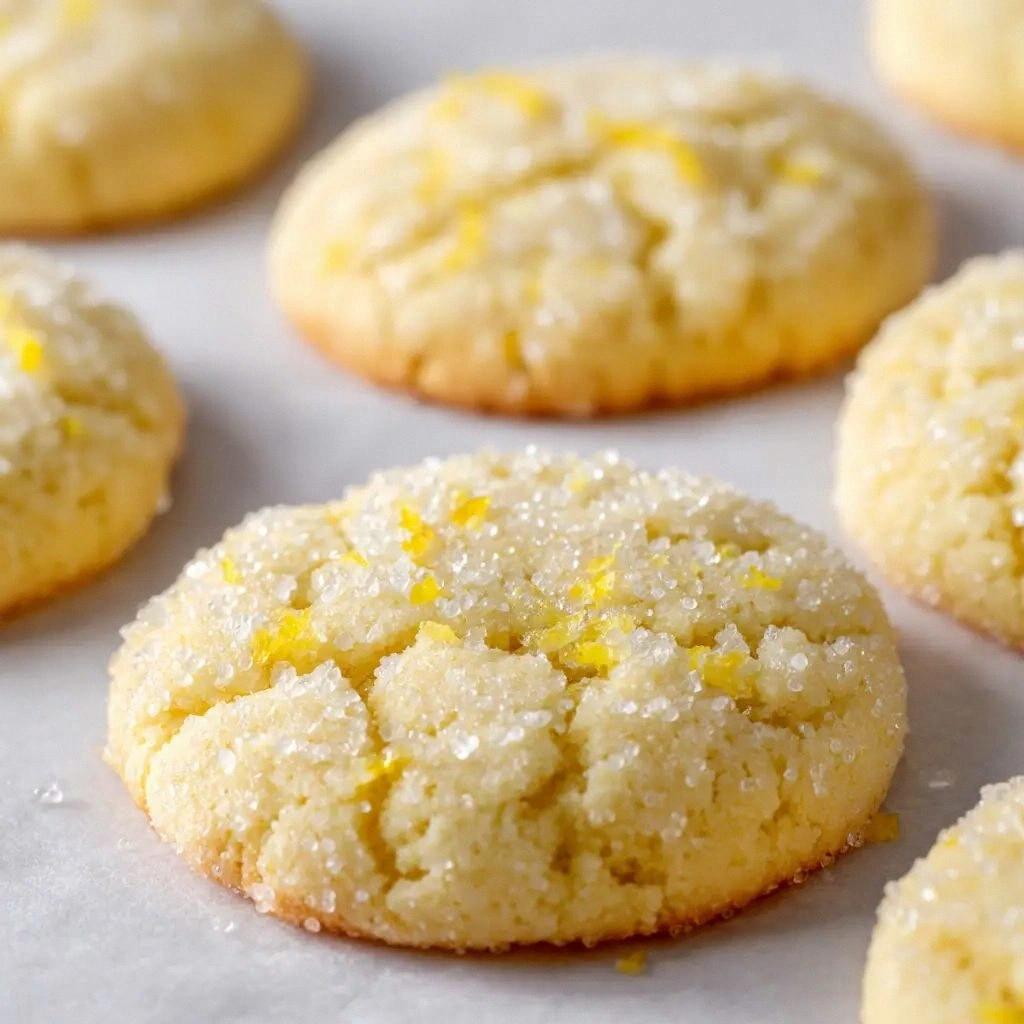
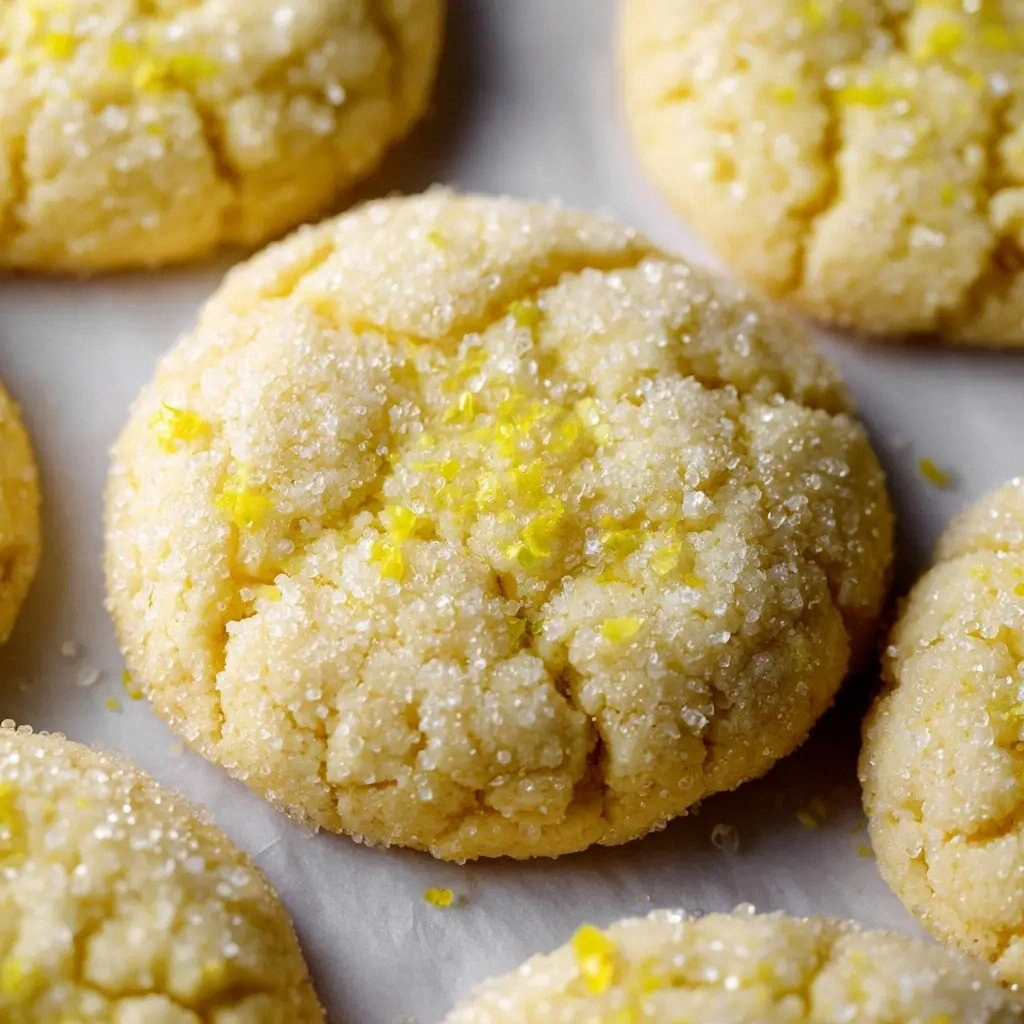
This isn’t just another lemon cookie recipe; it’s a revelation that balances texture, flavor, and simplicity in one bite. The secret is the dual sugar layers—white granulated sugar in the dough and coarse sugar on top—that give a subtle crunch without turning the cookie brittle. The addition of a dash of baking soda neutralizes the acidity of the lemon, allowing the dough to rise just enough for a tender crumb. The recipe uses fresh lemon zest instead of powder, giving a burst of bright flavor that lingers on the palate. It’s the kind of cookie that makes you question why you’ve ever settled for ordinary.
I dare you to taste this and not go back for seconds. Most recipes get this completely wrong, but here’s what actually works. Picture yourself pulling this out of the oven, the whole kitchen smelling incredible, and handing the first bite to your friend—watch their eyes widen. That moment of triumph is yours to savor. Let me walk you through every single step—by the end, you'll wonder how you ever made it any other way.
What Makes This Version Stand Out
- Taste: The bright citrus of fresh lemon zest cuts through the buttery sweetness, leaving a lingering zest that feels like a summer breeze. The subtle vanilla undertone rounds out the flavor, making each bite complex without overwhelming the palate. The final dusting of coarse sugar adds a gentle crunch that contrasts the soft interior. The combination feels like a bright, citrusy hug that stays on the tongue. The overall profile is a harmonious blend of sweet, tart, and buttery.
- Texture: The dough achieves a chewy, slightly crisp edge while remaining pillowy inside thanks to the precise balance of flour and butter. The addition of baking soda creates tiny air pockets, giving the cookie a light lift that defies its dense appearance. The result is a cookie that melts in your mouth rather than dissolving into crumbs. The edges hold a subtle snap, while the center remains tender and moist. It’s the kind of texture that invites a second bite.
- Simplicity: Only twelve ingredients, all pantry staples, make this recipe a go-to for both novices and seasoned bakers. No special equipment is required; a stand mixer or even a hand whisk will do the trick. The process is straightforward, allowing you to focus on the aroma rather than the math. The steps are clear and concise, with no confusing jargon. Even a first‑time baker can feel confident and accomplished.
- Uniqueness: The combination of fresh lemon zest with a splash of lemon juice gives depth that dry zest alone cannot provide. The dual sugar layers create a textural contrast that’s rarely seen in standard sugar cookies. The recipe’s minimalistic approach hides a sophisticated flavor profile. The lemon brightness is amplified by the subtle vanilla, creating a layered taste experience. The result is a cookie that feels both simple and complex at once.
- Crowd Reaction: Friends who’ve tried this version report that they can’t stop reaching for more, even after the first bite. The cookies are so light that they pair perfectly with tea or coffee, making them ideal for gatherings. Many say the lemon brightness lifts the mood of any gathering. The aroma alone can bring people together before the first bite. The feedback is consistently positive and enthusiastic.
- Ingredient Quality: Using fresh lemons rather than bottled juice ensures a natural, bright flavor that is free from artificial additives. The unsalted butter allows precise control over salt levels, preventing the cookies from becoming overly salty. High‑quality all‑purpose flour gives the cookies a consistent structure. The coarse sugar used on top provides a delightful crunch. The ingredients are all easy to find and inexpensive.
- Cooking Method: The method involves a simple creaming technique, followed by a gentle fold to preserve aeration. Baking at a moderate 350°F ensures even cooking without overbrowning the edges. The short bake time preserves the moisture, resulting in a chewy crumb. The dough is left to rest briefly, allowing the flavors to meld. The technique is foolproof and reproducible.
- Make‑ahead Potential: The dough can be refrigerated for up to 48 hours, and the cookies can be frozen for up to three months. The lemon flavor remains vibrant even after storage, making this a great batch‑bake recipe for busy weeks. The cookies keep their texture when reheated briefly in a low oven. They’re perfect for holiday gift baskets. The storage instructions are simple and reliable.
Alright, let's break down exactly what goes into this masterpiece...
Inside the Ingredient List
The Flavor Base
Unsalted butter is the foundation of this cookie, providing richness and a silky mouthfeel that lifts the lemon notes. The butter must be at room temperature; a cold stick will create pockets of uneven texture that ruin the crumb. Fresh lemon zest is the star; it delivers bright, aromatic oils that burst in each bite. The zest should be finely grated to avoid large pieces that could make the cookie uneven. Lemon juice adds a subtle acidity that balances the sweetness and keeps the dough from becoming too dense.
The Texture Crew
White granulated sugar is the sweetener that melts into the dough, creating a smooth base. Coarse sugar on top provides a delicate crunch that contrasts the soft interior, giving a satisfying bite. All‑purpose flour provides structure; it’s the backbone that holds everything together while allowing a tender crumb. Baking soda is the leavening agent that reacts with the lemon acidity to produce tiny bubbles, lightening the cookie. Baking powder adds an extra lift and ensures even rise, especially when the dough is chilled before baking.
The Unexpected Star
A dash of vanilla extract deepens the flavor profile, adding warmth that balances the sharp citrus. The vanilla’s subtle sweetness prevents the lemon from tasting too sharp or tart. The egg and egg yolk bind the mixture, giving the cookie structure and a glossy finish. The egg yolk, in particular, adds richness and a slight color that makes the cookie appear golden. Together, these ingredients create a complex flavor that is both simple and sophisticated.
The Final Flourish
Kosher salt is a critical component; it enhances the overall flavor and balances the sweetness. A pinch of salt is enough to bring out the best in the lemon and butter. The final step of adding the coarse sugar before baking locks in the crunch and gives the cookie a subtle caramelized finish. The combination of all these elements results in a cookie that is moist, chewy, and bursting with citrus. This final flourish ensures that every bite is a revelation.
Everything's prepped? Good. Let's get into the real action...
The Method — Step by Step
- First, preheat your oven to 350°F (175°C) and line two baking sheets with parchment paper. The parchment prevents sticking and ensures even heat distribution. While the oven warms, bring the butter to room temperature until it’s soft enough to spread easily. This step is crucial for a smooth dough that incorporates the sugar evenly. The scent of butter will start to mingle with the lemon, creating an irresistible aroma.
- In a large bowl, beat the butter and white granulated sugar together until the mixture is pale and fluffy. Use a hand mixer or a stand mixer on medium speed; the goal is to incorporate air for a light crumb. As you beat, the butter will melt slightly, creating a silky texture. Continue until the mixture is light and airy, about 3 to 4 minutes. The batter should look like a cloud ready to take on the next ingredients.
- Add the egg, egg yolk, and vanilla extract, beating until fully combined. The yolk adds richness and helps the dough hold together. The vanilla deepens the flavor profile and balances the sharpness of the lemon. Mix until the mixture is smooth and no lumps remain. At this point, the dough will have a slightly glossy sheen. This is where the magic begins.
- In a separate bowl, whisk together the all‑purpose flour, baking soda, baking powder, and kosher salt. Sifting the dry ingredients once more ensures a smooth blend and removes any lumps. This mixture will provide structure and lift to the dough. The combination of leavening agents creates a light, airy crumb. It also helps balance the acidity of the lemon.
- Gradually fold the dry mixture into the wet batter, mixing just until incorporated. Over‑mixing will develop gluten and make the cookies tough. The dough should be soft but not sticky. If it feels too dry, add a splash of milk or water, one teaspoon at a time. The dough should be pliable and hold its shape when scooped.
- Divide the dough into 2‑inch balls using a cookie scoop or tablespoon. Place them 2 inches apart on the prepared sheets to allow for spreading. Gently press each ball to flatten slightly; they should be about 3/4 inch thick. The spacing ensures even baking and prevents the cookies from merging. The dough should feel firm yet soft to the touch.
- Bake for 12 to 15 minutes, or until the edges turn a pale golden brown and the tops are set. The center should still look slightly wet; it will firm up as the cookies cool. Rotate the sheets halfway through to ensure even baking. The cookies should emit a warm, buttery aroma that will fill your kitchen. Let them bake until the edges just start to pull away from the parchment.
- Remove the cookies from the oven and let them cool on the sheets for 5 minutes before transferring to a wire rack. This short cooling period allows the cookies to set without cracking. While they cool, the sugar on top will crystallize slightly, giving a delightful crunch. Once transferred, let them cool completely on the rack. The cookies will be ready to serve or store within a day.
That’s it — you did it. But hold on, I've got a few more tricks that'll take this to another level...
Insider Tricks for Flawless Results
The Temperature Rule Nobody Follows
Many bakers bake at 375°F, thinking it speeds up the process, but this recipe thrives at a steady 350°F. The lower temperature ensures the cookies bake evenly without burning the edges. It also allows the lemon flavor to develop fully, as the heat slowly releases the essential oils. If you increase the temperature, the cookies will bake too quickly and lose their soft center. Stick to 350°F for best results.
Why Your Nose Knows Best
When the cookies are halfway through baking, the aroma will shift from buttery to citrusy. This scent change is your cue that the cookies are near perfection. If the smell is still heavily buttery, they need a few more minutes. Conversely, if the aroma is overpoweringly lemon, they’re close to overbaked. Trust your nose; it’s the most reliable indicator.
The 5-Minute Rest That Changes Everything
Let the cookies rest on the baking sheet for 5 minutes after removing them from the oven. During this time, the heat continues to cook the interior, creating a firm yet tender crumb. This brief rest also allows the sugar on top to set, giving that crisp finish. Skipping this step often results in cookies that are too soft and spread on the rack. The rest period is short but essential.
The Secret to a Perfect Crumb
Adding a tablespoon of milk to the dough can make a subtle difference in texture. The milk hydrates the flour, creating a softer crumb that melts in your mouth. It also helps the dough hold its shape during baking. Use whole milk for the richest flavor or a dairy‑free alternative if you prefer. This tweak is worth the extra step.
The Finish Line: Cooling on a Wire Rack
Cooling the cookies on a wire rack is not just a recommendation; it’s a necessity. The rack allows air to circulate around the cookies, preventing condensation that can make them soggy. If you cool them on a sheet, they’ll become slightly damp on the bottom. The wire rack keeps the cookies crisp and ready to serve. It’s a simple step that makes a noticeable difference.
Creative Twists and Variations
This recipe is a playground. Here are some of my favorite ways to switch things up:
Lemon‑Lavender Bliss
Add a teaspoon of dried lavender to the dry ingredients for a floral twist. The lavender pairs beautifully with lemon, creating a subtle, aromatic flavor. This version is perfect for springtime gatherings. The cookies still retain their soft texture but gain a fragrant finish. Serve them with a cup of chamomile tea for a calming experience.
Chocolate‑Covered Citrus
Dip the cooled cookies in melted dark chocolate for a decadent treat. The chocolate’s bitterness balances the lemon’s tartness, creating a complex flavor profile. Let the chocolate set on parchment before serving. The chocolate coating adds a glossy shine and a slight crunch. This variation is great for a dessert party.
Almond‑Infused Crunch
Replace half of the all‑purpose flour with almond flour for a nutty undertone. The almond flour adds a subtle crunch and a richer flavor. The cookies become slightly denser but remain moist. This version is ideal for those who love a nutty texture. Pair it with a glass of milk or a hot beverage for a balanced bite.
Balsamic Lemon Fusion
Drizzle a small amount of balsamic vinegar into the dough for a surprising depth of flavor. The vinegar’s acidity complements the lemon while adding a hint of sweetness. This variation is a conversation starter at dinner parties. The cookies will have a unique, sophisticated taste. Serve them alongside a cheese platter for a gourmet touch.
Coconut‑Lemon Surprise
Swirl shredded coconut into the dough before baking for a tropical twist. The coconut adds texture and a subtle sweetness that pairs well with the lemon. The cookies become slightly denser but still retain their soft center. This version is perfect for a beach‑inspired gathering. The coconut also adds a pleasant aroma during baking.
Spiced Citrus Kick
Add a pinch of ground ginger or cinnamon to the dry ingredients for a warm, spicy note. The spices enhance the lemon flavor without overpowering it. This variation is ideal for fall or winter celebrations. The cookies will have a comforting warmth. Pair them with hot cocoa for a cozy treat.
Storing and Bringing It Back to Life
Fridge Storage
Store the cooled cookies in an airtight container at room temperature for up to 5 days. The airtight environment prevents the cookies from drying out. If you notice any loss of crispness, add a slice of apple inside the container; the moisture will be absorbed and keep the cookies fresh. Avoid storing in the fridge as it can make the cookies hard. Keep them away from direct sunlight to preserve flavor.
Freezer Friendly
For longer storage, place the cookies in a freezer‑safe bag or container. Freeze them for up to 3 months. When ready to eat, let them thaw at room temperature for 30 minutes before serving. The cookies will retain their texture and flavor. Freezing also allows you to prepare a large batch ahead of time. This is perfect for holiday gifting.
Best Reheating Method
Reheat frozen or chilled cookies in a preheated oven at 325°F for 5 minutes. This gentle heat restores the soft interior while keeping the edges crisp. Add a tiny splash of water to the baking sheet to create steam, which keeps the cookies from drying out. Let them cool on a rack before enjoying. The cookies will taste almost brand‑new.