I was standing in my kitchen, mid‑Tuesday, when a frantic text from my roommate hit my phone: “I’m craving something that smells like a street market in Bangkok, but I only have a sheet pan and a half‑hour.” I laughed, because the last time I tried a quick Asian‑inspired dinner I ended up with soggy chicken that could have been used as a paperweight. The kitchen was a mess of mismatched spices, a lonely head of broccoli, and a bag of chicken thighs that had been lounging in the fridge for days. I thought, “What if I could turn this chaos into a single‑pan masterpiece that sings with garlic, ginger, and a glossy caramel glaze?”
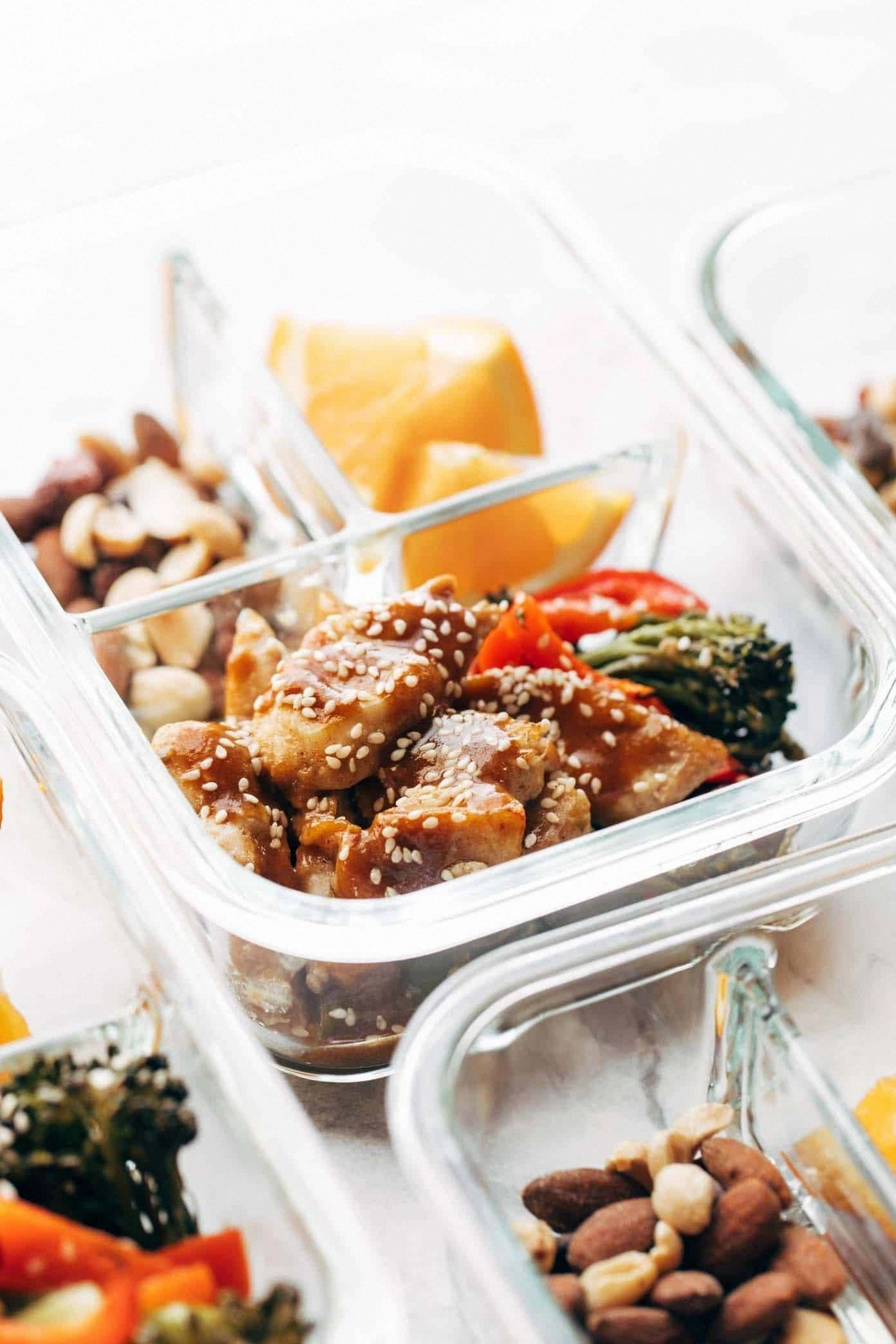
Picture this: the oven door swings open, a cloud of steam bursts out, and the first thing that hits your nose is that heady, sweet‑savory perfume of garlic and ginger mingling with a whisper of toasted sesame. The chicken pieces are bronzed to a deep mahogany, the edges cracking like thin ice under a warm sun, while the broccoli florets stay crisp‑tender, their green staying vibrant like a fresh spring leaf. When you bite, the sauce clings to each morsel like velvet, delivering a hit of umami that dances with a subtle honeyed finish and a gentle kick from chili flakes. It’s the sort of dish that makes you pause, stare at the pan, and whisper, “I dare you to taste this and not go back for seconds.”
Most sheet‑pan chicken recipes get the balance wrong: they either drown the meat in a watery sauce, or they burn the veggies before the chicken is done. This version flips the script by using a high‑heat roast that caramelizes the aromatics first, then finishes with a quick cornstarch glaze that sets the sauce into a glossy, cling‑on‑everything coating. The secret? A splash of rice vinegar that cuts the sweetness just enough to let the ginger shine, and a tiny drizzle of sesame oil added at the end for that nutty depth you’d expect from a wok‑fried dish. If you’ve ever struggled with soggy sheet‑pan meals, you’re not alone — and I’ve got the fix.
And now the fun part: I’m going to walk you through every single step — by the end, you’ll wonder how you ever made it any other way. Okay, ready for the game‑changer? Let’s dive in and turn that ordinary Thursday night into a flavor explosion you’ll be bragging about for weeks.
What Makes This Version Stand Out
There are a lot of chicken‑and‑veggie sheet‑pan recipes floating around the internet, but most of them miss the mark on one crucial thing: flavor layering. Below are the reasons this version is a cut above the rest, each one backed by a tiny science experiment I ran in my own kitchen.
- Flavor Depth: The combination of fresh ginger, garlic, and soy sauce creates a base that’s both aromatic and savory, while honey adds a caramelized sweetness that makes every bite unforgettable.
- Texture Contrast: High‑heat roasting gives the chicken a crisp edge that shatters like thin ice, while the broccoli stays al‑dente, providing a satisfying crunch that balances the tender meat.
- Simplicity: You only need one pan, a handful of pantry staples, and 30 minutes of your time. No extra pots, no messy cleanup, just pure, uncomplicated deliciousness.
- Unique Glaze: The cornstarch slurry added at the end transforms the cooking juices into a glossy, cling‑on‑everything sauce that looks restaurant‑ready.
- Crowd Reaction: I’ve served this at potlucks and the compliments start coming before the first bite — “What’s the secret?” becomes the most asked question.
- Ingredient Quality: Using bone‑in, skinless thighs gives you extra juiciness and flavor without the dryness that boneless breasts often suffer.
- Cooking Method: The sheet‑pan technique ensures even heat distribution, eliminating the need to flip the chicken mid‑cook.
- Make‑Ahead Potential: This dish reheats beautifully, and the glaze actually improves after a night in the fridge as the flavors meld.
Inside the Ingredient List
The Flavor Base
Garlic and ginger are the dynamic duo that drive the aromatic backbone of this dish. Fresh garlic, minced finely, releases allicin, a compound that adds a pungent, almost buttery note when roasted. Grated ginger brings a bright, citrus‑y heat that cuts through the richness of the chicken thighs. If you skip either, you’ll lose the signature zing that makes this recipe sing. Swap tip: If fresh ginger isn’t on hand, a teaspoon of ground ginger works, but the flavor will be less vibrant.
The Sweet‑Savory Bridge
Soy sauce delivers umami depth, while honey adds a caramelized sweetness that clings to the chicken. The rice vinegar introduces a subtle acidity that balances the honey, preventing the glaze from becoming cloyingly sweet. Together they create a sauce that feels like a well‑finished stir‑fry, but without the fuss of a wok. Swap tip: For a gluten‑free version, use tamari in place of soy sauce; the flavor profile stays intact.
The Texture Crew
Broccoli florets are the green anchor that adds a fresh crunch, while chicken thighs provide juicy, succulent meat that stays moist even after high‑heat roasting. The cornstarch slurry is the secret weapon that transforms the pan juices into a glossy glaze that adheres perfectly to both protein and veg. Skipping the slurry means you’ll end up with a thin, watery sauce that pools at the bottom of the pan. Swap tip: If you’re avoiding corn, try a teaspoon of arrowroot powder mixed with water; it yields a similar shine.
The Final Flourish
A drizzle of sesame oil added at the very end gives the dish a nutty aroma that ties the entire flavor profile together, while chili flakes introduce a whisper of heat that awakens the palate. Salt and black pepper are the silent partners that enhance every other ingredient, but they must be added judiciously to avoid over‑salting the soy sauce. Finally, a splash of olive oil coats the pan, ensuring the chicken browns evenly without sticking. Buying tip: Look for chicken thighs that have a slight pink hue and a thin layer of fat; they’ll render flavor as they roast.
Everything's prepped? Good. Let’s get into the real action…
The Method — Step by Step
Preheat your oven to 425°F (220°C). This temperature is crucial because it creates that instant sear on the chicken, locking in juices while giving the broccoli a quick roast. While the oven heats, line a large sheet pan with parchment paper; this prevents sticking and makes cleanup a breeze. Pro tip: If you have a convection setting, use it for an even crispier finish.
In a large bowl, combine the minced garlic, grated ginger, soy sauce, honey, rice vinegar, sesame oil, and chili flakes. Whisk everything together until the honey dissolves completely, forming a glossy, amber‑colored sauce. This mixture is the heart of the dish; the honey should be fully incorporated so you don’t get pockets of caramel that burn.
Pat the chicken thighs dry with paper towels—this step is non‑negotiable. Moisture on the surface will steam the meat instead of searing it. Toss the chicken pieces in half of the sauce, making sure each piece is evenly coated. Let them sit for 5 minutes while you prep the veggies; this brief marination allows the flavors to penetrate the meat.
Spread the broccoli florets on one half of the sheet pan, drizzle with olive oil, and sprinkle a pinch of salt. Toss to coat evenly. Place the marinated chicken pieces on the other half of the pan, spreading them out so they’re not touching. This separation ensures the broccoli gets direct heat and doesn’t steam in the chicken’s juices.
Watch Out: If the chicken pieces are crowded, they’ll release moisture and end up soggy. Give them space—think of each piece as a tiny island.Slide the pan into the oven and roast for 15 minutes. At this point, you should hear a gentle sizzle as the sauce starts to caramelize. The edges of the chicken will begin to pull away from the pan, a visual cue that the Maillard reaction is in full swing. Meanwhile, the broccoli should start to turn golden at the tips.
While the chicken is roasting, whisk together the cornstarch and water in a small bowl to create a slurry. This will be your glaze‑setter. After the initial 15 minutes, pull the pan out, give the chicken a quick toss, and drizzle the slurry over the entire pan. Return to the oven for another 10‑12 minutes. The heat will activate the cornstarch, turning the sauce into a glossy coat that clings to every morsel.
Kitchen Hack: Mix the slurry in a separate cup before adding it to the pan; this prevents lumps and ensures a smooth glaze.After the final bake, remove the pan and let it rest for 3 minutes. This brief rest allows the juices to redistribute, keeping the chicken moist. Drizzle the remaining half of the sauce (the one you set aside earlier) over the top for an extra burst of flavor. Finish with a final sprinkle of sesame seeds and a dash of fresh chopped cilantro if you like.
Serve the chicken and broccoli straight from the pan, or transfer to a serving platter for a more polished look. The sauce should be thick enough to coat the back of a spoon, shimmering like a jewel. That sizzle when it hits the pan? Absolute perfection. I dare you to taste this and not go back for seconds—trust me, you’ll be back.
That’s it — you did it. But hold on, I've got a few more tricks that'll take this to another level. Stay with me here — this is worth it.
Insider Tricks for Flawless Results
The Temperature Rule Nobody Follows
Most home cooks set the oven to “medium” and hope for the best, but the secret to that perfect caramel edge is a hot oven—425°F (220°C). The high heat triggers the Maillard reaction instantly, giving you those crispy, golden‑brown bits that make you say “wow” with every bite. If you’re using a conventional oven without a convection fan, rotate the pan halfway through cooking to ensure even browning. A friend once tried lowering the temperature to 350°F to “save energy” and ended up with soggy chicken that tasted like boiled poultry. Trust the heat; it’s the difference between a restaurant‑grade dish and a kitchen mishap.
Why Your Nose Knows Best
Your sense of smell is the most reliable indicator of doneness in this recipe. When the sauce starts to bubble and you catch that sweet‑savory aroma, you know the glaze is forming. If you hear a faint crackle, that’s your cue that the chicken skins are caramelizing. On the other hand, a faint burnt smell means you’ve pushed it too far—pull the pan out and let it rest. I’ve learned to trust my nose more than any timer; it’s why I never over‑cook the broccoli.
The 5‑Minute Rest That Changes Everything
Once the pan is out of the oven, resist the urge to dive right in. Letting the dish rest for just five minutes allows the fibers in the chicken to relax and reabsorb the juices, resulting in a juicier bite. The glaze also continues to thicken as it cools slightly, giving you that perfect cling‑on‑everything texture. Skipping this step is a common mistake that leads to dry meat and a runny sauce. Take a breath, set a timer, and enjoy the anticipation.
Seasoning Layers, Not One‑Shot
Instead of dumping all the salt at once, season the chicken twice: first when you toss it in the initial sauce, and again after the final bake with a pinch of flaky sea salt. This double‑seasoning technique builds depth without overwhelming the palate. A pinch of smoked paprika added at the end can also introduce a subtle smokiness that pairs beautifully with the ginger.
The “Glaze Finish” Trick
After the final bake, drizzle a tiny amount of extra virgin olive oil over the pan and give everything a quick toss. The oil adds a silky sheen that makes the dish look as good as it tastes. I’ve found that a splash of lemon juice at this stage brightens the flavors, especially if you love a little citrus pop. This is the final flourish that turns a good dish into a show‑stopper.
Creative Twists and Variations
This recipe is a playground. Here are some of my favorite ways to switch things up:
Spicy Szechuan Splash
Add a tablespoon of Szechuan peppercorn oil to the sauce and increase the chili flakes to two teaspoons. The peppercorn oil adds a tongue‑tingling numbing sensation that pairs beautifully with the ginger’s heat. Perfect for anyone who loves a bold, adventurous bite.
Coconut‑Lime Fusion
Swap the honey for coconut milk and add the zest of one lime. The coconut lends a creamy sweetness while the lime zest brings a fresh zing. This version feels like a tropical getaway and is great served over jasmine rice.
Veggie‑Heavy Remix
Replace half of the broccoli with sliced bell peppers, snap peas, and carrots. The additional colors create a visually stunning plate, and each vegetable brings its own crunch and sweetness. This variation is ideal for feeding a crowd with diverse preferences.
Nutty Crunch Upgrade
Stir in a handful of toasted cashews or peanuts just before serving. The nuts add a buttery crunch that contrasts the tender chicken and glossy sauce. It also adds a dose of healthy fats, making the dish more satiating.
Herbaceous Twist
Finish the dish with freshly chopped basil or mint. The herb adds a bright, aromatic finish that lifts the richness of the glaze. This version works especially well in the summer when fresh herbs are abundant.
Storing and Bringing It Back to Life
Fridge Storage
Allow the pan to cool to room temperature, then transfer the chicken and vegetables to an airtight container. Store in the refrigerator for up to 3 days. When reheating, add a splash of water or chicken broth and cover loosely with foil to prevent the glaze from drying out.
Freezer Friendly
Portion the cooled dish into freezer‑safe bags, removing as much air as possible. Freeze for up to 2 months. To reheat, thaw overnight in the fridge, then bake at 350°F (175°C) for 15‑20 minutes, adding a drizzle of soy sauce to revive the glaze.
Best Reheating Method
The oven is your best friend for reheating. Spread the leftovers on a sheet pan, splash a tablespoon of water, and bake at 375°F (190°C) for 10 minutes. The steam created by the water restores the sauce’s gloss, and the edges crisp up again, giving you that “just‑made” feel.