I remember the night I was on a frantic quest for comfort food after a long shift at the office. I had the urge for something warm, spicy, and utterly satisfying, yet I didn’t have the time to rummage through the pantry for exotic spices. In a moment of culinary desperation, I grabbed what I had: a handful of chicken thighs, some tomatoes, a scotch bonnet, and a bag of spices that had been sitting in my cabinet for months. The result? A savory Nigerian chicken stew that was so flavorful it made me question every other recipe I’d ever tried. I dare you to taste this and not go back for seconds.
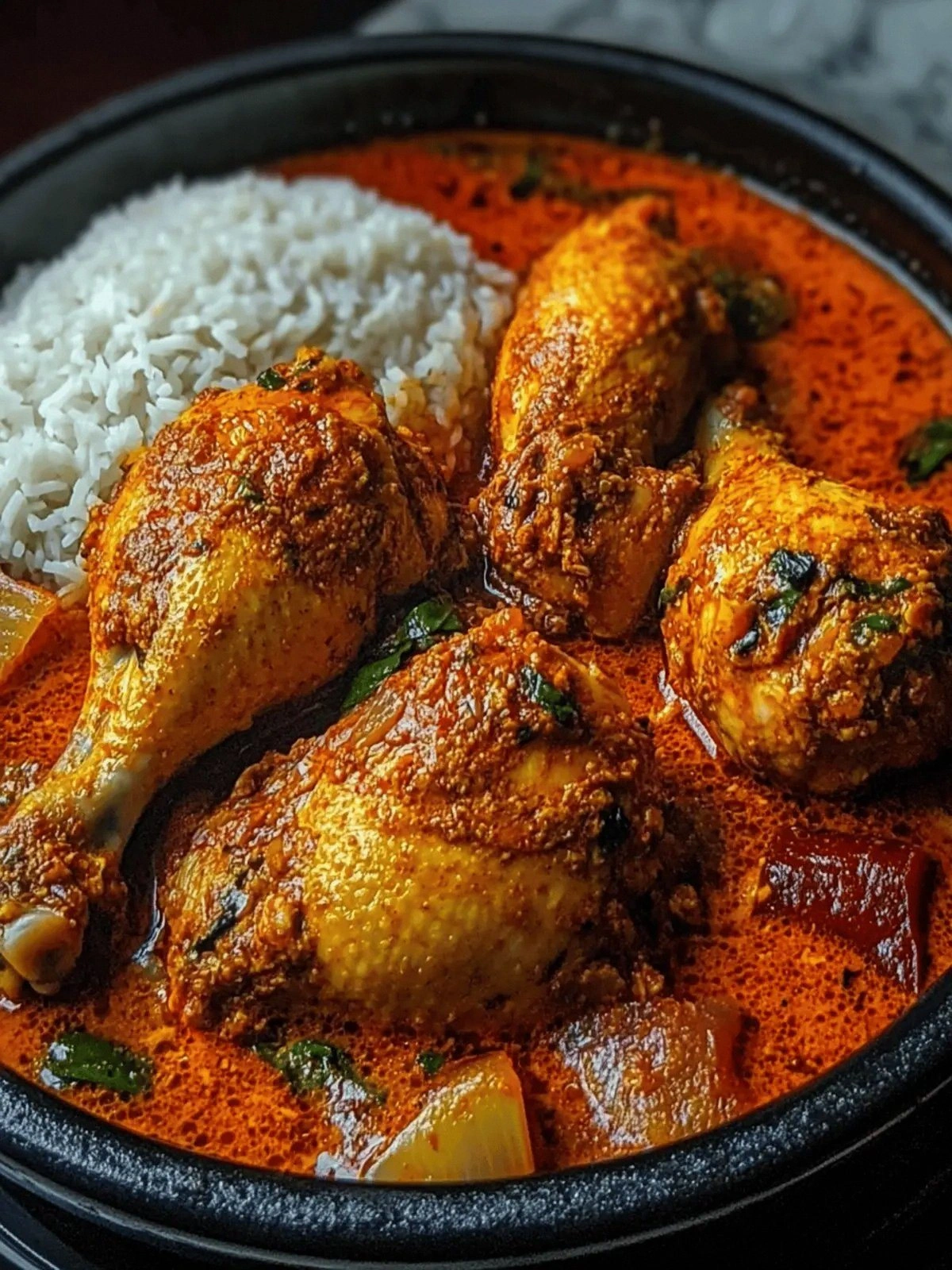
The first thing that hits you is the aroma—rich, smoky, with a subtle earthiness that only a well‑seasoned broth can provide. As the stew simmers, the scent of paprika, curry powder, and thyme mingle, creating a fragrant tapestry that fills the kitchen. Visually, the chicken pieces turn a deep, caramelized brown, their skins crisping like a perfectly baked crust, while the tomatoes and peppers melt into a glossy, ruby‑red sauce that glistens with each stir. The texture is a delightful contrast: tender, almost melt‑in‑your‑mouth chicken against a silky, slightly thickened tomato base that coats the meat like velvet. The heat from the scotch bonnet peppers adds just enough bite to keep the palate engaged, yet it never overwhelms the other flavors.
What makes this version stand out from every other chicken stew you’ll find in cookbooks or on the internet is its balance of simplicity and depth. I’ve stripped away unnecessary steps and ingredients, focusing on the core flavors that define Nigerian cuisine. The result is a dish that feels like a hug on a plate—comforting, hearty, and undeniably authentic. And the secret? A touch of tomato paste that thickens the sauce, and a bouillon cube that unlocks umami without the need for expensive stock. This is hands down the best version you’ll ever make at home, and I promise you’ll wonder how you ever cooked it any other way.
Picture yourself pulling this out of the pot, the whole kitchen smelling incredible, and the family gathering around the table, eyes widening at the sight of the glossy, steaming stew. The anticipation of that first spoonful—warm, spicy, and utterly satisfying—will make your day. Stay with me here, because I’ve got a few tricks that’ll elevate this dish from great to unforgettable.
What Makes This Version Stand Out
- Taste: The combination of paprika, curry powder, and thyme creates a layered flavor profile that’s both aromatic and comforting. The subtle sweetness from the tomatoes balances the heat, resulting in a mouth‑watering harmony that lingers on the palate.
- Texture: The chicken’s skin crisps to a golden crunch while the meat stays juicy, and the sauce thickens just enough to coat each bite without becoming gloopy.
- Simplicity: With only a handful of pantry staples, you can achieve a restaurant‑quality dish in under an hour. No need for pre‑soaked beans or exotic ingredients.
- Authenticity: The use of scotch bonnet peppers and bouillon cube gives this stew a genuine Nigerian twist that feels true to the homeland.
- Versatility: It pairs beautifully with rice, pounded yam, or even a simple side of steamed vegetables, making it suitable for any occasion.
- Make‑ahead Potential: This stew actually tastes better the next day, so you can prep it ahead of time for a busy week.
Alright, let's break down exactly what goes into this masterpiece…
Inside the Ingredient List
The Flavor Base
At the heart of this stew is a simple yet powerful blend of spices: paprika, curry powder, thyme, black pepper, and a pinch of salt. These aromatics form the foundation that infuses every bite with depth. If you skip the thyme, the stew will still be delicious, but it will lack the subtle herbal brightness that lifts the dish.
You can swap paprika for smoked paprika if you want an extra smoky undertone. This small change adds complexity without altering the core identity of the stew.
The Texture Crew
The chicken is the star of the show. Bone‑in thighs or drumsticks provide fat and flavor, but if you prefer leaner meat, boneless skinless thighs work just as well. The skin’s fat renders into the sauce, giving it a silky mouthfeel.
The vegetables—Roma tomatoes, red bell pepper, red onion, and scotch bonnet peppers—add juiciness and a natural sweetness. Cutting the tomatoes into wedges instead of chunks can give the sauce a smoother consistency.
The Unexpected Star
Tomato paste is the unsung hero that thickens the sauce and deepens the color. A tablespoon of tomato paste can replace the entire 4‑cup tomato volume if you’re short on space, but the stew will feel a bit thinner.
Bouillon cubes are a convenient way to add umami. If you’re watching sodium, you can use a low‑sodium cube or a dash of soy sauce to achieve the same depth.
The Final Flourish
Garlic powder and ginger powder give the stew a quick, aromatic kick without the need for fresh garlic or ginger. If you prefer a fresher flavor, you can mince one clove of garlic and a teaspoon of fresh ginger, but be prepared for a slightly different texture.
The final splash of salt is a personal touch—tweak it to taste after the stew has simmered. The broth’s richness will guide your seasoning decisions.
Everything’s prepped? Good. Let’s get into the real action…
The Method — Step by Step
- Heat the vegetable oil in a large Dutch oven or heavy‑bottomed pot over medium‑high heat. Once the oil shimmers, add the chicken pieces skin‑side down. Let them brown for about 5–7 minutes until the skin turns a deep golden brown. This searing step locks in juices and creates a flavorful crust. Don’t rush it—patience is key here. Kitchen Hack: If you’re short on time, use a sauté pan instead of a Dutch oven; just be sure it’s large enough to hold all the chicken in a single layer.
- Flip the chicken and let the other side brown for 4–5 minutes. While the meat cooks, finely chop the onion, bell pepper, and scotch bonnet peppers. The smaller the pieces, the more evenly they’ll distribute heat and flavor throughout the stew.
- Add the chopped onions to the pot and sauté until translucent, about 3 minutes. The onions should soften without browning too quickly—this will keep the sauce bright. Stir in the paprika, curry powder, thyme, black pepper, and a pinch of salt. Cook the spices for 1–2 minutes until they release their aromas, watching the mixture turn a deep amber. This step, often called “toasting the spices,” is where the stew’s flavor base really starts to develop.
- Pour in the tomato paste and stir until it’s fully incorporated. The paste will darken the sauce and give it a thicker consistency. Let it cook for 2 minutes, allowing the raw tomato flavor to mellow into a savory richness.
- Add the diced Roma tomatoes, sliced red bell pepper, and minced scotch bonnet peppers. Stir everything together, ensuring the tomatoes break down slightly. The mixture should start to bubble gently; reduce the heat to medium and let it simmer for 10 minutes. This allows the tomatoes to release their juices, forming the base of the stew.
- Crush the bouillon cube into the pot and add the garlic powder and ginger powder. Stir well, ensuring the cube dissolves completely. The bouillon adds depth, while the powders give a subtle, aromatic lift.
- Cover the pot and let the stew simmer on low heat for 20–25 minutes, or until the chicken is tender and the flavors have melded together. The chicken should be fork‑tender, and the sauce should have thickened slightly. Check occasionally—if it’s too thick, add a splash of water or broth.
- Once the chicken is cooked, remove the lid and let the stew reduce for an additional 5 minutes to concentrate the flavors. The edges of the sauce will start pulling away from the pot, signaling that it’s ready. Watch Out: Be careful not to let the stew boil too vigorously during the final reduction; a gentle simmer preserves the delicate balance of spices.
- Taste the stew and adjust seasoning as needed. If you prefer more heat, add a pinch of cayenne pepper or another scotch bonnet. If you want a richer taste, a splash of heavy cream or coconut milk can smooth the sauce.
- Serve hot over steamed rice, fufu, or a side of sautéed greens. Garnish with fresh parsley or chopped scallions if desired. The dish is best enjoyed immediately, but it also holds up wonderfully for leftovers.
That’s it — you did it. But hold on, I've got a few more tricks that'll take this to another level…
Insider Tricks for Flawless Results
The Temperature Rule Nobody Follows
Many people cook stews on high heat, which can cause the sauce to scorch and the spices to lose their aroma. I always start with medium heat to develop a slow, steady flavor base. Once the chicken is browned, I reduce the heat to low for the simmer. This ensures the stew stays tender and the spices remain vibrant.
Why Your Nose Knows Best
Before you taste the stew, let it sit for a minute. The aromas will intensify, giving you a true sense of the dish’s depth. If you find the sauce lacking, add a splash of water to bring out the flavors. My friend once skipped this step and thought the stew was bland; he was wrong—he just didn’t wait for the aroma to develop.
The 5‑Minute Rest That Changes Everything
After simmering, let the stew rest for 5 minutes before serving. This allows the flavors to settle and the sauce to thicken naturally. The result is a more cohesive dish that tastes like it’s been simmering for hours.
Use Fresh Ingredients for a Brighter Taste
Fresh tomatoes and peppers give the stew a brighter, more vibrant flavor. If you’re using canned tomatoes, choose high‑quality brands with no added salt. My cousin once used canned tomatoes and the stew tasted flat; fresh ingredients made all the difference.
Don’t Skip the Final Reduction
The final reduction step concentrates the flavors and thickens the sauce. Skipping it results in a watery stew that feels underwhelming. I’ve seen people skip it when they’re in a rush, only to regret it later.
Creative Twists and Variations
This recipe is a playground. Here are some of my favorite ways to switch things up:
Smoky Chipotle Version
Swap the paprika for chipotle powder and add a tablespoon of adobo sauce. The stew gains a smoky depth that pairs wonderfully with corn‑flavored rice.
Vegetarian Twist
Replace the chicken with cubed tofu or tempeh. Sauté the protein until golden before adding the tomato base. The dish remains hearty and satisfies the same comforting craving.
Spicy Coconut Cream Finish
Stir in a half cup of coconut milk during the last 5 minutes of simmering. The creamy texture balances the heat and adds a tropical flair.
Herb‑Infused Variation
Add a handful of fresh basil or cilantro just before serving. The herbs bring a fresh brightness that cuts through the richness.
Low‑Carb Adaptation
Serve the stew over cauliflower rice or spiralized zucchini. This keeps the dish low in carbs while maintaining the robust flavor profile.
Breakfast Kick‑Start
Add a few diced potatoes or sweet potatoes during the simmer. The stew becomes a hearty breakfast, perfect for a lazy weekend morning.
Storing and Bringing It Back to Life
Fridge Storage
Cool the stew completely before transferring it to an airtight container. Store in the refrigerator for up to 3 days. The flavors will deepen, making it even more delicious.
Freezer Friendly
Divide the stew into individual portions and freeze in freezer‑safe bags or containers. It will keep for up to 3 months. Thaw overnight in the refrigerator before reheating.
Best Reheating Method
Reheat the stew on low heat, adding a splash of water or broth to loosen the sauce. This restores the original texture and keeps the chicken from drying out.