Picture this: I’m standing in a cramped kitchen, a battered grill roaring behind me, and a whole 2‑pound octopus staring back at me like a stubborn sea creature. I’ve tried everything from slow‑cooking to quick sears, but each attempt left me with mushy tentacles or a dry, rubbery bite that made me question my life choices. That night, a friend dared me to grill it with a simple lemon‑garlic glaze, and I was skeptical—would it even hold together? I set the grill to medium‑high, tossed the octopus in olive oil, and waited for the sizzle that would tell me whether my culinary destiny had finally been found.
The first thing that hit me was the aroma—an earthy, briny perfume that mingled with the sharp citrus of lemon. As the octopus hit the grill, the sound was unmistakable: a satisfying crackle that echoed the sound of waves hitting a rocky shore. The tentacles began to blister, their edges turning a golden‑brown, crisping like the crust of a perfectly toasted baguette. I could almost taste the sea itself, the subtle saltiness amplified by the olive oil, while the garlic released a warm, comforting heat that filled the air. By the time the grill was ready for the second side, I was already planning the plate: a sprinkle of fresh parsley, a squeeze of lemon, and a drizzle of that same olive oil to keep everything silky.
What makes this version stand out isn’t just the technique—it’s the way each element works together to create an orchestra of flavors and textures. The octopus’s natural chewiness is amplified by the gentle oil coating, preventing it from drying out while allowing the char to develop a smoky depth. The garlic, chopped roughly, releases its aroma without becoming overpowering, while the oregano adds a subtle herbal note that anchors the dish. Lemon juice not only brightens the flavors but also tenderizes the meat, ensuring that every bite is juicy and tender. And the parsley? It brings a fresh, green contrast that lifts the entire dish, making it feel light even after a hearty BBQ.
I dare you to taste this and not go back for seconds, because once you experience the perfect balance of smoky, citrusy, and herbaceous, you’ll find yourself reaching for the next plate before you even realize you’re hungry. If you’ve ever struggled to cook octopus without ending up with a rubbery mess, you’re not alone—this recipe is the fix. Most recipes get this completely wrong, focusing on over‑cooking or under‑seasoning, but here, the key is simple: oil, salt, pepper, and a short, high‑heat grill session. Picture yourself pulling this out of the grill, the whole kitchen smelling incredible, and the plate looking like a masterpiece that even your most skeptical friend will applaud. Let me walk you through every single step—by the end, you’ll wonder how you ever made it any other way.
What Makes This Version Stand Out
- Flavor: The combination of olive oil, garlic, lemon, and oregano creates a flavor profile that is bright, savory, and deeply satisfying. Each ingredient complements the natural brininess of the octopus, turning a simple protein into a gourmet experience.
- Texture: Grilling at medium‑high heat gives the octopus a crisp exterior while preserving its tender interior. The result is a mouthful that feels like a gentle bite of sea that melts in your mouth.
- Ease: With just a handful of pantry staples and a few minutes of prep, you can produce a dish that feels restaurant‑quality without the fuss.
- Versatility: This recipe adapts to any setting—be it a backyard BBQ, a fancy dinner party, or a quick weeknight dinner. The flavors are robust enough to impress guests yet simple enough for a casual meal.
- Make‑ahead Potential: The octopus can be marinated up to 24 hours, allowing you to prep ahead of time and free up the grill for other dishes.
- Freshness: Using fresh octopus and fresh herbs ensures the dish has a vibrant, lively taste that canned or frozen alternatives simply can’t match.
Alright, let's break down exactly what goes into this masterpiece...
Inside the Ingredient List
The Flavor Base
Olive oil is the canvas that carries every other flavor. It provides a silky mouthfeel, prevents sticking, and allows the heat of the grill to caramelize the surface. If you skip it, the octopus will steam instead of sear, losing that coveted char. For those who prefer a lighter version, use extra‑virgin olive oil for a more pronounced fruity note, or switch to grapeseed oil if you want a higher smoke point.
The Texture Crew
The 2 pounds of fresh octopus are the star of the show. Freshness is key—look for a firm texture with a mild, clean smell. If you’re buying frozen, thaw it in the refrigerator overnight and pat dry with paper towels. A quick blanch in boiling water for 30 seconds can also help loosen any tough fibers, making the final bite buttery soft.
The Unexpected Star
Garlic, roughly chopped, releases a warm, comforting aroma without becoming overpowering. The rough chop ensures the garlic pieces are large enough to impart flavor but small enough to caramelize. If you’re a garlic purist, increase the cloves to 3 or 4 for a more pronounced bite. Conversely, if you’re sensitive to garlic, reduce to 1 clove and add a splash of lemon for a bright twist.
The Final Flourish
Fresh parsley and dried oregano act as the finishing touches. Parsley adds a burst of green freshness that cuts through the richness, while oregano brings an earthy, slightly peppery note that grounds the dish. If you’re in a pinch, a pinch of dried basil can substitute oregano for a sweeter, sweeter herbal profile. Remember, herbs are best added after grilling to preserve their bright flavors.
Everything's prepped? Good. Let's get into the real action...
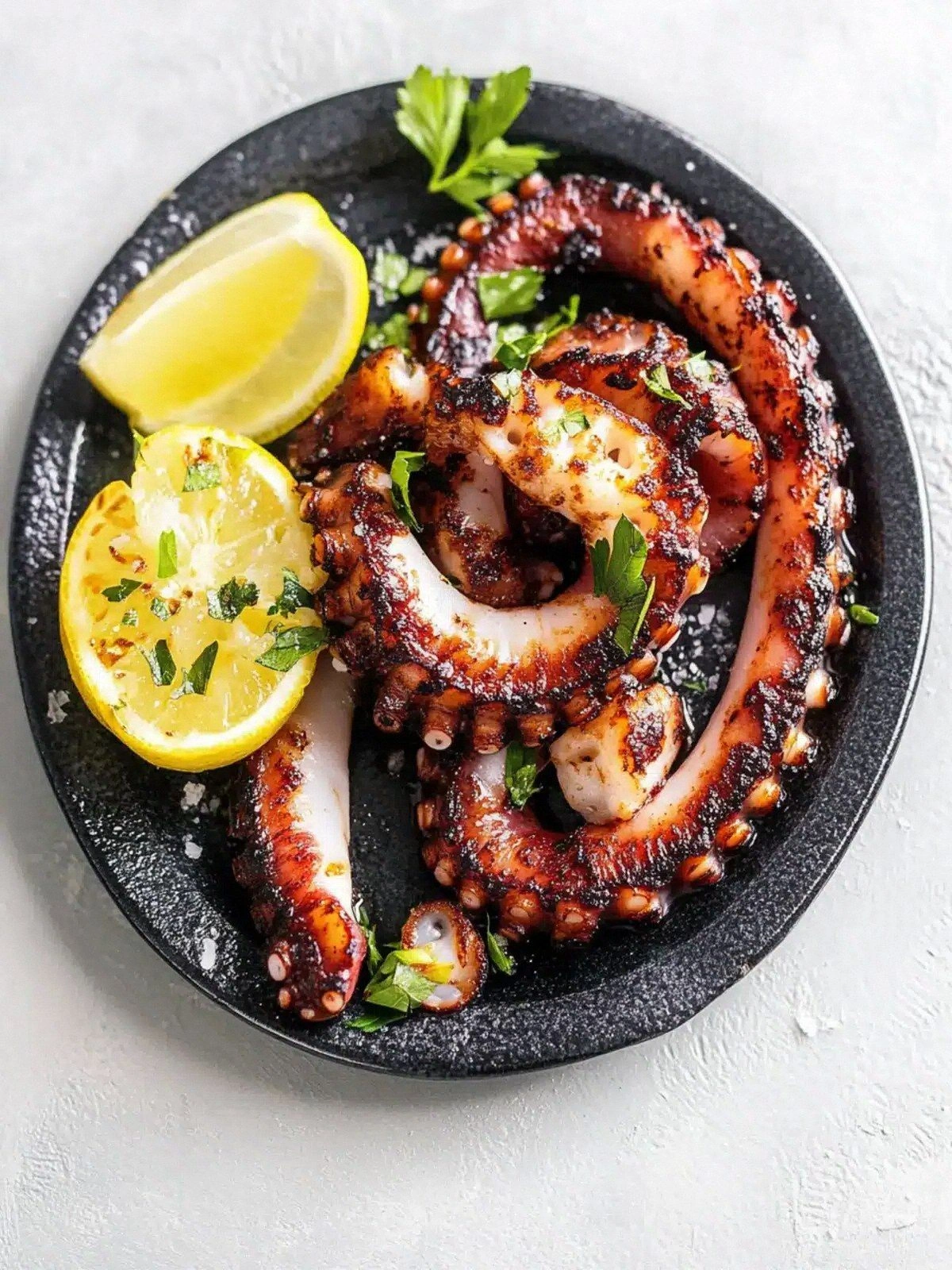
The Method — Step by Step
- Pre‑heat the grill: Set your charcoal or gas grill to medium‑high, aiming for a steady 400°F (204°C). Clean the grates with a wire brush and oil them lightly to prevent sticking. A hot grill ensures a quick sear that locks in juices. While the grill warms, move on to the next step so you’re ready when the octopus is on the grill.
- Marinate the octopus: In a large bowl, combine the olive oil, garlic, lemon juice, oregano, salt, and pepper. Toss the octopus pieces until they’re fully coated. Let them marinate for at least 30 minutes—if you have time, up to 2 hours. The acid from the lemon helps break down connective tissue, making the meat tender.
- Check the grill temperature: Drop a small piece of the marinated octopus onto the grill. If it sizzles immediately and begins to char, the heat is just right. If it just sits, the grill needs to get hotter. A quick test keeps you from over‑cooking.
- Grill the octopus: Place the octopus on the grill and cook for 3–4 minutes per side. Use tongs to flip gently, watching for the edges to develop a golden crust. The tentacles should start pulling away from the grates, signaling they’re almost done. Keep an eye on the grill; the heat can shift quickly.
- Apply the finishing glaze: While the octopus cooks, whisk together the remaining olive oil, a splash of lemon juice, and a pinch of salt. Brush this glaze over the tentacles during the last minute of each side. The glaze adds shine and a burst of flavor that lingers on the tongue.
- Watch Out: The trickiest part is preventing the octopus from drying out. If you leave it on too long, the meat can become rubbery. A good rule of thumb is to cook until the internal temperature hits 145°F (63°C). Use a meat thermometer to be sure.
- Rest the octopus: Once off the grill, let the octopus rest for 5 minutes. This allows juices to redistribute, keeping the meat moist. Cover loosely with foil to keep it warm. A quick rest makes the difference between a dry bite and a succulent experience.
- Finish with herbs: Sprinkle the chopped parsley over the hot octopus. The fresh herbs release their oils and give the dish a vibrant, green contrast. Serve immediately with a wedge of lemon for squeezing.
That's it — you did it. But hold on, I've got a few more tricks that'll take this to another level...
Insider Tricks for Flawless Results
The Temperature Rule Nobody Follows
Many home grillers rely on visual cues alone, but a meat thermometer is a game changer. Aim for 145°F (63°C) inside the thickest part of the octopus. This guarantees a tender interior while preserving the char on the outside. If you’re short on a thermometer, use the finger test: the tentacle should feel firm yet give slightly when pressed.
Why Your Nose Knows Best
The scent of octopus on the grill is a reliable indicator of doneness. When the aroma turns from briny to smoky and slightly sweet, it’s a sign the meat is ready. A strong, fresh smell means you’re still in the early stages, while a sweet, caramelized scent signals the finish.
The 5‑Minute Rest That Changes Everything
Resting the octopus after grilling allows the juices to redistribute, preventing them from running off the surface. A quick 5‑minute rest also lets the internal temperature rise a few degrees, ensuring a perfectly cooked bite. I’ve seen people skip this step and end up with a dry, rubbery texture—don’t be that person.
Keep It Simple, Keep It Fresh
Avoid over‑seasoning the octopus before grilling. A light sprinkle of salt and pepper is enough to enhance the natural flavor. If you add too much, the meat can become too salty and lose its delicate taste. Trust the simplicity of the ingredients to shine.
The Quick Marinade Hack
If you’re short on time, whisk together the olive oil, lemon juice, garlic, and oregano in a small bowl. Toss the octopus in this mixture and let it sit for 10 minutes. The acid will tenderize the meat quickly, and the oil will keep it from drying out. This hack is perfect for a last‑minute dinner.
Creative Twists and Variations
This recipe is a playground. Here are some of my favorite ways to switch things up:
Spicy Sriracha Glaze
Swap the lemon juice for a mix of lime juice and a tablespoon of sriracha. The heat from the chili pairs beautifully with the octopus’s briny flavor, creating a dish that’s both spicy and refreshing.
Mediterranean Herb Blend
Replace oregano with a blend of thyme, rosemary, and basil. This gives the octopus a deeper, earthy aroma that’s reminiscent of a seaside Italian trattoria.
Citrus Burst with Orange
Use orange zest and juice instead of lemon for a sweeter, more aromatic finish. The orange’s natural oils add a bright, fragrant note that complements the olive oil.
Smoky Chipotle Marinade
Add a teaspoon of chipotle powder to the olive oil and garlic mixture. The smoky heat brings out the octopus’s natural umami, creating a dish that’s both bold and comforting.
Herb‑Infused Butter Finish
Melt butter with minced garlic and parsley, then drizzle over the grilled octopus. The buttery richness elevates the dish into a decadent, restaurant‑style experience.
Asian‑Inspired Soy Glaze
Mix soy sauce, honey, and a dash of sesame oil. Brush this glaze on the octopus during the last minute of grilling for a sweet, savory, and slightly nutty flavor profile.
Storing and Bringing It Back to Life
Fridge Storage
Cool the cooked octopus to room temperature, then wrap tightly in foil or plastic wrap. Store in the refrigerator for up to 3 days. The oil coating helps preserve moisture, keeping the meat juicy.
Freezer Friendly
Place the cooled octopus in a freezer‑safe bag, removing as much air as possible. Label with the date and freeze for up to 2 months. When ready to eat, thaw overnight in the fridge.
Best Reheating Method
Reheat in a skillet over medium heat, adding a splash of water or broth to create steam. Cover for a minute to warm through. A tiny splash of water before reheating steams the octopus back to perfection without drying it out.