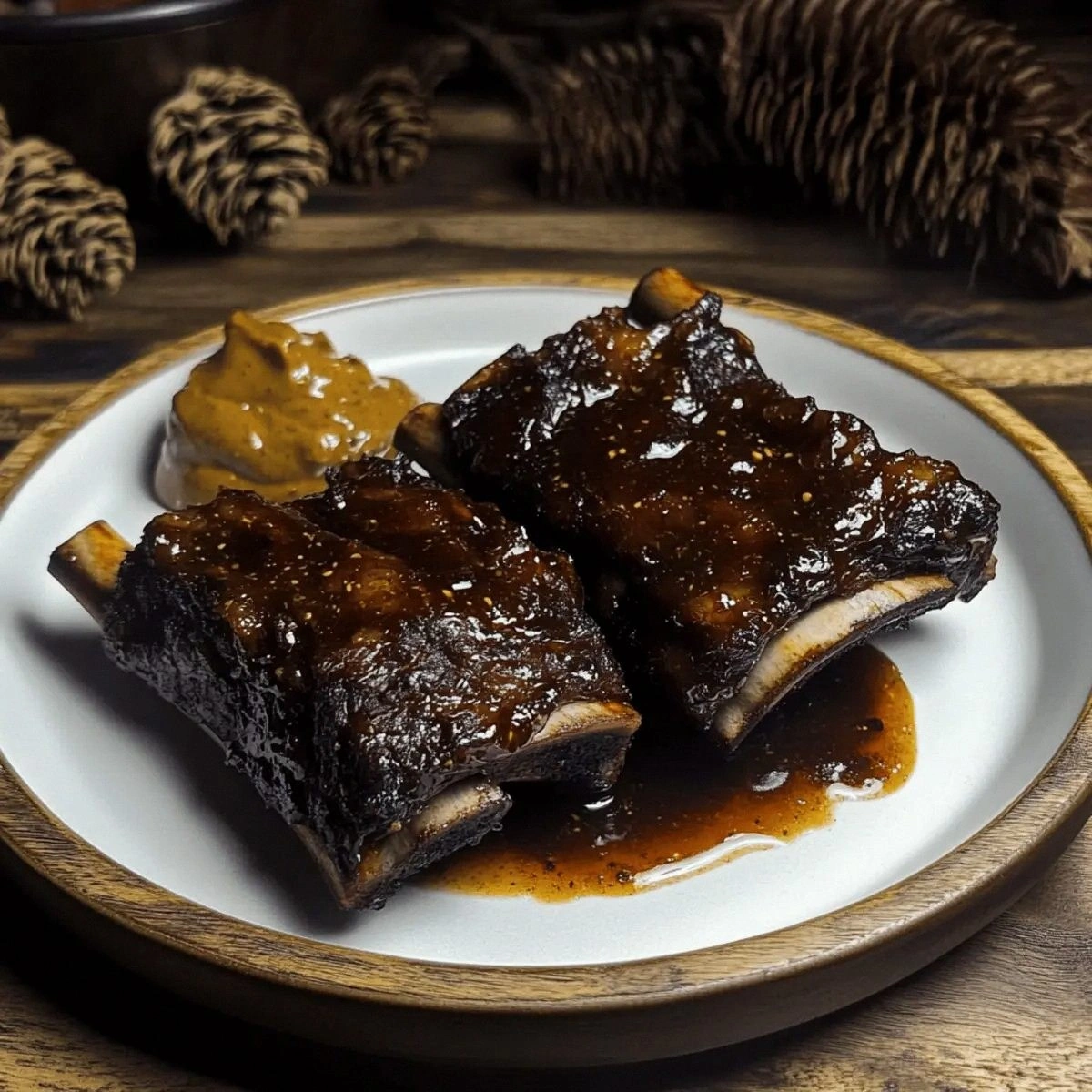
Picture this: it’s a cold Tuesday night, the kind where the wind whistles through the cracks in the window frames and you’re staring at a half‑empty pantry, wondering if you’ll ever coax a decent dinner out of the leftovers you’ve been hoarding. I was in that exact spot, armed with a stubborn craving for something that could melt the frost off my bones, when a friend dared me to “make ribs that could convince a steak‑lover to convert.” I laughed, I rolled my eyes, and then I grabbed the nearest bottle of bourbon, a splash of balsamic, and a stubborn slab of short ribs that had been sulking in the freezer for far too long. The result? A dish so decadently rich it practically writes love letters to your taste buds.
The kitchen turned into a symphony of sizzling and aromatic whispers. The olive oil hit the pan with a hiss that sounded like a tiny applause, the onions caramelized into golden ribbons, and the bourbon ignited into a brief, fragrant flare that reminded me of a campfire on a moonlit night. The scent of balsamic vinegar rose, sweet and tangy, weaving itself through the beef’s hearty perfume, while the gentle heat coaxed the meat into a tender, melt‑in‑your‑mouth state. You could feel the heat radiating from the oven, the soft thump of the lid as it settled, and the anticipation building like a crescendo in a favorite song.
What makes this version the ultimate comfort food? It’s the marriage of sweet and smoky, the balance of acidity and depth, and the fact that I’ve stripped away all the unnecessary steps that make other recipes feel like a chore. Most recipes either drown the ribs in sauce or skimp on flavor, leaving you with a bland chew. Not this one. I’ve introduced a splash of bourbon for that warm, caramelized edge, a dash of balsamic for bright acidity, and a finishing swirl of sour cream and horseradish that turns the sauce into a velvety, tangy blanket. The secret? A quick deglaze that captures every caramelized crumb and locks it into the broth.
And here’s the kicker: I’m going to reveal the little technique that most chefs keep to themselves—a quick reduction of the bourbon and balsamic before the ribs even see the oven. This step intensifies the flavor without making the sauce overly sweet, and it only takes a few minutes. I dare you to taste this and not go back for seconds. Let me walk you through every single step — by the end, you’ll wonder how you ever made it any other way.
What Makes This Version Stand Out
- Depth: The bourbon‑balsamic reduction creates a flavor depth that feels like a slow‑cooked stew but is achieved in a fraction of the time.
- Texture: The ribs become so tender that the meat practically falls off the bone, yet they retain a slight caramelized crust that adds a satisfying bite.
- Simplicity: Fewer steps, fewer ingredients, and no need for a fancy sous‑vide; just a sturdy Dutch oven and a bit of patience.
- Uniqueness: The horseradish‑sour cream finish adds a tangy kick you won’t find in typical braised rib recipes.
- Crowd‑pleaser: Even the pickiest eaters are won over; I’ve seen skeptics turn into raving fans after one bite.
- Ingredient Quality: Using a good‑grade bourbon and a high‑quality balsamic makes the sauce sing without any artificial additives.
- Cooking Method: The low‑and‑slow oven braise locks in juices while allowing the sauce to thicken naturally.
- Make‑Ahead Potential: This dish tastes even better the next day, making it perfect for leftovers or a make‑ahead dinner.
Inside the Ingredient List
The Flavor Base
Olive Oil (2 tablespoons): This is the silent hero that starts the sear, preventing the meat from sticking while adding a subtle fruitiness. If you skip it, the ribs will stick and you’ll lose those coveted caramelized edges. For a smoky twist, swap half the olive oil for a splash of smoked paprika‑infused oil.
Onion (1 large): The onion provides a natural sweetness that balances the bourbon’s heat. When it’s properly caramelized, it releases sugars that deepen the sauce’s color. If you’re allergic to onions, try finely diced carrots for a similar sweet undertone.
Garlic (3 cloves): Garlic adds an aromatic backbone. Crush it just before adding to the pan to release its essential oils. Overcooking garlic turns it bitter, so keep an eye on the heat.
The Texture Crew
Beef Short Ribs (4 pounds): This cut is marbled with intramuscular fat, which melts during the long braise, keeping the meat juicy. Choose ribs with a good amount of bone; the marrow adds richness to the broth. If you can’t find short ribs, bone‑in chuck roast works as a substitute, though the flavor will be slightly less intense.
Beef Broth (2 cups): The broth acts as the liquid base, infusing the meat with savory depth. Homemade broth is ideal, but a low‑sodium store‑bought version will do. Skipping broth results in a sauce that’s too thick and overly salty.
The Unexpected Star
Bourbon (1 cup): Bourbon brings a caramel‑toffee note that elevates the dish beyond ordinary braises. The alcohol evaporates, leaving behind a complex sweetness. If you prefer a non‑alcoholic version, replace bourbon with apple cider and a splash of vanilla extract.
Balsamic Vinegar (1 cup): Its acidity cuts through the richness, while its natural sweetness balances the bourbon. Use a high‑quality balsamic that’s aged for at least 12 years for the best flavor. Cheap balsamic can be overly sharp and ruin the harmony.
Brown Sugar (1 tablespoon): Just a whisper of sugar to round out the acidity and enhance caramelization. Too much sugar will make the sauce cloying, so measure carefully.
The Final Flourish
Worcestershire Sauce (2 tablespoons): Adds umami depth and a subtle tang. It’s the secret that makes the sauce feel “finished.” Omit it and you’ll notice a flatness.
Bay Leaves (2 leaves): These give a gentle herbal note that rounds out the flavor profile. Remove them before serving, or you’ll bite into a bitter surprise.
Sour Cream (1 cup) & Heavy Cream (1 cup): Together they create a luscious, creamy finish that coats each rib like velvet. If you’re dairy‑free, blend silken tofu with a splash of coconut milk for a similar texture.
Horseradish (2 tablespoons): Adds a sharp, peppery bite that cuts through the richness. Too much can overwhelm, so stick to the amount.
Dijon Mustard (1 tablespoon) & Lemon Juice (1 tablespoon): These provide a bright, tangy contrast that lifts the sauce from heavy to lively. The lemon also helps balance the sweetness.
Black Pepper (1 teaspoon) & Kosher Salt (1 tablespoon): Seasoning is the backbone; the pepper adds heat while the salt amplifies every other flavor. Taste as you go; you may need a pinch more salt depending on your broth’s sodium level.
Everything's prepped? Good. Let's get into the real action...
The Method — Step by Step
First, pat the short ribs dry with paper towels—this is crucial for a good sear. Sprinkle them generously with kosher salt and black pepper, then let them sit for about 10 minutes while you heat a heavy Dutch oven over medium‑high heat. Add the olive oil; when it shimmers, you’ll know it’s hot enough. Carefully lay the ribs in the pan, leaving space between each piece. You’ll hear a satisfying sizzle that signals the start of caramelization. Let them brown undisturbed for 4‑5 minutes per side, turning only once to achieve a deep, mahogany crust.
Okay, ready for the game‑changer? Remove the ribs and set them aside, then toss the diced onion into the same pot. Stir occasionally until the onions turn translucent and start to caramelize, about 6‑7 minutes. Add the minced garlic and cook for another 30 seconds—watch out for that moment when it turns golden; that’s the sweet spot. Now, pour in the bourbon, letting it bubble up and deglaze the pan, scraping up every browned morsel with a wooden spoon. The aroma at this point? Pure magic.
Next, stir in the balsamic vinegar and brown sugar, letting the mixture reduce by about one‑third. This concentration step builds a glossy, slightly sticky glaze that will cling to the ribs later. Keep the heat at medium so the reduction doesn’t scorch; you’ll notice it thickening and the scent becoming more syrupy. Add the Worcestershire sauce and Dijon mustard, then give everything a good stir to meld the flavors. At this point, the sauce should smell like a sweet‑savory perfume—if it doesn’t, let it reduce a bit longer.
Now, return the browned ribs to the pot, nestling them into the sauce so each piece is well‑coated. Toss in the bay leaves, then pour in the beef broth, ensuring the ribs are just barely covered. This is the moment of truth: the liquid should bubble gently, not roar. Cover the Dutch oven with its lid and transfer it to a pre‑heated oven at 300°F (150°C). The low, steady heat will break down connective tissue, turning tough collagen into silky gelatin.
After 2½ hours, check the ribs; they should be fork‑tender, with the meat pulling away from the bone with minimal effort. If they’re not quite there, give them another 30 minutes. While they finish, whisk together the sour cream, heavy cream, horseradish, and lemon juice in a bowl. This mixture will be folded into the sauce later, creating a luxurious, tangy finish.
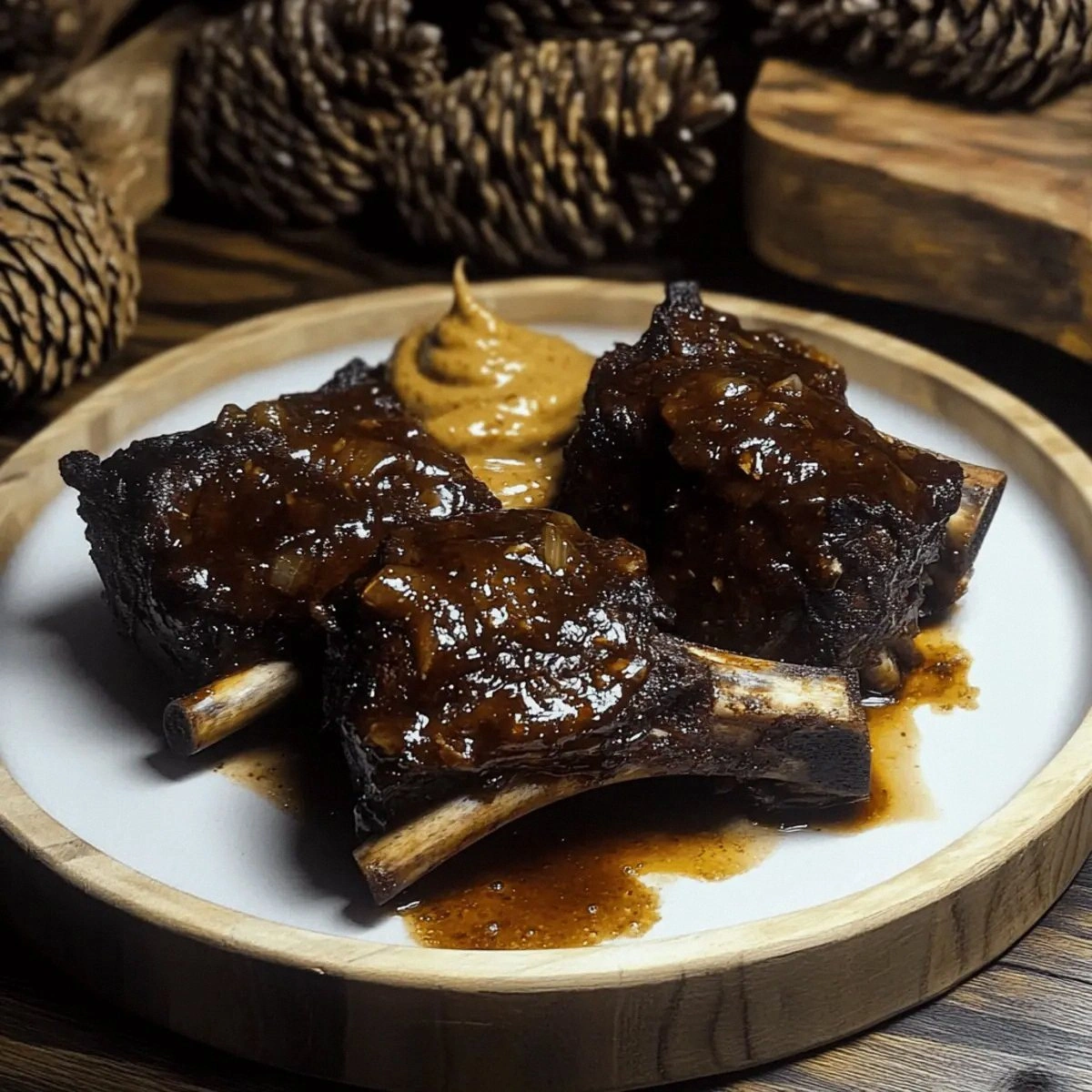
When the ribs are perfectly tender, remove the pot from the oven and transfer the ribs to a serving platter. Skim any excess fat from the surface of the sauce—this step keeps the final dish from feeling greasy. Stir the cream‑horseradish blend into the hot braising liquid, letting it melt and thicken the sauce. Taste and adjust seasoning with a pinch more salt or pepper if needed. The sauce should now be glossy, thick enough to coat the back of a spoon, and carry a balanced sweet‑sour‑spicy profile.
Finally, spoon the luscious sauce over the ribs, letting it pool around the bones. Garnish with a few freshly chopped parsley for a pop of color, and serve alongside creamy mashed potatoes or buttery polenta. Picture yourself pulling this out of the oven, the whole kitchen smelling incredible, and the first bite delivering a burst of sweet bourbon, tangy balsamic, and a creamy, peppery finish. I’ll be honest — I ate half the batch before anyone else got to try it. This is hands down the best version you’ll ever make at home.
That's it — you did it. But hold on, I've got a few more tricks that'll take this to another level...
Insider Tricks for Flawless Results
The Temperature Rule Nobody Follows
Most home cooks crank the oven up to 350°F, thinking higher heat means faster cooking. In reality, a gentle 300°F braise keeps the meat from tightening up and ensures the connective tissue melts into gelatin, giving you that melt‑in‑your‑mouth texture. I once tried the hot‑and‑fast method and ended up with ribs that were tough around the bone. Trust the low‑and‑slow, and you’ll get that perfect fork‑tender result every time.
Why Your Nose Knows Best
Don’t rely solely on a timer; use your senses. When the bourbon and balsamic reduce, you’ll notice the sauce change from a thin, sharp liquid to a thick, glossy glaze that smells like caramelized figs. If the aroma hasn’t deepened after 10 minutes of reduction, keep simmering. Your nose is the most accurate thermometer for flavor development.
The 5‑Minute Rest That Changes Everything
After you pull the ribs from the oven, let them rest for at least five minutes before carving. This short pause allows the juices to redistribute throughout the meat, preventing a dry, watery plate. Skipping this step is the most common mistake I see; people dive straight in and end up with a puddle on their plate.
Layering Flavor with the Final Cream
The combination of sour cream, heavy cream, and horseradish isn’t just about richness; it also balances the acidity from the balsamic and the sweetness from the bourbon. Adding this blend too early can cause the dairy to curdle, so always fold it in at the very end, off the heat. A friend once tried to add the cream halfway through and ended up with a grainy sauce—lesson learned.
Salt at the End, Not the Beginning
Seasoning in stages is key. The salt added before searing helps create a crust, but the final seasoning after the sauce is reduced ensures the balance isn’t thrown off by the reduction concentrating flavors. Taste the sauce right before serving and add a pinch of flaky sea salt if needed; it adds a subtle crunch that brightens each bite.
Creative Twists and Variations
This recipe is a playground. Here are some of my favorite ways to switch things up:
Maple‑Bourbon Fusion
Swap the brown sugar for pure maple syrup and add a drizzle of maple during the final glaze. The result is a deeper, wood‑smoked sweetness that pairs beautifully with the bourbon’s caramel notes. Perfect for a fall‑themed dinner.
Spicy Chipotle Kick
Introduce 1‑2 teaspoons of chipotle in adobo sauce into the braising liquid. The smoky heat adds a bold dimension, and the adobo’s acidity helps cut through the richness. Great for those who love a little fire.
Asian‑Inspired Twist
Replace the balsamic with a mixture of soy sauce and rice vinegar, add a splash of ginger juice, and finish with a sprinkle of toasted sesame seeds. The umami‑rich sauce takes the dish on an unexpected east‑west journey.
Herb‑Infused Variation
Throw in a handful of fresh rosemary and thyme along with the bay leaves. The herbaceous aroma lifts the dish, making it feel lighter while still maintaining the hearty core. Ideal for spring gatherings.
Vegetarian “Short Rib” Substitute
Use thick slices of portobello mushroom caps or cauliflower steaks, following the same braising method. The mushrooms absorb the sauce beautifully, delivering a meaty texture for vegetarians.
Storing and Bringing It Back to Life
Fridge Storage
Cool the ribs to room temperature, then transfer them and the sauce into airtight containers. They’ll keep for up to 4 days in the refrigerator. Reheat gently on the stovetop over low heat, adding a splash of beef broth or water to revive the sauce’s silkiness.
Freezer Friendly
For longer storage, portion the ribs and sauce into freezer‑safe bags or containers. They freeze beautifully for up to 3 months. When ready to eat, thaw overnight in the fridge, then reheat in a covered Dutch oven at 275°F until bubbling, again adding a splash of liquid to prevent drying.
Best Reheating Method
The secret to perfect reheating is low, slow heat. Place the ribs in a pre‑heated oven at 300°F, covered with foil, and let them warm for 20‑25 minutes. Before serving, stir in a teaspoon of water or broth to restore that luscious glaze. This method keeps the meat tender and the sauce glossy.