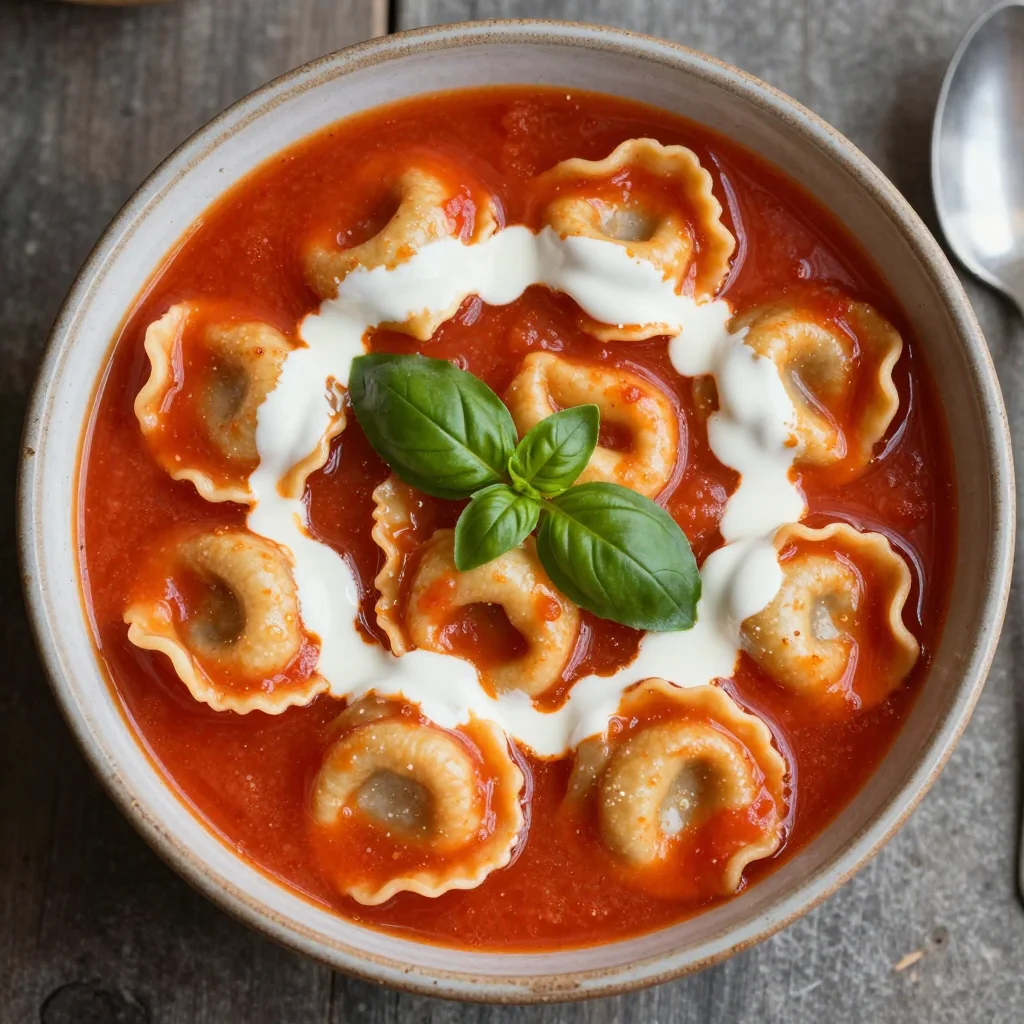
I was scrambling to salvage a batch of overcooked carrots that had turned my kitchen into a greasy, aromatic mess. The stovetop was a battlefield, with onions sizzling louder than a drum solo. I was determined to turn that calamity into a creamy, comforting bowl that would make my taste buds sing. So I grabbed my trusty skillet, added a splash of olive oil, and let the aroma of cumin begin its slow dance. Little did I know this simple twist would become the ultimate carrot lentil soup that will haunt your cravings.
The scent of toasted cumin hit the air first, a warm, earthy perfume that made the room feel like a cozy cabin. The gentle hiss of garlic in oil was the soundtrack to the transformation. When the carrots slid in, their bright orange glow cut through the gloom of the stove. The broth bubbled like a gentle cauldron, carrying whispers of coriander and smoked paprika. Every breath felt like a promise of something sweet and savory. And the moment the coconut milk swirled in, the soup turned into a silky river of caramelized goodness.
What sets this version apart from the countless carrot lentil soups on the internet is the depth of flavor that comes from a single, well‑timed addition of coconut milk. It’s not just a creamy texture; it’s a silky, velvety coating that clings to each carrot and lentil like a secret handshake. The smoked paprika gives a subtle ember that lingers on the palate, while the lemon juice cuts through the richness with a bright, citrusy bite. The result is a soup that feels both indulgent and wholesome, a balance that makes it suitable for a quick weekday dinner or a comforting Sunday lunch. And if you’ve ever felt that your homemade soups are bland or too thick, this recipe is a game‑changer that will rewrite your expectations. I dare you to taste this and not go back for seconds.
There’s a little secret ingredient that most people overlook: the way you sauté the onions and garlic in the very first step. I’ll show you how to coax a caramelized sweetness without burning, a technique that gives the soup its unmistakable depth. Another trick is the timing of the coconut milk; adding it too early turns it into a watery broth, but waiting until the lentils are nearly done locks in that rich, silky finish. And if you’re wondering how to keep the carrots tender yet still vibrant, I’ve got a quick hack that saves you from overcooking. Picture yourself pulling this out of the pot, the whole kitchen smelling incredible, and the first spoonful melting on your tongue. Let me walk you through every single step — by the end, you’ll wonder how you ever made it any other way.
I’ve spent years chasing the perfect balance of flavors in a single pot, and this one finally feels like a revelation. The first time I tasted it, I was surprised that the soup was both hearty and light, a paradox that keeps me reaching for another ladle. If you’ve ever struggled with bland lentil dishes, you’re not alone — and I’ve got the fix. This is hands down the best version you’ll ever make at home, and I’m about to share every secret. Stay with me, because the next part? Pure magic. And if you’re ready for a micro‑challenge, I dare you to finish this bowl without reaching for a second.
What Makes This Version Stand Out
Taste: This soup sings with layered flavors that dance across the tongue. The toasted cumin and smoked paprika create a subtle smokiness that pairs perfectly with the natural sweetness of carrots. The citrusy lemon lift gives a fresh finish that keeps the dish from feeling heavy.
Texture: The creaminess is silky, not heavy, thanks to the coconut milk’s natural emulsion. Carrots stay tender yet hold their shape, while lentils soften into a comforting, almost velvety base. The final result feels like a hug in a bowl.
Simplicity: All the magic happens in one pot, so you don’t have to juggle bowls or wash extra utensils. The recipe requires only a handful of ingredients, making it perfect for busy evenings or lazy weekends.
Crowd Reaction: Friends keep asking for seconds, and even the most skeptical diners leave with a smile. The soup’s vibrant color and comforting aroma make it a hit at potlucks and family dinners alike.
Ingredient Quality: Fresh carrots and high‑quality red lentils are the backbone of this dish. Using organic produce when possible adds depth and a cleaner flavor profile.
Cooking Method: The initial sautéing step locks in sweetness and builds a flavor foundation that carries through the entire dish. This technique is a small time investment that pays off in complexity.
Make‑Ahead Potential: The soup reheats beautifully with a splash of coconut milk to restore its silky texture. It’s a perfect dish for meal‑prep or for a quick weeknight dinner.
Time Efficiency: With a prep time of 15 minutes and a cook time of 30 minutes, you can have a gourmet soup on the table faster than many store‑bought options.
Versatility: Swap in different lentils or add a splash of maple syrup for a sweet twist. The base is adaptable, allowing you to tailor it to your taste or dietary needs.
Alright, let's break down exactly what goes into this masterpiece…
Inside the Ingredient List
The Flavor Base
Olive oil is the canvas that brings all the aromatics together. It carries the scent of cumin and coriander, preventing them from sticking to the pan and becoming bitter. If you’re watching calories, a light drizzle of canola or avocado oil will work, but the olive oil’s fruity notes give this soup its signature depth.
Onions are the sweet heart of the soup. When sliced thin and sautéed until translucent, they release a mellow sweetness that balances the earthiness of the lentils. Skipping the onions would leave the dish lacking, but if you’re allergic, finely grated carrots can partially replace the sweetness.
Garlic adds a punch of aroma that lingers long after the soup is finished. Crushing the cloves before adding them allows the garlic to infuse the oil fully. If you’re sensitive to raw garlic, sauté it until it just turns golden to mellow its bite.
Cumin gives the dish its warm, nutty undertone. Toasting it for a minute before adding the onions releases its essential oils, turning a dry spice into a fragrant bouquet. For a milder version, use half the amount and add a pinch of smoked paprika instead.
Coriander brings a citrusy brightness that brightens the entire broth. It’s a subtle contrast to cumin’s earthiness and pairs wonderfully with the lemon juice that comes later. If you don’t have ground coriander, a few fresh coriander leaves can work as a substitute.
Smoked paprika adds a gentle ember that lingers on the palate. It’s the secret that transforms a simple carrot soup into something that feels like it was simmered for hours. If you’re sensitive to heat, reduce the amount to a quarter teaspoon and increase the lemon juice to maintain brightness.
The Texture Crew
Carrots bring natural sweetness and a satisfying crunch if cooked just right. Cutting them into uniform cubes ensures even cooking, preventing some pieces from becoming mushy while others stay firm. If you prefer a smoother soup, peel the carrots and blend them into a puree before adding the lentils.
Red lentils are the heart of the dish, offering a creamy consistency when they break down. Their quick cooking time—about 15 minutes—makes them ideal for a one‑pot meal. If you’d like a firmer bite, switch to green or brown lentils, but remember they’ll take longer to soften.
The Unexpected Star
Coconut milk is the silky binder that gives this soup its luxurious mouthfeel. It’s also a natural sweetener, balancing the acidity of the lemon juice. If you’re vegan, use full‑fat coconut milk for maximum richness; a light version will produce a thinner texture.
The Final Flourish
Lemon juice adds a bright, tangy lift that cuts through the richness and brightens the overall flavor profile. A splash of lemon after cooking keeps the soup vibrant and prevents it from becoming too heavy. If you’re looking for a different zing, try a splash of lime or a dash of apple cider vinegar.
Chopped parsley and a drizzle of coconut milk at the end add a fresh, herbal note and a visual pop of green that makes the dish feel fresh. Croutons offer a crunchy contrast, but they’re optional. If you’re keeping the dish dairy‑free, skip the croutons entirely and enjoy the soup on its own.
Everything's prepped? Good. Let's get into the real action...

The Method — Step by Step
- Step 1: Heat the Pan - Place a large, heavy‑bottom pot over medium heat and pour in the tablespoon of olive oil. Allow the oil to shimmer, signaling that it’s ready for the aromatics. This step is crucial; if the oil is too hot, the onions will burn, and if it’s too cool, the spices will release poorly. The goal is a gentle sizzle that invites the onions to soften without searing.
- Step 2: Sauté the Onion - Add the sliced onion to the pot and stir. Let it cook until translucent and slightly golden, about 4–5 minutes. The aroma should be sweet and fragrant, a clear sign that the onion is developing flavor. If the onion sticks, add a splash of water or a pinch of salt to loosen it.
- Step 3: Add Garlic and Spices - Toss in the minced garlic, cumin, coriander, and smoked paprika. Stir constantly for 30 seconds to a minute, allowing the spices to toast. This releases essential oils and creates a fragrant base. Be careful not to burn the garlic; it should turn a light golden color.
- Step 4: Introduce Carrots - Add the diced carrots to the pot, stirring to coat them with the aromatic mixture. Let them cook for about 3 minutes, just enough to soften slightly but still retain a bite. This step is where the carrots absorb the spices, turning into sweet, flavorful cubes. Kitchen Hack: If you’re short on time, pre‑sauté the carrots in a separate pan for 5 minutes before adding them to the pot. This cuts the overall cooking time and ensures the carrots stay crisp.
- Step 5: Add Lentils and Broth - Stir in the red lentils, then pour in the vegetable broth. Bring the mixture to a gentle boil, then reduce the heat to low. Cover the pot and let it simmer. The lentils will begin to soften, and the broth will thicken into a rich, velvety base. Keep an eye on the pot; if it boils too hard, reduce the heat to avoid splattering.
- Step 6: Simmer and Watch Out - Let the soup simmer for 15–20 minutes, uncovered, until the lentils are tender and the carrots are cooked through. Stir occasionally to prevent sticking. Watch Out: Don’t stir too vigorously; the lentils can break apart and become mushy. If the soup thickens too much, add a splash of broth or water to reach your desired consistency.
- Step 7: Add Coconut Milk - Pour in the cup of coconut milk, stirring to combine. The coconut milk should swirl into the soup like a creamy river, adding silky richness. This step is key; adding it too early can cause the coconut to separate, while adding it too late results in a thin texture. Kitchen Hack: If you prefer a thicker soup, let the coconut milk simmer for an additional 5 minutes. The extra time allows it to reduce and thicken without becoming too oily.
- Step 8: Season and Finish - Add the tablespoon of lemon juice, salt, and pepper to taste. Stir gently, allowing the flavors to meld. The lemon juice will brighten the soup, preventing it from feeling too heavy. Taste and adjust seasoning as needed.
- Step 9: Serve and Garnish - Ladle the soup into bowls, then sprinkle chopped parsley and a drizzle of coconut milk on top. For a satisfying crunch, add a few croutons. The garnish adds visual appeal and a textural contrast that makes every spoonful exciting.
- Step 10: Enjoy - Take a deep breath of that aromatic steam, then take your first bite. The silky texture, bright citrus, and smoky undertones will transport you to a warm kitchen on a rainy day. This is the moment of truth, and it’s glorious.
That's it — you did it. But hold on, I've got a few more tricks that'll take this to another level. Remember, the magic of this soup lies in the details, so keep these tips handy for next time.
Insider Tricks for Flawless Results
The Temperature Rule Nobody Follows
Many cooks think that a quick, high‑heat finish is the best way to lock in flavor. In reality, a gentle simmer allows the lentils to release their natural starches, creating a silky base. Keep the heat low after the initial sauté, and let the soup bubble slowly. If you’re in a hurry, use a lid to trap steam, but never let it boil hard.
Why Your Nose Knows Best
Before you taste the soup, give it a good sniff. The aroma should be a complex mix of toasted cumin, sweet onion, and a hint of coconut. If you detect a metallic or burnt scent, the oil was too hot. Adjust the heat and let the pot settle before proceeding.
The 5‑Minute Rest That Changes Everything
Once you finish cooking, let the soup rest for five minutes with the lid on. This pause allows the flavors to marry and the texture to settle. When you stir after resting, the soup will feel richer and more cohesive.
How to Keep It Fresh
If you’re planning to make it ahead, store the soup in an airtight container in the fridge. The coconut milk will separate slightly; a quick whisk before reheating restores its silky consistency. For the best taste, reheat over low heat, adding a splash of broth if needed.
Spice Adjustments for Every Palate
Smoked paprika is optional; if you prefer a milder soup, replace it with regular paprika or omit it entirely. If you enjoy heat, add a pinch of cayenne or a diced jalapeño during the sauté. The key is to taste as you go, adjusting the seasoning to your preference.
Serving Suggestions
Pair this soup with crusty bread for a comforting meal. For a lighter option, serve it over a bed of quinoa or cauliflower rice. If you’re in a hurry, a simple side of steamed greens will round out the dish.
Creative Twists and Variations
This recipe is a playground. Here are some of my favorite ways to switch things up:
Spicy Thai Twist
Replace the red lentils with green lentils for a firmer bite, and add a tablespoon of Thai red curry paste during the sauté. Finish with a splash of lime juice and fresh cilantro. This version offers a bright, aromatic kick that pairs well with coconut milk.
Vegetarian Protein Boost
Stir in a cup of cooked quinoa or barley at the end of cooking. The grains add texture and extra protein, making the soup a more substantial main dish. Keep the coconut milk on the side for a richer sauce.
Low‑Carb Version
Omit the lentils entirely and substitute them with diced cauliflower florets. The cauliflower will absorb the flavors and create a creamy, low‑carb base. Add a pinch of xanthan gum if you want a thicker consistency.
Herb‑Infused Variation
Swap the parsley garnish for fresh dill or basil. Add a handful of chopped fresh dill during the last minute of cooking for a bright, herby note that complements the coconut milk.
Vegan Protein Swap
Use a can of drained chickpeas instead of lentils for a different protein profile. The chickpeas will add a subtle nuttiness and a firmer bite, making the soup more filling.
Sweet and Spicy
Incorporate a tablespoon of maple syrup or honey during the sauté for a subtle sweetness. Finish with a pinch of crushed red pepper flakes to balance the flavors. This variation is perfect for a comforting fall dinner.
Storing and Bringing It Back to Life
Fridge Storage
Store the soup in an airtight container for up to three days in the refrigerator. Keep it chilled and covered to preserve the coconut milk’s creamy texture.
Freezer Friendly
Freeze the soup in single‑serving portions for up to two months. Thaw overnight in the fridge and reheat gently on the stove, adding a splash of broth if it’s thickened.
Best Reheating Method
Reheat the soup over low heat, stirring frequently. Add a tiny splash of water or broth before reheating to restore moisture. Once hot, give it a quick whisk to redistribute the coconut milk.
Now that you’ve mastered the base, consider experimenting with the variations above. Whether you’re craving a spicy kick, a low‑carb option, or a protein boost, this soup adapts to your mood. Serve it with crusty bread for a comforting meal, or pair it with a light salad for a balanced dinner. The possibilities are endless, and each spoonful will remind you why this is the ultimate one‑pot creamy carrot lentil soup.