I still remember the night I almost set my kitchen on fire trying to make salmon. There I was, juggling three different pans, a phone balanced on my shoulder as my mom rattled off instructions, and smoke billowing from what was supposed to be a simple Tuesday dinner. The salmon emerged dry, bland, and tasting like disappointment with a side of char. Fast forward through countless experiments, and I've discovered something that makes me want to time-travel back to that disaster just to show my past self what salmon could actually taste like. This miso butter salmon isn't just another recipe — it's the moment when everything clicks into place, when umami-rich miso meets golden butter and transforms ordinary salmon into something that'll make you close your eyes with the first bite.
Picture this: it's 6:30 PM, you're starving, and you want something that tastes like it came from a fancy restaurant but takes less time than scrolling through delivery options. Enter this miso butter salmon, ready in twenty minutes flat. The sauce comes together while your pan heats up, creating this glossy, mahogany glaze that smells like a Tokyo izakaya and a French bistro had a beautiful baby. That first bite? The edges caramelize into these crispy, salty-sweet shards while the inside stays buttery and tender. The miso butter doesn't just sit on top — it seeps into every flake, creating layers of flavor that'll have you wondering why you ever bothered with lemon and dill.
What makes this version different from every other miso-glazed salmon recipe cluttering the internet? Most recipes treat miso like an afterthought, stirring it in at the end where it stays grainy and one-dimensional. Here's the game-changer: we're going to caramelize that miso in butter first, letting the milk solids toast and the miso deepen into something complex and almost meaty. The brown sugar isn't just for sweetness — it's your insurance policy, helping everything bubble into a glossy lacquer that clings to the salmon like it was painted on by a meticulous Japanese craftsman. And that fresh ginger? We're grating it directly into the pan so the volatile oils survive the heat, giving you bright pops of heat that cut through the richness.
Stay with me here — this next part is worth it. We're going to start the salmon skin-side down in a cold pan. I know, I know, every chef everywhere just gasped, but hear me out. This technique, borrowed from Chinese cooking, renders the fat slowly, giving you crackling-crisp skin without overcooking the flesh. By the time the skin crisps, the miso butter is ready to transform into your new favorite condiment. Ready for the magic? Let's do this.
What Makes This Version Stand Out
Umami Bomb: White miso paste brings this incredible depth that makes your taste buds sit up and pay attention. It's not just salty — it's got these nutty, slightly sweet notes that develop into something almost meaty when you caramelize it in butter. Most recipes barely warm the miso, but we're taking it to the edge, letting those amino acids break down and create new flavor compounds that'll make you wonder why you ever used soy sauce.
One-Pan Wonder: Everything happens in a single skillet, meaning you can go from zero to dinner hero without creating a mountain of dishes. The same pan that gives you perfect salmon skin becomes the vessel for your miso butter sauce, picking up all those beautiful browned bits that chefs call fond but I call liquid gold. Less cleanup means more time for the important things, like actually eating this masterpiece.
Speed Demon: This recipe moves fast — we're talking twenty minutes from fridge to plate, making it perfect for those nights when you want something spectacular but can't face a cooking marathon. The sauce comes together in the time it takes your salmon to sear, and everything finishes at once. No waiting around, no keeping things warm, no complicated timing charts.
Restaurant Quality at Home: That glossy, restaurant-style sheen isn't just for show. The miso butter creates this professional-looking lacquer that makes you look like you trained under a Japanese chef. Your dinner guests will think you slaved away for hours, but you'll know the truth — it's easier than ordering takeout, and about a million times more delicious.
Foolproof Technique: Starting with a cold pan sounds counterintuitive, but it's your secret weapon against overcooked salmon. The gradual heat renders the fat from the skin, basting the fish as it cooks, while giving you perfect control over doneness. No more guessing when to flip, no more dry, chalky salmon that makes you want to weep into your rice.
Make-Ahead Magic: The miso butter keeps for two weeks in the fridge and transforms everything it touches. Make a double batch and you'll find yourself melting it over vegetables, stirring it into noodles, or just eating it straight from the container standing in front of the fridge at midnight. Not that I've ever done that. Okay, maybe once. Or twelve times.
Weeknight to Weekend: Fancy enough for date night, simple enough for a Tuesday, this recipe adapts to whatever story your week is telling. Serve it over rice with steamed vegetables for a complete meal, or flake it over salads for lunch that'll make your coworkers jealous. It's the little black dress of salmon recipes — appropriate anywhere, anytime.
Inside the Ingredient List
The Umami Foundation
White miso paste is the quiet genius behind this entire operation, bringing this incredible depth that makes everything taste more like itself. Unlike its darker, more aggressive cousins, white miso is delicate and slightly sweet, fermented for a shorter time which preserves these beautiful, subtle flavors. When you heat it in butter, something magical happens — the proteins unravel and recombine, creating new flavor compounds that taste like you've been cooking for hours. Don't even think about substituting with darker miso unless you want to blow everyone's heads off with salt and intensity.
The unsalted butter isn't just a vehicle — it's a co-conspirator in creating something transcendent. We're using unsalted because miso brings plenty of salinity to the party, and you want to control exactly how salty things get. European-style butter with higher fat content gives you the richest, most luxurious sauce, but honestly, whatever's in your fridge will work. The key is letting it brown slightly, those milk solids toasting until they smell like hazelnuts and promise good things ahead.
The Sweet and Heat Brigade
Brown sugar might seem like an odd addition to a savory dish, but here's the thing — it balances the saltiness of the miso and helps everything caramelize into this gorgeous, sticky glaze. The molasses in brown sugar brings its own complexity, adding these deep, almost smoky notes that make the sauce taste like it's been developing for hours. Light or dark both work, though dark brown sugar gives you a deeper flavor that stands up beautifully to the rich salmon.
Fresh ginger is non-negotiable here. That jarred stuff tastes like disappointment and regret, while fresh ginger brings this bright, almost citrusy heat that cuts through all the richness. Grate it directly into the pan using a microplane so the volatile oils survive the heat, giving you these little pops of warmth that make each bite interesting. If you've only got ground ginger, just skip it — better to go without than subject yourself to that dusty, one-dimensional flavor.
The Allium Alliance
Garlic in this recipe plays backup to the ginger, adding its own savory depth without stealing the show. Smash it with the flat of your knife and let it sit for a few minutes while you prep everything else — this activates the allicin, creating more complex flavors that survive the heat. We're adding it after the miso has caramelized, so it softens and sweetens rather than burning and turning bitter. Two cloves might seem like a lot, but trust me — you want that garlicky backbone holding everything together.
Green onions provide the fresh, bright finish that lifts the whole dish out of heavy territory. The white parts go in early, melting into the sauce and adding subtle sweetness, while the green parts get scattered on top at the end for color and crunch. Don't skip the garnish — those fresh, sharp bits are what make each bite feel balanced rather than like you're eating butter sauce with a side of fish.
The Star of the Show
Salmon fillets need to be thick, center-cut pieces for this recipe to work its magic. Those skinny tail pieces will overcook before your sauce even gets going, leaving you with dry, sad fish that no amount of miso butter can save. Look for fillets that are at least an inch thick, with bright, firm flesh that springs back when you press it. The skin should be shiny and smell like the ocean, not fishy or ammonia-like. If you're buying from a fish counter, ask them to remove the pin bones but leave the skin on — that's where the crispy magic happens.
Wild versus farmed is your call here, though I'll confess a weakness for rich, fatty farmed salmon that stands up to the bold miso butter. Wild salmon is leaner and will cook faster, so pull it off the heat a minute earlier. Either way, let your salmon sit out for fifteen minutes before cooking — cold fish in a hot pan seizes up and cooks unevenly, giving you that dreaded gray band of overcooked meat. Room temperature salmon cooks more evenly, staying buttery and tender throughout.
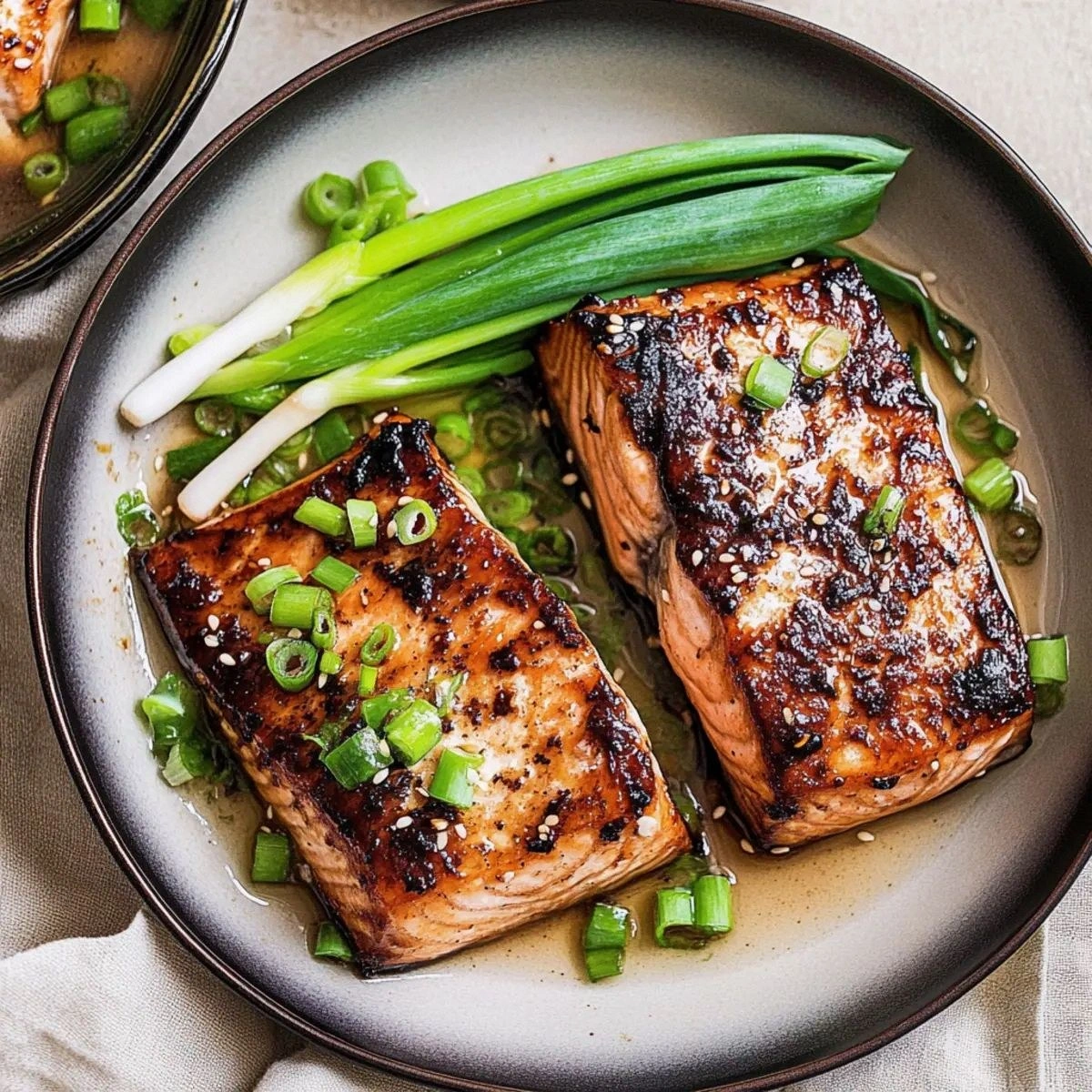
The Method — Step by Step
- Start with your salmon out of the fridge, patting it dry with paper towels like your dinner depends on it — because it does. Moisture is the enemy of crispy skin, and we want these fillets as dry as possible. Season the flesh side with just a whisper of salt — remember, miso brings plenty of salinity to this party. Let them sit while you prep everything else, giving the salt time to draw out surface moisture and season the fish. This fifteen-minute head start makes the difference between restaurant-quality and just okay.
- Make your miso butter by combining the butter and miso in a small bowl, mashing them together with a fork until they look like caramel-colored frosting. This might seem like an unnecessary step when you could just add them separately, but trust me — pre-combining helps everything melt evenly and prevents the miso from seizing into little salty clumps. The mixture should be smooth and spreadable, with the consistency of soft peanut butter. Set it near the stove where it'll soften further while you cook. This is going to be your new favorite thing, so maybe make extra.
- Place your salmon skin-side down in a cold, dry skillet — yes, cold, and yes, dry. I know this sounds like culinary heresy, but starting cold gives the fat time to render from the skin, basting the fish as it cooks. Turn the heat to medium and let it go for about six minutes, resisting every urge to poke, prod, or peek. You'll hear it start to sizzle and pop as the fat renders and the skin crisps. When the edges start to turn opaque and you can see the color changing up the sides, you're ready for the flip.
- While the salmon cooks, grate your ginger and mince your garlic, keeping them separate because they hit the pan at different times. The ginger goes in first to infuse the butter with its bright, warming flavor. Check your salmon — the skin should be golden and crispy, releasing easily from the pan when you slide a spatula underneath. If it sticks, give it another minute; it's not ready yet.
- Gently flip your salmon and cook for just two minutes on the flesh side — we're going for medium here, with the center still slightly translucent. Remove it to a plate where it'll finish cooking from residual heat while you make the sauce. Don't worry if it seems underdone; better slightly under than overcooked and chalky. Tent it loosely with foil to keep warm.
- Pour off all but a teaspoon of the rendered salmon fat — this liquid gold adds incredible flavor to your sauce. Add the butter and miso mixture to the same pan, lowering the heat to medium. Watch closely as it melts and starts to bubble, stirring constantly with a wooden spoon. Those brown bits stuck to the pan? That's pure flavor, and the miso butter is going to lift them into the sauce. It should smell toasty and nutty, like buttered popcorn crossed with something mysterious and savory.
- Stir in the brown sugar and let it bubble for about thirty seconds — you're looking for it to dissolve completely and start to caramelize slightly. This creates depth and helps the sauce cling to the salmon instead of running off in sad little puddles. The color should deepen to a rich mahogany, and it'll start to smell almost like toffee. Don't walk away here — sugar goes from perfect to burnt faster than you can say dinner's ready.
- Add the ginger and let it sizzle for just fifteen seconds — you want it fragrant but not browned. Then stir in the garlic for another thirty seconds, until everything smells incredible and you start questioning why you don't cook like this every night. The white parts of your green onions go in now, softening and sweetening in the sauce. Everything should be bubbling happily, creating this glossy, caramel-colored sauce that coats the back of a spoon.
- Return the salmon to the pan, spooning the sauce over the top and letting it warm through for about thirty seconds. The sauce should cling to the fish in a glossy coat, not run off in pools. Give it a gentle flip to coat both sides, but don't overhandle — you want to keep that crispy skin intact. Everything should come together in a harmonious, glossy tangle that makes you want to dive in face-first.
- Plate your salmon over rice, noodles, or whatever starch is calling your name, spooning extra sauce over the top. Scatter with the green parts of the onions for color and freshness, and serve immediately while the skin is still audibly crispy. The contrast between the hot, crispy salmon and the cool, sharp onions is what makes this dish sing. Trust me — you'll be planning your next batch before you even finish this one.
That's it — you did it. But hold on, I've got a few more tricks that'll take this to another level...
Insider Tricks for Flawless Results
The Temperature Rule Nobody Follows
Here's the thing about salmon — it keeps cooking after you take it off the heat, and most recipes forget to mention this crucial detail. Pull your salmon when the center hits 125°F if you like it medium, or 115°F for medium-rare. It'll climb another 5-10 degrees as it rests, giving you perfectly cooked fish instead of the overdone, chalky stuff that gives salmon a bad reputation. A friend tried skipping this step once — let's just say it didn't end well, and she ended up feeding perfectly good salmon to her very happy cat.
The key is using an instant-read thermometer inserted into the thickest part, away from the pan or skin. If you don't have one, look for the flesh to turn opaque about three-quarters of the way up the side, with just a whisper of translucent pink in the center. It should feel firm but still springy when you press it gently with your finger. Remember — you can always cook it more, but you can't uncook overcooked fish.
Why Your Nose Knows Best
Your sense of smell is your most underutilized kitchen tool, especially when making this miso butter sauce. When the miso first hits the pan, it'll smell raw and almost pasty — that's normal. But as it cooks, something magical happens. The proteins break down and recombine, creating new aromatic compounds that smell like roasted nuts crossed with something deeply savory. When you hit this point, add your aromatics immediately — waiting too long gives you bitter, burnt miso that'll ruin everything.
The garlic and ginger each have their own aromatic cues too. Fresh ginger should smell bright and almost citrusy when it hits the hot fat, while garlic goes from sharp and aggressive to sweet and mellow as it cooks. When everything smells like you want to bottle the aroma and wear it as perfume, your sauce is ready. This usually takes about forty-five seconds total — timing that becomes instinctive the more you make this dish.
The 5-Minute Rest That Changes Everything
After you flip the salmon, resist the urge to keep it in the pan until it feels completely firm — that's overcooked salmon territory. Instead, give it just two minutes on the flesh side, then remove it to a plate and tent it loosely with foil. Those five minutes of resting time let the juices redistribute throughout the fish instead of running all over your cutting board when you slice into it. The residual heat finishes cooking the center gently, giving you salmon that's buttery and moist instead of dry and chalky.
Use this resting time to finish your sauce — it's the perfect moment to adjust seasoning, add your green onions, and let everything come together. The sauce will stay hot in the pan, and your salmon will be perfectly cooked when you're ready to serve. This small waiting period feels like torture when you're hungry, but it's the difference between good salmon and life-changing salmon. Plus, it gives you time to set the table or pour yourself a well-deserved glass of wine.
Creative Twists and Variations
This recipe is a playground. Here are some of my favorite ways to switch things up:
The Spicy Korean Twist
Swap half the white miso for gochujang and add a teaspoon of sesame oil to the butter. The fermented chili paste brings heat and depth that plays beautifully with the salmon's richness. Top with toasted sesame seeds and extra green onions for a dish that tastes like your favorite Korean restaurant decided to serve salmon. The sugar in the original recipe balances the gochujang's heat, but add an extra teaspoon if you like things on the sweeter side.
The Herb Garden Version
Stir in a tablespoon of chopped fresh herbs — cilantro, Thai basil, or even mint — right at the end for a bright, green note that cuts through all the richness. The herbs should go in off the heat so they stay vibrant rather than turning that sad army-green color. This version is perfect for summer when your herb garden is going crazy and you want something that tastes like sunshine and good decisions.
The Citrus Sunshine Variation
Add the zest of one orange to the miso butter, and finish the dish with a squeeze of fresh lime juice. The orange zest adds these beautiful floral notes that make the whole dish taste like vacation, while the lime juice brightens everything up at the end. This version is especially good with wild salmon, which can handle the extra acidity without tasting overwhelmed.
The Mushroom Lover's Dream
Sauté sliced shiitake mushrooms in the pan after you remove the salmon, then build your sauce in the same pan. The mushrooms soak up all that miso butter like little umami sponges, creating a topping that's basically edible luxury. Add a splash of sake or dry sherry to deglaze the pan before adding the butter mixture — it adds another layer of complexity that makes this taste like something from a fancy restaurant.
The Weeknight Noodle Bowl
Instead of serving over rice, toss cooked ramen or soba noodles directly in the miso butter sauce, then top with the salmon and a soft-boiled egg. The noodles catch all that glorious sauce in their nooks and crannies, while the egg yolk creates this rich, silky coating that ties everything together. Add some quick-pickled vegetables for crunch and acid, and you've got a restaurant-quality meal that comes together in the time it takes to boil noodles.
The Surf and Turf Upgrade
Add seared scallops to the party — they cook in the same pan after the salmon finishes, picking up all those beautiful flavors. The miso butter sauce works equally well with both proteins, and the combination feels incredibly luxurious without being pretentious. Just make sure your scallops are dry and your pan is hot for that perfect golden crust that'll make you feel like a proper chef.
Storing and Bringing It Back to Life
Fridge Storage
Cooked salmon keeps for up to three days in an airtight container, but here's the thing — the skin will never be crispy again, no matter what you do. Store the salmon and sauce separately if possible, because reheating the sauce brings it back to life while the salmon is better served at room temperature or just barely warmed. The miso butter sauce actually improves after a day in the fridge as the flavors meld together, so don't throw out leftovers. Just reheat it gently with a splash of water or broth until it's pourable and glossy again.
When storing, place a piece of parchment paper directly on the surface of the sauce to prevent a skin from forming. This might seem fussy, but it keeps your sauce smooth and luxurious instead of developing that weird, congealed layer that no amount of stirring will fix. The salmon should go in the coldest part of your fridge, ideally in a shallow container where it can cool quickly and evenly.
Freezer Friendly
Here's some excellent news — the miso butter freezes beautifully for up to three months. Roll it into a log wrapped in parchment paper, then slice off coins as needed for instant flavor upgrades. The salmon itself doesn't freeze well once cooked — it gets that sad, spongy texture that makes you question all your life choices. But raw salmon freezes perfectly, so buy it when it's on sale and you've got the makings of this dish ready whenever the craving strikes.
When freezing the miso butter, portion it into ice cube trays for perfect single-serving amounts. Once frozen solid, pop them out and store in a freezer bag — they'll keep for months and melt perfectly over hot salmon, vegetables, or even steak. Having this flavor bomb ready to go means you're never more than fifteen minutes away from an incredible dinner, even on those nights when you can't even handle ordering takeout.
Best Reheating Method
Forget the microwave — it turns salmon into rubber faster than you can say leftovers. Instead, let your salmon come to room temperature while you gently warm the sauce in a small pan with a splash of water. Place the salmon on top for just a minute to warm through, being careful not to let it cook further. The goal is just to take the chill off, not cook it twice.
If you must use a microwave, do it in fifteen-second bursts at 30% power, checking constantly. Better yet, flake the cold salmon over a salad where room temperature is actually ideal. The sauce should be reheated gently with a tablespoon of water or chicken broth until it's pourable and glossy again. Whatever you do, don't overheat — you're just warming, not cooking, and a gentle touch preserves all that beautiful texture you worked so hard to achieve.