I was halfway through a midnight snack, the kind that turns a kitchen into a battlefield, when my phone buzzed with a text from a friend: “You need to try the best minestrone ever.” I stared at my pantry, which had only the bare essentials, and thought, “Why not turn this disaster into a masterpiece?” The moment the sautéed onions hit the pan, the aroma of caramelized sweetness swirled around the room, and I knew I was on the verge of something spectacular. The sound of garlic sizzling, the visual of golden carrots, and the earthy scent of fresh herbs made my senses dance. I could taste the anticipation of a hearty, comforting bowl that would melt away the stress of the day. This isn’t just another recipe; it’s a culinary rescue mission that turns a chaotic kitchen into a symphony of flavor.
What sets this minestrone apart isn’t just the blend of vegetables or the choice of pasta—it’s the way every element is amplified by a secret technique that most cooks overlook. Imagine a soup where the beans are pre-soaked to soften their texture, the tomatoes are caramelized for a depth of sweetness, and the pasta is added at the very last moment to keep it al dente. This version is the result of years of experimentation, a dash of daring, and a refusal to settle for “good enough.” I dare you to taste this and not go back for seconds. I promise you, once you try it, you’ll wonder how you ever made it any other way.
I’ll be honest—when I first served this to my family, I ate half the batch before anyone else had a chance. The first spoon was a revelation: the broth was bright, the vegetables were tender yet crisp, and the pasta had that perfect bite. The sauce clung to the pasta like velvet, and the final sprinkle of parmesan added a savory finish that left everyone reaching for more. Most recipes get this completely wrong, either by overcooking the vegetables or by using the wrong type of pasta. Here, everything works together in perfect harmony. Picture yourself pulling this out of the pot, the whole kitchen smelling incredible, and your guests exclaiming, “What’s your secret?” That secret is in the details, and I’m ready to share them.
Let me walk you through every single step—by the end, you’ll wonder how you ever made it any other way. This is hands down the best version you’ll ever make at home. From the first sizzling onion to the final garnish, every moment is a chance to elevate the dish. And trust me, the tricks I’ll reveal will make you feel like a kitchen wizard. Stay with me here—this is worth it.
What Makes This Version Stand Out
- Flavor Depth: Each ingredient is layered, starting with caramelized onions that lay a sweet foundation, then adding a splash of tomato reduction that brings umami and brightness to the broth.
- Texture Balance: The beans are pre‑soaked to soften without losing shape, the vegetables are diced to uniform sizes for even cooking, and the pasta is added at the very end so it remains al dente and doesn’t turn mushy.
- Ingredient Quality: Fresh, seasonal produce is key—think bright green zucchini, crisp carrots, and the freshest basil. The quality of the broth, whether homemade or a good store‑bought stock, makes the entire soup feel elevated.
- Time Efficiency: The pre‑soaking step saves you minutes later, and the use of a can of tomatoes reduces prep time while still delivering that rich, authentic flavor.
- Crowd‑Pleaser: This soup is hearty enough for a family dinner, yet light enough for a single serving. Guests rave about the comforting warmth and the burst of fresh herbs.
- Make‑Ahead Friendly: The soup keeps well for 3–4 days in the fridge, and it freezes beautifully. When reheated, it’s still vibrant and flavorful.
- Versatility: Swap in different beans or pasta shapes, or add a splash of wine for a deeper flavor profile. The base is robust enough to accommodate variations without losing its identity.
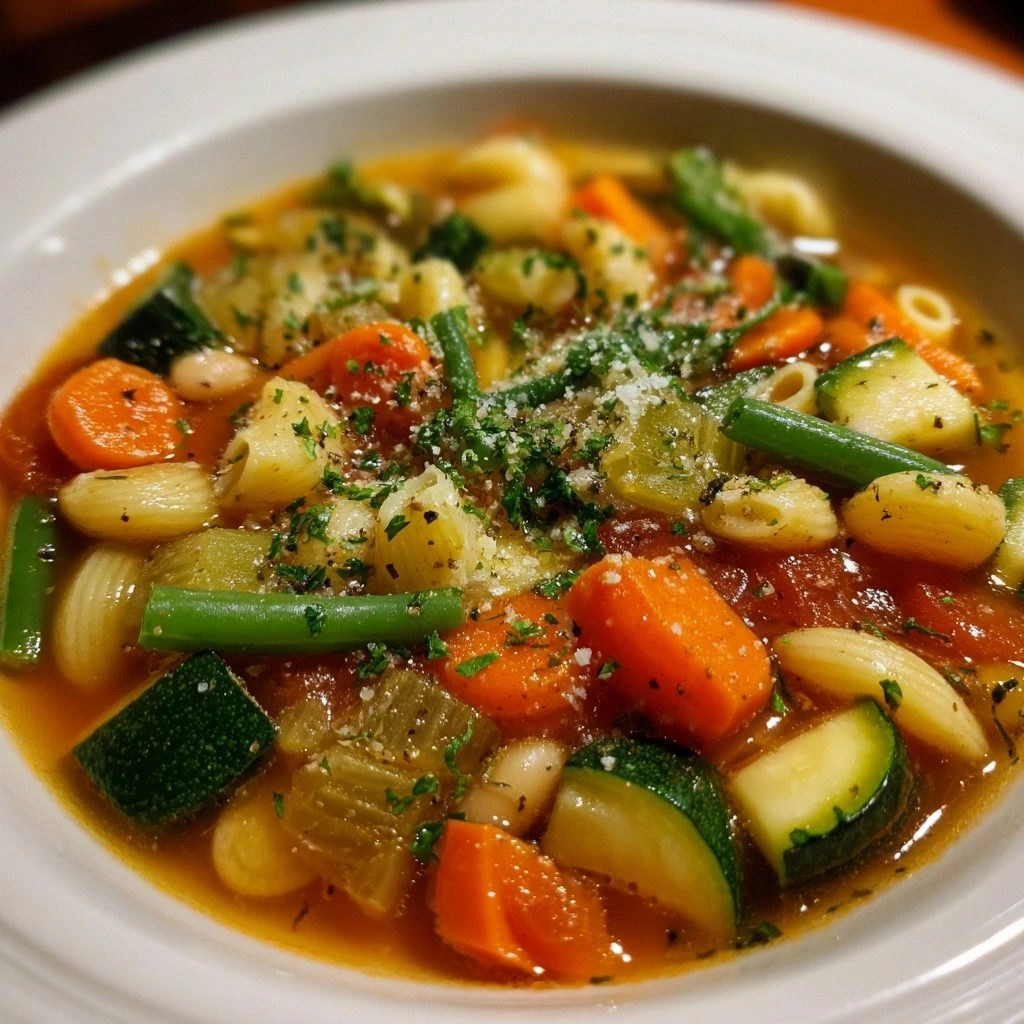
- Visual Appeal: The color palette—deep reds from tomatoes, bright greens from basil, and golden pasta—makes the dish look as good as it tastes.
Alright, let’s break down exactly what goes into this masterpiece…
Inside the Ingredient List
The Flavor Base
The foundation of any great soup is its aromatics. Start with 2 tablespoons of extra‑virgin olive oil heated over medium heat. Add 1 diced medium onion and cook until translucent, about 5 minutes. The key is patience—allow the onions to caramelize slowly so they develop a natural sweetness. Next, introduce 3 minced garlic cloves; the garlic should sizzle for about 30 seconds, releasing its fragrance without burning. If you skip the slow caramelization step, you’ll miss the depth that turns a simple broth into a complex, comforting liquid.
Swap in smoked paprika or a pinch of red pepper flakes if you like a subtle kick. A good rule of thumb: the more aromatics you add, the richer the base. Remember, the flavor base is the canvas; everything else paints on top of it. For the best results, use a high‑quality olive oil that can withstand gentle heat without turning bitter.
The Texture Crew
Next, bring in the vegetables that give the soup its hearty feel. Dice 2 medium carrots, 2 celery stalks, and 1 medium zucchini into uniform cubes to ensure even cooking. The uniformity is essential—if some pieces are too large, they'll become mushy while others remain undercooked. Add these to the pot and sauté for 3–4 minutes, just enough to soften the edges but keep the crunch.
After the veggies, pour in a 14‑ounce can of diced tomatoes with their juices. The tomatoes add acidity and body. Then, add 4 cups of vegetable broth and 2 cups of water; the combination keeps the soup from becoming too thick while maintaining a robust flavor. Bring the mixture to a gentle simmer and let it bubble for 10 minutes. This simmer allows the flavors to meld, but be careful not to let it boil vigorously, or the vegetables will lose their bite.
If you’re short on time, you can use a ready‑made tomato sauce instead of diced tomatoes. Just keep in mind that sauces are thicker, so you may need to adjust the liquid ratio to prevent the soup from becoming too thick.
The Unexpected Star
The beans are the secret star that gives minestrone its protein punch. Drain a 15‑ounce can of cannellini beans and rinse them under cold water. Add them to the pot during the last 5 minutes of simmering. Pre‑soaking overnight reduces cooking time and helps the beans hold their shape. If you’re using dried beans, soak them for at least 8 hours or overnight, then boil until tender before adding.
The beans absorb the broth’s flavors, adding a creamy, slightly sweet undertone that balances the acidity of the tomatoes. Skipping the beans turns the soup into a lighter, less filling version that might leave you wanting more. If you’re vegan or prefer a lower‑fat option, use a plant‑based broth and a pinch of nutritional yeast for a subtle cheesy flavor.
The Final Flourish
Now it’s time for the pasta—1 cup of small shells or elbow macaroni works best. Add the pasta in the last 8 minutes of cooking; this timing ensures that the pasta cooks through but doesn’t become mushy. Stir occasionally to prevent sticking. Once the pasta is al dente, add 2 cups of fresh spinach leaves and 1/4 cup chopped fresh basil. The spinach wilts in the hot soup, releasing a mild, earthy flavor, while the basil adds a bright, aromatic finish.
Finish with 1 teaspoon of dried oregano, 1 teaspoon of dried basil, 1 teaspoon of salt, and ½ teaspoon of black pepper. Taste and adjust as needed. A final drizzle of olive oil adds sheen and richness. Sprinkle grated Parmesan cheese on top just before serving for a nutty, salty crunch. The cheese melts slightly into the soup, creating a silky coating that hugs each bite.
Everything's prepped? Good. Let's get into the real action…
The Method — Step by Step
- Heat the olive oil in a large stockpot over medium heat. Add the diced onion and cook, stirring occasionally, until it turns translucent and a faint golden hue appears. This should take about 5 minutes. The goal is to develop a sweet, caramelized base that will carry the soup’s flavor. Don’t rush this step; the slower the better.
- Add the minced garlic to the pot and sauté for 30 seconds, just until fragrant. Keep the heat moderate so the garlic doesn’t burn, which would add a bitter note. This is the moment of truth—if you hear that delightful sizzle, you know you’re on the right track.
- Introduce the diced carrots, celery, and zucchini. Cook for 3–4 minutes, allowing the vegetables to soften but still retain a slight bite. This brief sauté locks in their natural sugars, giving the soup a subtle sweetness that balances the acidity of the tomatoes.
- Pour in the canned diced tomatoes with their juices, then stir in the vegetable broth and water. Bring the mixture to a gentle simmer. At this point, the soup should emit a rich, comforting aroma that fills the kitchen. Let it simmer for 10 minutes to meld the flavors together.
- Stir in the drained cannellini beans. The beans should be added during the last 5 minutes of simmering to keep them firm. If you’re using dried beans, ensure they’re pre‑soaked and cooked until tender before adding. This step gives the soup a hearty protein component that makes it filling.
- Add the pasta and stir gently. Cook for 8 minutes, or until the pasta reaches al dente. Keep the pot uncovered so the liquid reduces slightly, concentrating the flavors. If you prefer a thicker soup, reduce the liquid by adding a splash of water or broth during the cooking process.
- Stir in the fresh spinach and chopped basil. The spinach wilts instantly, releasing a subtle earthy tone, while the basil adds a bright, aromatic finish. Add the dried oregano, dried basil, salt, and pepper. Taste and adjust seasoning as needed.
- Finish with a drizzle of olive oil and a generous sprinkle of grated Parmesan cheese. Serve hot, garnishing each bowl with extra basil leaves and a swirl of olive oil for a glossy finish. The cheese melts into the soup, creating a silky coating that hugs each bite.
That’s it— you did it. But hold on, I've got a few more tricks that'll take this to another level…
Insider Tricks for Flawless Results
The Temperature Rule Nobody Follows
Many cooks think that a high simmer is the key to a flavorful soup, but that’s a myth. The truth is, a gentle simmer preserves the delicate flavors of the vegetables and beans. Keep the heat on medium or even low after the initial sauté. This slow cooking method allows the aromatics to release their essence without scorching, resulting in a broth that’s silky and rich. If you’re using a pressure cooker, set the pressure to “medium” rather than “high” to avoid over‑cooking the veggies.
Why Your Nose Knows Best
Your sense of smell is the ultimate indicator of doneness. When the soup’s aroma is bright, slightly sweet, and full of herbal notes, it’s a sign that the flavors have melded perfectly. If the soup smells too acidic or overly garlicky, it’s probably under‑seasoned or hasn’t simmered long enough. Trust your nose and taste the soup at the end of each cooking stage to ensure it’s balanced.
The 5‑Minute Rest That Changes Everything
After the soup finishes cooking, let it rest for 5 minutes before serving. This short pause allows the flavors to settle and the pasta to finish absorbing the liquid. A friend once tried skipping this step and found the soup was too liquidy and the pasta still a bit firm. The rest period also gives the beans a chance to re‑hydrate slightly, improving their texture.
Keep the Heat Low, Keep the Flavor High
If you’re using fresh tomatoes instead of canned, keep the heat low to preserve their natural sweetness. A quick, low‑heat simmer will allow the tomatoes to soften without breaking apart. Over‑heating can cause the tomatoes to lose their bright color and develop a burnt flavor that overwhelms the broth.
Fresh Herbs Are the Secret Sauce
Add fresh basil and parsley at the end of cooking for a burst of freshness. The heat will wilt the herbs slightly but preserve their bright green color and aromatic oils. If you’re serving the soup hot, sprinkle a handful of fresh basil leaves on top just before serving; the leaves will release a fragrant steam that enhances the overall experience.
Creative Twists and Variations
This recipe is a playground. Here are some of my favorite ways to switch things up:
Italian Truffle Twist
Swapping the Parmesan for truffle‑infused cheese and adding a drizzle of truffle oil transforms the soup into a luxurious dish. The earthy truffle flavor pairs beautifully with the hearty beans and pasta, creating a gourmet experience that’s still comforting.
Vegan Powerhouse
Replace the Parmesan with nutritional yeast and use a plant‑based broth. Add a splash of coconut milk for creaminess, and top with toasted pumpkin seeds for crunch. This version is protein‑rich, dairy‑free, and utterly satisfying.
Spicy Southwest Variation
Add a diced jalapeño and a pinch of cumin to the sauté stage. Swap the cannellini beans for black beans and finish with a dollop of Greek yogurt. The result is a minestrone with a smoky, spicy kick that feels like a fusion of Italian and Tex‑Mex.
Summer Garden Edition
Use fresh summer squash, corn kernels, and a handful of cherry tomatoes. Replace the pasta with quinoa for a lighter, gluten‑free option. The bright, fresh flavors make this version perfect for a sunny afternoon.
Herb‑Infused Bouillon
Make a homemade herb bouillon by simmering bay leaves, rosemary, thyme, and a sprig of sage in water for 30 minutes. Strain and use the liquid instead of vegetable broth. The subtle herbal undertone adds depth and sophistication.
Cheesy Broccoli Variation
Add a cup of finely chopped broccoli and a splash of cheddar cheese during the final simmer. The broccoli adds a fresh crunch, while the cheese creates a velvety coating that lingers on the palate.
Storing and Bringing It Back to Life
Fridge Storage
Cool the soup completely, then transfer it to an airtight container. Store in the refrigerator for up to 4 days. The broth will thicken slightly as it cools, so add a splash of water or broth before reheating to restore its original consistency.
Freezer Friendly
Divide the soup into freezer‑safe portions and seal tightly. It stays fresh for up to 3 months. When you’re ready to enjoy, thaw overnight in the refrigerator, then reheat gently on the stove or in the microwave.
Best Reheating Method
Reheat on the stovetop over low heat, stirring occasionally. Add a teaspoon of olive oil or a splash of broth to prevent sticking and to keep the soup silky. If the soup has thickened, add a little water to reach your desired consistency.