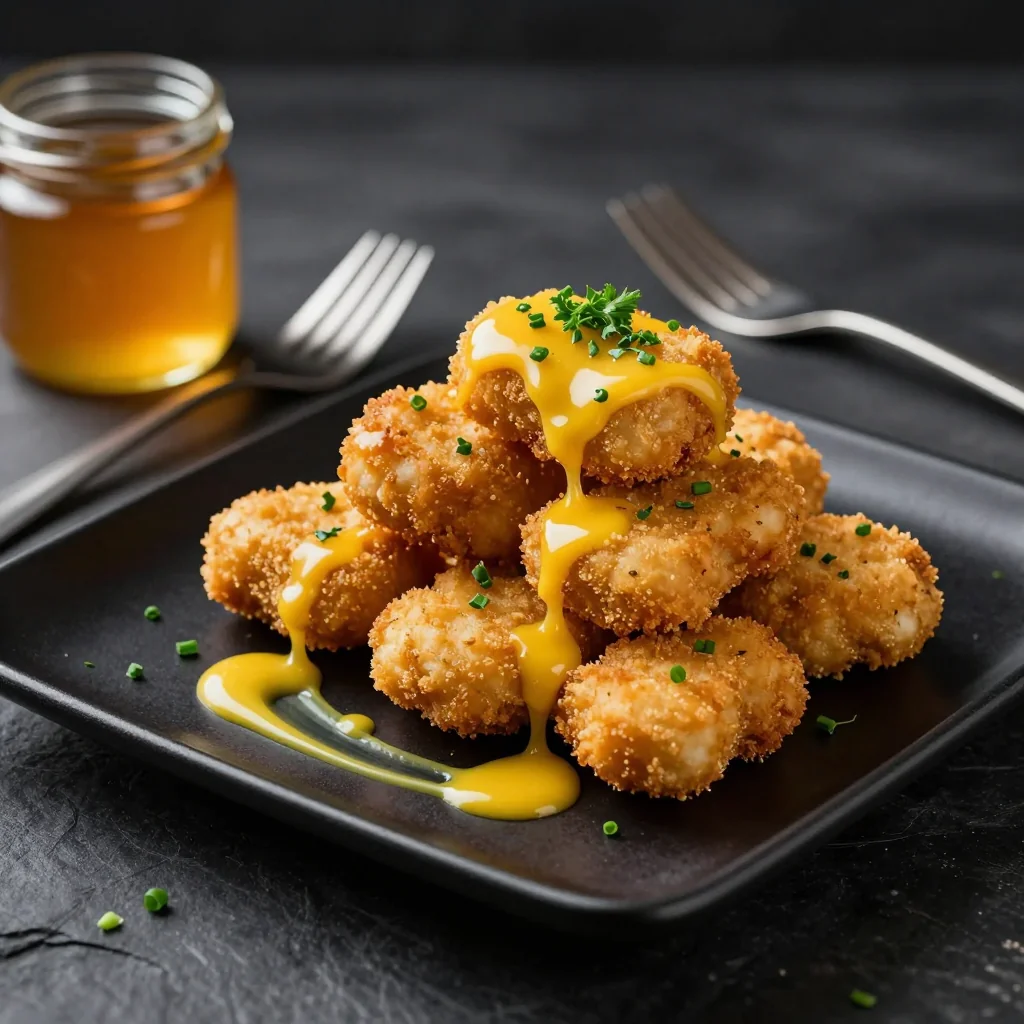
I was standing in my kitchen, staring at a bag of frozen chicken breasts that had been in the freezer for months, when my friend texted me with a challenge: “Make the most irresistible chicken tenders you’ve ever had.” The idea sounded too good to ignore, and I was determined to prove that a humble cut of meat could become a showstopper. The moment I tossed the chicken into a bowl, the air filled with the scent of olive oil and lemon, a bright, citrusy promise that something special was about to happen. I could almost taste the tang of feta and the herbal whisper of oregano dancing on my tongue.
Picture this: a pan sizzles, the chicken hits the hot surface and crackles like a tiny fireworks display, and the aroma rises in a bouquet of Mediterranean sunshine. The sound of the sizzling oil is the soundtrack to a dish that feels like a hug in a bowl. The texture—crispy on the outside, juicy on the inside—creates a contrast that makes each bite a little adventure. The colors are inviting: the golden crust, the creamy feta, the fresh parsley, and that pop of red from the paprika. And the best part? The flavor is layered, not one-dimensional; it’s a symphony of herbs, citrus, and a hint of smoky paprika that lingers on the palate.
What sets this version apart from the countless chicken tender recipes you’ll find online is the meticulous balance between simplicity and sophistication. I’ve stripped the recipe down to its essential ingredients, yet each one plays a starring role. The olive oil isn’t just a cooking fat; it’s a flavor vehicle that carries the lemon and herbs. The feta isn’t just a garnish; it melts into a silky, salty sauce that clings to every bite. And the use of fresh parsley at the finish adds a bright, herbaceous note that lifts the dish to new heights. The result? A dish that is hands down the best version you’ll ever make at home, with a finish that will make your taste buds sing.
I dare you to taste this and not go back for seconds. The moment you bite into the tender, the juices burst like a tiny, savory fireworks show, and the flavors unfold like a well-rehearsed play. Picture yourself pulling this out of the oven, the whole kitchen smelling incredible, and friends gathering around the table, eyes wide with anticipation. This is not just cooking; it’s an experience, a performance, a culinary revelation. Let me walk you through every single step—by the end, you’ll wonder how you ever made it any other way.
What Makes This Version Stand Out
- Flavor: The combination of lemon, oregano, basil, and paprika creates a bright, herby profile that cuts through the richness of the chicken.
- Texture: The double coating of olive oil and feta gives the tenders a crispy exterior that shatters like thin ice, while the interior stays moist and tender.
- Simplicity: With only eight ingredients, this recipe is easy to assemble, making it a perfect go-to for busy nights.
- Uniqueness: Using feta as a coating is unconventional and adds a creamy, salty depth that most chicken tender recipes lack.
- Crowd Reaction: Friends rave about the contrast between the crunchy edges and the juicy center—ideal for parties or family meals.
- Ingredient Quality: Fresh herbs and high‑quality olive oil elevate the dish, turning ordinary chicken into a gourmet experience.
- Cooking Method: Pan‑sautéing preserves the chicken’s moisture while creating a caramelized crust.
- Make‑ahead Potential: The tenders can be baked or reheated without losing their crispness, making this dish ideal for meal prep.
Alright, let’s break down exactly what goes into this masterpiece…
Inside the Ingredient List
The Flavor Base
Olive oil (2 tablespoons): This isn’t just a cooking fat; it’s a flavor carrier that lets the lemon and herbs permeate the chicken. Olive oil also helps achieve a golden, crispy crust. If you prefer a lighter taste, you can swap a portion for avocado oil, which has a higher smoke point but a milder flavor.
Lemon juice (2 tablespoons): The citrus acidity brightens the dish and balances the saltiness of the feta. Freshly squeezed lemon juice is ideal, but bottled lemon juice works if you’re in a hurry. A splash of lemon zest can add an extra layer of aroma.
The Texture Crew
Chicken breast (1.5 lbs): Choose boneless, skin‑less breasts for even cooking and a clean presentation. Slice into strips that are roughly 1.5 inches wide to ensure uniform thickness. If you’re using a whole chicken, separate the breasts and cut them into strips before proceeding.
Feta cheese (¼ cup): Crumbled feta acts as a coating that melts into a silky, salty sauce. It adds a creamy texture that contrasts with the crunchy exterior. For a dairy‑free version, try crumbled goat cheese or a plant‑based feta alternative.
The Unexpected Star
Garlic (2 cloves): Minced garlic infuses the oil with a sharp, aromatic punch. If you’re not a fan of raw garlic, you can sauté it lightly to mellow its bite. The garlic also helps the chicken brown more evenly.
Fresh parsley (2 tablespoons): Chopped parsley adds a fresh, herbaceous finish that brightens the dish. It also provides a pop of color that makes the tenders look appetizing. A pinch of dried parsley can replace fresh if you’re out of herbs.
The Final Flourish
Dried oregano (1 teaspoon), dried basil (1 teaspoon), paprika (½ teaspoon), salt (½ teaspoon), black pepper (¼ teaspoon): These herbs and spices build layers of flavor. Oregano and basil give a classic Mediterranean note, while paprika adds a subtle smokiness. Salt and pepper are essential for seasoning, but you can adjust them to taste. If you’re craving heat, a pinch of red pepper flakes can add a nice kick.
Everything’s prepped? Good. Let’s get into the real action…
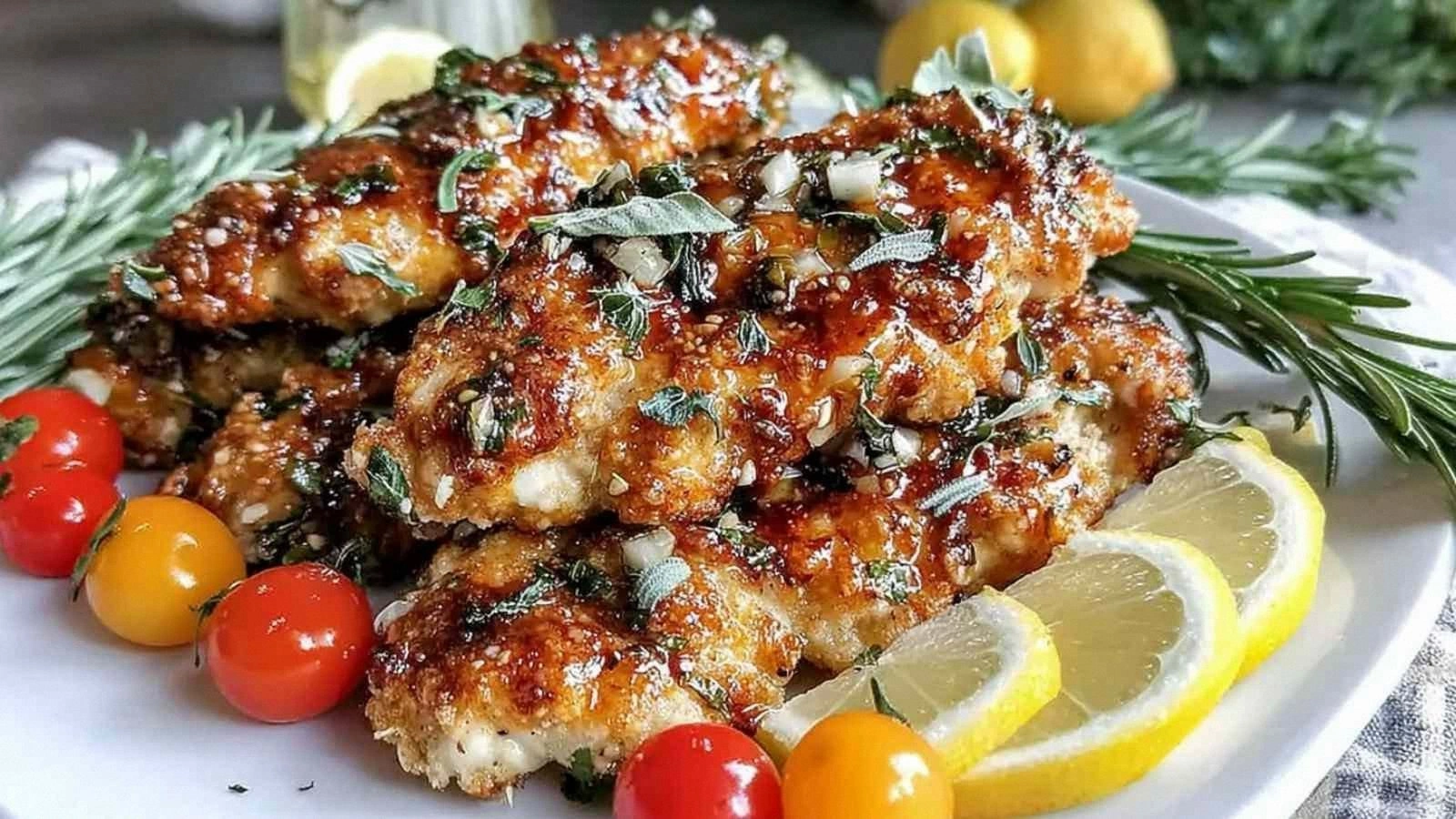
The Method — Step by Step
- Prep the chicken: Pat the chicken strips dry with a paper towel. This step is crucial; moisture on the surface prevents the coating from sticking. Season both sides with a pinch of salt and pepper. Let the chicken sit for 10 minutes while you prepare the coating.
- Make the coating: In a shallow bowl, combine the crumbled feta, oregano, basil, paprika, and a small splash of olive oil. The oil helps bind the feta and creates a glossy finish. Mix until the feta is evenly coated. If the mixture looks dry, add a teaspoon of lemon juice to moisten.
- Coat the chicken: Gently press each chicken strip into the feta mixture, ensuring every side is covered. The feta will cling to the meat and form a crisp shell as it cooks. Use a fork to press the coating onto the chicken, especially around the edges.
- Heat the skillet: Place a large non‑stick skillet over medium‑high heat. Add 1 tablespoon of olive oil and let it shimmer. The oil should be hot enough that a drop of water sizzles instantly. This high heat is key for a crispy exterior.
- Cook the tenders: Lay the coated chicken strips in the skillet in a single layer, leaving space between each piece. Do not overcrowd the pan; overcrowding causes the chicken to steam rather than sear. Cook for 3–4 minutes on the first side until a golden crust forms and the edges start pulling away.
- Flip and finish: Turn the chicken over using tongs. Cook the second side for another 3–4 minutes until the feta melts into a silky sauce and the chicken is cooked through. The internal temperature should reach 165°F (74°C). Watch Out: If you flip too early, the feta may break apart and run off the chicken. Wait until the first side is firmly browned before turning.
- Add garlic: In the last minute of cooking, add minced garlic to the pan and let it sauté until fragrant, about 30 seconds. The garlic will release its oils, infusing the chicken with a subtle, aromatic depth. Be careful not to burn the garlic; it can turn bitter.
- Finish with lemon: Squeeze the remaining lemon juice over the cooked tenders. The acidity cuts through the richness of the feta and brightens the overall flavor profile. This step also adds a glossy sheen to the dish.
- Garnish: Sprinkle chopped parsley over the finished tenders. The fresh herbs add a bright, herbal finish and a pop of color. Serve immediately while the tenders are still warm and crispy.
- Serve: Plate the tenders on a warm dish, drizzle any remaining pan juices, and pair with a side of tzatziki or a crisp green salad. The combination of textures and flavors creates a satisfying meal that feels both comforting and adventurous.
That’s it — you did it. But hold on, I’ve got a few more tricks that will take this to another level…
Insider Tricks for Flawless Results
The Temperature Rule Nobody Follows
Many cooks believe that high heat is the only way to achieve a crisp crust, but the secret lies in a steady, medium‑high temperature. If the pan is too hot, the coating burns before the chicken cooks through; if it’s too cool, the tenders become soggy. Use a thermometer to keep the skillet at 375°F (190°C). This ensures a golden exterior without sacrificing internal juiciness.
Why Your Nose Knows Best
Don’t ignore that first scent of sizzling oil and garlic. When the pan reaches the right temperature, the aroma will signal that the crust is forming. If the smell feels “off,” it might mean the heat is too low or the oil is overheating. Trust your nose; it’s the quickest way to gauge doneness.
The 5‑Minute Rest That Changes Everything
After you remove the tenders from the skillet, let them rest on a wire rack for five minutes. This step allows the juices to redistribute, ensuring each bite stays moist. It also gives the feta coating a chance to set, making the crust even more satisfying. A friend tried skipping this step once, and the result was a dry, overcooked chicken that didn’t hold together.
Double‑Coating for Extra Crunch
For an ultra‑crispy finish, dip the already coated tenders back into the feta mixture before the final flip. This creates a second layer that caramelizes beautifully. The extra crunch is especially noticeable when served with a dipping sauce, adding a textural contrast that delights the palate.
The Secret of Fresh Herbs
Fresh herbs bring a brightness that dried herbs can’t match. If you’re using dried oregano or basil, reduce the quantity by half to avoid bitterness. A handful of fresh thyme or oregano can replace dried herbs entirely, providing a more vibrant flavor profile.
Creative Twists and Variations
This recipe is a playground. Here are some of my favorite ways to switch things up:
Spicy Mediterranean Tenders
Add a pinch of red pepper flakes to the coating for a subtle heat that complements the feta’s saltiness. The spicy kick is perfect for those who love a little fire in their meals. Pair with a cool cucumber yogurt sauce to balance the heat.
Herb‑Infused Greek Yogurt Dip
Serve the tenders with a homemade tzatziki made from Greek yogurt, cucumber, dill, and lemon. The cool, creamy dip contrasts with the warm, crispy tenders, creating a harmonious flavor profile. It’s a classic Mediterranean pairing that never disappoints.
Crispy Panko Crusted Tenders
For a crunchier version, coat the chicken in panko breadcrumbs before adding the feta mixture. The panko adds a light, airy texture that pairs well with the dense feta. This variation is ideal for a dinner party where you want to impress with texture.
Roasted Vegetable Pairing
Roast sliced zucchini, bell peppers, and cherry tomatoes alongside the tenders for a colorful, nutrient‑dense side. The vegetables absorb the pan juices, creating a cohesive flavor experience. This combo turns the dish into a complete Mediterranean feast.
Gluten‑Free Option
Replace the feta with a dairy‑free feta alternative or crumble a firm tofu in place of the cheese. The tofu will hold the coating together while offering a mild, neutral flavor that lets the herbs shine. This version is perfect for those with dietary restrictions.
Pesto‑Coated Tenders
Swap the feta coating for a pesto made from basil, pine nuts, Parmesan, and olive oil. The pesto adds a nutty, herby depth that elevates the dish. Serve with a drizzle of balsamic glaze for a sweet and savory finish.
Storing and Bringing It Back to Life
Fridge Storage
Store cooked tenders in an airtight container in the refrigerator for up to 3 days. Keep them on a paper towel to absorb excess moisture, which helps maintain crispness. When you’re ready to eat, reheat in a skillet over medium heat until warmed through.
Freezer Friendly
To freeze, place the tenders on a parchment‑lined tray and freeze until solid. Transfer them to a freezer bag for longer storage, up to 2 months. When you’re ready, thaw in the refrigerator overnight or use the microwave’s defrost setting. Reheat in the oven at 350°F (175°C) for 10 minutes to restore crispness.
Best Reheating Method
Add a splash of water to the pan before reheating to create steam, which keeps the chicken moist. Then cover the skillet with a lid for 2–3 minutes, allowing the steam to reheat the tenders evenly. This technique prevents the chicken from drying out while preserving the crispy coating.