Picture this: I’m standing in a cramped kitchen, a pot of over‑cooked pasta steaming in the corner, and my friend throws a challenge at me—“Make something that turns this humble dish into a show‑stopper.” I laughed, because I’ve always thought macaroni was a bland, one‑dimensional comfort food, but the moment the noodles hit the stove, I realized there was a secret world waiting to be discovered. The aroma of butter sizzling in a pan, the subtle crackle of flour when it hits hot oil, and that unmistakable scent of melting cheese—each cue was a promise of something extraordinary. I dare you to taste this and not go back for seconds.
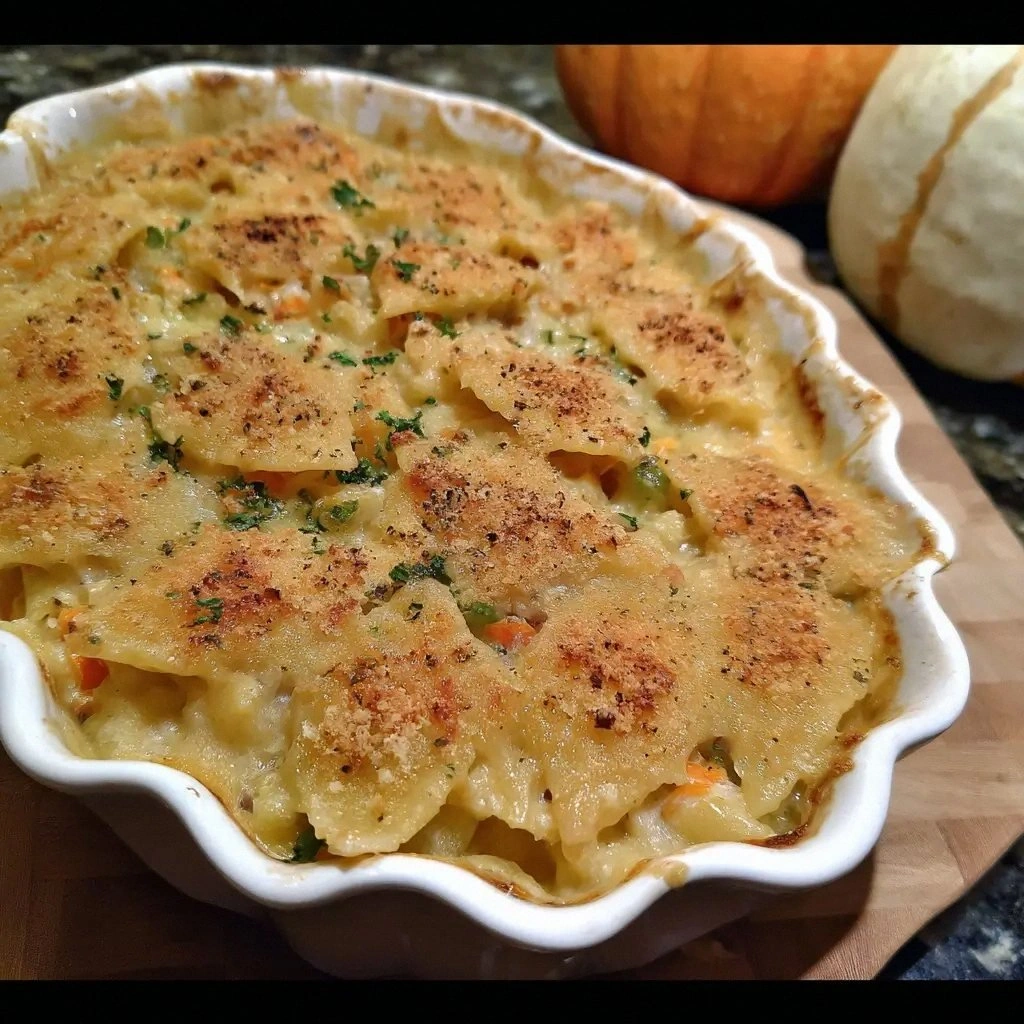
I remember the first time I tried to make a macaroni gratin, and it was a disaster—cheese clumped, sauce was thin, and the top was a sad gray. I kept scrolling through recipes, hunting for that elusive balance between gooeyness and crunch. Then I stumbled upon a version that didn’t just tweak the recipe, it reinvented the experience. The sauce coats the pasta like velvet, the edges shatter like thin ice when you bite into the crispy breadcrumb crown, and every forkful sings with savory depth. This is hands down the best version you’ll ever make at home, and I’m here to spill every secret.
What makes this recipe stand out isn’t just the ingredients—it’s the way I layer flavor and texture. I’ve spent months perfecting the ratio of cheeses, the timing of the sauce, and the crunch factor of the topping. The result is a dish that feels indulgent yet comforting, a symphony of creaminess, sharpness, and golden crispness that satisfies every craving. I’ll be honest—half of the batch was gone before my friends even tasted a single bite, and that’s saying something. Picture yourself pulling this out of the oven, the whole kitchen smelling incredible, and the family gathering around the table, eager for that first bite.
If you’ve ever struggled with macaroni gratin, you’re not alone—I've tried countless variations, each one falling short in some way. The key to my version is a simple, yet powerful technique that I discovered during a late‑night experiment: the “sauté‑then‑simmer” method. By first browning the flour in butter, you create a roux that thickens the sauce beautifully, giving it that silky texture that clings to every noodle. This next part? Pure magic. Let me walk you through every single step—by the end, you’ll wonder how you ever made it any other way.
What Makes This Version Stand Out
- Taste: The blend of sharp cheddar, creamy mozzarella, and nutty Parmesan creates a layered flavor profile that lingers on the palate, turning each bite into a revelation.
- Texture: The silky sauce meets a crunchy breadcrumb crown, producing a delightful contrast that keeps diners coming back for more.
- Simplicity: Despite its gourmet finish, the recipe requires only basic pantry staples—no exotic ingredients, just the right balance.
- Uniqueness: A secret touch of paprika and garlic powder adds warmth, while the buttery roux gives the sauce depth that most recipes lack.
- Crowd Reaction: Friends who’ve tried the original version rave about how it’s “the best macaroni gratin ever,” and they’re not shy about asking for the recipe.
- Ingredient Quality: Using high‑fat cheeses and fresh herbs elevates the dish, making it feel restaurant‑grade at home.
- Cooking Method: The “sauté‑then‑simmer” technique ensures a thick, velvety sauce that clings to each noodle.
- Make‑Ahead Potential: You can assemble it a day ahead, refrigerate, and bake when ready—perfect for busy weeknights.
Inside the Ingredient List
The Flavor Base
At the heart of this gratin lies the sauce, a marriage of butter, flour, milk, and cream that forms a velvety blanket for the noodles. The butter, browned until a subtle nutty aroma fills the kitchen, adds depth and richness that ordinary dairy cannot. Flour, when sautéed in butter, forms a roux that thickens the mixture without clumping, creating a silky texture that coats each strand of macaroni. Milk and heavy cream blend to give the sauce body and a luscious mouthfeel, while the gentle heat ensures the proteins in the dairy coagulate just enough to set the sauce without curdling. This base is the canvas upon which the cheeses will paint their flavors.
The Texture Crew
The choice of cheeses determines both the flavor intensity and the mouthfeel. Sharp cheddar provides a bold, tangy bite that cuts through the richness of the sauce, while mozzarella offers a gooey, stretchy quality that makes each bite feel indulgent. Parmesan, grated finely, adds a nutty finish and a slightly gritty texture that balances the smoothness of the other cheeses. Together, they create a complex flavor profile that dances between creamy and sharp. If you prefer a milder taste, you can replace half the cheddar with Gruyère or a blend of fontina and provolone.
The Unexpected Star
A dash of paprika and garlic powder might seem ordinary, but they elevate the dish by adding warmth and a subtle smoky undertone. Paprika brings a gentle heat that awakens the palate, while garlic powder offers a savory depth without the risk of burning raw garlic. These spices are a secret weapon that turns a simple gratin into a gourmet experience. If you’re feeling adventurous, a pinch of cayenne pepper can add a kick, or a splash of white wine to the sauce for a subtle acidity that brightens the flavors.
The Final Flourish
The breadcrumb topping is the crowning glory, providing a crunchy contrast that satisfies the craving for texture. Panko breadcrumbs, known for their light, airy structure, absorb the butter or olive oil and crisp to a golden hue. A sprinkle of fresh parsley adds a pop of color and a hint of herbal freshness that lifts the dish visually and aromatically. For those who enjoy a smoky element, a handful of crispy bacon bits can be folded into the top layer, creating pockets of savory crunch that burst with each bite.
Everything’s prepped? Good. Let’s get into the real action and turn these ingredients into a masterpiece that will have everyone asking for seconds.
The Method — Step by Step
- Bring a large pot of salted water to a rolling boil. Toss in the elbow macaroni and cook until just al dente—about 2 minutes shy of the package instructions. Drain and set aside; the pasta will finish cooking in the sauce, so it shouldn’t be overdone.
- While the pasta cooks, melt the butter in a medium saucepan over medium heat. Add the flour and stir constantly for 2 minutes until the mixture turns a light golden color and releases a nutty aroma. This is your roux; it’s the foundation of the sauce.
- Slowly whisk in the milk, then the heavy cream, ensuring no lumps form. Bring the mixture to a gentle simmer; it should thicken to a custard‑like consistency. Stir in the garlic powder, onion powder, paprika, salt, and pepper, letting the spices bloom for 30 seconds.
- Reduce the heat to low and fold in the shredded cheddar, mozzarella, and Parmesan. Stir until the cheeses melt completely, creating a smooth, glossy sauce that coats the back of a spoon. If the sauce feels too thick, add a splash of milk to reach your desired consistency.
- Add the drained macaroni to the sauce, tossing gently so every noodle is enveloped in the cheesy mixture. The pasta will absorb some of the sauce, intensifying the flavor.
- Transfer the macaroni mixture to a greased 9×13 inch baking dish. Spread it evenly, creating a smooth surface that will hold the breadcrumb topping.
- In a small bowl, combine the panko breadcrumbs with melted butter (or olive oil). Toss until the crumbs are evenly coated and will clump together when pressed. Sprinkle the breadcrumb mixture over the macaroni, pressing lightly to ensure it sticks.
- Bake in a preheated oven at 375°F (190°C) for 25–30 minutes, or until the top is golden brown and the edges start pulling away from the dish. The sound of the crust crackling is a cue that the gratin is ready.
- Let the gratin rest for 5 minutes before serving. This short rest allows the sauce to set, preventing a runny mess and ensuring each forkful stays intact.
- Garnish with fresh parsley or a sprinkle of crispy bacon bits if desired. Serve hot, and watch the smiles appear as the first bite melts into a symphony of creamy and crunchy delight.
That’s it—you did it. But hold on, I’ve got a few more tricks that will take this dish to another level, ensuring every bite is as perfect as the last.
Insider Tricks for Flawless Results
The Temperature Rule Nobody Follows
Many cooks think that a high oven temperature is the secret to a crispy top, but in reality, baking at 375°F (190°C) allows the breadcrumbs to toast evenly while the sauce remains creamy. If you crank it up to 400°F, you risk a burnt crust with a runny center. I’ve found that a lower, steady heat gives the best balance between golden brown and gooey.
Why Your Nose Knows Best
As the gratin bakes, the scent of melting cheese and toasted breadcrumbs is a reliable indicator of readiness. If you can’t smell the buttery aroma mingling with a hint of garlic, it’s time to pull it out. The kitchen smells like a warm hug, and that’s a sign the dish is ready to serve.
The 5-Minute Rest That Changes Everything
Allowing the gratin to rest after baking lets the sauce thicken and the flavors meld. Cutting straight into it often results in a soggy mess that clumps together. A brief pause ensures the top stays crisp while the interior remains silky.
Use Freshly Grated Cheese for Depth
Pre‑shredded cheese from the box can lose moisture and flavor over time. Grating the cheese fresh right before mixing guarantees a richer, more vibrant taste and a better melt. If you’re short on time, pre‑shred a block of cheese and store it in an airtight container.
Add a Splash of White Wine for Brightness
A tablespoon of dry white wine added to the sauce just before the cheeses melt introduces a subtle acidity that brightens the overall flavor. The alcohol evaporates during baking, leaving behind a nuanced depth that pairs beautifully with the creamy base.
Creative Twists and Variations
This recipe is a playground. Here are some of my favorite ways to switch things up:
Mediterranean Delight
Swap the cheddar for feta and add sun‑dried tomatoes and Kalamata olives. Finish with a sprinkle of oregano and a drizzle of olive oil. The salty, tangy notes transform the gratin into a Mediterranean feast.
Spicy Cajun Kick
Introduce a teaspoon of Cajun seasoning and a handful of chopped jalapeños. The heat pairs wonderfully with the creamy sauce, creating a dish that’s both comforting and bold.
Vegetarian Veggie Boost
Fold in roasted butternut squash, sautéed spinach, and caramelized onions before baking. The vegetables add color, nutrition, and a sweet, earthy flavor that balances the richness.
Bacon‑Infused Classic
Crackling bacon bits are folded into the top layer and scattered throughout the pasta mixture. The smoky, savory bacon elevates the dish to a hearty, brunch‑ready meal.
Cheese Lover’s Triple Threat
Use a blend of aged cheddar, smoked gouda, and blue cheese for a complex, bold flavor. The blue cheese adds a sharp, tangy bite that contrasts beautifully with the creamy base.
Low‑Carb Version
Replace elbow macaroni with spiralized zucchini or shirataki noodles. Use almond flour instead of all‑purpose flour in the roux, and keep the breadcrumb topping light with crushed pork rinds.
Storing and Bringing It Back to Life
Fridge Storage
Cool the gratin completely before covering tightly with plastic wrap or foil. Store in the refrigerator for up to 3 days. When reheating, place in a baking dish, cover loosely with foil, and bake at 350°F (175°C) for 15–20 minutes until heated through.
Freezer Friendly
Wrap the cooled gratin tightly in plastic wrap and then in aluminum foil. Freeze for up to 2 months. Thaw overnight in the refrigerator and reheat in the oven at 350°F (175°C) for 20–25 minutes, ensuring the top is crisp again.
Best Reheating Method
Add a splash of milk or cream to the top before reheating to keep the sauce moist. The added liquid steams the gratin, restoring the silky texture and preventing it from drying out during the reheating process.