I still remember the first time I made this Limoncello Ricotta Cake. It was a sweltering August afternoon, the kind where your kitchen feels like a sauna and even the thought of turning on the oven seems masochistic. My friend Marco had dared me to recreate his nonna's legendary cake, the one she'd been making since 1952 with handwritten notes splattered across an index card that looked like it had survived a war. Armed with nothing but blind confidence and a bottle of homemade limoncello I'd been saving for a special occasion, I dove headfirst into what I thought would be a simple baking project. Three hours later, I was covered in flour, my kitchen looked like a flour bomb had exploded, and I'd somehow managed to get ricotta in my hair. But when that cake emerged from the oven, golden and fragrant with the most intoxicating lemon aroma I'd ever encountered, I knew I'd stumbled upon something magical. The first bite was like taking a vacation to the Amalfi Coast without leaving my tiny apartment, each forkful delivering clouds of citrus-scented heaven that made me forget every kitchen disaster that had preceded it.
What makes this cake absolutely irresistible is the way it walks that perfect tightrope between dense and airy, rich and refreshing. Most ricotta cakes end up heavy as a brick or so light they collapse under their own ambition, but this version hits that sweet spot where each slice holds together beautifully while still feeling like you're eating a lemon cloud. The limoncello doesn't just add flavor—it transforms the entire experience, creating layers of lemon that dance between bright and boozy, sweet and sophisticated. I'll be honest with you: I ate half the cake before anyone else even knew it existed, standing at my kitchen counter in my pajamas at midnight, telling myself "just one more sliver" until I'd carved away an embarrassingly large portion. The combination of fresh lemon zest, juice, and that golden liqueur creates a flavor profile that's so much more complex than your typical lemon cake, with the ricotta adding this incredible moisture that keeps you coming back bite after bite.
Picture yourself pulling this cake out of the oven, the whole kitchen filling with the most incredible aroma of lemon and vanilla, watching as your guests' eyes light up when they take their first bite. This isn't just another dessert recipe—it's a slice of Italian sunshine that works equally well for an elegant dinner party as it does for a casual afternoon coffee with friends. The beauty lies in its simplicity: no fancy equipment required, no complicated techniques that'll have you pulling your hair out, just pure, honest ingredients coming together to create something that tastes like it came from a trattoria tucked away on a cobblestone street in Sorrento. Trust me when I say this is hands down the best version you'll ever make at home, and once you try it, you'll understand why Italian grandmothers have been guarding this recipe like family secrets for generations.
Let me walk you through every single step—by the end, you'll wonder how you ever made it any other way. We're going to dive deep into why each ingredient matters, the techniques that make or break this cake, and all the little secrets I've discovered through countless trials and delicious errors. Get ready to discover why this Limoncello Ricotta Cake will become your new signature dessert, the one your friends beg you to bring to every gathering, the recipe you'll pass down to your own kids someday.
What Makes This Version Stand Out
Sunshine in Every Bite: The combination of fresh lemon zest, juice, and limoncello creates a triple-threat of citrus flavor that's so much more vibrant than recipes that rely on just one source of lemon. Each component brings something different to the party—the zest provides essential oils for aroma, the juice adds bright acidity, and the limoncello contributes a sophisticated depth that makes grown-ups weak in the knees. Most recipes get this completely wrong, using bottled lemon juice or skimping on the zest, but we're going all in for maximum impact.
Cloud-Like Texture: The ricotta isn't just there for flavor—it's the secret weapon that creates this impossibly tender crumb that melts on your tongue like a dream. While other cakes can feel dry or overly dense, this one achieves that perfect balance where each bite feels substantial but never heavy. The protein in the ricotta interacts with the flour in a way that creates structure without toughness, resulting in a cake that's both moist and light.
Dead Simple Technique: No separating eggs, no folding in meringue, no complicated water baths or special pans required. We're using the muffin method here—dry ingredients, wet ingredients, combine and bake. Okay, ready for the game-changer? The batter comes together in one bowl if you're feeling lazy (though I recommend two for the best texture), and even kitchen novices can nail this on their first try. Most recipes overcomplicate what should be a straightforward cake, but we're keeping it real.
Make-Ahead Magic: This cake actually gets better after a day in the fridge—the flavors meld and deepen, creating an even more incredible experience. I dare you to taste this and not go back for seconds, especially when you discover how well it keeps. While other desserts degrade over time, this one transforms into something even more spectacular, making it perfect for entertaining.
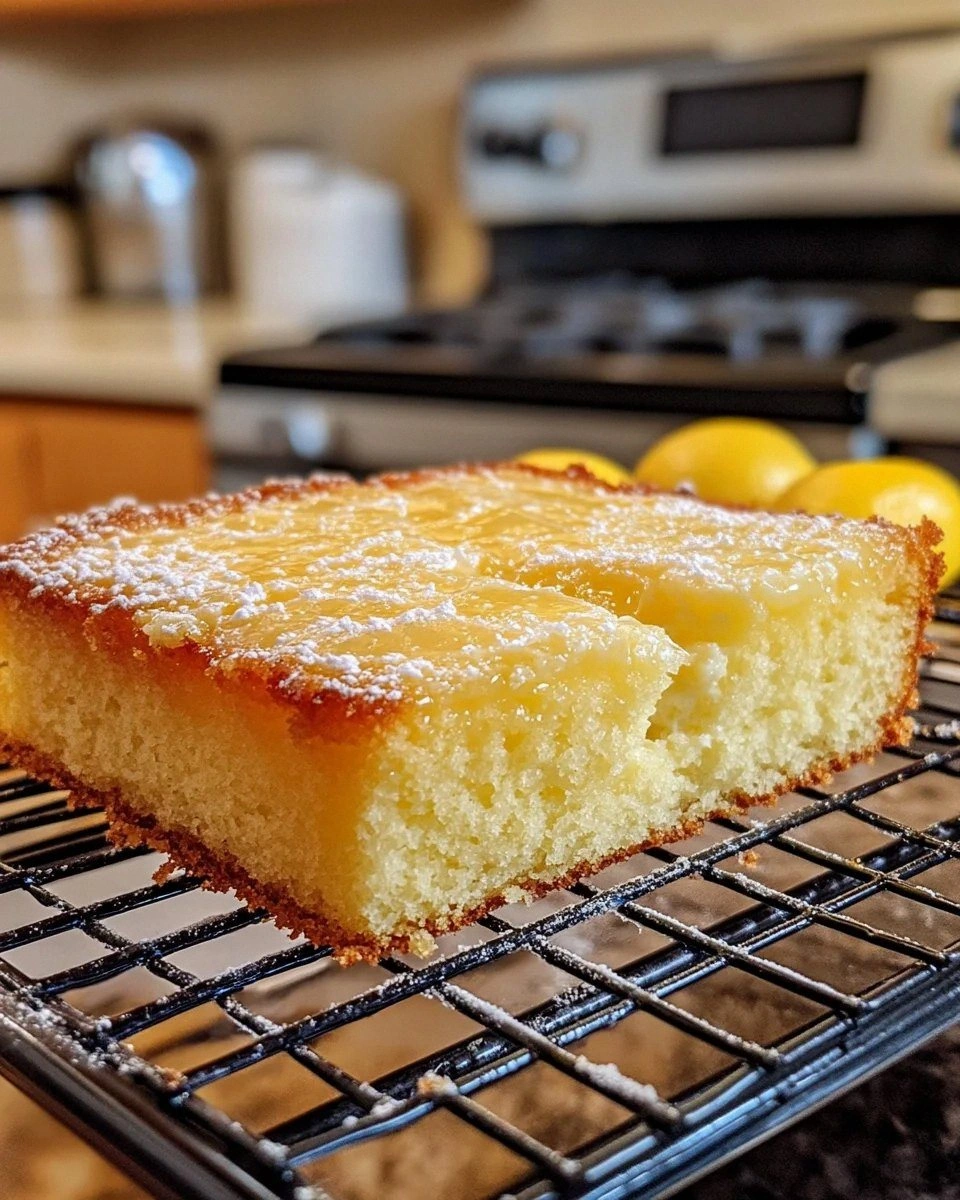
Crowd-Wowing Presentation: With its golden dome, delicate crumb, and that gorgeous lemon glaze dripping down the sides, this cake looks like it came from a professional bakery. Yet it requires zero decorating skills—just let it cool, dust with powdered sugar, and watch your guests' jaws drop. The natural beauty of this cake does all the work for you.
Authentic Italian Soul: This isn't some Americanized version with lemon extract and artificial flavors. We're using the real deal—fresh lemons, good ricotta, and quality limoncello that Nonna would approve of. The result captures that authentic Italian balance of simplicity and perfection that makes you close your eyes and imagine yourself in a sunny piazza.
Inside the Ingredient List
The Flavor Foundation
All-purpose flour forms the structural backbone of our cake, but don't be fooled into thinking any old flour will do. We're looking for the Goldilocks zone—enough protein to give the cake structure but not so much that it becomes tough and bready. The flour interacts with the ricotta's moisture to create that perfect tender crumb we're after. Skip the cake flour here; we need the slight gluten development that all-purpose provides to support all that ricotta richness. Measure it properly too—fluff it up, spoon it into your cup, and level it off instead of diving that measuring cup directly into the bag like a savage.
Baking powder is our primary leavening agent, and freshness matters more than you'd think. That can that's been sitting in your pantry since the Obama administration? Yeah, it's probably lost its punch. Test it by dropping a teaspoon into hot water—if it fizzes vigorously, you're good to go. If it just sits there looking sad, treat yourself to a new can. The baking powder works with the eggs to give our cake the lift it needs to avoid that dreaded ricotta brick texture.
The Texture Transformers
Unsalted butter brings the richness and flavor that makes this cake taste like it came from a European bakery. We're creaming it with sugar to incorporate air, creating tiny pockets that expand during baking for a lighter texture. The butter also carries those lemon flavors beautifully, creating a more rounded, complex taste than oil would provide. Make sure it's properly softened—your finger should leave an indent but it shouldn't be melted or greasy. If you've ever struggled with this, you're not alone—and I've got the fix: cut it into small cubes and let it sit for 15 minutes instead of waiting hours for a whole stick to soften.
Granulated sugar does more than just sweeten the deal here. As we cream it with the butter, the sugar crystals create tiny air pockets that contribute to the cake's lift. It also helps draw moisture from the ricotta, creating a more homogenous batter, and promotes that gorgeous golden-brown crust that makes the cake look as good as it tastes. Don't even think about reducing the sugar—it balances the acidity of the lemons and provides essential structure to the cake.
The Unexpected Stars
Ricotta cheese is the ingredient that makes this cake absolutely legendary, but not all ricotta is created equal. Skip the watery supermarket brands and look for whole milk ricotta that's thick and creamy. If you can find fresh ricotta at an Italian market, it will change your life—or at least your cake. The ricotta provides moisture, richness, and that signature tender crumb that makes this cake unforgettable. Drain it if it seems wet, but don't press all the life out of it. We're looking for that perfect balance where it enriches the batter without making it heavy.
Limoncello isn't just a boozy addition—it's the secret ingredient that elevates this from a simple lemon cake to something that makes people close their eyes and sigh with pleasure. The alcohol burns off during baking, leaving behind concentrated lemon flavor and a subtle complexity that you can't achieve any other way. Use the good stuff here, not some bottom-shelf imitation. If you must substitute, you could use lemon extract, but you'll miss that sophisticated edge that makes this cake special.
The Finishing Touch
Fresh lemon zest and juice are non-negotiable here. That zest contains essential oils that provide the bright, aromatic top notes that make this cake sing. Use a microplane to get the finest zest possible, being careful to avoid the bitter white pith. The juice adds acidity that balances the richness of the ricotta and butter, creating a cake that tastes fresh and vibrant rather than heavy. Two lemons might seem like overkill, but trust me—this is not the place to be shy with citrus.
The Method — Step by Step
-
Preheat your oven to 350°F (175°C) and position the rack in the center. Butter and flour a 9-inch springform pan, tapping out the excess flour. This is crucial—ricotta cakes have a tendency to stick, and there's nothing worse than perfectly baked cake that won't release from the pan. Take your time here, getting into every nook and cranny. The sizzle when the batter hits the hot pan? That's the sound of success starting.
-
In a medium bowl, whisk together the flour, baking powder, and salt. This isn't just busywork—whisking aerates the flour and ensures the baking powder is evenly distributed. Lumps of baking powder in your finished cake are about as appealing as finding a rubber band in your soup. Set this aside and resist the urge to start mixing wet ingredients in the same bowl. We're building flavor layers here, not rushing through a chemistry experiment.
-
In your stand mixer or with handheld beaters, cream the butter and sugar together on medium-high speed for 3-4 minutes until light and fluffy. Don't rush this step—proper creaming incorporates air that helps the cake rise. The mixture should be pale yellow and increased in volume. When you stop the mixer and lift the beater, it should leave a trail that slowly dissolves back into itself. This next part? Pure magic.
-
Add the eggs one at a time, beating well after each addition. This is where most recipes go wrong—people dump all the eggs in at once and wonder why their cake is dense. Each egg needs time to emulsify with the butter mixture, creating a smooth, cohesive batter. Scrape down the sides of the bowl between additions to ensure everything incorporates evenly. The batter should look glossy and slightly thickened, like luxurious lemon curd.
-
Beat in the ricotta, limoncello, lemon zest, and lemon juice. The batter might look slightly curdled at this stage—don't panic! This is normal when adding acidic ingredients to butter. Keep mixing until it comes together into a smooth, creamy consistency. The ricotta should break down completely, leaving you with a batter that's thick but pourable. That smell? That's the scent of Italian sunshine coming together in your kitchen.
-
Reduce the mixer speed to low and add the flour mixture in three additions, mixing just until combined. Overmixing develops gluten and gives you tough cake—stop as soon as you no longer see dry flour streaks. The batter will be thick and luxurious, like lemon-scented clouds. Use a spatula to give it a final fold, making sure there are no hidden pockets of flour hiding at the bottom of the bowl.
-
Pour the batter into your prepared pan and smooth the top with an offset spatula. Give the pan a gentle tap on the counter to release any large air bubbles. The batter should fill the pan about two-thirds full—it will rise significantly during baking. Don't be tempted to use a smaller pan or you'll have overflow issues that'll make your oven smell like burnt sugar for weeks.
-
Bake for 45-50 minutes, until the cake is golden brown and a toothpick inserted into the center comes out clean. The top should be beautifully domed and slightly cracked—that's perfectly normal and adds to the rustic charm. If the cake is browning too quickly, tent it loosely with foil for the last 15 minutes of baking. Your kitchen should smell like an Italian bakery crossed with lemon groves in the height of summer.
-
Cool the cake in the pan for 10 minutes, then run a thin knife around the edges and release the springform. Let it cool completely on a wire rack before dusting with powdered sugar. This is the hardest part—waiting. But cutting into a warm ricotta cake is like cutting into a cloud before it's set. Good things come to those who wait, and this cake is worth every minute of anticipation.
That's it—you did it. But hold on, I've got a few more tricks that'll take this to another level...
Insider Tricks for Flawless Results
The Temperature Rule Nobody Follows
Room temperature isn't just a suggestion—it's the difference between a smooth, emulsified batter and a curdled mess that bakes up with the texture of scrambled eggs. Take your ingredients out of the fridge at least an hour before you start, or use my microwave trick for the ricotta: 10 seconds on 50% power, stir, repeat until it's spreadable but not warm. Cold ingredients don't incorporate properly, leaving you with a cake that's streaky and uneven. A friend tried skipping this step once—let's just say it didn't end well, and her dinner guests were treated to a lemon-flavored brick that could have doubled as a doorstop.
Why Your Nose Knows Best
Don't rely solely on the timer—your nose is one of the best tools for determining doneness. When this cake is perfectly baked, your kitchen will fill with an incredible aroma of lemon and vanilla that's so intoxicating, neighbors might start showing up at your door. The edges will start pulling away from the sides of the pan, and the top will spring back lightly when touched. If you smell even a hint of burning, get that cake out immediately—better slightly underbaked than overbaked. The carryover heat will finish the job as it cools.
The 5-Minute Rest That Changes Everything
After your cake comes out of the oven, let it rest in the pan for exactly 5 minutes—no more, no less. Too short and it'll fall apart when you try to remove it. Too long and it'll steam itself into a soggy mess. This is the sweet spot where the proteins set enough to hold together but the cake hasn't started sweating. Use a thin knife to loosen the edges, but don't try to invert it like a regular cake. This beauty likes to stay right-side up, thank you very much.
The Glazing Game
A simple lemon glaze takes this cake from rustic to restaurant-worthy. Mix 1 cup powdered sugar with 2-3 tablespoons lemon juice until you get a thick but pourable consistency. Wait until the cake is completely cool, then drizzle it over the top and let it drip down the sides naturally. Don't spread it with a knife—that creates streaks and looks amateur. Let gravity do the work for a gorgeous, professional finish that'll make Instagram weep with envy.
Creative Twists and Variations
This recipe is a playground. Here are some of my favorite ways to switch things up:
Berry Bliss Limoncello Cake
Fold 1 cup of fresh blueberries or raspberries into the batter just before pouring it into the pan. The berries add pops of tart-sweet flavor that complement the lemon beautifully, and they create gorgeous purple streaks throughout the cake. If you've ever struggled with berries sinking to the bottom, toss them in a tablespoon of flour first. This trick works every time, keeping your berries suspended throughout the cake like little jewels.
Almond Dream Variation
Replace 1/4 cup of the flour with almond flour and add 1/2 teaspoon of almond extract to the batter. The almond enhances the ricotta's nuttiness and creates a more complex flavor profile that tastes like something you'd find in a Parisian patisserie. Top with sliced almonds before baking for extra crunch and visual appeal. This version pairs beautifully with a cup of espresso and makes you feel incredibly sophisticated, even if you're eating it in your pajamas.
Orange You Glad Twist
Swap the limoncello for Grand Marnier and use orange zest and juice instead of lemon. This creates a more sophisticated, adult version that's perfect for dinner parties. The orange flavor is deeper and more complex than lemon, with hints of vanilla that make it feel incredibly luxurious. Garnish with candied orange peel for a show-stopping presentation that'll have your guests convinced you trained at Le Cordon Bleu.
Mini Cake Magic
Turn this into individual servings by baking it in a muffin tin lined with paper cups. Reduce the baking time to 18-22 minutes and you've got adorable little cakes that are perfect for brunch or afternoon tea. They're cute, portable, and portion-controlled—though I won't tell if you eat three. The edges get slightly crispy while the centers stay tender, creating textural contrast that makes these mini versions dangerously addictive.
Tropical Paradise Cake
Add 1/2 cup of toasted coconut to the batter and substitute coconut rum for half the limoncello. This creates a tropical twist that transports you straight to a beach in the Caribbean. The coconut adds texture and richness while complementing the citrus flavors perfectly. It's like a vacation in cake form, and who doesn't need more of that in their life?
Storing and Bringing It Back to Life
Fridge Storage
This cake keeps beautifully in the refrigerator for up to 5 days—if it lasts that long. Wrap it tightly in plastic wrap, then aluminum foil to prevent it from absorbing other flavors. The ricotta means it needs to stay cold, but bring it to room temperature before serving for the best texture and flavor. Cold ricotta cake is still delicious, but room temperature allows all those complex flavors to bloom. Add a tiny splash of water before reheating—it steams back to perfection and prevents the edges from drying out.
Freezer Friendly
Wrap individual slices in plastic wrap, then aluminum foil, and freeze for up to 3 months. This is brilliant for portion control or emergency dessert situations. Thaw overnight in the refrigerator, then let come to room temperature before serving. The texture holds up beautifully to freezing, though the lemon flavor might be slightly muted. A quick brush with fresh lemon juice will wake it right back up.
Best Reheating Method
If you must reheat (though it's best served at room temperature), wrap slices in foil and warm in a 300°F oven for 10-15 minutes. The microwave works in a pinch—10 seconds on 50% power, check, repeat—but don't overdo it or you'll end up with rubbery cake. A toaster oven is actually perfect for reheating, creating slightly crispy edges while keeping the center tender.