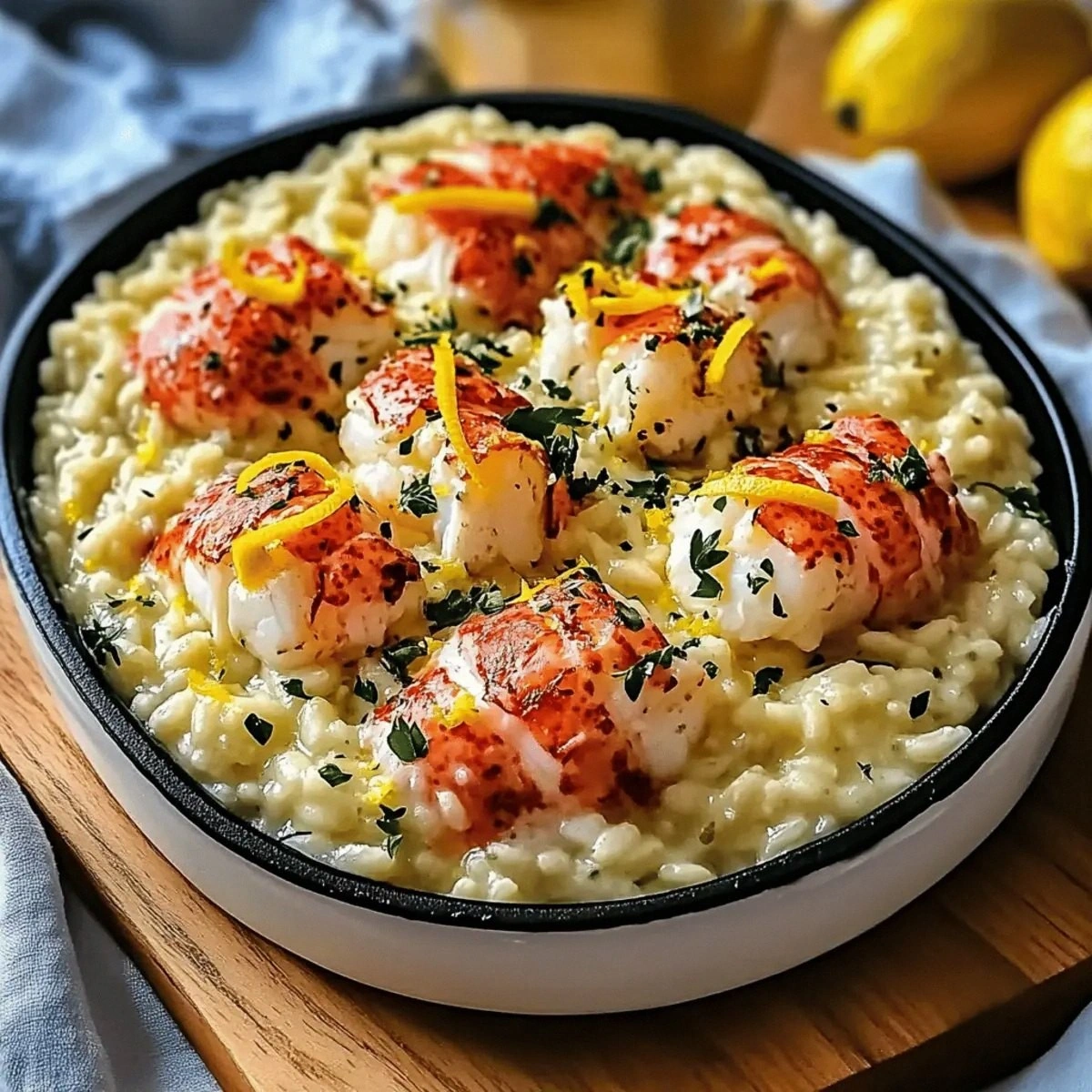
I’ll be honest — the first time I tried to make lobster risotto, I ended up with a soggy, flavor‑less mess that could have passed for a bland rice pudding. The kitchen was a battlefield of splattered butter, a pan that refused to cooperate, and a lingering “what‑did‑I‑do‑wrong?” feeling that haunted me for days. Then a friend dared me to bring the sea onto my stovetop with a citrus twist, and I accepted the challenge like a knight taking up a sword. The moment the lobster cracked open, the buttery aroma hit me like a wave, and I knew I was onto something that could change dinner forever.
Picture yourself standing in front of a simmering pot, the air humming with the perfume of garlic, onion, and a whisper of fresh lemon zest. You hear the gentle pop of butter melting, the soft hiss when the wine meets the hot pan, and the faint clink of a wooden spoon against the side of the pot. Your fingertips feel the heat radiating from the stove, and your tongue anticipates that first bite where the rice is creamy, the lobster sweet, and the lemon bright enough to make you think you’re dining on sunshine. That sensory overload is exactly why this version of Lemon Butter Lobster Risotto feels like a celebration in a bowl, not just a dinner.
Most recipes get the texture wrong – they either over‑cook the Arborio until it turns mushy, or they under‑cook it leaving a gritty bite that ruins the whole experience. I’ve spent countless evenings tweaking the broth‑to‑rice ratio, the timing of the wine splash, and the moment I fold in the lobster meat. The secret? A precise temperature dance and a splash of lemon that cuts through the richness without ever turning sour. I dare you to taste this and not go back for seconds; the balance is so spot‑on you’ll wonder how you ever survived without it.
Let me walk you through every single step — by the end, you’ll wonder how you ever made it any other way. Okay, ready for the game‑changer? This next part? Pure magic. Stay with me here — this is worth it.
What Makes This Version Stand Out
- Flavor Explosion: The combination of lobster sweetness, buttery depth, and lemon brightness creates a layered taste that dances on the palate like a well‑choreographed ballet.
- Creamy Texture: Arborio releases its starch slowly, giving the risotto a silk‑like mouthfeel that coats each grain like velvet.
- Simplicity Meets Luxury: Only ten ingredients, yet the result feels like a five‑star restaurant dish without the pretentious plating.
- Ingredient Quality: Fresh lobster and real lemon juice are non‑negotiable – they elevate the dish from “good” to “legendary.”
- Crowd‑Pleaser: Even the pickiest eaters are won over; the subtle citrus makes the richness approachable.
- Make‑Ahead Potential: You can prep the broth and aromatics ahead of time, then finish the risotto in under 30 minutes.
- Cooking Method: The gradual addition of warm broth ensures even cooking and prevents the dreaded “starchy wall” many risottos hit.
- Versatility: Swap lobster for scallops or add a splash of saffron for an entirely new flavor profile without losing the core integrity.
Inside the Ingredient List
The Flavor Base
The onion and garlic are the silent architects of flavor. When you sweat the onion in olive oil, it becomes sweet and translucent, releasing sugars that balance the acidity of the lemon later on. Garlic adds that unmistakable aromatic punch that makes your kitchen feel like a Mediterranean bistro. Skipping either will leave the risotto tasting flat, like a song missing its chorus. If you’re allergic to garlic, a pinch of asafoetida can mimic its depth without the bite.
The Texture Crew
Arborio rice is the hero here; its high amylopectin content is what gives risotto its signature creaminess. Using any other rice will result in a grainy texture that refuses to bind. The butter and olive oil work together – butter adds richness while olive oil raises the smoke point, preventing the butter from burning during the sauté. If you’re dairy‑free, substitute the butter with a generous spoonful of coconut oil and a dash of nutritional yeast for a cheesy note.
The Unexpected Star
Fresh lemon juice and zest are the surprise guests that steal the show. The juice brightens the dish, cutting through the buttery richness, while the zest adds aromatic oils that linger on the palate. Don’t use bottled lemon – the artificial flavor will make the whole risotto taste like a grocery store aisle. If you’re out of lemons, a splash of white wine vinegar combined with a pinch of orange zest can approximate the same zing.
The Final Flourish
Lobster meat is the crown jewel. Its natural sweetness pairs perfectly with the buttery sauce, and the delicate texture provides a pleasant contrast to the creamy rice. When you add the lobster at the very end, you preserve its tender bite; overcooking turns it rubbery, a culinary tragedy. If fresh lobster isn’t available, high‑quality frozen lobster tails, thawed and patted dry, work just as well. And always remember: a pinch of sea salt at the finish brightens every flavor layer.
Everything's prepped? Good. Let's get into the real action…
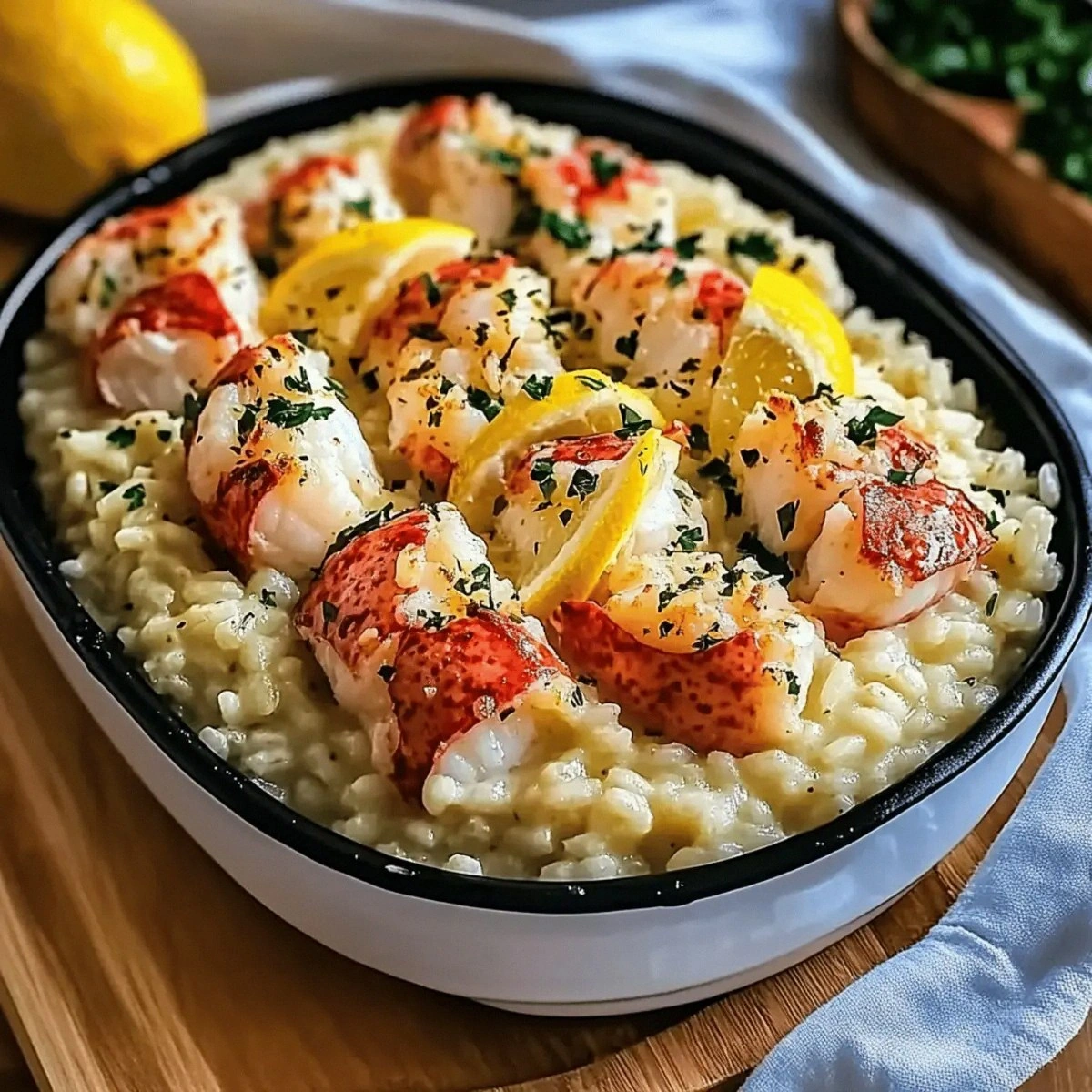
The Method — Step by Step
Heat the olive oil in a heavy‑bottomed saucepan over medium heat. Add the finely diced onion and sauté until it becomes translucent and fragrant, about 3‑4 minutes. You’ll hear a gentle sizzle that signals the onion is releasing its natural sugars – that’s the first layer of flavor building.
Kitchen Hack: Use a micro‑plane to grate the onion; it melts into the oil faster and creates an even smoother base.Add the minced garlic and cook for another 30 seconds, just until you smell that unmistakable garlic perfume. Be careful not to let it brown – burnt garlic turns bitter and can ruin the entire dish.
Stir in the Arborio rice, coating each grain with the oil, onion, and garlic mixture. Toast the rice for 2‑3 minutes; you’ll notice the edges of the grains start to look slightly translucent. This toasting step is crucial because it helps the rice absorb liquid evenly later on.
Deglaze the pan with the dry white wine, letting it bubble and reduce by half. The wine’s acidity lifts any caramelized bits from the bottom of the pan, adding depth. You’ll hear a lively fizz – that’s the wine saying “I’m ready to join the party.”
Begin adding the warm seafood broth, one ladle at a time, stirring constantly. Wait until the liquid is almost fully absorbed before adding the next ladle. This gradual process should take about 18‑20 minutes, and you’ll see the rice swell and become creamy. Watch the texture: the rice should be al dente, with a slight bite in the center.
Watch Out: Adding cold broth will shock the rice, causing it to seize and become grainy. Keep the broth warm at all times.When the rice is just shy of done, stir in the butter, Parmesan cheese, lemon zest, and fresh lemon juice. The butter melts into the rice, creating that glossy finish, while the cheese adds umami and the lemon lifts everything with brightness. You’ll notice the risotto turning from matte to a subtle sheen – that’s the sign of perfect emulsification.
Gently fold in the cooked lobster meat, letting the heat of the risotto warm it through without overcooking. The lobster should turn a beautiful pink and stay tender; if it starts to curl tightly, you’ve cooked it too long.
Season with sea salt and freshly cracked black pepper to taste. A final drizzle of olive oil adds a silk‑like finish. Taste now – the balance should be creamy, buttery, with a citrus zing that never feels overpowering.
Remove the pan from the heat, cover it with a clean kitchen towel, and let the risotto rest for 2 minutes. This rest allows the starches to settle, giving you that perfect, spoon‑coating texture. Serve immediately, garnished with a sprinkle of extra zest and a few lemon wedges for drama.
Kitchen Hack: For an extra glossy finish, whisk a teaspoon of cold butter into the risotto right before serving; it creates a glossy, restaurant‑style sheen.
That's it — you did it. But hold on, I've got a few more tricks that'll take this to another level…
Insider Tricks for Flawless Results
The Temperature Rule Nobody Follows
Keep your broth at a gentle simmer, never a rolling boil. A steady, low temperature ensures the rice absorbs liquid evenly without the edges cooking too fast. I once tried a high‑heat approach; the rice formed a crust at the bottom while the middle stayed raw. Trust the slow dance – the rice will thank you with a silky mouthfeel.
Why Your Nose Knows Best
Your sense of smell is the ultimate doneness gauge. When the broth is fully absorbed, you’ll catch a faint aroma of toasted rice mingling with citrus. If you smell a raw, starchy scent, keep stirring and add a splash more broth. I’ve seen chefs rely on a timer and end up with a gritty risotto; the nose never lies.
The 5‑Minute Rest That Changes Everything
After you turn off the heat, cover the pan and let it sit for exactly five minutes. This short rest lets the starches redistribute, giving you that luxurious, cohesive texture. Skipping this step is like serving a cake that’s still warm – it looks good but feels off.
Lobster Timing Masterclass
Cook the lobster just until it turns opaque, about 3‑4 minutes in simmering water, then shock it in an ice bath. This stops the cooking process, preserving that buttery tenderness. If you add raw lobster directly to the risotto, you risk overcooking it, turning it rubbery.
Butter‑Lemon Emulsion Secrets
When you whisk butter and lemon together, do it off the heat to avoid the butter separating. A quick whisk creates an emulsion that coats each grain like a silk veil. Kitchen Hack: Add a tiny splash of warm broth while whisking; it stabilizes the emulsion and prevents curdling.
Creative Twists and Variations
This recipe is a playground. Here are some of my favorite ways to switch things up:
Saffron Sunset
Add a pinch of saffron threads soaked in warm broth before you start adding liquid. The golden hue and subtle earthy flavor turn the dish into a Mediterranean masterpiece, perfect for a special occasion.
Spicy Cajun Kick
Stir in a teaspoon of Cajun seasoning with the lemon zest. The heat pairs beautifully with the sweetness of the lobster, creating a bold, Southern‑style twist that will wow spice lovers.
Herbaceous Garden
Fold in a handful of fresh chopped basil and thyme just before serving. The herbal notes add freshness and a pop of green that makes the plate look restaurant‑ready.
Mushroom Medley
Sauté a mix of shiitake, cremini, and oyster mushrooms with the onion. The earthy umami deepens the flavor profile, and the mushrooms absorb the lemon‑butter sauce, creating a hearty vegetarian alternative (swap lobster for roasted cauliflower for a fully veg version).
Truffle Elegance
Finish the risotto with a drizzle of white truffle oil and shaved Parmesan. The truffle’s aromatic intensity elevates the dish to a luxurious, indulgent level – ideal for a date night.
Storing and Bringing It Back to Life
Fridge Storage
Allow the risotto to cool to room temperature, then transfer it to an airtight container. It will keep for up to 2 days in the refrigerator. When reheating, add a splash of warm seafood broth or water and stir gently over low heat to restore creaminess.
Freezer Friendly
Portion the risotto into freezer‑safe bags, flattening them for even freezing. It can be stored for up to 1 month. To reheat, thaw overnight in the fridge, then gently warm in a saucepan with a bit of broth, stirring until glossy.
Best Reheating Method
The secret to a perfect reheated risotto is steam. Place the leftover in a shallow pan, add a tablespoon of water or broth per cup of risotto, cover, and heat on low for 5‑7 minutes, stirring occasionally. The added moisture revives the creamy texture without turning it mushy.