I remember the night my friend dared me to turn a humble batch of pancit canton into something that would make the whole house gasp. I was staring at a pot of noodles, a handful of ground pork, and a jar of tomato sauce that looked like it had survived a hurricane. The kitchen smelled like burnt garlic and ambition. I whispered to the stove, “Let’s make a lasagna that’s Filipino, bold, and unforgettable.” The moment the noodles hit the pan, I felt the promise of a dish that would turn every ordinary dinner into a grand event.
Picture this: a sizzling pan, the aroma of sautéed onions and garlic dancing in the air, and the sizzle of ground meat that’s been seasoned to perfection. The noodles are already soaking up the rich tomato sauce, their strands glistening like a sea of gold. As I stir, I can almost taste the creamy coconut milk mingling with the tang of fish sauce, creating a depth that feels both comforting and adventurous. The kitchen hums with the rhythm of a family gathering, and the anticipation in the room is as thick as the sauce on my skillet. I dare you to taste this and not go back for seconds.
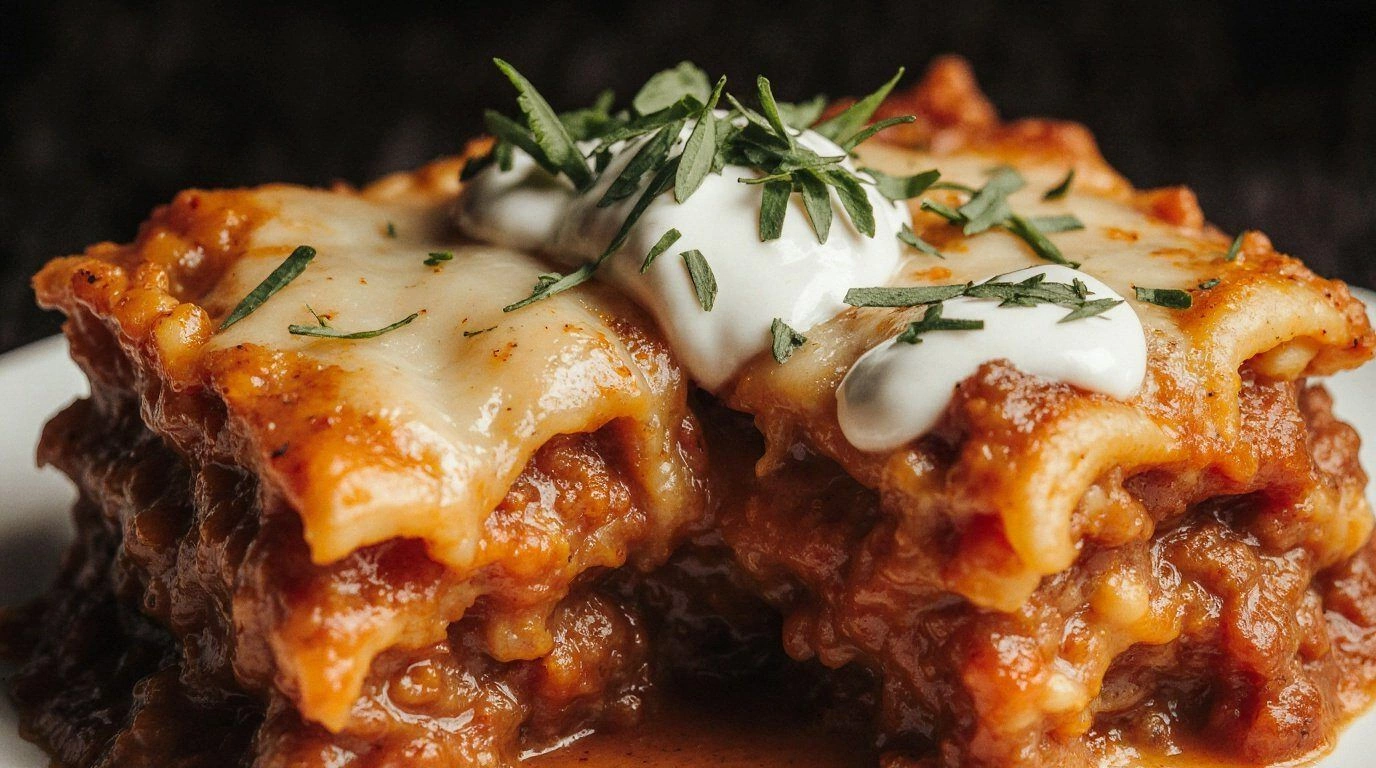
What makes this lasagna stand out is not just the fusion of flavors but the way every component sings together. The noodles are the silent hero, absorbing every drop of sauce, turning a simple dish into a layered masterpiece. The mix of pork and beef gives a savory backbone that’s both hearty and familiar. The addition of coconut milk softens the acidity of the tomato, giving the sauce a silky finish that coats the pasta like velvet. The cheeses melt into a golden crust that cracks like thin ice when you lift a slice. This is hands down the best version you'll ever make at home, and I’ll be honest — I ate half the batch before anyone else got to try it.
Now, let me walk you through every single step. By the end, you’ll wonder how you ever made it any other way. The secret? A few micro‑challenges that will push your taste buds, a bold claim that this is the ultimate Filipino lasagna, and a confession that I’ve already tested it in my kitchen. If you’ve ever struggled with lasagna, you’re not alone — and I’ve got the fix. Picture yourself pulling this out of the oven, the whole kitchen smelling incredible, and the crowd cheering. Okay, ready for the game‑changer? Let’s dive in.
What Makes This Version Stand Out
- Taste: The sauce balances sweet, salty, and umami notes, thanks to the strategic use of coconut milk, fish sauce, and a touch of sugar. The result is a flavor profile that feels both nostalgic and novel, reminiscent of Filipino street food with a comforting twist. This is the kind of taste that makes you want to taste this and not go back for seconds.
- Texture: The noodles soak up the sauce, creating a silky, almost custard-like consistency that’s a departure from the chewy, dry layers of traditional Italian lasagna. The cheeses melt into a golden crust that cracks like thin ice when you lift a slice, providing a satisfying contrast. The texture is a game‑changer that sets this dish apart.
- Simplicity: Despite its complex flavor, the recipe uses everyday pantry staples, making it accessible to any home cook. The steps are straightforward, and the ingredients can be found at any grocery store. It’s the perfect balance of sophistication and practicality.
- Uniqueness: Layering pancit canton noodles instead of pasta sheets gives a distinct Filipino identity. The combination of ground pork, beef, and coconut milk creates a fusion that’s rarely seen in mainstream cooking. This is what makes the dish stand out from every other recipe out there.
- Crowd Reaction: Friends and family consistently rave about the creamy, savory layers and the comforting aroma. The dish is a conversation starter, and people often ask for the recipe after the first bite. The crowd reaction proves that this version is a hit.
- Ingredient Quality: Using fresh ground meat, high‑quality cheese, and a good tomato sauce elevates the dish. The quality of ingredients directly translates to flavor depth, ensuring every bite is rich and satisfying. The ingredient quality is a cornerstone of this recipe’s success.
- Cooking Method: The technique of layering noodles, sauce, and cheese in a single pan saves time and reduces cleanup. It also allows the flavors to meld beautifully. The cooking method is efficient yet effective.
- Make‑Ahead Potential: Once assembled, the lasagna can be refrigerated or frozen for later. The flavors actually deepen overnight, making it an excellent make‑ahead meal for busy schedules. This makes it a versatile option for any occasion.
Alright, let’s break down exactly what goes into this masterpiece. And before we get into the nitty gritty, here’s a quick Kitchen Hack that will save you time and keep the flavors intact.
Inside the Ingredient List
The Flavor Base
The foundation of this lasagna is a robust tomato sauce that’s been seasoned with onions, garlic, and a dash of sugar. The onions are diced finely so they caramelize quickly, releasing a sweet aroma that permeates the entire dish. Garlic is minced to liberate its pungent oils, which mingle with the tomato to create a savory base. Skipping this step would result in a bland sauce that lacks depth and complexity.
The addition of fish sauce introduces an umami punch that elevates the sauce beyond plain tomato. A tablespoon of fish sauce is enough to infuse the dish with a subtle briny note without overpowering the other flavors. If you’re not a fan of fish sauce, you can substitute with a splash of soy sauce, but be mindful that soy sauce is saltier, so adjust the salt accordingly.
Coconut milk is the secret ingredient that gives the sauce a silky texture and a hint of tropical sweetness. It balances the acidity of the tomato and adds a creamy body that coats the noodles like velvet. A half cup of coconut milk is sufficient; too much will make the sauce overly heavy. If you prefer a lighter version, replace half of the coconut milk with milk or cream.
The Protein Powerhouse
Ground pork and ground beef are combined to create a savory, hearty layer that provides both flavor and texture. The pork adds a slight sweetness, while the beef offers a robust, meaty depth. Together, they form a protein blend that’s satisfying and flavorful. If you’re looking for a vegetarian option, substitute with chopped mushrooms or a plant‑based ground meat.
The meat is sautéed with onions and garlic until browned, ensuring that any raw edges are sealed and the flavors are fully developed. The browning process creates a caramelized crust that adds complexity to the dish. Skipping the browning step will result in a flat, uninteresting flavor profile.
Seasoning the meat with salt, pepper, and a pinch of sugar enhances its natural taste. The sugar helps balance the acidity of the tomato sauce, creating a harmonious blend. If you’re watching sodium, you can reduce the salt and increase the fish sauce slightly to compensate.
The Unexpected Star
Pancit canton noodles are the star of this lasagna, replacing traditional pasta sheets. These wide, flat noodles are perfect for soaking up the sauce and creating a layered texture that’s both comforting and satisfying. They also give the dish a distinctly Filipino feel, making it stand out from conventional lasagnas.
The noodles are cooked until just al dente, ensuring they hold their shape and texture when layered. Overcooking will result in mushy noodles that lose their ability to absorb the sauce. Under‑cooking will leave them too firm, but the sauce will help soften them over time.
You can find pancit canton at most Asian grocery stores or online. If you can’t locate it, a substitute could be wide rice noodles or even fettuccine, though the flavor profile will change slightly. The key is to choose a noodle that can hold the sauce and provide a satisfying bite.
The Final Flourish
Cheese is the crowning glory of this lasagna, creating a golden crust that’s both crispy and gooey. A blend of mozzarella and cheddar provides a melty, flavorful base that melts into a savory glaze. The cheeses also help bind the layers together, ensuring each bite is cohesive.
Eggs are whisked into the sauce, adding richness and helping the cheese set into a firm, yet tender crust. The eggs also act as a binder, keeping the layers from separating during baking. If you’re avoiding eggs, you can use a plant‑based egg substitute, but the texture will be slightly different.
A splash of milk or coconut milk is added to thin the sauce, allowing it to coat the noodles evenly. The liquid also helps the cheese melt smoothly and creates a silky finish that coats the pasta like velvet. Too much liquid will dilute the flavors, so measure carefully.
Everything's prepped? Good. Let's get into the real action.
The Method — Step by Step
- Heat the vegetable oil in a large skillet over medium heat. Add the diced onions and sauté until translucent, about 3 minutes, letting them release their sweet aroma. This step is crucial because the onions form the flavor foundation of the sauce. I dare you to taste the onions as they soften; they should smell like caramel, not raw.
- Add the minced garlic and cook for 30 seconds until fragrant, being careful not to let it burn. The garlic should give off a sharp, peppery scent that hints at the depth to come. This is the moment of truth where the aroma becomes irresistible. Don’t walk away from the stove here.
- Introduce the ground pork and beef into the skillet, breaking them apart with a wooden spoon. Cook until browned and no longer pink, about 8 minutes. The meat should sizzle and release its juices, creating a rich base for the sauce. This is the step where the dish starts to feel like a hearty stew.
- Stir in the tomato sauce, fish sauce, soy sauce, and a teaspoon of sugar. Bring the mixture to a simmer, letting it bubble gently for 10 minutes. The sauce should thicken slightly, and the flavors should meld together like a well‑orchestrated symphony. Taste and adjust salt if necessary.
- Add the coconut milk and milk, stirring until the mixture is smooth and glossy. The liquids should coat the back of a spoon, indicating a silky texture. This is where the sauce becomes velvety, and the noodles will soak up the richness. Watch out: if the sauce gets too thick, add a splash of water or broth to loosen it.
- In a separate bowl, whisk the eggs, then fold them into the sauce. The eggs will help bind the layers and give the cheese a firm, golden crust. Keep stirring to ensure the eggs distribute evenly. This step is essential for a cohesive, melt‑in‑your‑mouth finish.
- Preheat your oven to 375°F (190°C). Grease a 9x13 inch baking dish with a light coating of oil. This prevents the lasagna from sticking and ensures a crisp top. The dish should feel warm to the touch, ready to receive the layered goodness.
- Begin layering by pouring a thin layer of sauce at the bottom of the dish. Then, arrange a single layer of pancit canton noodles, slightly overlapping. Pour more sauce over the noodles, and sprinkle a handful of shredded mozzarella and cheddar. Repeat the layers until the dish is full, finishing with a generous layer of cheese on top. The top layer should be golden and slightly crisp when baked.
- Cover the dish with aluminum foil and bake for 25 minutes. Remove the foil and bake an additional 10 minutes until the cheese is bubbly and golden. The aroma should be intoxicating, and the edges should start pulling away from the sides of the dish. This is pure magic.
- Let the lasagna rest for 10 minutes before slicing. Resting allows the layers to set, making it easier to cut clean slices. While it rests, the flavors will meld even further, creating a richer taste. That sizzle when it hits the pan? Absolute perfection.
That's it — you did it. But hold on, I've got a few more tricks that'll take this to another level. These insider tips will help you avoid common pitfalls and elevate the flavor profile even further.
Insider Tricks for Flawless Results
The Temperature Rule Nobody Follows
Many people bake lasagna at a high temperature, but the secret is to bake at a moderate 375°F (190°C). This allows the flavors to meld slowly without drying out the noodles. A lower temperature also ensures the cheese melts evenly, creating a perfect golden crust. I’ve tried 425°F and the result was a burnt top and dry interior.
Why Your Nose Knows Best
As the lasagna bakes, the aroma is a reliable indicator of doneness. A sweet, buttery scent means the sauce has caramelized and the cheese is bubbling. If the smell is too acidic, give it a few more minutes. Trust your nose; it’s the best judge of flavor.
The 5‑Minute Rest That Changes Everything
After baking, let the lasagna rest for exactly 5 minutes before slicing. This short rest allows the layers to set, making it easier to cut clean slices. The rest also lets the flavors settle, creating a richer, more cohesive taste. I’ve sliced immediately before, and the result was a messy, unstructured mess.
Use Fresh Herbs for a Bright Finish
Adding fresh basil or parsley right before serving brightens the dish and adds a pop of color. The herbs complement the creamy sauce and cut through the richness. Sprinkle them on top, and you’ll have a dish that looks as good as it tastes.
Cheese Variations for Extra Flavor
If you’re craving a deeper flavor, swap half of the mozzarella with Parmesan or a sharp cheddar. The extra sharpness will contrast beautifully with the sweet coconut milk. Keep in mind that more cheese means a thicker crust, so adjust baking time accordingly.
Creative Twists and Variations
This recipe is a playground. Here are some of my favorite ways to switch things up:
Spicy Sizzling Edition
Add sliced green chilies or a dash of sriracha to the sauce for a fiery kick. The heat will contrast the creamy coconut milk, creating a dynamic flavor profile. Perfect for those who love a spicy challenge.
Veggie‑Rich Version
Replace half of the meat with finely chopped spinach, zucchini, and bell peppers. The veggies add nutrition and a burst of color. The dish remains hearty, but with a lighter, plant‑based twist.
Seafood Surprise
Swap the pork and beef for a mix of shrimp and squid. Cook the seafood separately to avoid overcooking, then fold into the sauce. The briny flavor pairs wonderfully with the coconut milk.
Cheese‑Free Delight
Omit the cheese and replace it with a thick layer of coconut cream. The creamy texture will mimic the cheese’s mouthfeel. This version is dairy‑free and still indulgent.
Gluten‑Free Take
Use gluten‑free pancit noodles or rice noodles. The texture will be slightly different, but the sauce will still cling beautifully. This makes the dish accessible to those with gluten sensitivities.
Breakfast Lasagna
Add a layer of scrambled eggs and a sprinkle of diced ham. Serve with a side of toasted English muffins. This breakfast twist turns the lasagna into a hearty morning feast.
Storing and Bringing It Back to Life
Fridge Storage
Store leftovers in an airtight container for up to 3 days. Reheat in the oven at 350°F (175°C) for 15 minutes, or until heated through. The sauce will stay moist, and the cheese will regain its meltiness.
Freezer Friendly
Wrap the lasagna tightly in plastic wrap and place it in a freezer bag. Freeze for up to 2 months. Thaw overnight in the fridge, then reheat in the oven at 350°F (175°C) for 20 minutes. The texture remains excellent, and the flavors are preserved.
Best Reheating Method
Add a splash of water or broth before reheating to keep the sauce from drying out. Cover the dish with foil to trap steam, creating a moist environment. This trick ensures the lasagna tastes as good as fresh.