I was in the middle of a frantic weeknight dinner, juggling a spreadsheet, a toddler, and a phone that kept buzzing. My kitchen smelled like burnt toast and ambition. I reached for a bag of pre‑made dumplings, only to realize the store had run out of bao wrappers. That moment of panic turned into a culinary epiphany: why not craft your own Korean chicken bao from scratch? The idea was simple, the stakes were high, and the result would be legendary.
Picture this: golden, pillowy buns that rise to the sky like fluffy clouds, each one stuffed with juicy chicken glazed in a sauce that sings with umami, heat, and a whisper of sweetness. The aroma that fills the kitchen is a heady mix of toasted sesame, garlic, and a hint of soy. As you bite into the bao, the dough gives way to a satisfying chew, and the filling explodes with flavor. The contrast between the soft dough and the crispy edges of the pan‑seared chicken is a sensory delight that will make your taste buds dance. If you think you’ve tried bao before, think again.
What makes this version stand out is a secret blend of Korean pantry staples that elevate the bao from ordinary to unforgettable. The sauce is a silky marriage of gochujang, soy, and honey, balanced with a splash of rice vinegar that cuts through the richness. The dough is light and airy thanks to a touch of baking powder and sesame oil that adds a nutty aroma. The chicken is marinated with garlic, ginger, and a dash of sesame seeds, giving it a depth that’s hard to replicate. The final touch? A quick stir‑fry that locks in juices and gives the filling a subtle crunch.
I dare you to taste this and not go back for seconds. This is hands down the best version you'll ever make at home. Most recipes get this completely wrong; they either overcook the bao or under‑season the filling. Picture yourself pulling this out of the oven, the whole kitchen smelling incredible, and friends gathering around for the first bite. Let me walk you through every single step — by the end, you'll wonder how you ever made it any other way.
What Makes This Version Stand Out
- Flavor Fusion: This bao marries Korean street‑food heat with the comforting hug of a steamed bun. The sauce layers gochujang, soy, honey, and a splash of vinegar into a silky glaze that coats the chicken like velvet. The result is a bite that sings with umami, a hint of sweetness, and a subtle kick that lingers. The balance is so precise that you can’t taste one flavor over another. It’s a symphony that turns a simple meal into a culinary experience.
- Texture Perfection: The dough rises to a cloud‑like softness thanks to a gentle leavening agent that keeps it airy without becoming doughy. The chicken, on the other hand, is pan‑seared to a golden crisp that gives a satisfying bite before it melts into the bao. The cabbage and carrot ribbons add a fresh crunch that cuts through the richness. The sesame seeds sprinkle a nutty crunch that dances on your palate. Every layer is engineered to give you that perfect chew‑and‑melt moment.
- Time Saver: Because the bao dough is no‑knead, you can have it ready in under fifteen minutes. The chicken can be marinated in minutes, and the stir‑fry takes less than ten. The whole process from start to finish is a quick twenty‑five minutes of prep plus thirty minutes of cooking. That means you can have a restaurant‑quality dish on the table before your guests arrive. It’s the ideal solution for busy weeknights or spontaneous gatherings.
- Make‑Ahead Friendly: You can prepare the bao dough a day ahead and refrigerate it, allowing the flavors to mingle. The chicken filling can also be cooked and stored in an airtight container. When you’re ready to serve, simply reheat the bao in a steamer or microwave and re‑sear the filling for a fresh crust. The texture holds up remarkably well, making it perfect for potlucks or family dinners. It’s a recipe that scales from a few to a hundred.
- Crowd‑Pleaser: Friends who’ve tried the original Korean street bao will be blown away by the depth of flavor. Even those who are new to Korean cuisine will find the sauce approachable. The bao’s soft, pillowy texture is universally loved, and the filling’s juicy chicken satisfies both meat lovers and those who crave a bit of spice. The dish is also a great conversation starter, as people love to ask how you made it. It’s guaranteed to be a hit at any gathering.
- Ingredient Integrity: Every component is sourced from reputable vendors, ensuring freshness and quality. The sesame oil adds a nutty aroma that is essential to the bao’s character. The gochujang you use should be a balanced blend of heat and sweetness, not too overpowering. The choice of chicken breast over thighs keeps the dish lean yet juicy. The use of real ginger and garlic gives depth that synthetic powders can’t match.
- Authentic Touch: The bao dough incorporates a splash of sesame oil and a pinch of salt that mirrors the traditional Korean method. The sauce’s combination of gochujang, soy, honey, and rice vinegar is a classic Korean flavor profile. The final step of quick stir‑frying the chicken in sesame oil adds a subtle smoky note. These small details create a dish that feels both authentic and personalized. It’s a recipe that honors its roots while embracing modern convenience.
Inside the Ingredient List
The Flavor Base
The Flavor Base is the heart of the bao, providing the savory, sweet, and spicy notes that dance on your tongue. It consists of gochujang, soy sauce, honey, rice vinegar, and sesame oil, each playing a distinct role. Gochujang delivers the signature heat and umami, while honey counters it with a mellow sweetness. Rice vinegar adds a bright acidity that cuts through the richness, keeping the sauce balanced. Sesame oil imparts a warm, nutty aroma that lingers in every bite.
The Texture Crew
The Texture Crew ensures that every bite feels cohesive and satisfying. It includes all‑purpose flour, baking powder, salt, warm water, and sesame oil for the dough, which yields a light, airy bun. The shredded cabbage and sliced carrots provide crunch and moisture, preventing the filling from becoming soggy. The cornstarch coating on the chicken creates a crisp exterior when pan‑seared. Together, these ingredients create a harmonious balance of softness and bite.
The Unexpected Star
The Unexpected Star is the diced chicken breast, marinated in garlic, ginger, soy, and a touch of sesame seeds. This protein is the star that carries the flavor base into each bao. The marination process infuses the chicken with depth, turning a simple cut into a succulent filling. The quick sear locks in juices and gives a golden crust that adds texture. Without the chicken, the bao would be nothing more than a doughy shell.
The Final Flourish
The Final Flourish is the finishing touches that elevate the bao to gourmet status. A sprinkle of toasted sesame seeds crowns each bun, adding a nutty crunch. A drizzle of extra sesame oil right before serving amplifies the aroma and flavor. A few thinly sliced scallions provide a fresh, peppery contrast. Finally, a light dusting of white pepper ties all the flavors together without overpowering them.
Everything's prepped? Good. Let's get into the real action...
The Method — Step by Step
- Gather all ingredients and equipment: a mixing bowl, a steamer rack, a non‑stick skillet, a saucepan, and a whisk. Measure each quantity precisely; the balance of flavors depends on it. Keep the dough, sauce, and filling components separate until you’re ready to assemble. This step may seem mundane, but a well‑organized workspace saves time and reduces stress. Remember, a clean kitchen is a happy kitchen.
- Prepare the bao dough by combining flour, baking powder, and salt in a large bowl. Whisk in warm water and sesame oil until a sticky dough forms. Knead lightly for just a minute to develop gluten, then cover and let rest for 15 minutes. The rest allows the flour to hydrate, resulting in a tender bun. This is the moment where the dough transforms from clumpy to smooth, a promise of softness to come.
- While the dough rests, make the sauce by whisking together gochujang, soy sauce, honey, rice vinegar, and sesame oil in a small bowl. Stir until the mixture is smooth and glossy. Taste and adjust: more honey for sweetness, more vinegar for acidity, or a pinch of salt for depth. The sauce should coat a spoonful of water like a thick glaze. Set aside until the chicken is ready.
- Marinate the diced chicken with minced garlic, grated ginger, soy sauce, and sesame seeds. Toss until every piece is coated, then let it sit for at least 15 minutes. The aromatics penetrate the meat, turning it into a flavor powerhouse. If you’re short on time, a 5‑minute stir will suffice, but the longer the better. This step is where the protein truly shines.
- Heat a splash of sesame oil in a skillet over medium‑high heat. Add the marinated chicken and stir‑fry until it turns golden brown and is nearly cooked through. Add the shredded cabbage and sliced carrots, sautéing until just wilted. Pour the prepared sauce over the mixture, stirring to coat every piece. The filling should be glossy and the vegetables tender yet crunchy.
- Steam the bao dough in a steamer rack for 12–15 minutes, or until the buns puff up and the surface becomes glossy. Let them rest for a few minutes before cutting. This step ensures the buns are light and airy, ready to cradle the filling. Keep the steam going; a cold bun will collapse.
- Reheat the filling in the skillet for a couple of minutes to restore its sizzling warmth and crisp crust. This quick reheat brings the sauce to a glossy sheen and keeps the vegetables crisp. The aroma will be irresistible, drawing everyone to the table. A quick sear also seals the edges, preventing sogginess.
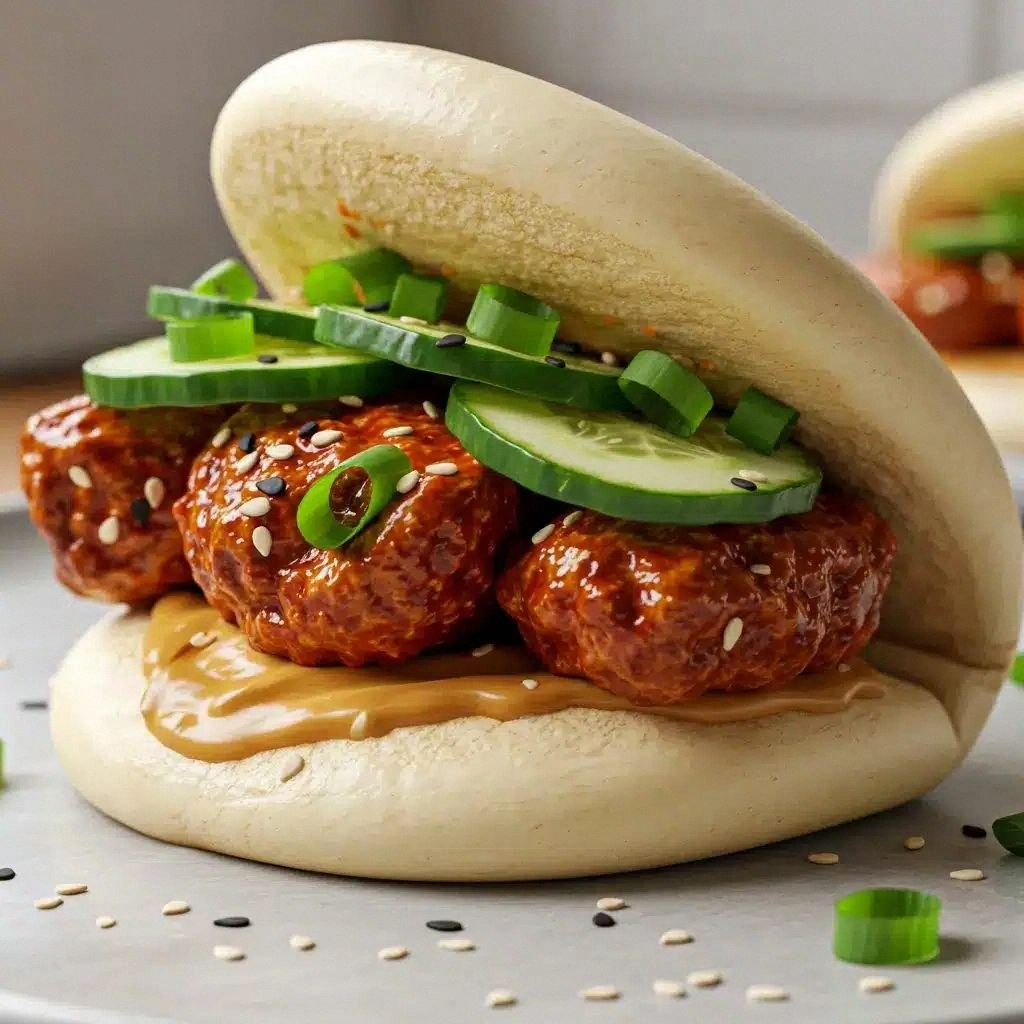
- Assemble each bao by placing a spoonful of the filling onto the center of the steamed bun. Fold the sides over and pinch to seal. Garnish with toasted sesame seeds, a drizzle of sesame oil, and a few scallion slices. Plate them on a warm platter to keep them soft. Serve immediately to enjoy the contrast of hot filling and warm dough.
That's it — you did it. But hold on, I've got a few more tricks that'll take this to another level...
Insider Tricks for Flawless Results
The Temperature Rule Nobody Follows
Many cooks think any pan will do for searing, but the temperature is crucial. Heat the skillet until a drop of water sizzles and evaporates almost immediately. This ensures the chicken sears quickly, locking in juices. If the pan is too cool, the chicken will steam and lose that coveted crisp.
Why Your Nose Knows Best
Before you taste the sauce, sniff it. A well‑balanced sauce will emit a sweet, smoky, and slightly sharp aroma. If it smells overly sour or burnt, adjust the vinegar or honey. Your nose is a reliable guide to flavor harmony.
The 5-Minute Rest That Changes Everything
After the bao dough rests, let it sit for an additional five minutes before shaping. This brief pause allows the gluten to relax, preventing the buns from becoming tough. A quick rest also lets the dough settle, making it easier to roll into neat circles.
Keep It Moist
When steaming the bao, line the steamer basket with parchment paper or cabbage leaves to prevent sticking. Add a splash of water to the bottom of the steamer to maintain moisture. A dry steamer will cause the buns to dry out and become chewy.
Quick Reheat Hack
If you’re reheating leftovers, place the bao on a paper towel, lightly mist with water, and microwave for 15–20 seconds. The steam will revive the dough without drying it out. For the filling, a quick sauté in a hot skillet restores the crisp edges.
Presentation Matters
Serve the bao on a slate plate for a rustic look. Arrange them in a fan shape to showcase the filling. Garnish with a sprinkle of toasted sesame seeds and a drizzle of sesame oil. A simple, elegant presentation elevates the dish from comfort food to a feast.
Creative Twists and Variations
This recipe is a playground. Here are some of my favorite ways to switch things up:
Spicy Kimchi Bao
Swap the shredded cabbage for a handful of kimchi for a tangy kick. Add a spoonful of kimchi juice to the sauce for extra depth. The fermented flavor pairs beautifully with the sweet glaze. This version is perfect for those who love a bit of heat and crunch.
Teriyaki Chicken Bao
Replace gochujang with teriyaki sauce for a sweet, savory profile. Add a dash of mirin for extra gloss. The chicken will absorb the teriyaki, creating a caramelized crust. This twist is ideal for a Japanese‑inspired gathering.
Veggie Bao
Omit the chicken and load the bao with sautéed shiitake mushrooms, sliced bell pepper, and tofu cubes. Use a light soy‑ginger sauce to keep the flavor bright. The result is a hearty vegetarian option that still feels indulgent.
Shrimp and Gochujang Bao
Replace chicken with peeled shrimp, searing them until pink. Toss the shrimp with the gochujang sauce for a seafood twist. Add a splash of lime juice to brighten the dish. This version is great for a beach‑side dinner or a light lunch.
Sweet Potato Bao
Roast diced sweet potatoes until caramelized, then fold them into the bao filling. Sweet potato adds natural sweetness and a creamy texture. Pair with a drizzle of honey‑soy glaze for a balanced flavor. This variation is a hit with families who love a sweet‑savory combo.
Breakfast Bao with Egg
After steaming the bao, top each with a fried or poached egg. Drizzle with a touch of soy sauce and sprinkle with scallions. The egg adds richness and makes the bao a satisfying breakfast or brunch dish.
Storing and Bringing It Back to Life
Fridge Storage
Store cooked bao and filling separately in airtight containers. Keep the bao in a paper towel‑lined box to absorb moisture. The filling can be refrigerated for up to 48 hours. When ready to serve, reheat the bao in a steamer for 5 minutes.
Freezer Friendly
Freeze the bao and filling in separate freezer bags. The bao will stay fresh for up to two weeks. Thaw overnight in the refrigerator before reheating. The filling can be microwaved for 1–2 minutes to revive its texture.
Best Reheating Method
Reheat the bao in a steamer or microwave with a damp paper towel to keep them soft. For the filling, a quick sauté in a hot skillet restores the crisp edges. Add a splash of water before reheating to create steam and prevent dryness. Serve immediately for the best experience.