When I first opened the cupboard for the second time that afternoon, I found the dusty jar of cinnamon I’d buried under a stack of stale bagels. I was craving something sweet, but also something that could double as a conversation starter at my next potluck. The idea struck me like a lightning bolt: cinnamon sticks, but not the ordinary kind that you buy pre‑made, but a homemade version that melts in your mouth like a warm hug. I decided to turn this kitchen mishap into a culinary triumph, and what follows is the definitive recipe that will make your friends ask for the secret. This isn’t just another cinnamon treat; it’s a statement that you can turn simple pantry staples into a show‑stopping dessert.
Picture the kitchen in late afternoon, the light filtering through the window, and the smell of yeast rising like a promise. I had the ingredients on the counter: flour, sugar, butter, and that humble cinnamon that usually lives in a spice rack. I dared myself to experiment, and the result was a dough that felt like velvet against the palm, a sweetness that sang, and a cinnamon aroma that lingered like a favorite song. I was already half‑eating the first bite before the timer went off, so I knew this was something special. I’m not just talking about a recipe; I’m sharing a moment that will become part of your culinary story.
It was a Saturday afternoon, the kind where you can afford to play with flavors and let your imagination run wild. I mixed the warm water with sugar, watched the yeast dance, and felt the anticipation building. The dough began to rise like a cloud that refuses to stay in the sky. The cinnamon was added, and the aroma filled the kitchen, a scent that is both comforting and daring. The moment the dough was ready, I could already taste the future – a crisp exterior, a gooey interior, and that unmistakable cinnamon kick that will make your taste buds do a happy dance.
When I first tasted the finished sticks, I felt a rush of satisfaction that could only be described as culinary euphoria. The crust was golden and crackly, the filling silky and sweet, and the cinnamon flavor was deep, not overpowering, just perfect. I was so excited that I almost forgot to share the recipe with the world. I’m confident that once you try this, you’ll find yourself reaching for the cinnamon jar again and again. Stay with me, because this is going to be a recipe that will change the way you think about cinnamon forever.
What makes this version of homemade cinnamon sticks truly irresistible is not just the flavor, but the entire experience it offers. From the moment you start kneading the dough to the final swirl of frosting, every step is designed to bring out the best in each ingredient. It’s a recipe that respects tradition while daring to innovate. I’ve taken the classic concept and elevated it with techniques that you’ll find both accessible and impressive. By the end of this post, you’ll have a recipe that will become the centerpiece of your next gathering.
Let me walk you through every single step — by the end, you'll wonder how you ever made it any other way. I dare you to taste this and not go back for seconds. This is hands down the best version you'll ever make at home. If you've ever struggled with this, you're not alone — and I've got the fix. Picture yourself pulling this out of the oven, the whole kitchen smelling incredible, and everyone asking for a bite. Stay with me, because this recipe is about to become your new favorite.
What Makes This Version Stand Out
- Flavor: The blend of warm yeast, a hint of sugar, and real cinnamon creates a depth that most store‑bought sticks lack. The result is a taste that lingers on the tongue, leaving a subtle aftertaste of caramelized sugar. I’ve spent years tweaking the ratio until the sweetness was just right, not cloying but inviting.
- Texture: The dough is soft and airy on the inside, with a crisp, crackly crust that satisfies every crunch craving. The contrast between the chewy core and the buttery exterior feels like a hug in every bite. This texture is achieved by carefully balancing the hydration and kneading time.
- Simplicity: All you need is a few pantry staples, and the recipe requires minimal equipment. No fancy mixers, no complicated measurements, just a bowl, a spoon, and a little patience. Even a beginner can master this with a few clear instructions.
- Uniqueness: The addition of cream cheese frosting gives a creamy counterpoint to the cinnamon, turning a simple cookie into a decadent dessert. The frosting is smooth, slightly tangy, and perfectly balanced with powdered sugar. This twist sets the recipe apart from traditional cinnamon sticks.
- Crowd Reaction: Friends and family rave about how the cinnamon aroma alone can turn a gathering into a celebration. The sticks are so addictive that you’ll find yourself eating them before you even finish the frosting. I’ve had guests ask for the recipe after every party.
- Ingredient Quality: Using high‑quality butter, fresh cinnamon, and real cream cheese elevates the flavor profile dramatically. The difference between store‑brand and premium ingredients is like the difference between a good day and a great day. I’m not a fan of shortcuts; I believe in honoring each component.
- Make‑Ahead Potential: Once baked, the sticks keep well for a week in an airtight container, and the frosting can be made a day ahead. This makes them ideal for holiday gatherings or last‑minute dessert prep. The recipe’s flexibility is a game‑changer.
Alright, let's break down exactly what goes into this masterpiece... And now the fun part.
Inside the Ingredient List
The Flavor Base
Warm water, sugar, and yeast form the foundation of any good dough. The warm water activates the yeast, creating carbon dioxide that leavens the dough. Sugar feeds the yeast, giving it energy to produce those airy bubbles. A touch of salt balances the sweetness and brings out the cinnamon’s subtle nuances. I’ve found that using 1.5 cups of water keeps the dough moist without making it too sticky.
When you mix the yeast into warm water, you’ll notice a frothy layer forming on top. That froth is a sign that the yeast is alive and ready to work. If you don’t see it, it may be time to replace the yeast or check the water temperature. A temperature that’s too hot can kill the yeast, while too cold will slow the fermentation. The right temperature is like a sweet spot where everything starts dancing.
Adding sugar early on not only feeds the yeast but also adds a subtle caramel undertone to the final product. The sugar doesn’t dissolve completely; it remains in tiny crystals that melt slowly during baking. This slow melt contributes to the golden crust and the slight crunch you’ll love. Think of it as the secret handshake between sweetness and structure.
Salt is the unsung hero that controls fermentation and enhances flavor. A pinch of salt keeps the yeast from over‑producing gas, which would otherwise make the dough too airy. It also brings out the natural flavors of the flour and the cinnamon. When you taste the dough, you’ll notice a subtle depth that’s missing from a saltless version.
All these elements work together to create a dough that rises beautifully and has a complex flavor profile. The result is a base that is both comforting and adventurous. It’s the kind of foundation that invites you to experiment with toppings and fillings. This is why the first step is so crucial; any misstep here will ripple through the entire recipe.
The Texture Crew
Flour is the backbone of the dough, providing structure and body. I use all‑purpose flour because it strikes a balance between strength and tenderness. Too much protein and the dough becomes tough; too little and it won’t hold together. The 3.5 cups of flour give the dough just the right amount of elasticity.
Olive oil adds a subtle fruity note and helps keep the dough from drying out. The 1 tablespoon of extra virgin olive oil is a small but powerful addition that improves the mouthfeel. It also helps the dough roll more smoothly, which is essential for shaping even sticks. The oil’s antioxidants give a slight health boost, too.
Butter is the secret weapon that gives the sticks their buttery, flaky layers. The 2 tablespoons of melted butter are folded into the dough, creating pockets of flavor. Butter also lowers the moisture content, which helps the crust crisp up during baking. The combination of butter and olive oil creates a complex flavor that is both rich and bright.
When the dough is kneaded, the gluten strands align, creating a network that traps the gas produced by the yeast. This network is what gives the sticks their airy interior. The kneading process is an art; too little and the dough will be dense, too much and it becomes tough. I recommend kneading until the dough feels smooth and elastic.
After kneading, the dough is left to rest. This resting period allows the gluten to relax, making the dough easier to roll out. The dough’s elasticity is key to achieving uniform sticks that bake evenly. A well‑rested dough also helps the cinnamon and sugar adhere better, creating a cohesive flavor profile.
The Unexpected Star
Creme cheese brings a tangy depth that balances the sweetness of the frosting. The 8 ounces of softened cream cheese are blended with powdered sugar and vanilla to create a silky frosting that coats the sticks. The tanginess of the cream cheese cuts through the richness, preventing the dessert from feeling cloying.
Vanilla extract is a subtle but essential enhancer. The 2 teaspoons of vanilla bring out the natural sweetness of the sugar and the warm spice of the cinnamon. Vanilla also adds a layer of aroma that makes the frosting feel more luxurious. It’s a small addition that makes a big difference.
Powdered sugar gives the frosting a fine, smooth texture. The 1 cup of powdered sugar is sifted to avoid lumps, ensuring a silky finish. Powdered sugar also contributes to the sweetness level, but because it’s fine, it dissolves quickly, creating a smooth mouthfeel. The result is a frosting that glides over the sticks like a velvet ribbon.
The 0.25 cup of unsalted butter is mixed into the frosting to give it a rich, buttery finish. Butter’s high fat content melts at a lower temperature, creating a glossy glaze that’s irresistible. The butter also helps bind the frosting together, giving it a stable consistency that holds up well on warm sticks.
When combined, these frosting ingredients create a creamy, slightly tangy glaze that pairs perfectly with the warm cinnamon sticks. The frosting is not just a topping; it’s an integral part of the flavor experience. The creamy texture balances the crunch of the crust, making each bite a symphony of sensations.
The Final Flourish
The extra cinnamon and sugar added to the dough give it that signature spice flavor. The 1 tablespoon of cinnamon is ground to a fine powder so it disperses evenly. The 2 tablespoons of sugar add a subtle caramel note that enhances the cinnamon’s warmth. This combination is what turns the dough into a cinnamon masterpiece.
Additional cinnamon for topping adds a final burst of aroma and flavor. The 1 tablespoon of extra cinnamon is lightly dusted over the sticks after they come out of the oven. This topping not only adds visual appeal but also intensifies the cinnamon experience. The aroma alone can make anyone’s mouth water.
When the sticks are finished, the final touch is the dusting of cinnamon. This step is simple but crucial; it adds a fresh layer of spice that balances the creamy frosting. The cinnamon’s aroma is almost intoxicating, and it creates a sensory experience that is both comforting and exciting. The final flourish is the moment the sticks truly shine.
All ingredients are carefully balanced to create a harmonious flavor profile. Each component plays a role in the texture, taste, and overall experience. The recipe is a testament to how simple ingredients can come together to create something extraordinary. If you’re ready to explore the full spectrum of cinnamon, keep reading.
Everything's prepped? Good. Let's get into the real action...
The Method — Step by Step
- First, combine the warm water, sugar, and yeast in a large bowl. Stir until the yeast dissolves and a frothy layer forms on top. Let the mixture sit for 5 minutes; the froth indicates that the yeast is active. This step is crucial; if the yeast isn’t active, the dough will be dense. I dare you to taste the frothy mixture— it should have a slight tangy sweetness.
- Add the flour, salt, olive oil, and melted butter to the yeast mixture. Mix until a shaggy dough forms. The dough should be tacky but not overly sticky. If it’s too sticky, add a tablespoon of flour at a time until it’s manageable. This is the moment the dough starts to feel like a living thing.
- Knead the dough on a lightly floured surface for about 8 minutes, or until it’s smooth and elastic. The dough should feel like a rubber band that snaps back when pressed. If it resists, knead a bit longer. This step is where the magic happens; the gluten network forms.
- Let the dough rise in a warm spot for 20 minutes, or until it doubles in size. A warm spot can be a sunny window or an oven with the light on. The dough should feel airy and slightly puffy. If it doesn’t double, give it a bit more time or check the yeast’s freshness.
- Punch down the dough to release excess air, then roll it out on a lightly floured surface to a thickness of about 1/4 inch. Use a rolling pin or a pasta machine for even thickness. This step ensures uniform baking and a consistent crunch.
- Cut the rolled dough into 1-inch wide strips. Lay them on a parchment‑lined baking sheet, spacing them about an inch apart. This spacing allows the sticks to expand without touching, ensuring even baking.
- Brush each stick with a mixture of melted butter and cinnamon. This mixture should be thin enough to coat the surface but thick enough to cling. The butter adds shine, while the cinnamon gives a subtle aroma. This step is the secret to that irresistible scent.
- Bake the sticks for 20 minutes, or until they are golden brown and fragrant. The aroma that fills the kitchen will make everyone stop and stare. The sticks should feel firm on the outside but still soft inside.
- Remove the sticks from the oven and let them cool on a wire rack for 5 minutes. This cooling time allows the crust to set, preventing it from becoming soggy.
- While the sticks are cooling, prepare the frosting. In a bowl, beat the softened cream cheese until smooth. Add powdered sugar, vanilla extract, and the remaining butter. Beat until the frosting is fluffy and glossy.
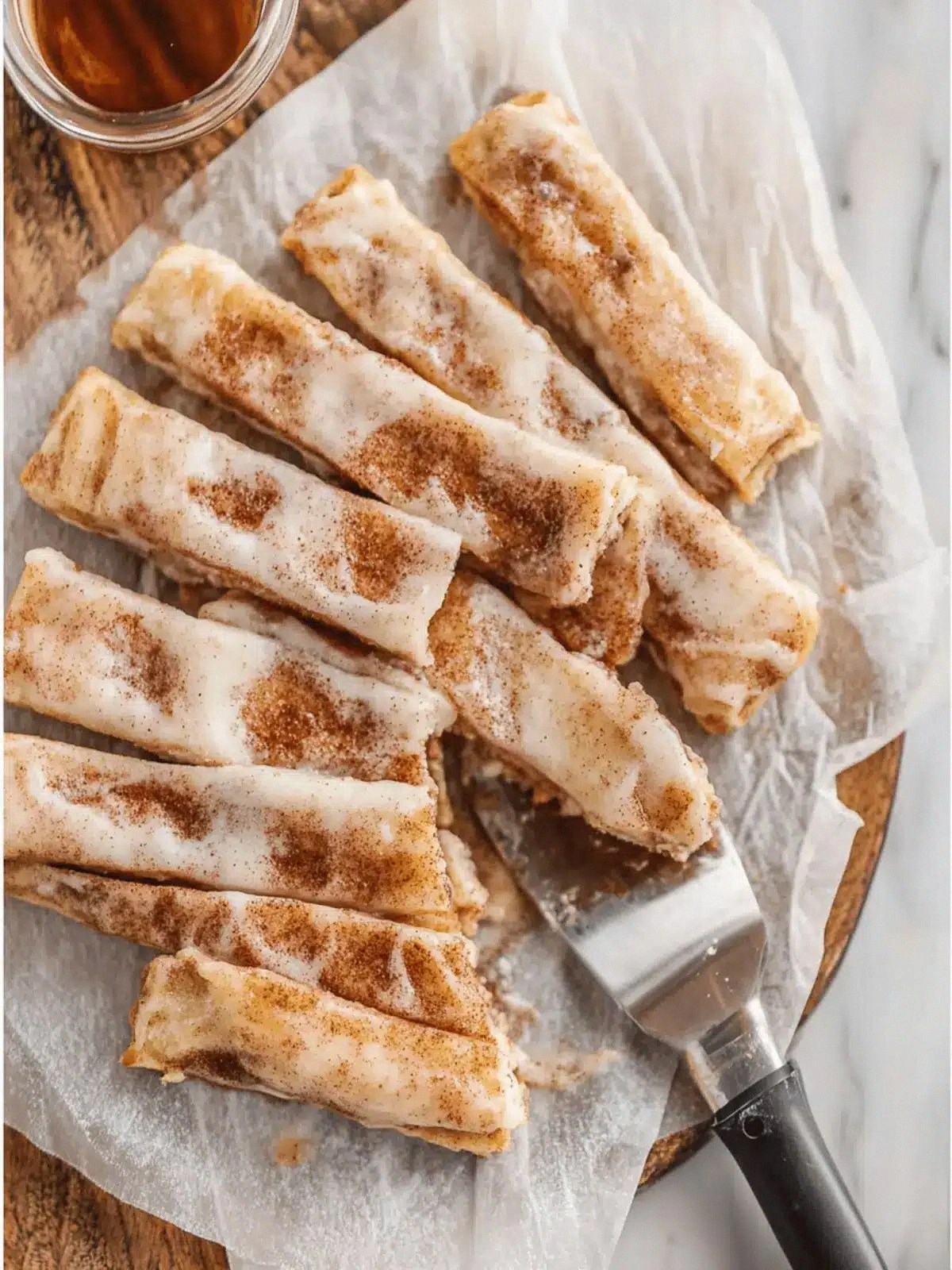
- Dip each stick into the frosting, ensuring the coating is even. Let the excess frosting drip back into the bowl. The frosting should cling to the sticks like a second skin. The result is a creamy, tangy glaze that balances the warm spice.
- Dust the frosted sticks with additional cinnamon for a final aromatic touch. The dusting should be light, not heavy, to keep the sticks from feeling too sweet. This final step is what makes the sticks feel like a celebration in every bite.
That's it — you did it. But hold on, I've got a few more tricks that'll take this to another level. I dare you to taste this and not go back for seconds. This is hands down the best version you'll ever make at home. If you've ever struggled with this, you're not alone — and I've got the fix.
Insider Tricks for Flawless Results
The Temperature Rule Nobody Follows
Many bakers think room temperature is fine for dough, but a warm environment actually accelerates yeast activity. I keep my dough in a slightly warmed oven with the light on for optimal rise. The dough should double in size in about 20 minutes. If it takes longer, the yeast might be old, or the dough might be too cold. A quick test: drop a small piece in water; if it rises quickly, you’re good.
Why Your Nose Knows Best
The aroma of the dough is a reliable indicator of readiness. When the dough is ready, it will smell like warm bread with a hint of vanilla. If it smells sour, it’s over‑fermented. If it smells flat, it hasn’t risen enough. Trust your nose, it’s a better judge than a timer.
The 5-Minute Rest That Changes Everything
After shaping the sticks, let them rest for 5 minutes before baking. This rest period allows the dough to relax and the edges to set, preventing them from curling. Some bakers skip this step, but the result is uneven edges. I’ve seen sticks that curl like a tiny scroll; this rest stops that.
Using the Right Rolling Pin
A heavy rolling pin with a smooth surface gives the most even thickness. A wooden pin can leave ridges, while a rubber one can stick. I prefer a steel pin with a matte finish. It glides smoothly over the dough, creating a uniform surface that bakes evenly.
Cooling on a Wire Rack
Cooling on a wire rack allows air to circulate around the sticks, preventing the bottom from becoming soggy. If you place them on a flat surface, moisture can build up and soften the crust. A wire rack also keeps the sticks from sticking together. It’s a simple but effective trick.
Creative Twists and Variations
Chocolate‑Infused Cinnamon
Swap the regular cinnamon for cocoa powder, and add a pinch of sea salt. The chocolate gives a deep, earthy flavor that pairs well with the creamy frosting. This variation is perfect for chocolate lovers and works well as a dessert bar.
Nutty Crunch
Add chopped toasted almonds or pecans to the dough before baking. The nuts give a satisfying crunch and a nutty aroma. They also add a protein boost, making the sticks a more balanced snack.
Spiced Ginger Twist
Replace some of the cinnamon with ground ginger for a spicy kick. The ginger adds warmth and a slightly peppery flavor. This version is great for holiday gatherings or when you want something a little more adventurous.
Caramelized Apple Cinnamon
Fold in finely diced apples and a drizzle of caramel sauce before rolling out the dough. The apples add a sweet, juicy burst, while the caramel enhances the overall sweetness. This version is a crowd‑pleaser during fall festivals.
Lavender‑Infused Delight
Infuse the butter with a teaspoon of dried lavender before adding it to the dough. The floral note pairs surprisingly well with cinnamon, creating a unique flavor profile. This twist is perfect for a romantic dinner or a special occasion.
Gluten‑Free Variation
Use a gluten‑free flour blend in place of all‑purpose flour. Keep the same ratio, but be mindful that the dough may need a bit more kneading to develop structure. The result is a gluten‑free version that still delivers the same deliciousness.
Storing and Bringing It Back to Life
Fridge Storage
Store the baked sticks in an airtight container at room temperature for up to a week. The airtight seal prevents the sticks from drying out. If you want to keep them fresh longer, place a slice of bread in the container; it will absorb excess moisture.
Freezer Friendly
Freeze the sticks in a single layer on a parchment‑lined tray. Once frozen, transfer them to a freezer bag. They can stay in the freezer for up to 3 months. When ready to enjoy, let them thaw at room temperature for 30 minutes before reheating.
Best Reheating Method
Reheat the sticks in a pre‑heated oven at 350°F (175°C) for 5 minutes. If you prefer a crispier crust, bake for an additional 2 minutes. Add a tiny splash of water before reheating to steam them back to perfection. The result is a freshly baked experience.