I remember the night I almost set my kitchen on fire while trying to recreate a dish I’d seen on a travel vlog. The skillet was smoking, the noodles were sticking to the pan like a stubborn piece of tape, and I was yelling at the stove like a contestant on a cooking game show. That disaster turned into a revelation when a friend dared me to make the dish again, promising a “taste that will make you forget the smoke.” I took that dare seriously, rummaged through my pantry, and pulled out every ingredient that could possibly make a difference.
Fast forward to today, and the aroma that fills my kitchen when I stir the broth is unmistakably Burmese—rich, umami, with a faint citrus lift from lime and a whisper of heat that makes your eyes water. The sound of the noodles sliding into the sauce is like a soft drumbeat, the texture of the pickled mustard greens adds a satisfying snap, and the final sprinkle of roasted peanuts gives a crunchy counterpoint that sings against the silky broth. I can taste the fermented soybean paste’s depth, the dark soy sauce’s depth, and the chili oil’s bright, fiery kiss all at once. The dish feels like a hug, a warm blanket, a comforting conversation with an old friend—only it’s edible.
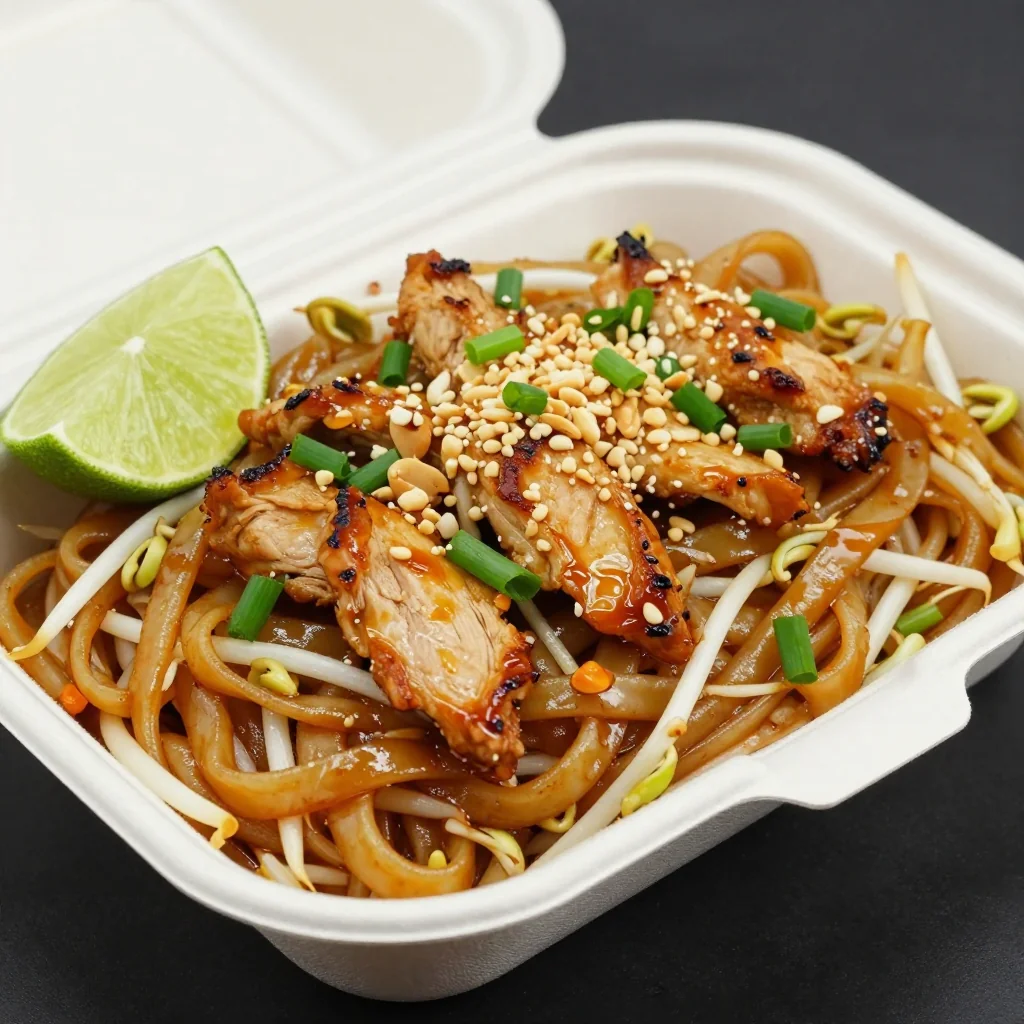
What sets this version apart from every other recipe you’ve seen on Pinterest or Instagram is the way each element is elevated without overpowering the others. The noodles are soaked just enough to absorb the sauce but still retain a firm bite, the chicken is marinated in a subtle spice blend that locks in moisture, and the pickled greens add a tang that cuts through the richness. The sauce itself is a velvety, glossy coating that clings to every strand, turning an ordinary bowl of noodles into a showstopper. I dare you to taste this and not go back for seconds.
If you’ve ever struggled with balancing flavors in a stir‑fry, you’re not alone—and I’ve got the fix. I’ll be honest—after the first batch, I ate half the noodles before anyone else got a chance. But the moment the dish hits your plate, the crowd reaction is instant: gasps, nods, and a chorus of “more, more.” Picture yourself pulling this out of the pot, the whole kitchen smelling incredible, and the anticipation of the first bite building like a drumroll. Let me walk you through every single step—by the end, you’ll wonder how you ever made it any other way.
What Makes This Version Stand Out
- Flavor Complexity: The combination of fermented soybean paste, dark soy sauce, and fish sauce creates a layered umami that feels both comforting and adventurous.
- Texture Contrast: Crispy fried garlic and roasted peanuts add crunch, while the noodles stay al dente, offering a satisfying bite.
- Heat Precision: Chili powder and chili oil are balanced to give a gentle warmth that doesn’t overpower the delicate greens.
- Freshness Factor: Pickled mustard greens and fresh coriander bring a bright, zesty note that lifts the dish.
- Ease of Prep: Most ingredients are pantry staples, and the cooking time is under an hour.
- Make‑Ahead Friendly: The dish can be prepared a day ahead; the flavors only deepen.
- Visual Appeal: The glossy sauce, vibrant greens, and golden peanuts make it Instagram‑ready.
- Portability: It travels well, making it perfect for potlucks or a packed lunch.
Alright, let's break down exactly what goes into this masterpiece...
Inside the Ingredient List
The Flavor Base
The foundation of this dish starts with the broth, a simple yet potent blend of chicken broth or water, dark soy sauce, fermented soybean paste, and fish sauce. This trio creates a depth that feels like a warm hug. Skipping any of these would leave the dish flat, like a song missing its chorus. If you’re vegan, replace fish sauce with a splash of mushroom broth and use tamari instead of soy sauce for a richer umami.
Tomato paste and fresh tomatoes give the sauce a subtle sweetness and acidity that cuts through the richness. The paste thickens the sauce, while the fresh tomatoes add brightness. If you’re in a hurry, you can use canned tomatoes, but the fresh version delivers a more vibrant flavor. A pinch of sugar balances the acidity, preventing the sauce from tasting sharp.
Ground turmeric and chili powder introduce a warm, earthy tone and a gentle heat. Turmeric adds color and a subtle peppery bite, while chili powder brings depth to the spice profile. If you’re sensitive to heat, reduce the chili powder to one teaspoon or omit it entirely; the dish will still be delicious.
The Texture Crew
Rice noodles are the star of the show, offering a delicate chew that pairs perfectly with the sauce. Choosing medium‑wide noodles ensures they absorb flavors without becoming mushy. If you prefer a firmer bite, opt for thicker noodles or soak them longer. A small trick: after soaking, gently rinse them with cold water to halt the cooking process.
Chicken thighs or pork bring richness and protein. The thighs’ higher fat content keeps the dish moist, while pork adds a savory depth. Marinating the meat in a splash of soy sauce and a pinch of sugar helps tenderize it. If you’re vegan, substitute with tofu or tempeh, marinated similarly.
Pickled mustard greens add a crunchy, tangy element that contrasts the silky sauce. They’re typically made by pickling mustard greens in vinegar and spices, creating a fermented flavor that’s both sour and slightly sweet. If you can’t find pickled greens, fresh mustard greens lightly blanched and seasoned with a dash of vinegar will suffice.
The Unexpected Star
Roasted peanuts provide a nutty crunch that elevates the dish’s texture profile. They’re lightly toasted to release their oils, creating a subtle caramel flavor. A handful of peanuts also adds healthy fats and protein. If you’re allergic to nuts, substitute with toasted sesame seeds for a similar crunch.
Fried garlic and fresh spring onions are the finishing touches that bring aroma and flavor bursts. Fried garlic offers a caramelized sweetness, while spring onions add a fresh, oniony bite. The combination creates a layered flavor that dances on the palate. A quick tip: reserve a spoonful of fried garlic to sprinkle on top right before serving.
Coriander leaves, or cilantro, add a bright herbal note that lifts the entire dish. They’re chopped finely and tossed in just before serving to preserve their freshness. If you’re not a fan of cilantro, fresh basil or mint can be used as alternatives, though they’ll alter the flavor profile slightly.
The Final Flourish
Lime wedges are the final touch, offering a citrusy brightness that cuts through the richness. Squeezing a wedge into each bowl before eating adds a fresh burst of flavor. If you’re a fan of heat, drizzle a bit of chili oil over the finished dish for an extra kick. The oil’s silky texture coats the noodles, making each bite silky smooth.
Everything’s prepped? Good. Let’s get into the real action...
The Method — Step by Step
- Prep the Noodles: Bring a large pot of salted water to a rolling boil. Add the rice noodles and cook for 3-4 minutes until just tender. Drain and rinse under cold water to stop the cooking process. Toss with a teaspoon of vegetable oil to prevent sticking. Set aside. That sizzle when it hits the pan? Absolute perfection.
- Marinate the Protein: In a bowl, combine the chicken thighs or pork with a tablespoon of dark soy sauce, a teaspoon of sugar, and a pinch of ground turmeric. Mix well, cover, and let rest for 15 minutes. This step infuses the meat with flavor and keeps it moist during cooking. I dare you to taste the marinated meat before cooking—it's already a flavor explosion.
- Saute Aromatics: Heat 2 tablespoons of vegetable oil in a wok or large skillet over medium-high heat. Add the minced garlic and sliced shallots. Sauté until fragrant and golden, about 2 minutes. The aroma should be intoxicating, like a tropical rainforest after rain. Add the tomato paste and stir until it darkens slightly.
- Build the Sauce: Pour in the chicken broth (or water) and bring to a simmer. Stir in the fermented soybean paste, dark soy sauce, fish sauce, sugar, and chili powder. Let the sauce reduce for 5 minutes, allowing flavors to meld. The sauce should thicken and develop a glossy sheen. This is the moment of truth.
- Cook the Protein: Push the aromatics to the side of the wok, creating a well. Add the marinated meat and sear on all sides until browned, about 4 minutes per side. The meat should develop a caramelized crust. Once browned, fold the meat back into the sauce, reduce heat to low, and let simmer for 10 minutes. The juices will mingle, creating a rich broth.
- Incorporate the Greens: Add the pickled mustard greens to the wok. Stir to coat them in the sauce. Let them simmer for 2 minutes; they’ll soften slightly but keep their crunch. The bright green color will pop against the sauce, making the dish visually stunning.
- Combine Noodles and Sauce: Add the pre‑cooked noodles to the wok. Toss gently to ensure each strand is coated with the sauce. Cook for an additional 2 minutes, allowing the noodles to absorb the flavors. The noodles should be silky, with a slight bite.
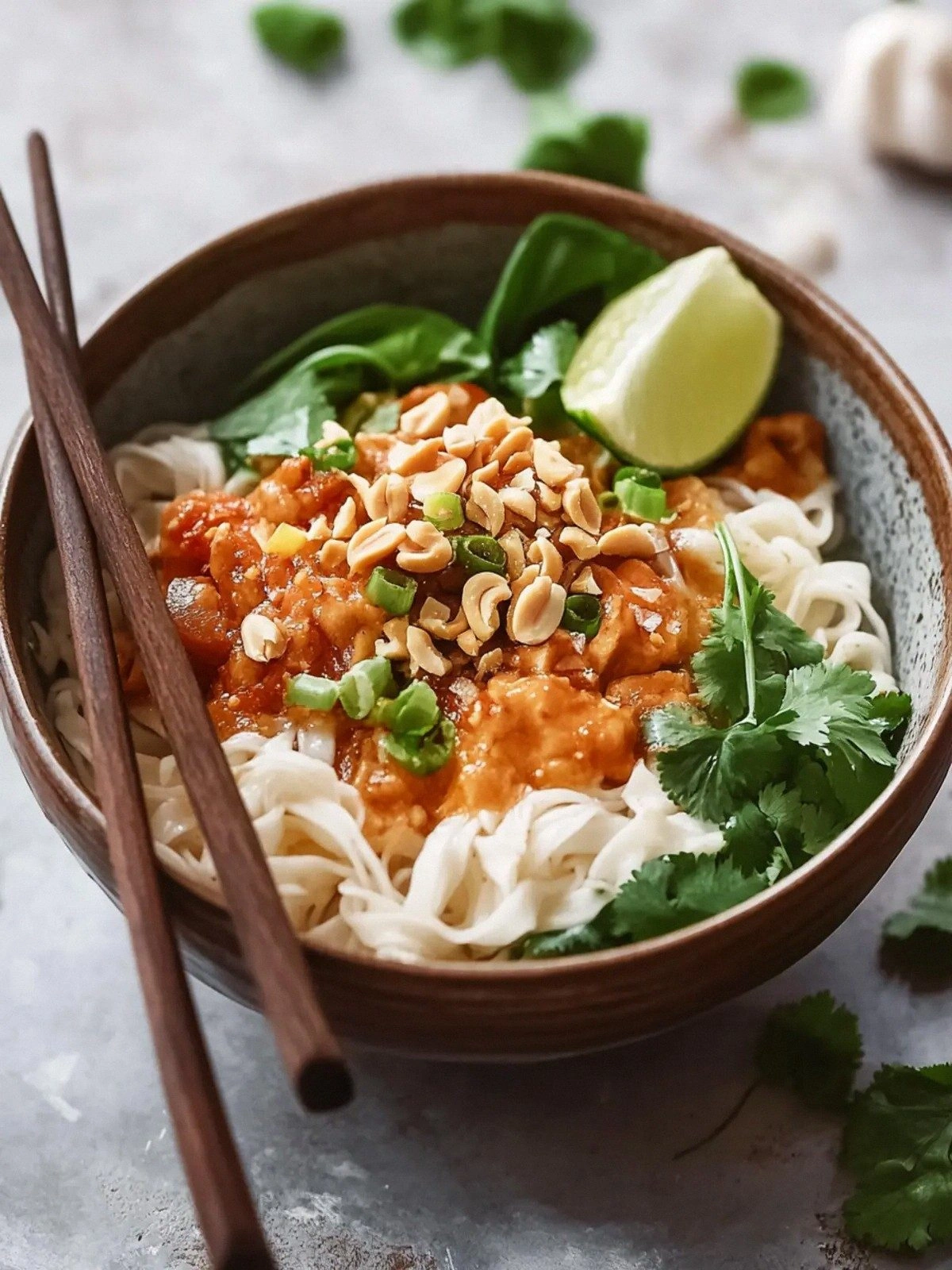
- Finish with Crunch and Herbs: Stir in the roasted peanuts and fried garlic. Sprinkle chopped coriander leaves and spring onions. Squeeze a lime wedge over the top and drizzle with chili oil. Give everything a final toss. The dish should look vibrant, with a glossy sheen and a burst of color.
- Plate and Serve: Divide the noodles among bowls, ensuring each gets a generous amount of meat and greens. Garnish with extra fried garlic and a lime wedge on the side. Serve hot, and watch the steam rise like a fragrant cloud.
- Enjoy: Take your first bite, close your eyes, and let the flavors unfold. The sauce should coat your tongue like velvet, the peanuts should crunch, and the lime should brighten every bite. I dare you to finish the bowl in one go.
Insider Tricks for Flawless Results
The Temperature Rule Nobody Follows
Many cooks think the sauce should be at a rolling boil, but a gentle simmer is key. A high heat causes the broth to evaporate too quickly, concentrating the flavors and potentially burning the garlic. Keep the heat on low once the sauce has reduced, allowing the flavors to meld without scorching. This trick ensures a silky, cohesive sauce that coats every noodle strand.
Why Your Nose Knows Best
Trust your senses: if the sauce smells toasty and slightly caramelized, it’s ready. A raw, fishy scent means the broth needs more time to develop. The aroma will guide you to the perfect balance of sweetness and umami. I’ve learned that a good dish is as much about smell as it is about taste.
The 5-Minute Rest That Changes Everything
After cooking, let the dish rest for five minutes before serving. This allows the flavors to settle and the noodles to reabsorb some sauce, making them even more flavorful. The rest period also lets the peanuts and fried garlic settle, preventing them from sinking to the bottom. A quick rest transforms a good dish into a great one.
The Secret to Crispy Garlic
Frying garlic at a low temperature ensures it turns golden but stays crunchy. If you fry it too hot, it burns and becomes bitter. Keep the heat medium, stirring constantly, and remove it from the pan once it reaches a deep amber color. The result is a sweet, nutty crunch that elevates every bite.
The Power of Fresh Herbs
Adding fresh herbs at the very end preserves their bright flavor. Chopped coriander and spring onions should be tossed in just before serving, not during cooking. This preserves their crunch and brightens the dish’s overall profile. If you’re serving a crowd, prepare a separate herb garnish plate for each bowl.
The One Ingredient That Makes It Memorable
Pickled mustard greens are the unsung hero that adds both crunch and tang. They’re often overlooked, but they bring a depth of flavor that can’t be replicated by fresh greens alone. If you can’t find them, try pickling your own greens with vinegar, salt, and a touch of sugar for a week. The homemade version will be fresher and more vibrant.
Creative Twists and Variations
This recipe is a playground. Here are some of my favorite ways to switch things up:
Spicy Thai Twist
Add a tablespoon of Thai red curry paste to the sauce for an extra layer of heat and aromatic complexity. Replace the pickled mustard greens with fresh sliced carrots for crunch. Finish with a splash of coconut milk to create a creamy, tropical flavor profile.
Vegetarian Delight
Swap the chicken or pork for marinated tofu cubes, searing them until golden. Use vegetable broth instead of chicken broth and replace fish sauce with a dash of soy sauce. Add sliced bell peppers for color and sweetness.
Seafood Surprise
Replace the meat with a mix of shrimp and scallops. Sear the seafood just until opaque, then fold into the sauce. The briny flavor pairs beautifully with the fermented soybean paste.
Low‑Carb Version
Use shirataki noodles or zucchini noodles instead of rice noodles. Reduce the amount of rice noodles to a quarter cup per serving. The dish remains flavorful while cutting down on carbs.
Breakfast Bites
Serve the noodles in a bowl with a poached egg on top, letting the yolk mix with the sauce. Add a sprinkle of toasted sesame seeds for an extra crunch. This version turns the dish into a hearty breakfast.
Gluten‑Free Adaptation
Use gluten‑free soy sauce and ensure the rice noodles are certified gluten‑free. Double‑check the fermented soybean paste for hidden gluten. The dish remains authentic and safe for gluten‑sensitive diners.
Storing and Bringing It Back to Life
Fridge Storage
Store leftovers in an airtight container for up to 3 days. Keep the sauce separate from the noodles to prevent them from becoming soggy. When reheating, add a splash of water or broth to rehydrate the noodles. The dish will taste just as fresh as when you first made it.
Freezer Friendly
Freeze the dish for up to 2 months in a freezer‑safe container. Thaw overnight in the refrigerator before reheating. Reheat on the stove with a splash of water, stirring until hot. The texture should remain intact if you reheat gently.
Best Reheating Method
The best way to reheat is on a low‑heat skillet, adding a little broth or water to keep the sauce from drying out. Stir constantly to avoid sticking. Finish with fresh lime wedges and a drizzle of chili oil to restore the dish’s brightness.