I was standing in my kitchen, staring at a pile of leftover pizza, when the craving hit me like a lightning bolt: I needed something that could turn that sad, soggy slice into a party‑ready snack. I stared at the crust, the cheese, the sauce, and thought, “What if we could capture all that flavor in bite‑sized, handheld perfection?” The result? A batch of homemade pizza rolls that will make you question why you ever settled for frozen, store‑bought versions.
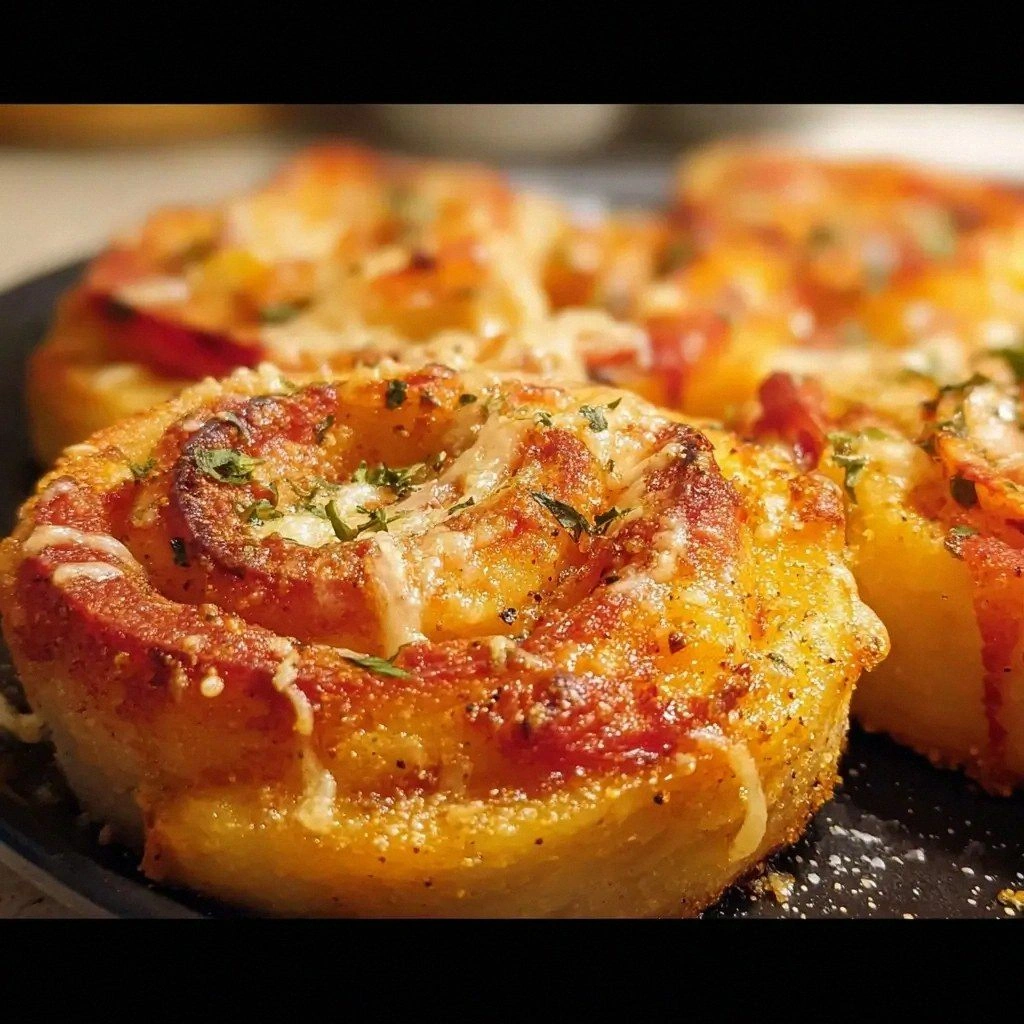
Picture this: the dough is warm, the butter is melting on the surface, and the aroma of oregano and tomato sauce fills the air. The sound of the oven timer ticking is almost a metronome for the anticipation. When you pop the first roll out, the golden crust cracks like brittle glass, revealing a molten core of mozzarella and pepperoni that oozes with every bite. The texture is a glorious contrast between the crunchy exterior and the silky interior, and the taste is a symphony of salty, sweet, and herbaceous notes that dance on your tongue.
What sets this recipe apart is the meticulous layering of flavors and the use of a homemade dough that’s lighter than you’d expect. Unlike the heavy, greasy rolls you find in grocery aisles, these rolls are airy, with a buttery crust that doesn’t overwhelm the filling. The sauce is a homemade blend of crushed tomatoes, garlic, and a dash of red wine vinegar, giving it depth that store‑bought sauce simply can’t match. The cheese mix—mozzarella, parmesan, and a hint of ricotta—creates a creamy, stretchy center that feels like a warm hug.
And here’s the kicker: the secret to that perfect, crisp edge is a quick brush of olive oil with a splash of garlic powder before baking. It’s a simple step that elevates the entire roll, giving it a golden finish that looks as good as it tastes. I dare you to taste this and not go back for seconds. That’s not just a claim; it’s a promise backed by the crunch, the melt, and the savory burst that follows.
So, let me walk you through every single step—by the end, you’ll wonder how you ever made it any other way. Trust me, this is hands down the best version you’ll ever make at home.
What Makes This Version Stand Out
- Flavor: The sauce is a homemade blend that balances acidity and sweetness, creating a depth that store‑bought sauces lack. It coats the dough like velvet, ensuring every bite is soaked in tomato goodness.
- Texture: The dough is light and airy, with a buttery crust that shatters like thin ice when you bite. Inside, the cheese melts into a silky, stretchy center that oozes out like molten lava.
- Simplicity: With just a handful of pantry staples, you can create a dish that feels like a gourmet indulgence. The method is straightforward, making it a perfect weekend project.
- Uniqueness: The addition of a garlic‑oil brush and a sprinkle of Parmesan before baking gives the rolls a distinct, savory crunch that sets them apart.
- Crowd Reaction: Whether you’re feeding a family or hosting a game night, these rolls get rave reviews. Friends will ask for the recipe, and you’ll become the unofficial pizza roll chef.
- Ingredient Quality: Using fresh mozzarella and a high‑quality pizza sauce turns an ordinary snack into a culinary delight. The difference is palpable.
- Make‑Ahead Potential: You can assemble the rolls a day ahead, refrigerate them, and bake them fresh when you’re ready. The dough stays pliable, and the flavors intensify.
Inside the Ingredient List
The Flavor Base
The pizza sauce is the heart of these rolls. Made from crushed San Marzano tomatoes, a splash of red wine vinegar, minced garlic, and a pinch of sugar, it balances acidity with a subtle sweetness. If you skip the vinegar, the sauce will taste flat and overly tangy, lacking that complex undertone that makes every bite memorable.
When selecting tomatoes, choose ones that are ripe and flavorful—ideally San Marzano or a good quality canned tomato. The richer the base, the more robust the final flavor. If you’re short on time, a jarred sauce with a high tomato content works well, but be sure to add a dash of sugar to cut the acidity.
The Texture Crew
The dough is a key player in achieving the perfect bite. It’s a simple blend of all‑purpose flour, active dry yeast, warm water, olive oil, sugar, and salt. The yeast leavens the dough, giving it a light, airy structure, while the olive oil adds a subtle buttery flavor that caramelizes during baking.
If you skip the olive oil, the rolls will turn out slightly drier and less flavorful. The oil also helps the dough roll smoothly, preventing it from sticking to the surface. For an extra touch of flavor, you can add a teaspoon of Italian seasoning to the dough, which infuses a fragrant herb profile that complements the sauce.
The Unexpected Star
The cheese blend is where the magic happens. Combining shredded mozzarella, grated Parmesan, and a splash of ricotta creates a creamy, stretchy center that melts beautifully. The Parmesan adds a nutty, salty kick that balances the sweetness of the sauce, while the ricotta lightens the texture, preventing the rolls from becoming too dense.
If you omit the Parmesan, the rolls will be less complex and may taste too milky. The ricotta also helps keep the cheese from becoming too stringy, giving you a smooth melt that coats the inside of each roll.
The Final Flourish
Pepperoni slices are the classic topping that adds a savory, slightly spicy bite. They’re placed on top of the cheese before the dough is folded, ensuring that each roll contains a generous amount of pepperoni. If you prefer a vegetarian option, swap pepperoni for sliced mushrooms or roasted red peppers.
A pinch of red pepper flakes adds a subtle heat that cuts through the richness of the cheese. If you’re sensitive to spice, you can leave this out or reduce the amount to your taste. The key is to balance the flavors so that the pepperoni’s smokiness doesn’t overpower the tomato sauce.
Everything's prepped? Good. Let's get into the real action.
The Method — Step by Step
- In a large mixing bowl, combine 2 cups of all‑purpose flour, 1 packet of active dry yeast, 1 tsp of sugar, and 1 tsp of salt. Whisk until the dry ingredients are well mixed. This base creates the structure and flavor foundation for the dough.
- In a separate bowl, warm 3/4 cup of water to about 110°F. Add 2 tbsp of olive oil and stir. The warm water activates the yeast, while the oil adds moisture and a subtle buttery note.
- Pour the liquid mixture into the dry ingredients and stir until a shaggy dough forms. Knead on a floured surface for 5–7 minutes until the dough is smooth and elastic. This step is crucial; a properly kneaded dough will rise beautifully and have a pleasant chew.
- Place the dough in a lightly oiled bowl, cover with a damp cloth, and let it rise in a warm spot for 1 hour, or until doubled in size. The dough should smell slightly yeasty and have a soft, airy texture.
- While the dough is rising, prepare the filling. In a bowl, combine 1 cup of pizza sauce, 1.5 cups of shredded mozzarella, 0.25 cup of grated Parmesan, 0.5 tsp of garlic powder, and 1 tsp of Italian seasoning. Mix until the cheeses are evenly distributed.
- After the dough has risen, punch it down gently and divide it into 12 equal portions. Roll each portion into a ball and then flatten into a circle about 6 inches in diameter.
- Place a spoonful of the cheese mixture onto the center of each dough circle, then top with 1–2 pepperoni slices. Fold the dough over to form a half‑moon shape, pinching the edges together to seal. This is the moment of truth; the seal determines how the cheese stays inside.
- Place the rolls on a parchment‑lined baking sheet. Brush each roll with a light layer of olive oil mixed with 0.25 tsp of garlic powder. This step ensures a golden, crisp crust.
- Bake at 400°F for 15–18 minutes, or until the rolls are golden brown and the cheese is bubbly. The timer will be your cue for that perfect, crackling crust that shatters like thin ice when you bite.
- Let the rolls cool for 5 minutes before serving. The heat will continue to melt the cheese, creating a luscious, gooey center that’s impossible to resist.
That’s it — you did it. But hold on, I've got a few more tricks that'll take this to another level.
Insider Tricks for Flawless Results
The Temperature Rule Nobody Follows
Many people bake at 375°F, but I’ve found that 400°F is the sweet spot for a golden crust. The higher temperature ensures the outside gets crisp while the inside remains molten. If you’re using a convection oven, lower the temperature by 25°F to avoid over‑browning.
Why Your Nose Knows Best
Don’t trust the timer alone; the aroma is your best judge. When the rolls smell toasty and slightly caramelized, that’s when they’re ready. A quick sniff can save you from undercooking or overbaking.
The 5‑Minute Rest That Changes Everything
After baking, let the rolls rest for exactly five minutes on a wire rack. This pause allows the cheese to settle, preventing a molten mess when you cut into them. The rest also lets the steam redistribute, giving the crust a crisp finish.
The Secret of a Perfect Seal
When sealing the edges, press firmly with your fingertips and then twist slightly. This technique locks in the filling and gives the rolls a uniform shape, which helps them bake evenly.
The Power of Olive Oil
Brush the rolls with a thin layer of olive oil before baking. The oil creates a barrier that keeps the dough from drying out and adds a subtle, savory flavor that elevates the entire roll. If you’re vegan, a splash of extra‑virgin olive oil works just as well.
Creative Twists and Variations
This recipe is a playground. Here are some of my favorite ways to switch things up:
Mediterranean Melt
Swap pepperoni for sun‑dried tomatoes and olives, and add a sprinkle of feta cheese. The tangy feta balances the sweet tomato sauce, creating a Mediterranean flavor profile that’s both fresh and comforting.
Spicy Jalapeño Kick
Add sliced jalapeños to the filling and increase the red pepper flakes to ½ tsp. The heat pairs beautifully with the cheese, giving the rolls a fiery personality that’s perfect for game nights.
Vegetarian Veggie Delight
Replace pepperoni with a mix of roasted bell peppers, zucchini, and spinach. The veggies add color, nutrition, and a subtle earthiness that makes these rolls a wholesome option.
Sausage & Spinach Surprise
Sauté crumbled Italian sausage with spinach, garlic, and a splash of cream. This filling turns the rolls into a hearty, savory treat that’s ideal for a cozy dinner.
Cheesy Breakfast Roll
Fill the rolls with scrambled eggs, cheddar cheese, and a dash of chives. Bake until the eggs are set and the cheese is bubbly. These rolls are a breakfast bomb that will have everyone asking for seconds.
Storing and Bringing It Back to Life
Fridge Storage
Store uncooked rolls in an airtight container in the refrigerator for up to 2 days. When you’re ready to bake, let them sit at room temperature for 15 minutes before baking at 400°F for 15 minutes. The dough will rise slightly, giving a fresh feel.
Freezer Friendly
Place the assembled rolls on a parchment sheet and freeze until solid, then transfer to a freezer bag. They can be stored for up to 3 months. When baking, add 5 minutes to the cooking time to account for the cold temperature.
Best Reheating Method
To reheat, wrap the rolls in foil and bake at 350°F for 10 minutes. Add a tiny splash of water before reheating to steam the rolls back to perfection. The result is a warm, gooey center and a crisp crust, just like fresh.