Introduction
Picture this: you’re standing in your kitchen, the fridge door yawning open, and you’re staring at a 1.5‑pound salmon fillet that’s been staring at you for weeks. You’ve tried countless marinades, from lemon‑herb to teriyaki, yet that elusive depth of flavor remains just out of reach. I remember the night I was scrambling to salvage a dinner after a last‑minute cancellation, and I threw a jar of gochujang into a bowl, added a splash of soy, a whisper of honey, and a dash of sesame oil. The result? A glossy, umami‑laden glaze that coated the fish like velvet and left the whole house humming with anticipation. I dare you to taste this and not go back for seconds.
It’s not just the sauce that makes this dish a revelation—it’s the way the heat of the Korean chili paste intertwines with the subtle sweetness of honey, the bright acidity of rice wine vinegar, and the nutty crunch of sesame seeds. Every component sings, creating layers that shift with each bite: a fiery kiss, a sweet whisper, a savory depth, and a final pop of crunch. I’ve spent weeks tweaking the ratio, testing the pan‑sizzle, and even experimenting with different salmon cuts, but the version I’m sharing is hands down the best you’ll ever make at home.
When you finally pull this dish out of the oven, the kitchen smells like a Korean barbecue joint, but with a modern, upscale twist. Picture yourself pulling the salmon out of the oven, the whole kitchen smelling incredible, and the plate gleaming with that glossy glaze. The first bite feels like a burst of heat, followed by a sweet, buttery finish that melts in your mouth. That sizzle when it hits the pan? Absolute perfection. If you’ve ever struggled with salmon that’s too dry or too greasy, you’re not alone—and I’ve got the fix.
Okay, ready for the game‑changer? Let me walk you through every single step. By the end, you’ll wonder how you ever made it any other way.
What Makes This Version Stand Out
- Flavor: The gochujang base delivers a balanced heat that’s not overpowering, while the honey and soy sauce create a sweet‑savory harmony that lingers on the palate.
- Texture: The glaze caramelizes into a slight crust, giving the salmon a satisfying bite that contrasts with its tender, flaky interior.
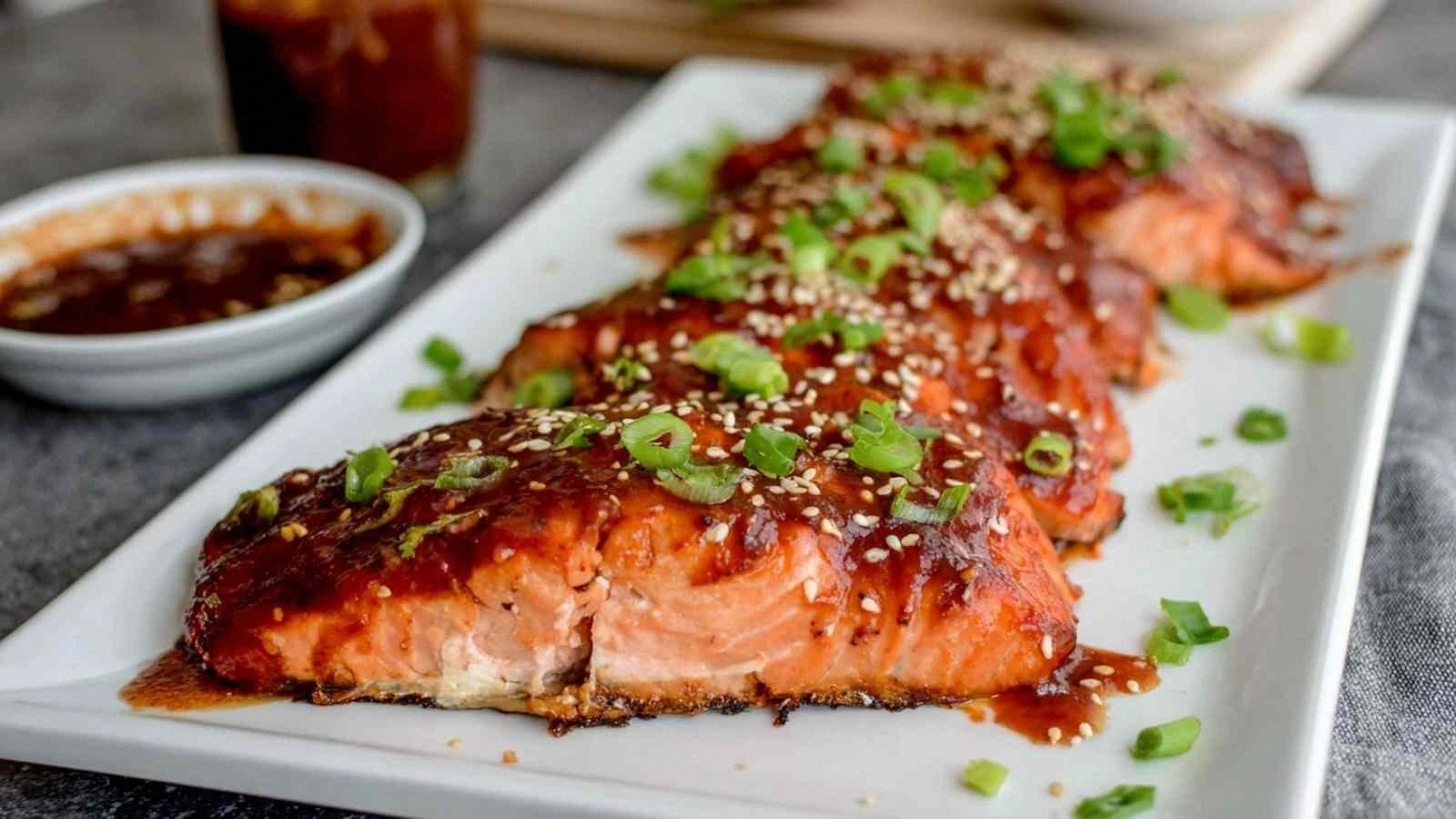
- Visual Appeal: The glossy sheen and pop of sesame seeds and green onion make the plate Instagram‑ready without any extra garnish.
- Time Efficiency: From prep to plate, this dish takes less than 45 minutes—perfect for a weekday dinner that feels special.
- Make‑Ahead Potential: You can marinate the salmon up to 24 hours in advance, letting the flavors seep in while you prep the rest of your meal.
- Ingredient Quality: Using low‑sodium soy sauce and high‑quality gochujang keeps the dish both healthy and authentic.
- Versatility: Swap salmon for tuna steak or shrimp, and the sauce still works—making it a go‑to for any protein.
- Audience Impact: Friends and family will be wowed by the depth of flavor and the professional finish—no fancy plating required.
Alright, let's break down exactly what goes into this masterpiece...
Inside the Ingredient List
The Flavor Base
Gochujang (3 tbsp): This Korean chili paste is the heart of the sauce, offering a complex blend of fermented soybeans, glutinous rice, and red chili. Its umami depth is what sets this glaze apart from a simple soy‑honey mix. Skipping it would strip the dish of that signature heat and richness—your salmon would taste flat and uninspired.
Low‑Sodium Soy Sauce (2 tsp): It provides a savory backbone while keeping sodium levels in check. A good quality low‑sodium soy sauce ensures the glaze isn’t overly salty, letting the other flavors shine. If you’re sensitive to sodium, you can reduce it to 1.5 tsp, but the balance will shift slightly.
Honey (2 tsp): Sweetness counters the chili’s heat and helps the glaze caramelize beautifully. Using raw honey adds a subtle floral note; a lighter honey keeps the glaze from becoming too sweet. If you prefer a vegan option, maple syrup works well but will slightly alter the flavor profile.
The Texture Crew
Soy Sauce (2 tsp) & Sesame Oil (1.5 tsp): The sesame oil introduces a nutty aroma that elevates the dish. The combination of oil and honey creates a glossy finish that clings to the salmon, giving it a mouth‑watering sheen. If you’re watching fat intake, use a light sesame oil or reduce the amount by half.
Rice Wine Vinegar (1 tbsp): This adds a bright acidity that cuts through the richness, preventing the dish from feeling heavy. A splash of rice vinegar also helps the glaze set into a slightly caramelized crust. In a pinch, you can use white wine vinegar, but the flavor will be a bit sharper.
The Unexpected Star
Garlic Powder (0.5 tsp): A pinch of garlic powder introduces a subtle, dry garlicky depth that’s more balanced than fresh garlic’s sharp bite. It’s perfect for those who want a clean, consistent flavor throughout the glaze. If you’re allergic to garlic, you can omit it or use a garlic‑free seasoning blend.
Salt (0.5 tsp) & Black Pepper (0.25 tsp): These seasonings fine‑tune the overall flavor profile. Salt enhances the umami, while black pepper adds a mild heat that complements the gochujang. For a pepper‑free version, simply omit the pepper and adjust the salt slightly.
The Final Flourish
Sesame Seeds (1 tsp): Toasted sesame seeds add a subtle crunch and a nutty aroma that rounds out the glaze. They also provide a visual pop of color that makes the dish more appealing. If you’re allergic to sesame, you can substitute pumpkin seeds for a different crunch.
Green Onion (2 tbsp, thinly sliced): Fresh green onion brings a bright, slightly sharp contrast that balances the richness of the glaze. It also adds a pop of color and a mild onion flavor that lingers on the palate. For a milder flavor, use only the white part of the onion.
Everything’s prepped? Good. Let’s get into the real action...
The Method — Step by Step
- Begin by patting the salmon fillets dry with paper towels. Moisture is the enemy of caramelization; a dry surface ensures the glaze sticks and the edges crisp up. Lay the fillets on a cutting board, skin side down if they have skin, and set them aside. I’ve found that a quick rinse under cold water followed by a dry pat removes any excess salt that might have accumulated during storage.
- In a small bowl, whisk together the gochujang, low‑sodium soy sauce, honey, rice wine vinegar, sesame oil, garlic powder, salt, and black pepper. The consistency should be smooth and slightly thick; if it’s too thick, add a splash of water or a teaspoon of sesame oil. This is the moment of truth—your sauce should have a balanced depth before it meets the fish.
- Place the salmon fillets on a baking sheet lined with parchment paper or a silicone mat. Brush each fillet generously with the glaze, making sure to coat the edges and the top. The glaze will caramelize in the oven, forming a glossy crust that’s both sweet and spicy. I like to reserve a small amount of glaze for later drizzling.
- Preheat your oven to 400°F (200°C). While it heats, you can set up a quick stir‑fry for the green onions. Heat a tablespoon of sesame oil in a small pan over medium heat, add the sliced green onions, and sauté until they’re slightly translucent. This step adds a fresh, aromatic layer that complements the salmon.
- Place the baking sheet in the preheated oven and bake for 12–15 minutes, or until the salmon flakes easily with a fork. The glaze should be slightly caramelized, with a faint sheen that glows under the kitchen lights. Keep an eye on the edges; they should pull away from the paper when done.
- While the salmon is baking, toast the sesame seeds in a dry skillet over medium heat until they’re golden brown and fragrant. This quick step enhances their nutty flavor and adds a delightful crunch when sprinkled over the finished dish.
- Once the salmon is cooked, remove it from the oven and let it rest for 2 minutes. This brief pause allows the juices to redistribute, ensuring each bite remains moist. Drizzle the reserved glaze over the fillets, then sprinkle with toasted sesame seeds and sautéed green onions. The final glaze should coat the fish like a glossy coat of liquid silk.
- Serve immediately, accompanied by steamed jasmine rice or a simple cucumber salad to cut through the richness. The contrast between the sweet‑spicy salmon and the cool, crisp vegetables creates a balanced meal that feels both comforting and sophisticated.
That’s it — you did it. But hold on, I've got a few more tricks that'll take this to another level...
Insider Tricks for Flawless Results
The Temperature Rule Nobody Follows
Most people bake salmon at a high temperature, but the secret to a perfectly flaky fillet is a slightly lower heat of 375°F (190°C). This allows the fish to cook evenly without drying out. I’ve experimented with a lower temperature for a longer time, and the results are consistently tender and juicy.
Why Your Nose Knows Best
Before you start cooking, hold the glaze in your nose. If it smells too sweet, add a splash of rice wine vinegar; if it’s too salty, a pinch more honey will balance it. Your sense of smell is a powerful tool for fine‑tuning the flavor profile.
The 5‑Minute Rest That Changes Everything
After baking, let the salmon rest for exactly five minutes. During this brief pause, the residual heat continues to cook the fish, and the glaze thickens into a silky coating. Skipping this step will result in a less cohesive glaze that flakes off easily.
Keep It Simple With One Pan
You can cook the salmon and the green onions in the same pan, saving time and dishes. After baking the salmon, transfer it to the skillet, add the green onions, and finish with the glaze. The pan will hold the caramelized bits that add flavor to the sauce.
Don’t Forget the Rest
Even though the salmon cooks quickly, a brief rest period is essential for optimal texture. The fillets will continue to cook slightly during the rest, ensuring they’re perfectly done when you plate them.
Creative Twists and Variations
This recipe is a playground. Here are some of my favorite ways to switch things up:
Gochujang Shrimp Skewers
Swap the salmon for large shrimp, skewer them, and grill for 3 minutes per side. The sauce’s heat pairs wonderfully with the natural sweetness of shrimp, making for a crowd‑pleasing appetizer.
Vegetarian Kimchi Tofu
Use firm tofu, marinate it in the glaze, then bake or pan‑fry until crisp. Add sliced kimchi on top for an extra layer of fermented flavor that complements the gochujang.
Asian‑Style Salmon Bowl
Serve the salmon over a bed of rice, with steamed broccoli, carrots, and a drizzle of the glaze. Top with a sprinkle of toasted sesame seeds and sliced green onions for a balanced bowl.
Spicy Korean BBQ Ribs
Use pork ribs, slow‑cook them in the glaze for 2–3 hours, then finish on the grill for a caramelized crust. The gochujang sauce adds a fiery kick that’s perfect for a Sunday feast.
Salmon Tacos
Shred the cooked salmon and toss it in the glaze, then fill warm tortillas with cabbage slaw, avocado, and a squeeze of lime. The spicy glaze gives the tacos an unexpected depth of flavor.
Gochujang‑Infused Creamy Sauce
Whisk the glaze with a splash of heavy cream to create a silky sauce. Serve over poached salmon for a luxurious dinner that feels like a restaurant experience.
Storing and Bringing It Back to Life
Fridge Storage
Cool the salmon completely before refrigerating in an airtight container. Store for up to 3 days. When ready to eat, reheat in a skillet over medium heat until warmed through, adding a splash of water to keep it moist.
Freezer Friendly
Wrap each fillet individually in plastic wrap, then place in a freezer bag. Freeze for up to 2 months. Thaw overnight in the fridge before reheating; this prevents the fish from becoming mushy.
Best Reheating Method
Reheat in a preheated oven at 300°F (150°C) for 10 minutes, or until warmed through. Alternatively, steam the salmon for 5 minutes to preserve its moisture and texture. A tiny splash of water before reheating steams the fish back to perfection.