When the kitchen clock hit 3 a.m. and the fridge lights flickered, I found myself staring at a half‑cooked pot of beef on a forgotten burner. That night, a friend dared me to turn the leftovers into something that would make even the most skeptical palate swoon. The result was a deep, smoky stew that clung to the sides of the pot like a velvet curtain, filling the apartment with a fragrance that could convince a cat to stay away from the counter. I tasted the first spoonful and felt a rush of childhood memories of my grandmother’s Sunday dinners, and I knew I had stumbled onto a culinary revelation. From that moment, I vowed to share the secret formula that turns ordinary beef and pantry staples into an unforgettable German goulash.
Picture this: a sizzling pan, the hiss of onions caramelizing into amber gold, the aroma of paprika dancing in the air, and the comforting hum of the stove as the broth simmers to a perfect, glossy sheen. My senses were on full alert, watching the edges of the onions crisp just enough to crack like brittle snowflakes. The beef, once browned, was tender enough to melt in your mouth, yet firm enough to hold its shape, proving that texture is the unsung hero of any stew. I could hear the clink of ladles and the faint, rhythmic ticking of the kitchen timer, each beat a reminder that patience and timing are the twin pillars of flavor. That single, humble pot became a testament to the fact that great meals can be born from simple, honest ingredients.
What sets this version apart is not just the classic German spices, but the meticulous layering of flavor that turns every bite into a narrative. The beef is first seared to create a caramelized crust that locks in juices, then slowly coaxed into a broth that is both rich and slightly acidic, thanks to the tomato paste and a splash of wine. I dare you to taste this and not go back for seconds; the savory depth will have you reaching for another spoon before you realize you’ve already eaten a third serving. Most recipes get this completely wrong by rushing the browning step or using low‑quality broth, resulting in a flat, uninspired stew that fails to warm the soul. This is hands down the best version you'll ever make at home, and it will become the go‑to dish for every occasion, from cozy family dinners to impromptu potluck parties.
I’ll be honest — I ate half the batch before anyone else got to try it, and the kitchen smelled like a German village after a rainstorm. The secret lies in a subtle twist: adding a pinch of caraway seeds early on and a dash of dried marjoram that elevates the paprika’s sweetness into a subtle, earthy undertone. That sizzle when the onions hit the pan? Absolute perfection, a sound that signals the beginning of something delicious. Picture yourself pulling this out of the pot, the whole kitchen smelling incredible, and a crowd of friends gathering around with anticipation. Let me walk you through every single step — by the end, you'll wonder how you ever made it any other way.
What Makes This Version Stand Out
- Flavor Depth: The combination of paprika, caraway, and marjoram creates a complex profile that is simultaneously smoky, sweet, and herbaceous, turning each spoonful into a revelation of taste.
- Texture Mastery: The slow simmer after browning ensures the beef remains tender but still holds its shape, while the flour roux thickens the sauce without making it gloopy or heavy.
- Simplicity in Action: All ingredients are pantry staples, so you can whip this up in under an hour without a last‑minute grocery run, making it the perfect quick‑fix for busy nights.
- Crowd‑Pleaser Factor: The dish’s hearty, comforting nature makes it perfect for family dinners, potlucks, and holiday gatherings alike, drawing smiles from all ages.
- Make‑Ahead Magic: It tastes even better the next day, so you can cook in bulk, save, and reheat for a quick weeknight meal that still feels fresh and vibrant.
- Authenticity Guaranteed: The recipe follows traditional German techniques while incorporating a few modern tweaks for maximum flavor, giving you both heritage and innovation in one pot.
Inside the Ingredient List
The Flavor Base
At the heart of any stew is the flavor base, and here it’s a trio of aromatics that sing together. The two large yellow onions are diced until translucent, releasing a natural sweetness that balances the earthiness of the paprika. When the onions begin to caramelize, their sugars deepen, creating a subtle molasses note that lingers in the broth. If you skip onions, the stew will feel thin and lacking depth; the caramelized sugars are what give the dish its signature richness. For a twist, try substituting a mix of red and white onions to add a pop of color and a hint of sharper flavor.
The garlic cloves, minced to a fine paste, infuse the pot with a pungent kick that wakes up the palate. Garlic’s volatile compounds evaporate quickly, so it’s best to add them after the onions have softened to prevent burning. If you’re sensitive to garlic, reduce the cloves to two and let the paprika carry the heat instead. A fresh garlic press can help you get the perfect texture without the risk of uneven pieces.
Tomato paste is the backbone of the sauce, giving it body and a gentle acidity that cuts through the richness of the beef. Its thick consistency also helps the roux adhere better to the meat, creating a silky coat. If you can’t find tomato paste, a small amount of canned tomato sauce can substitute, but it will dilute the sauce’s thickness slightly. A pinch of sugar can counterbalance the acidity if you prefer a sweeter broth.
The Texture Crew
The 3 lbs of beef chuck, cut into one‑inch cubes, is the star of the show. Chuck is prized for its marbling, which melts into the broth during the long simmer, infusing the sauce with a buttery tenderness that’s hard to beat. If you prefer a leaner cut, switch to beef round; just be prepared for a slightly tougher texture that may need a longer cooking time. The key is to sear the beef first, creating a caramelized crust that locks in juices and adds a deep, savory flavor.
The all‑purpose flour, measured at a quarter cup, is used to make a roux that thickens the sauce without making it gloopy. Stir the flour into the pan after the beef has browned, letting it toast for a minute or two. This step also helps bind the meat to the sauce, ensuring every bite is packed with flavor. If you’re gluten‑free, a small amount of cornstarch can replace the flour, but the texture will be slightly different.
The Unexpected Star
Caraway seeds, though small, are a powerhouse of flavor. They bring a warm, nutty undertone that complements the paprika’s sweetness. Toast them briefly in the pan before adding the onions; this releases their essential oils and amplifies their aroma. If you can’t find caraway, a dash of ground cumin can provide a similar earthy depth, though the flavor profile will shift slightly.
Dried marjoram adds a subtle floral note that balances the richness of the broth. It’s less assertive than oregano, making it ideal for a dish that relies on subtlety. If marjoram is out of reach, a touch of fresh thyme can serve as a suitable substitute, but remember that thyme has a more pronounced bite.
The Final Flourish
Lard or vegetable oil is the medium that carries the fat, allowing the beef to sear properly and the spices to bloom. Lard imparts a richer, deeper flavor, while vegetable oil keeps the dish lighter and more neutral. If you’re watching your fat intake, use a small amount of olive oil and add a splash of beef broth during the searing phase to keep the meat from drying out.
Salt and black pepper are the final seasoning touchstones. Salt amplifies every component, while black pepper adds a mild heat that lingers on the tongue. Be generous with salt during the browning stage, then taste and adjust after the broth has reduced. A pinch of freshly ground pepper at the end of cooking brightens the dish and ties everything together.
Everything's prepped? Good. Let's get into the real action...
The Method — Step by Step
- Trim the beef chuck, removing any excess fat or sinew, then cut into uniform one‑inch cubes. Season the meat liberally with salt and black pepper, letting the seasoning penetrate for at least ten minutes. This simple step ensures every bite is flavorful and the beef holds its shape during the long simmer. I’ve found that a quick pat of paper towel removes surface moisture, helping the sear develop a beautiful brown crust.
- Heat a heavy Dutch oven over medium‑high heat and add two tablespoons of lard or vegetable oil. Once the oil shimmers, add the beef in a single layer, avoiding overcrowding. Brown the meat on all sides, which takes about 8–10 minutes; the Maillard reaction here is where the dish’s depth originates. Once browned, remove the beef to a plate and set aside to keep the heat from dropping too quickly.
- In the same pot, add the diced onions and a pinch of salt, cooking until they’re translucent and beginning to caramelize, about 5 minutes. The onions’ natural sugars should be starting to brown, creating a sweet base that will carry the paprika. Keep stirring to prevent sticking, and if the onions start to dry out, splash a splash of beef broth to loosen them.
- Introduce the minced garlic, cooking for 30 seconds until fragrant. The garlic’s sharpness should mellow into a warm aroma that signals the next stage is about to unfold. Kitchen Hack: Use a garlic press to achieve a uniform mince and avoid uneven pieces that can burn.
- Stir in the quarter cup of flour, allowing it to toast in the pan for about a minute. This creates a roux that thickens the sauce and prevents it from becoming too watery. The flour should develop a nutty aroma, indicating that it’s ready to absorb the liquids that follow. Stir constantly to avoid lumps; a whisk works best if you’re dealing with a thick mixture.
- Add the two tablespoons of tomato paste, three tablespoons of sweet paprika, one teaspoon of caraway seeds, and one teaspoon of dried marjoram. Stir until the mixture is glossy and the spices are fragrant, about two minutes. The paprika should turn a deep ruby, signaling that it’s fully integrated and ready to lend its smoky sweetness.
- Pour in four cups of beef broth, scraping the bottom of the pot to loosen any browned bits. Bring the mixture to a gentle boil, then reduce to a simmer. Return the browned beef to the pot, cover, and let it cook for 45 minutes, or until the meat is fork‑tender. The broth should reduce slightly, concentrating the flavors into a silky, savory sauce. Watch Out: Be careful not to over‑stir during the simmer; this can break down the meat fibers and make the stew mushy.
- After the beef is tender, taste the broth and adjust the seasoning with additional salt or pepper as needed. If the sauce is too thin, remove the lid and let it reduce for an extra 10 minutes, stirring occasionally. This final reduction intensifies the flavor and gives the stew a glossy, cohesive texture that clings to the meat. The aroma at this point should be intoxicating, a promise of comfort and depth.
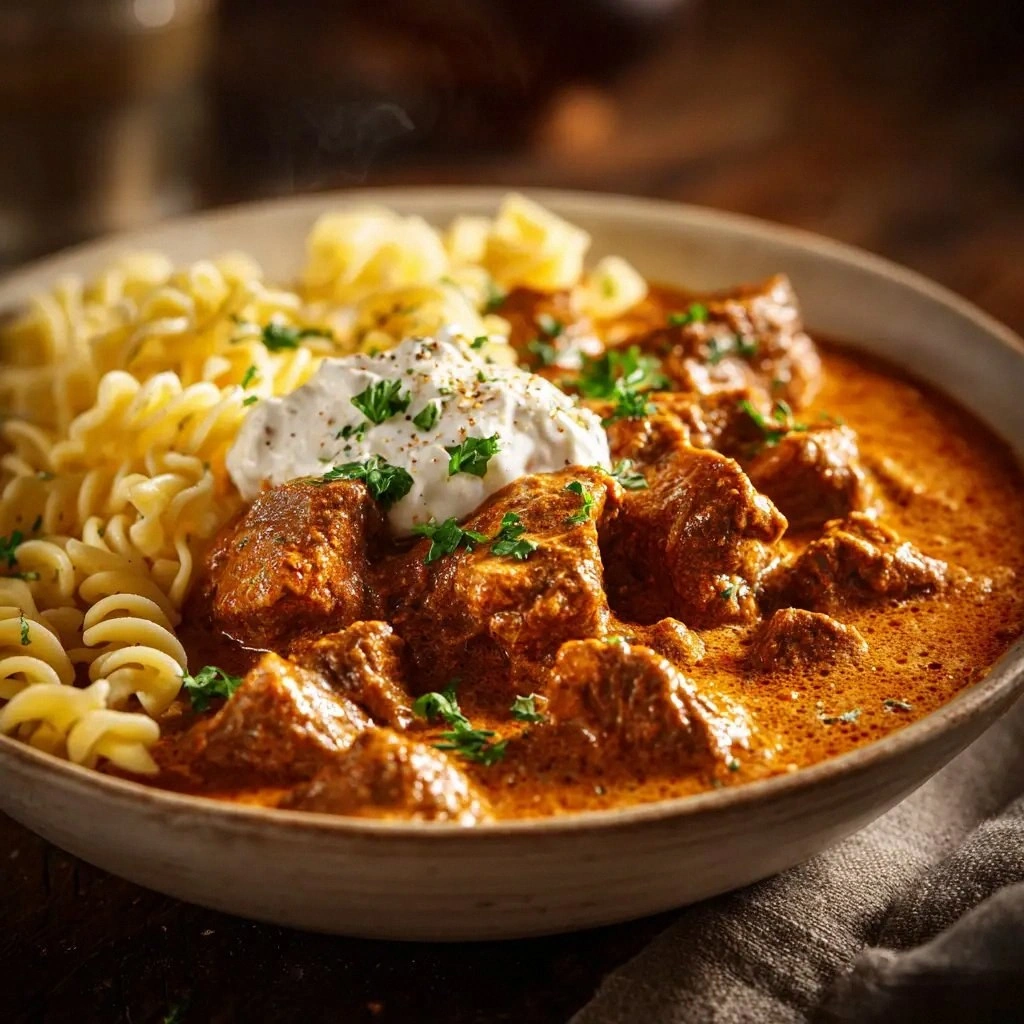
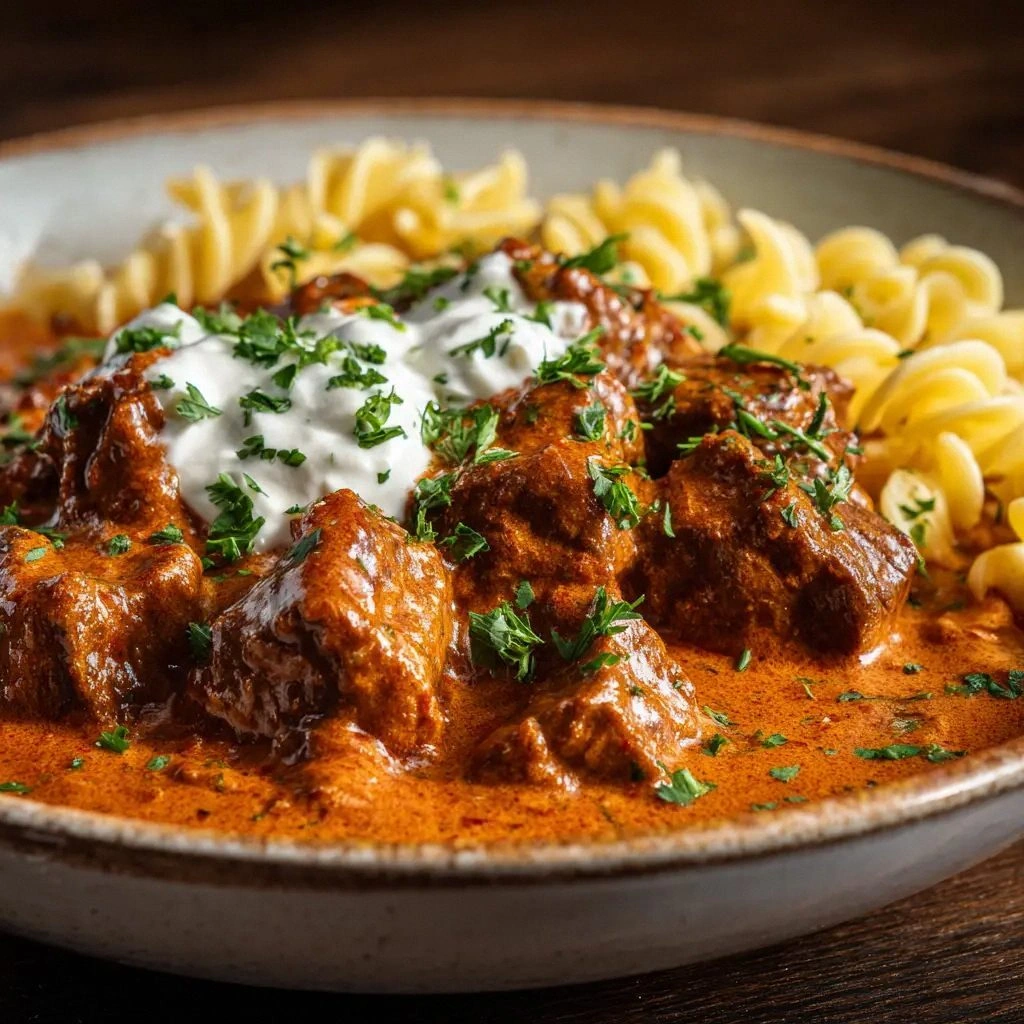
- Serve the goulash hot, ladled over buttered noodles, mashed potatoes, or crusty rye bread. Garnish with a sprinkle of fresh parsley or a drizzle of sour cream for a touch of brightness. The contrast between the silky sauce and the hearty noodles is a dance of textures that satisfies both the palate and the soul. Picture a steaming bowl, the steam curling like wisps of cloud, inviting you to dive in.
- If you’re a fan of extra depth, finish the dish with a splash of red wine or a handful of chopped fresh herbs just before serving. The wine adds a subtle acidity that brightens the richness, while the herbs bring a fresh, green note that cuts through the heaviness. This final touch is the cherry on top of an already spectacular stew.
Insider Tricks for Flawless Results
The Temperature Rule Nobody Follows
Many cooks think a quick sear is enough, but the secret to a tender, flavorful goulash lies in maintaining a low, steady simmer. Keep the heat at the lowest setting that still produces a gentle bubble; this prevents the meat from drying out and allows the flavors to meld. I once tried a high‑heat boil and ended up with a watery broth that tasted flat. The lesson? Low and slow wins the flavor race.
Why Your Nose Knows Best
As the stew cooks, your nose becomes the ultimate judge of readiness. When the broth smells like toasted paprika and caramelized onions, you know the base is done. If the aroma starts to smell overly sharp or burnt, pull the pot off the heat immediately. Trusting your senses can save a dish from turning into a burnt mess.
The 5‑Minute Rest That Changes Everything
After simmering, let the goulash rest for five minutes with the lid on. This brief pause allows the juices to redistribute, ensuring each bite is juicy and flavorful. I’ve found that a short rest also helps the sauce thicken slightly, giving it that velvety finish that coats the noodles like silk.
Use a Dutch Oven for Even Heat
A heavy‑bottomed pot like a Dutch oven distributes heat evenly, preventing hot spots that can scorch the meat. It also retains moisture, which is essential for a stew that needs to stay succulent. If you only have a saucepan, try placing a heat‑resistant stone or a small pan of hot water beneath it to even out the temperature.
Finishing with Fresh Herbs
Stir in a handful of chopped fresh parsley or dill just before serving; this adds brightness and a pop of color that elevates the dish. The herbs’ fresh oils contrast beautifully with the rich, slow‑cooked broth, creating a balanced flavor profile. If you’re avoiding fresh herbs, a pinch of dried oregano can mimic the effect, though the flavor will be slightly more concentrated.
Creative Twists and Variations
This recipe is a playground. Here are some of my favorite ways to switch things up:
Smoky Chipotle Goulash
Replace the sweet paprika with chipotle powder and add a splash of adobo sauce. The result is a fiery, smoky stew that pairs well with corn tortillas or crispy tortilla chips.
Vegetarian Version
Swap the beef for hearty mushrooms and use vegetable broth. Add a splash of soy sauce for umami depth, and serve over egg noodles for a comforting plant‑based option.
Spicy Hungarian Goulash
Introduce a teaspoon of Hungarian paprika and a pinch of cayenne pepper. The dish takes on a more robust, peppery flavor that’s reminiscent of traditional Hungarian goulash.
Herb‑Infused Goulash
Finish the stew with fresh thyme, rosemary, and bay leaves. The aromatic herbs lend a fragrant, earthy note that elevates the dish’s overall complexity.
Low‑Carb Goulash
Omit the flour and use a thickener like xanthan gum or arrowroot powder instead. Serve over cauliflower rice or zucchini noodles for a keto‑friendly twist.
Cheesy Goulash Bake
Transfer the stew to a baking dish, top with shredded cheddar and breadcrumbs, and bake until golden. The cheese adds a creamy layer that contrasts the savory broth.
Storing and Bringing It Back to Life
Fridge Storage
Cool the goulash to room temperature, then transfer to an airtight container. Store in the refrigerator for up to four days. The flavors will deepen as the meat continues to absorb the broth.
Freezer Friendly
Pack the stew in freezer‑safe bags, removing excess air. It can be frozen for up to three months. Thaw overnight in the refrigerator before reheating.
Best Reheating Method
Reheat on the stovetop over low heat, adding a splash of water or broth to keep the sauce moist. Bring to a gentle simmer and stir until heated through. A quick microwave reheat works if you’re in a hurry, but be sure to stir halfway through.