I was standing in my kitchen, staring at a burnt batch of instant ramen that had turned into a sad, soggy mess. The pot hissed, the noodles were rubbery, and the aroma of scorched starch clung to the air like a bad memory. I swore I would never again settle for bland, instant noodles again. That night, fueled by frustration and a craving for something that could turn a kitchen catastrophe into a triumph, I set out to create a ramen that would make my taste buds do a double-take.
Picture this: the broth bubbling like a small, fragrant volcano, the scent of garlic and chili paste drifting through the kitchen, and the sound of a sizzling pan that makes your ears pop. The first sip hits with a punch of umami, followed by a lingering heat that dances across your palate. You feel the noodles slide effortlessly through your fork, coated in a silky sauce that feels like velvet on your tongue. The whole dish feels alive, a symphony of textures and flavors that keeps you reaching for more.
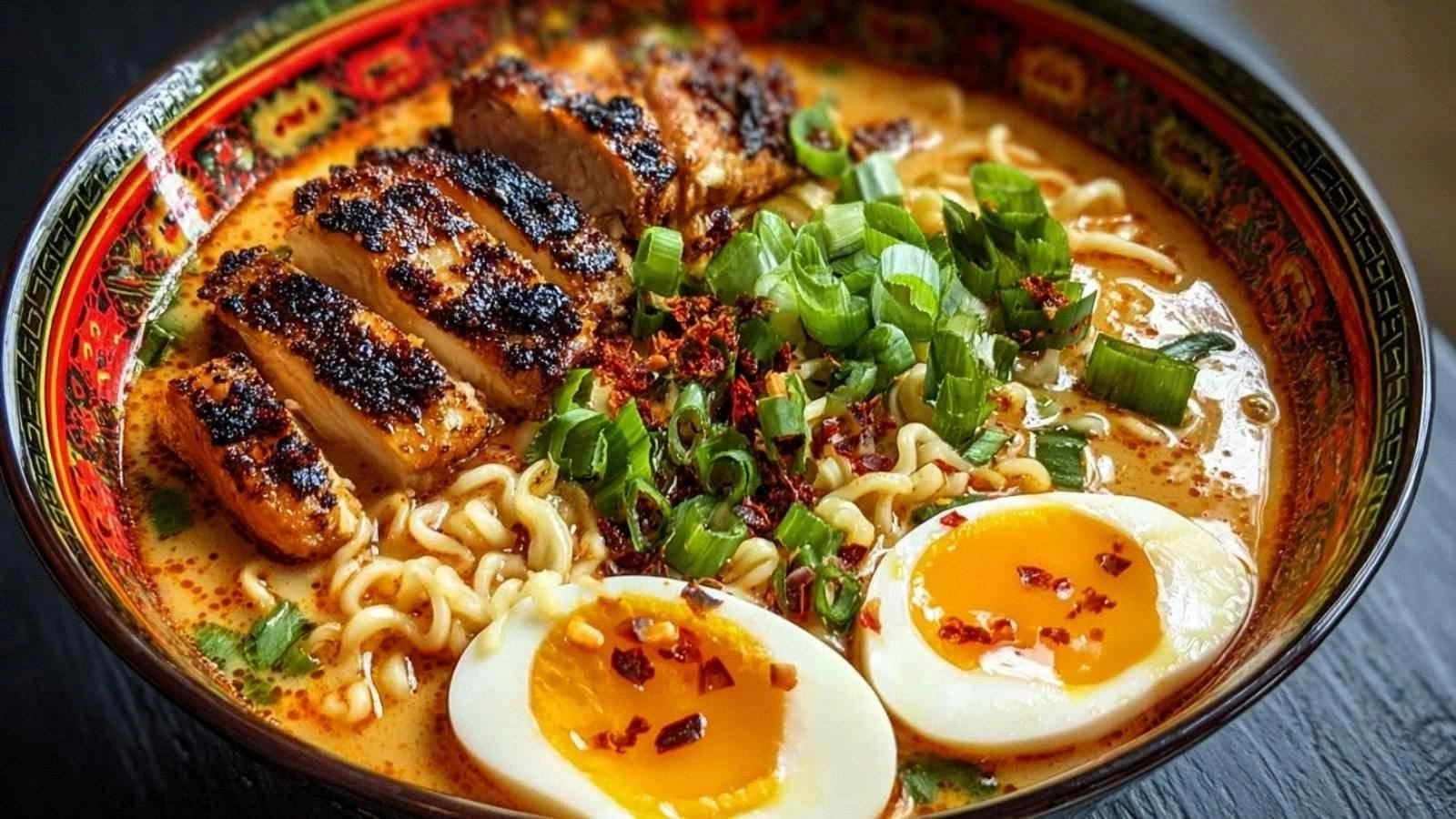
What makes this version stand out? It’s not just the combination of ingredients; it’s the way each element is coaxed into harmony. The garlic is roasted until it’s caramelized and sweet, the chili paste is balanced with a splash of soy to cut through the heat, and the ramen noodles are cooked to a perfect al dente bite that holds the broth like a loyal companion. The soft-boiled eggs provide a creamy, custard-like center that contrasts with the spicy broth, while scallions add a fresh, green crunch. The result is a bowl that feels like a hug from the inside out.
I dare you to taste this and not go back for seconds. If you think ramen can’t be gourmet, I’ll be honest—I ate half the batch before anyone else got to try it. Most recipes get this completely wrong; they either overcook the noodles or under-season the broth. Here’s what actually works: a slow, low simmer for the broth, a quick sear for the garlic, and a final splash of sesame oil to finish. Picture yourself pulling this out of the pot, the whole kitchen smelling incredible, and feeling the heat rise from the bowl. Let me walk you through every single step — by the end, you'll wonder how you ever made it any other way.
What Makes This Version Stand Out
- Flavor: The broth is a layered masterpiece, combining the depth of soy sauce, the sweetness of caramelized garlic, and the fiery kick of chili paste. Each sip delivers a balanced punch that lingers pleasantly. The combination turns a simple bowl into a bold, unforgettable experience.
- Texture: The ramen noodles are cooked to al dente perfection, providing a satisfying bite that contrasts with the silky broth. The soft-boiled eggs add a custard-like center, while scallions bring a fresh, crisp snap.
- Simplicity: Despite its complex flavor profile, the recipe requires only ten minutes of active prep and thirty minutes of cooking. No elaborate sauces or hard-to-find ingredients are needed. It’s the kind of dish that feels high-end but is accessible to anyone.
- Uniqueness: The roasted garlic technique sets this ramen apart from the usual quick-fix versions. The subtle caramelization adds depth that you won’t find in instant ramen or standard stovetop broths.
- Crowd Reaction: Friends who’ve tried this version swear it’s the best ramen they’ve ever tasted. The heat level is intense yet balanced, making it a conversation starter at dinner parties.
- Ingredient Quality: Using fresh chicken breasts instead of pre-cooked or frozen meat elevates the protein profile and keeps the broth clean. Fresh scallions and garlic bring bright, vibrant flavors.
- Cooking Method: A single pot method keeps cleanup minimal while allowing flavors to meld beautifully. The roasting step is a quick, no-fuss trick that adds a lot of flavor.
- Make-Ahead Potential: The broth can be made a day ahead, allowing the flavors to develop and intensify. When you’re ready to serve, simply reheat and add fresh noodles.
Alright, let’s break down exactly what goes into this masterpiece. Each ingredient plays a role, and each step is designed to elevate the dish. The key is to keep the broth bright while allowing the heat to permeate without overpowering the delicate flavors. If you follow these instructions, you’ll get a bowl that feels like a culinary revelation.
Inside the Ingredient List
The Flavor Base
The broth is the heart of this ramen. 4 cups of chicken broth provide a savory foundation that carries the heat of the chili paste and the sweetness of roasted garlic. Soy sauce adds depth, turning the broth from plain to punchy. A splash of sesame oil at the end gives a nutty aroma that lingers. If you’re using store-bought broth, look for one with a lower sodium content to avoid a salty finish.
The Texture Crew
2 packs ramen noodles are the canvas. They absorb the broth’s flavors and provide the chewy backbone of the dish. Fresh chicken breasts cut into bite-sized pieces bring protein and a meaty texture that contrasts with the noodles. 2 soft-boiled eggs offer a creamy, custard-like center that melts into the broth. If you prefer a vegetarian version, replace the chicken with tofu or a plant-based protein.
The Unexpected Star
4 cloves of garlic roasted to caramelized perfection bring a subtle sweetness that balances the heat. The roasting process creates a complex flavor profile, turning raw garlic into a mellow, almost nutty note. If you’re short on time, you can sauté the garlic instead, but the caramelization step is the secret to this ramen’s depth. A pinch of pepper adds a finishing touch that brightens the overall flavor.
The Final Flourish
3 scallions sliced thinly provide a fresh, green crunch that cuts through the richness of the broth. 2 tablespoons of chili paste give the dish its signature heat, while 1 tablespoon of sesame oil adds a nutty finish. Salt and pepper are added to taste, ensuring the broth’s flavor is perfectly balanced. If you want a milder version, reduce the chili paste to 1 tablespoon.
Everything’s prepped? Good. Let’s get into the real action. The process is straightforward, but each step is crucial to achieving that fiery, velvety finish.
The Method — Step by Step
-
Begin by heating a large pot over medium heat and adding a tablespoon of sesame oil. Once the oil shimmers, drop in the whole garlic cloves and let them brown lightly on all sides. The sizzle is the first hint that your broth will be full of flavor. Don’t rush this step; a few minutes of gentle roasting is all it takes to unlock the garlic’s sweetness.
Kitchen Hack: Wrap the garlic in foil after roasting to keep the pot clean. The foil can be tossed into the broth later for an extra infusion of garlic flavor. -
Pour in the chicken broth, soy sauce, and chili paste. Stir until the chili paste dissolves completely, creating a uniform, spicy base. Let the mixture come to a gentle simmer; you’ll notice a fragrant steam rising. This is the moment of truth—if the broth isn’t simmering, the flavors won’t meld properly.
-
While the broth simmers, prepare the chicken. Pat the breasts dry with paper towels to ensure a good sear. Slice them into thin strips, about ¼ inch thick, so they cook quickly and stay tender. The chicken should be cooked through by the time the noodles are done.
Kitchen Hack: Use a sharp knife and a cutting board with a groove to keep the chicken strips uniform. This ensures even cooking and a consistent bite. -
Add the chicken strips to the simmering broth. Let them cook for about 5 minutes, or until they’re opaque and cooked through. The broth should pick up a subtle chicken flavor, but not become too heavy. Keep the heat low to avoid boiling, which can toughen the meat.
-
In a separate pot, bring water to a rolling boil and add the ramen noodles. Cook according to the package instructions—usually 3 minutes for a firm bite. Drain the noodles, then rinse them briefly under cold water to stop the cooking process. This step keeps the noodles from becoming mushy when added to the broth.
-
Prepare the soft-boiled eggs: place eggs in a pot of water, bring to a boil, then reduce to a gentle simmer for 7 minutes. Transfer the eggs to a bowl of ice water to stop the cooking process, then peel them carefully. Slice each egg in half before adding them to the bowl.
-
Divide the noodles evenly among four bowls. Pour the hot broth over the noodles, ensuring each bowl receives a generous amount of chicken and garlic. The broth should be steaming, the scent of chili and soy filling the room. Watch as the noodles soak up the liquid, turning glossy.
Watch Out: Be careful when ladling the broth—hot liquid can splash. Keep your face away from the steam to avoid burns. -
Top each bowl with a half of the soft-boiled egg, a handful of sliced scallions, and a drizzle of sesame oil. The egg’s creamy center contrasts beautifully with the spicy broth, while the scallions add a fresh, green crunch. Finish with a pinch of pepper and a splash of extra soy sauce if you like it saltier.
-
Serve immediately, letting the heat rise from the bowl and the aromas fill your kitchen. Take a moment to inhale the fragrant steam before you dive in. This is the moment where all the steps converge into a single, glorious experience.
That's it — you did it. But hold on, I've got a few more tricks that'll take this to another level. From adjusting heat levels to adding a final garnish, these tweaks will make your ramen feel like a restaurant masterpiece.
Insider Tricks for Flawless Results
The Temperature Rule Nobody Follows
Many people think you can just throw everything into a pot and let it cook. In reality, maintaining a low, steady simmer for the broth is essential. A rolling boil can cause the broth to become cloudy and lose its delicate flavor. Keep the heat low, and let the broth develop slowly; this will give your ramen that silky, clear texture you’ll love.
Why Your Nose Knows Best
When you’re cooking, your sense of smell is your best ally. If the broth smells too sharp or the garlic is too raw, adjust the heat or add more soy sauce. A well-balanced broth will have a subtle sweetness from the roasted garlic and a clean, savory base from the chicken broth.
The 5-Minute Rest That Changes Everything
After you’ve finished cooking the noodles, let them rest in the hot broth for 30 seconds. This allows them to absorb more flavor and ensures they’re evenly coated. The rest also helps the noodles firm up slightly, preventing them from becoming mushy when you serve.
Use a Heat-Resistant Bowl
Serving your ramen in a heat-resistant bowl not only keeps the broth hot longer but also adds a visual appeal. A dark-colored bowl will make the broth look richer, and the heat will stay inside, enhancing the overall experience.
Keep the Broth Clear
When simmering the broth, skim off any foam that rises to the surface. This keeps the broth clear and visually appealing. A clear broth also indicates that the flavors are balanced and not overly heavy.
Creative Twists and Variations
This recipe is a playground. Here are some of my favorite ways to switch things up:
Spicy Tofu Ramen
Replace the chicken with firm tofu cubes, lightly pan-fried until golden. The tofu absorbs the broth’s heat, creating a plant-based version that still delivers a punch of flavor. It’s perfect for vegetarians or those looking to cut down on meat.
Seafood Surprise
Add a handful of shrimp or scallops to the broth in the last minute of simmering. The seafood’s delicate flavor pairs beautifully with the spicy broth, creating a luxurious twist on the classic ramen.
Kimchi Fusion
Stir in a tablespoon of kimchi juice and a handful of chopped kimchi for a Korean-inspired kick. The fermented tang complements the heat and adds a depth of umami that’s hard to resist.
Umami Boost
Swap the soy sauce for tamari or add a splash of fish sauce to intensify the umami. This variation adds a richer, deeper flavor profile that pairs well with the chili paste.
Herbal Garden
Top the ramen with fresh basil or cilantro instead of scallions for a burst of herbal freshness. The herb’s aroma contrasts with the heat, creating a balanced, fragrant bowl.
Breakfast Ramen
Serve the ramen with a fried egg on top instead of soft-boiled. The runny yolk adds a velvety texture that makes the dish feel like a hearty breakfast option.
Storing and Bringing It Back to Life
Fridge Storage
Store the broth in an airtight container in the refrigerator for up to 3 days. Keep the noodles separate to prevent them from becoming soggy. When you’re ready to eat, reheat the broth on the stove until it’s steaming.
Freezer Friendly
Freeze the broth in portion-sized containers for up to 2 months. Thaw overnight in the refrigerator before reheating. The broth’s flavor remains intact, and it’s a lifesaver on busy nights.
Best Reheating Method
Reheat the broth over low heat, adding a splash of water or broth to loosen the consistency if it’s thickened. Once hot, add fresh noodles and let them soak for 30 seconds before serving. This simple trick ensures the ramen tastes freshly made.