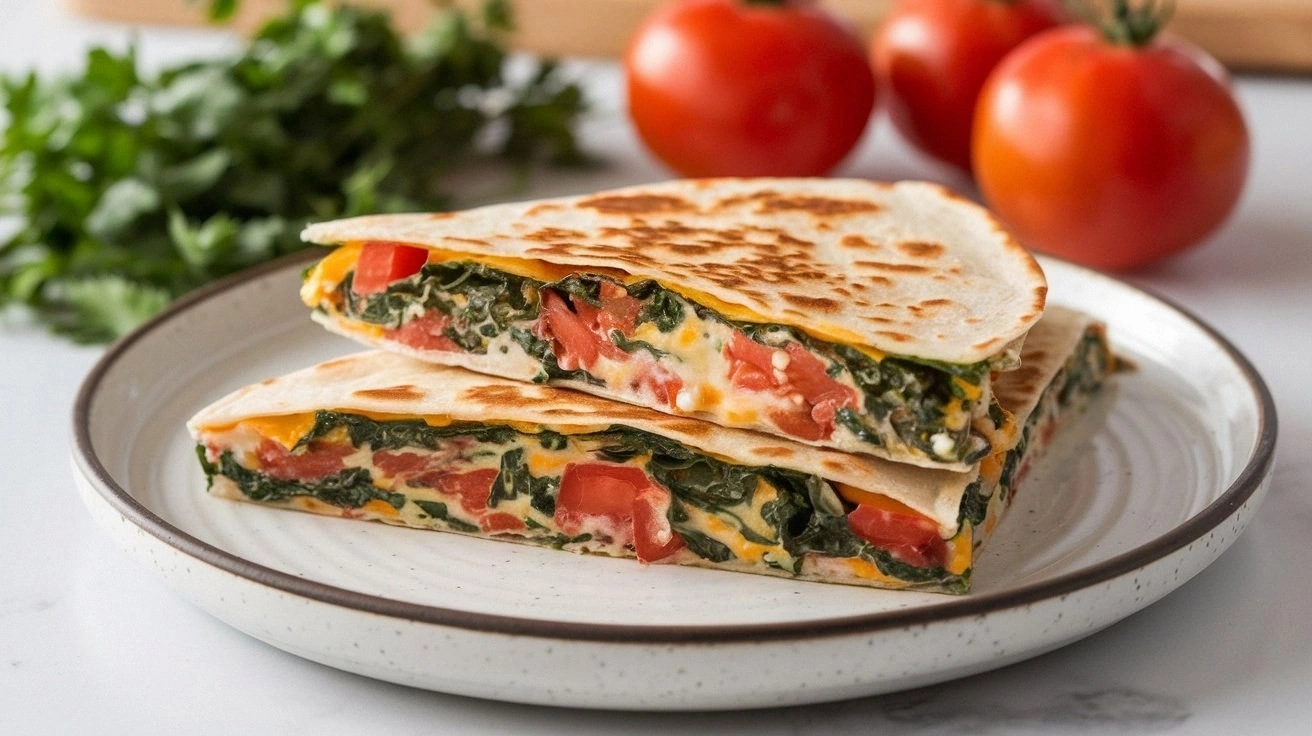
I remember the night I nearly burned the kitchen down while chasing a midnight craving for something warm, cheesy, and utterly comforting. I had a stack of stale tortillas, a bag of wilted spinach, and a block of feta that looked like it was begging for a culinary makeover. The idea of turning those ingredients into a quick, crowd‑pleasing snack felt like a daring culinary dare—one that I couldn't resist. And so, the Feta and Spinach Quesadillas R were born, a dish that marries the briny tang of feta with the earthy bite of spinach, all wrapped in a crispy, golden tortilla shell.
Picture this: the skillet sizzles, sending a faint puff of steam into the air, as the aroma of sautéed onions and garlic fills the kitchen. The sound of the onions caramelizing is a gentle, comforting hiss that signals the start of something delicious. As the spinach wilts, it releases a subtle green perfume that mingles with the sharp, salty scent of crumbled feta. The sight of the filling bubbling together is almost cinematic, and the texture—soft spinach, creamy feta, and a hint of crunch from the onions—creates a symphony of mouthfeel. The first bite is a burst of flavor: salty, savory, and slightly peppery, with a satisfying chew that lingers on the palate.
What sets this version apart from every other spinach‑feta quesadilla recipe I've tried is the meticulous balance of ingredients and the subtle use of heat to unlock the feta’s depth. Instead of drowning the filling in oil, we use just enough olive oil to coat the aromatics, letting the feta melt into a silky sauce that coats the spinach like velvet. The addition of a dash of red pepper flakes introduces a gentle heat that cuts through the richness without overpowering it. The result is a quesadilla that feels indulgent yet surprisingly light, a perfect bridge between a snack and a full‑blown meal. I dare you to taste this and not go back for seconds; the flavor will keep you coming back for more.
This dish is hands down the best version you'll ever make at home because it takes a simple idea and turns it into a culinary experience that feels both effortless and sophisticated. The technique is straightforward, but the outcome is a harmonious blend of textures—crispy edges that shatter like thin ice, a gooey interior that oozes with feta, and a tender spinach base that adds a burst of color. The next few sections will walk you through every single step, from ingredient selection to the final plating, so you can recreate this masterpiece with confidence. Let me walk you through every single step—by the end, you'll wonder how you ever made it any other way.
What Makes This Version Stand Out
- Flavor Depth: The combination of feta and spinach creates a savory profile that’s richer than typical cheese‑based quesadillas, thanks to the feta’s briny tang and the spinach’s earthiness.
- Crisp Texture: The skillet technique yields a golden, slightly blistered crust that delivers a satisfying crunch while keeping the inside soft and molten.
- Ingredient Simplicity: With only a handful of pantry staples and fresh produce, the recipe remains approachable for novice cooks without sacrificing flavor.
- Versatility: It works as a light lunch, a party appetizer, or a side dish to any Mediterranean‑inspired menu, making it a true kitchen chameleon.
- Quick Prep: The entire process takes less than 45 minutes from start to finish, so you can satisfy a craving without a long wait.
- Make‑ahead Friendly: The filling can be prepared ahead of time and stored, allowing you to assemble and cook the quesadillas on the fly.
Alright, let's break down exactly what goes into this masterpiece. The next section will dive deep into each ingredient, why it matters, and how you can tweak it to suit your taste.
Inside the Ingredient List
The Flavor Base
The cornerstone of this recipe is the feta cheese, a staple of Greek cuisine that brings a punch of saltiness and a creamy texture once melted. Feta is prized for its crumbly yet supple nature, which allows it to disperse evenly throughout the spinach, creating a uniform flavor profile. If you skip feta, the quesadilla loses its signature tang, and the dish becomes a plain, uninspired tortilla. For an alternative, try crumbled goat cheese or a mild blue cheese for a different but equally delightful flavor twist. When selecting feta, look for a firm block that’s not overly aged; a younger feta will melt more smoothly, whereas a heavily aged one may become too crumbly.
The Texture Crew
Spinach is the green hero that balances the richness of feta. Fresh spinach offers a subtle earthiness and a bright, vibrant color that makes the dish visually appealing. If you prefer a slightly sweeter bite, baby spinach or baby kale can be used, though the texture will differ slightly. The onions and garlic add crunch and aromatic depth; sautéing them until golden caramelizes their natural sugars, creating a sweet undertone that complements the feta’s sharpness. A pinch of black pepper ties everything together, providing a subtle heat that awakens the palate.
The Unexpected Star
Red pepper flakes may seem like an afterthought, but they inject a gentle heat that cuts through the creamy feta and balances the spinach’s mildness. Without this touch of spice, the quesadilla might taste flat, especially if your feta is particularly mild. If you’re not a fan of heat, simply omit the flakes or replace them with a dash of smoked paprika for a smoky flavor. The olive oil is the unsung hero that coats the aromatics, ensuring they cook evenly and preventing sticking. A high‑smoke‑point oil, like avocado or grapeseed, will keep the skillet from burning the delicate spinach.
The Final Flourish
The optional shredded mozzarella adds a gooey, melty dimension that enhances the quesadilla’s indulgence. If you’re looking for a lighter version, simply leave the mozzarella out and enjoy the pure feta‑spinach combo. The tortillas themselves are the vessel that holds everything together; choose medium‑size, 8‑inch flour tortillas for a classic feel, or opt for whole‑wheat for a healthier twist. A quick pinch of salt to taste brings out the flavors, but be mindful—feta is already salty, so add only a small amount. Finally, a splash of water before reheating can revive any leftover quesadillas, restoring moisture and preventing them from drying out.
Everything's prepped? Good. Let's get into the real action.
The Method — Step by Step
- Preheat a non‑stick skillet over medium heat. Let the skillet warm until it’s just shy of smoking; this ensures a crisp crust without burning the tortilla. The right heat is crucial—too low and the tortilla will stay soggy, too high and it will char. Once the skillet is ready, lightly brush it with a thin layer of olive oil to prevent sticking. This step sets the foundation for a golden, buttery exterior that will crackle when the tortilla hits the pan.
- Dice the onion into thin, translucent pieces. In the hot skillet, add a splash of olive oil and the onion, letting it sizzle. Stir occasionally, allowing the onion to soften and caramelize over 3‑4 minutes. The caramelization process releases natural sugars, creating a subtle sweetness that balances the feta’s saltiness. When the onion turns golden brown, it’s time to move on to the next aromatics.
- Mince the garlic cloves finely. Add them to the skillet with the onions, letting the garlic bloom for 30 seconds. Watch closely; garlic can burn quickly, turning bitter. The garlic’s aroma will mingle with the onions, creating a fragrant base that elevates the overall flavor profile. After the garlic has released its scent, it’s safe to introduce the leafy green.
- Chop the spinach into bite‑size pieces. Add the spinach to the skillet, stirring until it wilts and reduces in volume. The spinach should still retain a hint of green color, signaling it’s cooked but not mushy. A quick sauté of spinach before adding feta helps evaporate excess moisture, preventing soggy quesadillas. The spinach’s earthy undertones complement the feta’s briny bite, creating a harmonious blend.
- Crumble the feta cheese over the sautéed mixture. Gently fold the feta into the spinach, allowing it to melt and coat the greens. The feta will soften into a creamy sauce, binding the filling together. Sprinkle in the red pepper flakes for a subtle heat and stir. The mixture should have a glossy, almost sauce‑like consistency that will cling to the tortilla.
- Season the filling with salt to taste and a pinch of black pepper. Be careful with the salt—feta is already salty, so a little goes a long way. Taste the mixture; if it feels flat, add a touch more pepper or a splash of lemon juice for brightness. The seasoning should enhance, not overpower, the feta’s flavor. Let the filling sit for a minute so the flavors meld together before assembling the quesadillas.
- Lay a tortilla flat on a clean surface. Spoon a generous ladle of the spinach‑feta mixture onto one half, leaving a small border around the edge. If you like, sprinkle a thin layer of shredded mozzarella on top of the filling for extra gooeyness. Fold the tortilla over the filling, pressing gently to seal the edges. The tortilla should be snug but not overly tight to allow the filling to steam and melt inside.
- Transfer the assembled quesadilla to the preheated skillet. Cook for 3‑4 minutes on each side, pressing down gently with a spatula. The tortilla should develop a golden, blistered crust while the interior stays molten. Listen for the subtle sizzle that indicates the oil is hot enough to crisp the edges. Flip carefully—if the tortilla sticks, wait a few seconds until the crust releases naturally.
- Once both sides are golden, transfer the quesadilla to a cutting board and let it rest for a minute. Resting allows the cheese to set slightly, preventing it from leaking out when you cut. Slice into wedges using a sharp knife, cutting through the crispy edges and the molten interior. Serve immediately with a side of Greek yogurt or a simple tomato salsa for a refreshing contrast. The first bite will melt your heart and your taste buds in equal measure.
That's it—you did it. But hold on, I've got a few more tricks that'll take this to another level. These insider tips will ensure your quesadillas are consistently perfect, no matter how many times you cook them.
Insider Tricks for Flawless Results
The Temperature Rule Nobody Follows
Many cooks think medium heat is the sweet spot, but the real magic happens at a slightly lower temperature, around 350°F (175°C). Cooking at this level allows the tortilla to crisp without burning, and the filling to melt evenly. If you’re using a gas stove, adjust the flame to a gentle medium‑low setting; a quick test is to drop a small piece of tortilla into the pan—if it sizzles softly, you’re at the right temperature. This trick keeps the feta from over‑melting, preserving its creamy texture. Remember, the goal is a golden crust, not a charred shell.
Why Your Nose Knows Best
The first scent you notice when you start cooking is a powerful indicator of how the dish is progressing. A sweet, caramelized onion aroma signals that the onions have reached the perfect level of sweetness. If the smell turns sharp or bitter, the onions are over‑cooked. Likewise, a faint, fresh green scent from the spinach indicates that it hasn’t wilted too much. Trust your nose; it’s the quickest way to avoid common pitfalls. When the feta begins to give off a mild, salty aroma, you know it’s ready to fold into the mixture.
The 5‑Minute Rest That Changes Everything
After cooking, let the quesadilla rest for exactly five minutes before slicing. This brief pause allows the filling to set, preventing a runny mess that drips onto your plate. The rest period also lets the flavors meld, creating a more cohesive taste profile. If you’re in a hurry, a quick 30‑second rest will suffice, but the five‑minute rule guarantees a perfect bite every time. It’s a small step that makes a big difference in the overall experience.
Keep the Tortilla Moist
If you’re using whole‑wheat tortillas, they can dry out quickly. To keep them moist, lightly mist the surface with water before heating. This creates a steam layer that softens the tortilla, preventing it from cracking during cooking. Another option is to wrap the tortilla in a damp paper towel before placing it in the skillet. The moisture barrier ensures a tender exterior that complements the crispy edges.
The Secret to a Clean Cut
Slicing a quesadilla can be tricky if the cheese is still molten. Use a sharp, serrated knife to glide through the tortilla without tearing it. If the cheese is too runny, let the quesadilla rest longer or cool for a minute before cutting. A clean cut not only looks professional but also prevents the filling from spilling out, which can ruin the presentation. This small tip is often overlooked but can elevate the dish from good to great.
Creative Twists and Variations
This recipe is a playground. Here are some of my favorite ways to switch things up:
Mediterranean Medley
Swap the spinach for a mix of arugula, cherry tomatoes, and olives. The peppery arugula pairs beautifully with the briny olives, while the tomatoes add a juicy burst. Keep the feta to preserve the classic tang. This variation is perfect for a summer lunch or a light dinner. The colors on the plate will make your guests feel like they’re dining at a seaside tavern.
Mexican Heat
Introduce a handful of chopped jalapeños into the filling for a fiery kick. Pair the heat with a dollop of guacamole on the side for a cooling contrast. Swap the feta for a milder cheese like Monterey Jack to balance the spiciness. The result is a quesadilla that feels like a handheld taco, with bold flavors and a satisfying crunch. This version is a crowd‑pleaser at any party or gathering.
Breakfast Boost
Add a beaten egg to the filling, letting it scramble with the spinach and feta before sealing the tortilla. This creates a protein‑rich breakfast quesadilla that’s both filling and flavorful. Serve with a side of fresh fruit or a light yogurt dip. The egg adds a silky texture that complements the creamy feta, making for a wholesome morning meal. It’s the perfect way to start the day on a savory note.
Vegan Vibes
Replace the feta with a vegan cheese substitute that melts well, such as a cashew‑based cheese or a store‑bought vegan feta. Keep the spinach and tortillas, and add a splash of nutritional yeast for a cheesy flavor. This version is dairy‑free yet still delivers that creamy, indulgent bite. It’s ideal for guests who avoid animal products without sacrificing taste. The vegan cheese will still create a gooey interior that’s hard to resist.
Sweet & Savory Surprise
Drizzle a light honey glaze over the finished quesadilla before serving. The honey’s sweetness balances the feta’s saltiness, creating a complex flavor profile. Pair it with a sprinkle of chopped pistachios for crunch and a nutty aroma. This sweet‑savory combo is perfect for a brunch or a unique appetizer. The contrast between the sweet glaze and the savory filling will leave your guests asking for more.
Storing and Bringing It Back to Life
Fridge Storage
Store cooked quesadillas in an airtight container in the refrigerator for up to three days. Wrap each quesadilla in parchment paper before sealing to keep them from sticking together. When ready to reheat, place them in a preheated oven at 350°F (175°C) for 5–7 minutes, or until the cheese is melty again. Avoid microwaving, as it can make the tortilla soggy. This method preserves the crispness and flavor for a quick, satisfying snack.
Freezer Friendly
For longer storage, freeze the quesadillas in a single layer on a baking sheet before transferring them to a freezer bag. This prevents them from sticking together. When reheating, thaw overnight in the refrigerator or use the microwave’s defrost setting. After thawing, bake at 350°F (175°C) for 10–12 minutes until heated through. The frozen version keeps the feta’s texture intact while delivering a fresh taste. This is ideal for meal prep or a quick dinner on busy days.
Best Reheating Method
The secret to reviving leftovers is to add a tiny splash of water to the pan before reheating. This creates steam that restores moisture to the tortilla, preventing it from drying out. Heat on medium‑low, covering the pan with a lid for a minute or two. The steam will gently reheat the filling, keeping the feta creamy. Once the quesadilla is heated, remove the lid and let it sit for a minute before cutting. This simple trick ensures every bite tastes as fresh as the first.