What Makes This Version Stand Out
- Flavor Depth: The combination of fresh rosemary, thyme, and bay leaves creates a herbal backbone that permeates every bite. This subtle aromatic layer elevates the humble root vegetables into a dish that feels like a gourmet creation. The gentle acidity from the red wine vinegar adds a bright counterpoint to the earthy sweetness.
- Texture Contrast: The slow‑cooking process turns the roots into tender morsels while preserving a slight firmness that prevents them from turning mushy. This balance keeps each bite interesting and satisfying. The broth’s silky consistency coats the vegetables like velvet, making every spoonful luxurious.
- Ease of Preparation: With a single pot and a set‑and‑forget approach, you can focus on other tasks while the stew cooks. The minimal cleanup means you’ll spend less time scrubbing and more time enjoying. This dish is perfect for busy weekdays or lazy weekend afternoons.
- Versatility: Serve it as a hearty main dish with crusty bread, or pair it with a light salad for a balanced meal. The flavors translate well into a soup, a side, or even a vegetarian main. The recipe’s modularity allows you to adjust the volume and seasoning to suit your crowd.
- Nutrition Boost: Packed with fiber, vitamins, and minerals from a variety of root vegetables, this stew provides a nutrient‑dense meal without sacrificing taste. The tomato base adds lycopene, while the herbs contribute antioxidants. It’s a wholesome option for health‑conscious diners.
- Make‑Ahead Friendly: The stew can be cooked in advance, stored in the refrigerator for up to five days, or frozen for longer storage. When reheated, it regains its original flavor profile and texture. This feature makes it a go‑to dish for meal planning.
- Seasonal Adaptability: While the core ingredients are year‑round, you can swap in seasonal root vegetables like sweet potatoes or beets for a festive twist. This keeps the dish fresh and relevant throughout the seasons. The base recipe remains unchanged, ensuring consistency.
- Community Appeal: Friends and family rave about the comforting aroma and the melt‑in‑your‑mouth tenderness. The dish encourages sharing and conversation around the table. It’s a recipe that brings people together over a bowl of warmth.
Inside the Ingredient List
The Flavor Base
The foundation of this stew is the aromatic blend of garlic, fresh rosemary, thyme, and bay leaves. Each herb contributes a distinct note: rosemary brings a piney, resinous aroma; thyme offers a subtle floral edge; bay leaves infuse a mellow, slightly citrusy undertone. When simmered together, they release their essential oils, turning the broth into a fragrant elixir that permeates every root vegetable. If you skip this blend, the stew will feel flat and lack the depth that makes it memorable.
The Texture Crew
Root vegetables are the stars of this dish, and each plays a specific role in texture and flavor. Carrots provide a natural sweetness and a firm bite when cooked to al dente perfection. Parsnips add a subtle nutty undertone that complements the carrots. Potatoes contribute body and a creamy mouthfeel, while turnips bring a mild peppery note that adds complexity. Together, they create a layered texture that keeps every spoonful interesting.
The Unexpected Star
Diced tomatoes are the unsung hero that brings acidity, sweetness, and a vibrant color to the stew. Their natural acidity balances the earthiness of the root vegetables, while the tomatoes’ juice thickens the broth into a luscious, silky sauce. The tomato also adds a subtle umami flavor that ties the herbs together. If you omit the tomatoes, you’ll lose that bright, savory punch that keeps the stew from becoming too heavy.
The Final Flourish
The finishing touches of fresh parsley, a splash of red wine vinegar, and a pinch of black pepper elevate the stew to gourmet status. Parsley adds a bright, herbal freshness that lifts the overall flavor profile. Red wine vinegar introduces a subtle tang that cuts through the richness of the broth, preventing it from becoming cloying. Black pepper provides a gentle heat that rounds out the dish. Together, these elements ensure the stew feels balanced and polished.
Everything's prepped? Good. Let's get into the real action...
The Method — Step by Step
- Begin by washing all the root vegetables thoroughly under cold running water. Peel the carrots and parsnips, then cut them into uniform wedges to ensure even cooking. Dice the potatoes and turnips into bite‑sized cubes that will soften nicely in the slow cooker. Set aside.
- Heat a splash of olive oil in a skillet over medium heat. Add the minced garlic and sauté until fragrant, about 30 seconds. Be careful not to burn it; a golden aroma signals readiness. Transfer the garlic to the slow cooker to build a flavorful base.
- Sprinkle the fresh rosemary, thyme sprigs, and bay leaves over the garlic. Stir gently to coat the aromatics, allowing the herbs to release their oils. This step is crucial for a fragrant broth; the longer the herbs sit, the more flavor they impart.
- Add the diced tomatoes, vegetable broth, and the sliced root vegetables to the slow cooker. Stir to combine, ensuring the vegetables are submerged in the liquid. This creates a cohesive stew where every bite is a burst of flavor.
- Season with salt, black pepper, and a splash of red wine vinegar. The vinegar adds a bright acidity that balances the sweetness of the carrots and parsnips. Cover the slow cooker and set it to low for 6–7 hours or high for 3–4 hours. The long, low heat allows the flavors to meld and the vegetables to become tender.
- About 30 minutes before serving, sprinkle the fresh parsley over the stew. The parsley adds a burst of color and a fresh, herbal note that brightens the dish. Stir gently to distribute the herbs evenly.
- Taste the stew and adjust seasoning if necessary. Add more salt, pepper, or vinegar to suit your palate. Remember, the flavors will intensify slightly as the stew sits, so a little extra seasoning now can prevent it from tasting flat later.
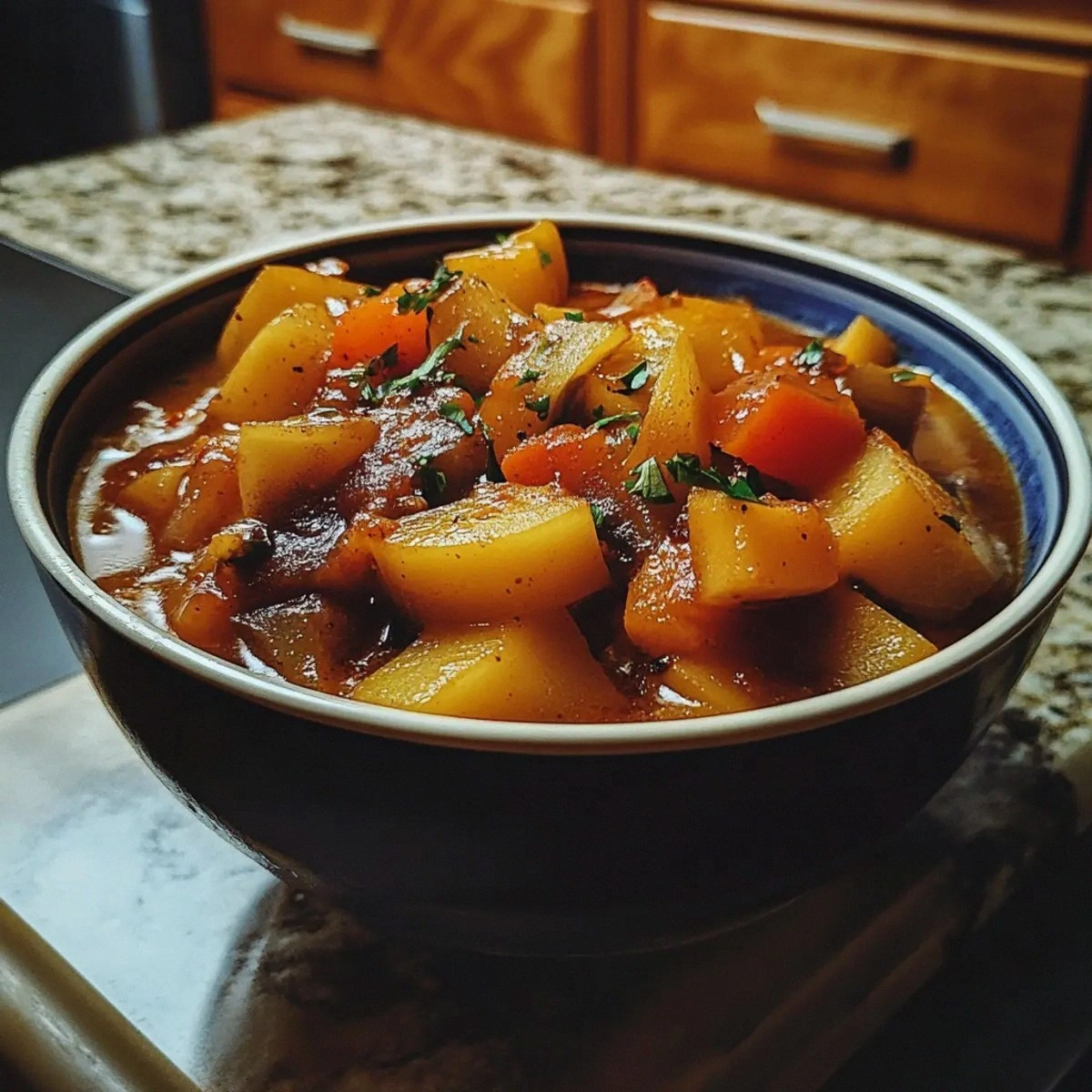
- Serve the stew hot, ladled into bowls, and garnish with a few extra parsley leaves if desired. Pair it with crusty bread or a light salad for a complete meal. This dish is perfect for a cozy evening or a hearty brunch.
That’s it — you did it. But hold on, I've got a few more tricks that'll take this to another level...
Insider Tricks for Flawless Results
The Temperature Rule Nobody Follows
While many people default to the “high” setting for speed, the low setting actually produces a more tender, flavorful stew. The gentle heat allows the root vegetables to release their natural sugars slowly, creating a richer, sweeter broth. If you’re in a hurry, a 2‑hour high setting will work, but the low setting is the gold standard for texture and taste.
Why Your Nose Knows Best
Smell the stew as it cooks; a subtle, toasty aroma is a sign that the vegetables are developing flavor. If it smells too raw, give it a few more minutes. The aroma will intensify and indicate that the broth is thickening and the herbs are infusing. Trust your nose as a reliable guide to doneness.
The 5‑Minute Rest That Changes Everything
Once the slow cooker reaches the desired tenderness, let the stew rest for five minutes before serving. This brief pause allows the flavors to settle, resulting in a more cohesive taste. The rest also lets the broth thicken slightly, giving each spoonful a richer mouthfeel.
Use a Lid That Seals
A tight‑sealing lid keeps steam trapped inside, ensuring even cooking and preventing the stew from drying out. If your slow cooker lid is loose, consider using a silicone ring or a small towel to create a better seal. This small adjustment can make a noticeable difference in the stew’s final consistency.
Add a Splash of Water Before Reheating
When reheating leftovers, add a splash of water or broth to the pot to prevent the stew from becoming too thick or dry. This simple trick restores the original silky texture and keeps the stew from sticking to the pot. Stir well and heat gently to preserve the flavors.
Use Fresh Herbs for the Final Touch
Fresh herbs brighten the stew’s flavor profile and add a pop of color. If you’re using dried herbs, reduce the quantity by half to avoid bitterness. Fresh parsley, basil, or cilantro can be added at the end for a vibrant finish.
Creative Twists and Variations
This recipe is a playground. Here are some of my favorite ways to switch things up:
Sweet Potato & Beet Fusion
Swap out the carrots and parsnips for diced sweet potatoes and beets. The natural sweetness of the sweet potato pairs beautifully with the earthy beet, creating a color‑rich stew. Add a pinch of smoked paprika for a subtle smoky undertone that complements the sweet flavors.
Mediterranean Medley
Replace the bay leaves with a pinch of oregano and add a handful of olives for a Mediterranean twist. Toss in a splash of white wine for depth and finish with chopped mint. This version is perfect for a sunny, brunch‑style gathering.
Spicy Chili Root
Add a diced jalapeño or a dash of cayenne pepper to the stew for heat. The spice balances the sweetness of the root vegetables and adds a lively kick. Serve with a dollop of Greek yogurt to mellow the heat.
Herb‑Infused Creamy Variant
Stir in a splash of coconut milk or heavy cream toward the end of cooking for a velvety texture. Add chopped dill and chives for a fresh, bright flavor. This creamy version is ideal for a comforting, winter‑time meal.
Vegan Protein Boost
Add a can of chickpeas or a handful of lentils for extra protein. The legumes absorb the broth’s flavors and add a hearty bite. This variation turns the stew into a complete, plant‑based main course.
Crispy Root Topper
Before serving, top the stew with a handful of roasted root vegetable cubes or a sprinkle of toasted nuts. The crunch adds a delightful contrast to the soft interior. It’s a simple way to elevate the dish’s presentation and texture.
Storing and Bringing It Back to Life
Fridge Storage
Transfer the stew to an airtight container and store in the refrigerator for up to five days. The flavors continue to develop, so the stew often tastes even better the next day. When ready to serve, reheat gently on the stove or in the microwave, stirring occasionally.
Freezer Friendly
For longer storage, portion the stew into freezer‑safe containers or zip‑lock bags and freeze for up to three months. Label with the date for easy tracking. When reheating, thaw overnight in the refrigerator, then warm on the stove with a splash of water to restore moisture.
Best Reheating Method
The ideal reheating method is to simmer the stew on low heat, adding a small splash of water or broth to keep it from drying out. Stir occasionally to ensure even heating. When the stew reaches a gentle simmer, it’s ready to serve. This technique preserves the stew’s texture and flavor, making it feel fresh and new.