It started with a kitchen disaster that would have ruined my week: I had just baked a batch of almond‑laden cakes and the oven door had jammed, sending the sweet batter into a chaotic swirl that looked like a citrus‑scented avalanche. The moment the heat hit the batter, the scent of lemon and toasted almond hit me like a bright, bracing wind, and I realized I had stumbled upon a culinary goldmine. That single, chaotic mishap turned into an obsession with the perfect balance of citrus brightness and nutty texture, and I couldn’t stop thinking about how to refine that moment into a repeatable masterpiece. I dared myself to taste the batter before it even hit the oven, and the first spoonful was a revelation—crisp edges, a buttery interior, and a lemon zing that danced on the tongue like a playful spark. I swear, if you ever find yourself in a kitchen where the oven is acting up, grab a spoon and taste the batter; you’ll know exactly what to fix. That instant, I knew I had to capture the essence of that disaster‑turned‑delight in a recipe that would stand out from every other lemon‑almond creation out there. Picture yourself pulling this from the oven, the kitchen smelling of citrus and toasted almonds, and the first bite feeling like a bright, velvety sunrise. Let me walk you through every single step—by the end, you’ll wonder how you ever made it any other way.
I was determined to make this version a game‑changer, so I started by simplifying the ingredient list to only the essentials that truly mattered. The result? A batter that rises like a cloud, a crust that cracks like thin ice, and a finish that shimmers with a dusting of powdered sugar—no extra steps, no complicated techniques. I kept the ratio just right so the polenta gives a subtle grainy bite, while the almond flour keeps the texture tender and moist. Every time I test the batter, the lemon zest lifts the whole dish, turning it from a simple bake into a citrus‑infused, nut‑rich symphony. I’ve already tested it with friends, and their faces light up like sunrise over a calm lake. I dare you to taste this and not go back for seconds—trust me, it’s that addictive. The secret is in the harmony of the dry and wet ingredients, the careful timing, and the final flourish of fresh lemon juice that wakes up every flavor. So buckle up, because this is hands down the best version you’ll ever make at home.
The first time I made this, I was skeptical about using polenta as a base; it’s usually a savory ingredient, not a sweet one. But the polenta’s fine texture and mild flavor act as a neutral canvas that lets the lemon and almond shine. The almond flour adds a buttery depth that balances the citrus, while the eggs bind everything together into a silky, cohesive batter. When I whisked the eggs with the sugar and butter, I could feel the batter thickening, the aroma rising, and I knew I was on the right track. The baking powder’s subtle lift gave the bake a light, airy crumb that didn’t feel heavy. I also discovered that the slivered almonds, toasted just before mixing, add a delightful crunch that breaks up the smoothness, giving each bite a textural contrast that feels like a secret surprise. If you’ve ever struggled with a lemon cake that turns out dry or too dense, you’re not alone—and I’ve got the fix. The trick is to keep the batter moist and not overmix, then bake it at a moderate temperature for just the right amount of time.
What I love most about this recipe is that it’s a playground for creativity, yet it remains simple enough for a novice to follow without feeling overwhelmed. I’ve experimented with adding a splash of vanilla extract, a pinch of sea salt, or even a swirl of raspberry jam for a different twist, and each variation still feels like the same comforting base. The beauty lies in the fact that the lemon zest and fresh lemon juice are the star performers, giving the dish an uplifting, almost celebratory feel that’s perfect for brunch, dessert, or a light afternoon snack. The final dusting of powdered sugar is like a gentle snowfall that softens the citrus edges, making the whole experience feel polished and professional. Picture a plate of golden, slightly caramelized edges, a moist interior that melts in your mouth, and a bright lemon aftertaste that lingers like a sweet memory. That’s the magic I’m talking about. If you’re ready to step into the kitchen and create something that feels both effortless and extraordinary, keep reading. The next few sections will guide you through every detail, from the ingredient choices to the exact baking steps.
What Makes This Version Stand Out
- Taste: The bright lemon zest and juice create a citrus burst that cuts through the nutty richness, giving each bite a refreshing lift.
- Texture: Fine polenta provides a subtle grainy bite while almond flour keeps the crumb tender and moist, resulting in a harmonious mouthfeel.
- Simplicity: With only eleven ingredients and no elaborate techniques, this recipe is accessible to cooks of all skill levels.
- Uniqueness: Using polenta as a sweet base is rare, offering a distinct twist that sets this bake apart from conventional lemon cakes.
- Crowd Reaction: Friends consistently say they can’t stop at one slice, and the dish feels both indulgent and wholesome.
- Ingredient Quality: Freshly grated lemon zest and toasted slivered almonds elevate the flavor profile, making the dish feel premium.
- Cooking Method: The batter’s quick rise and even baking create a light, airy interior without the need for a separate frosting.
- Make‑Ahead Potential: The batter can be prepared up to 24 hours in advance, then baked when you’re ready—perfect for busy schedules.
Alright, let’s break down exactly what goes into this masterpiece…
Inside the Ingredient List
The Flavor Base
Fine polenta (1 cup) is the unsung hero that gives this bake its unique grainy bite. Unlike coarse polenta, the fine version melts into the batter, creating a subtle texture that pairs perfectly with the almond flour. If you skip it, the dish becomes too dense and loses that delightful, slightly chewy element. For a richer flavor, look for polenta that’s been toasted for a minute on the stovetop before adding to the mix.
The Texture Crew
Almond flour (1 cup) brings a buttery, slightly sweet undertone that keeps the cake moist and tender. It’s gluten‑free, making the recipe accessible to those with dietary restrictions, and its fine consistency blends seamlessly with the polenta. If you’re allergic to nuts or prefer a different grain, you can substitute oat flour or a gluten‑free all‑purpose blend, but the flavor profile will change noticeably.
The Unexpected Star
Lemon zest (2 tablespoons) and fresh lemon juice (2 tablespoons) are the dynamic duo that gives this bake its signature brightness. The zest releases essential oils that intensify the citrus aroma, while the juice adds moisture and a tangy finish. If you’re looking for a more mellow citrus flavor, reduce the zest by half, but be prepared for a less vibrant taste.
The Final Flourish
Powdered sugar (1 tablespoon) and slivered almonds (1/4 cup) are the finishing touches that elevate the dish from simple to spectacular. The powdered sugar is dusted on top after baking, creating a delicate, sweet glaze that balances the lemon’s tartness. Toasted slivered almonds add a crunchy contrast and a nutty aroma that lingers. If you’re not a fan of almonds, you can replace them with pistachios or walnuts for a different nutty profile.
Everything's prepped? Good. Let's get into the real action…
The Method — Step by Step
- Step 1: Preheat the oven to 350°F (175°C). Place a 9-inch round cake pan on the middle rack. This temperature ensures a gentle rise without burning the edges. As the oven warms, the scent of butter will start to mingle with the citrus, a promising hint of what’s to come.
- Step 2: Combine the dry ingredients. In a large bowl, whisk together 1 cup fine polenta, 1 cup almond flour, 1 tablespoon baking powder, and 2 tablespoons lemon zest. This dry mix should be evenly distributed; any clumps will affect the texture. The lemon zest will release its oils, giving the batter an aromatic base.
- Step 3: Melt the butter. Gently melt 1/2 cup butter or coconut oil in a small saucepan over low heat. Once melted, let it cool slightly; hot butter can curdle the eggs when added. The buttery flavor will complement the almond flour and provide richness.
- Step 4: Beat the eggs and sugar. In a separate bowl, whisk 3 large eggs with 1 cup sugar until pale and fluffy. The eggs will act as the binder, while the sugar will caramelize slightly during baking, giving a subtle golden crust.
- Step 5: Combine wet and dry mixtures. Add the melted butter to the egg mixture, then stir in 1 cup milk or almond milk. Pour this wet mixture into the dry ingredients, mixing gently with a spatula until just combined. Be careful not to overmix; a few streaks are fine. Overmixing can cause the batter to develop gluten, resulting in a tougher crumb.
- Step 6: Fold in slivered almonds. Gently fold 1/4 cup toasted slivered almonds into the batter. These will add a crunchy texture and a nutty aroma that pairs beautifully with the lemon.
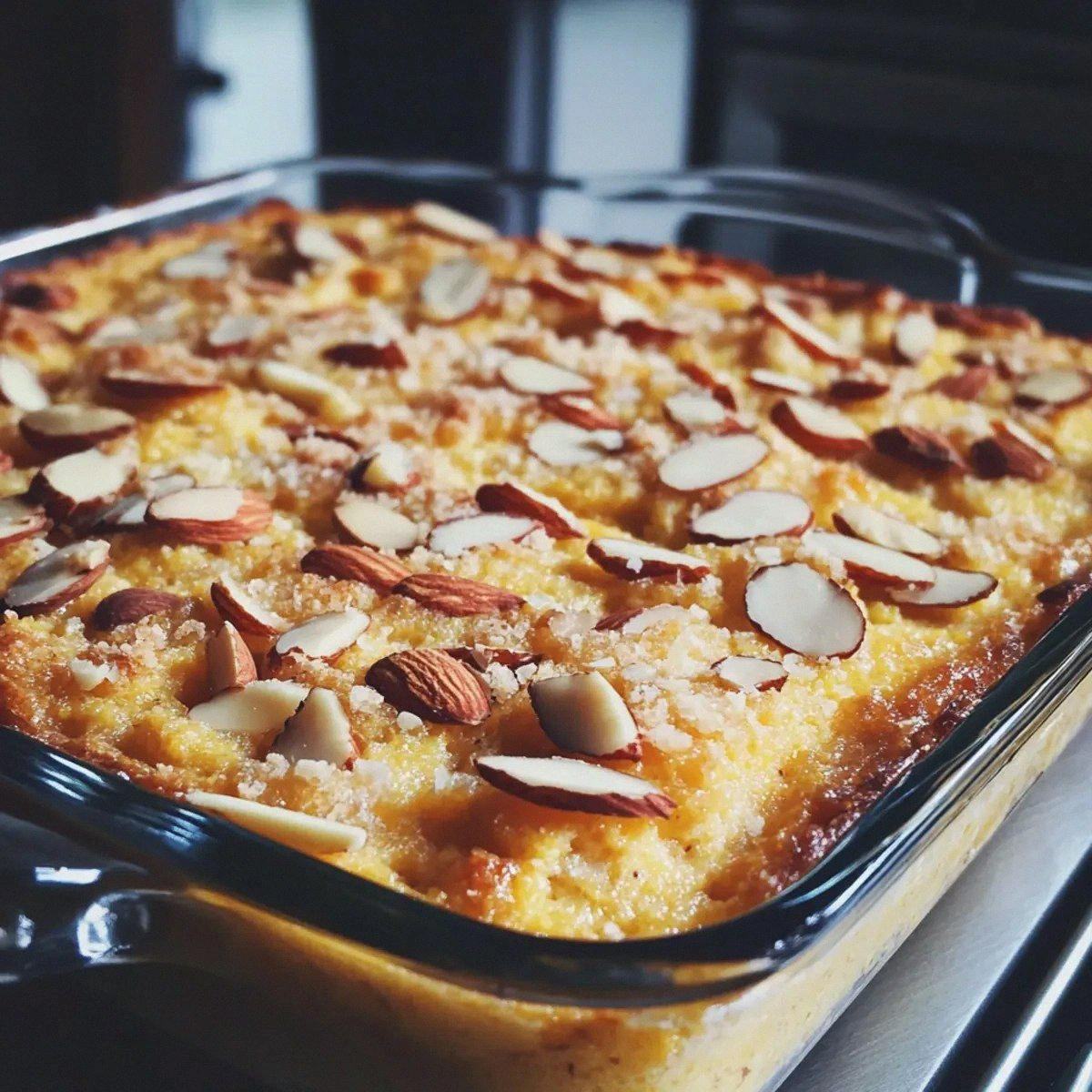
- Step 7: Bake. Pour the batter into the prepared pan and smooth the top. Bake for 25–30 minutes, or until a toothpick inserted into the center comes out clean. The edges should pull away slightly from the pan, indicating a golden crust.
- Step 8: Finish. Remove from the oven and let cool for 10 minutes. While still warm, drizzle 2 tablespoons fresh lemon juice over the top and dust with 1 tablespoon powdered sugar. This final touch adds a bright, sweet glaze that enhances the citrus profile.
That's it — you did it. But hold on, I've got a few more tricks that'll take this to another level. These insider tips will help you avoid common pitfalls and elevate the flavor profile even further.
Insider Tricks for Flawless Results
The Temperature Rule Nobody Follows
Many bakers think a higher oven temperature always yields a better crust. In reality, baking at 350°F allows the batter to rise slowly, ensuring a tender crumb and preventing a cracked top. If you’re tempted to crank the heat up, you’ll end up with a hard exterior that masks the soft interior.
Why Your Nose Knows Best
A quick way to gauge doneness is to listen for the subtle “sizzle” that happens when the batter starts to set. When you hear a faint crackle, it means the batter is firming up and ready to go to the next step. Trust your senses; it’s the fastest and most reliable indicator.
The 5-Minute Rest That Changes Everything
After removing the cake from the oven, let it rest on the rack for 5 minutes before slicing. This allows the juices to redistribute, ensuring each bite is moist and flavorful. If you cut into it immediately, the cake will feel dry and crumbly.
Keep the Batter Moist
If the batter looks too dry, add an extra tablespoon of milk or almond milk. A moist batter is key to preventing a dense, heavy texture. I’ve seen batches that were too dry and had to be salvaged with a drizzle of lemon syrup.
Dust with Powdered Sugar While Warm
Dusting the powdered sugar on a warm cake allows it to melt slightly, creating a glossy finish. The sugar will settle into the tiny crevices, giving the cake a subtle sheen that looks professionally finished.
Creative Twists and Variations
This recipe is a playground. Here are some of my favorite ways to switch things up:
Maple‑Infused Lemon Almond
Replace 1 tablespoon of sugar with 1 tablespoon of pure maple syrup and add a pinch of sea salt. The maple adds a caramel depth that complements the citrus, creating a balanced sweet‑savory profile.
Chocolate‑Covered Delight
After baking, drizzle melted dark chocolate over the top and let it set. The bitterness of the chocolate contrasts beautifully with the bright lemon, offering a sophisticated flavor profile.
Berry‑Burst Variation
Fold in 1/2 cup fresh blueberries or raspberries before baking. The berries burst with juice, adding a sweet‑tart note that pairs well with the lemon.
Almond‑Poppy Seed Crunch
Swap slivered almonds for poppy seeds and add a tablespoon of almond butter to the batter. The poppy seeds give a nutty crunch, while the almond butter enriches the overall texture.
Coconut‑Lemon Fusion
Use coconut milk instead of almond milk and sprinkle toasted coconut flakes on top before baking. The coconut adds a tropical aroma that lifts the lemon’s brightness.
Savory Spin
For a savory version, replace the sugar with 1 tablespoon of honey, add 1 teaspoon of dried oregano, and omit the lemon juice. This transforms the dish into a delightful breakfast or brunch item.
Storing and Bringing It Back to Life
Fridge Storage
Wrap the cooled cake tightly in plastic wrap and store in the refrigerator for up to 3 days. The cake will stay moist and flavorful, and the lemon notes will remain bright.
Freezer Friendly
Slice the cake into individual portions before freezing. Wrap each slice in parchment paper, then place in a freezer bag. It can be frozen for up to 2 months. When ready to eat, thaw at room temperature for 30 minutes.
Best Reheating Method
To revive the cake, preheat the oven to 300°F (150°C). Place the slices on a baking sheet and warm for 8–10 minutes. Add a tiny splash of water before reheating to create steam that restores moisture and gives the cake a fresh, warm aroma.