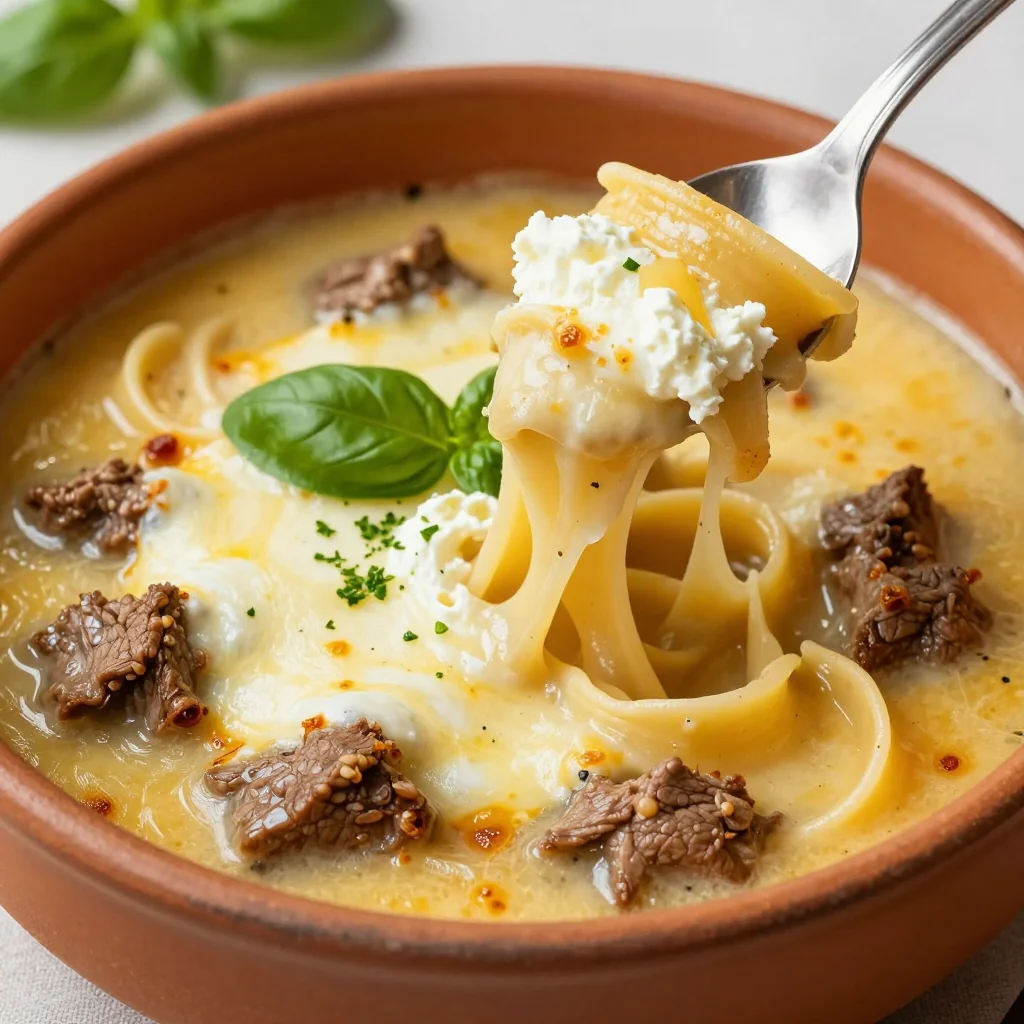
Love this? Pin it for later! 📌
What started as a desperate attempt to simplify our favorite Sunday dinner has evolved into the most-requested meal in our household. The aroma of Italian herbs mingling with garlic and tomatoes wafting through the kitchen immediately signals to my family that something special is brewing. Even my pickiest eater, who typically approaches anything "new" with suspicion, devoured three bowls the first night I made this soup.
The beauty of this recipe lies in its ability to capture all the elements we love about lasagna—the rich meat sauce, the creamy cheese layers, the tender pasta, and those aromatic Italian herbs—without any of the fuss. No boiling noodles separately, no carefully layering ingredients, no wondering if the center is cooked through. Just one pot, some simple ingredients, and about 45 minutes standing between you and a meal that tastes like you spent all day in the kitchen.
Perfect for busy weeknights, lazy Sundays, or when you're hosting friends but don't want to be stuck in the kitchen, this lasagna soup has become my secret weapon for feeding a crowd. It's hearty enough to satisfy the biggest appetites, yet sophisticated enough to serve at a casual dinner party. Plus, the leftovers (if you have any!) taste even better the next day as the flavors have time to meld together.
Why This Recipe Works
- One-Pot Wonder: Everything cooks together in a single pot, meaning fewer dishes and more flavor as the ingredients marry together.
- Quick Weeknight Solution: Ready in under 45 minutes, making it perfect for those busy evenings when you want comfort food without the wait.
- Family-Friendly Flavors: All the familiar tastes of lasagna in an approachable soup form that even picky eaters will love.
- Customizable to Preferences: Easily adaptable for different dietary needs or preferences without sacrificing flavor.
- Cheese Lovers' Dream: Three types of cheese create the perfect melty, creamy texture that makes every spoonful indulgent.
- Make-Ahead Magic: Tastes even better the next day and freezes beautifully for meal prep success.
- Nutritious Comfort Food: Packed with protein from meat and cheese, plus vitamins from tomatoes and herbs.
Ingredients You'll Need
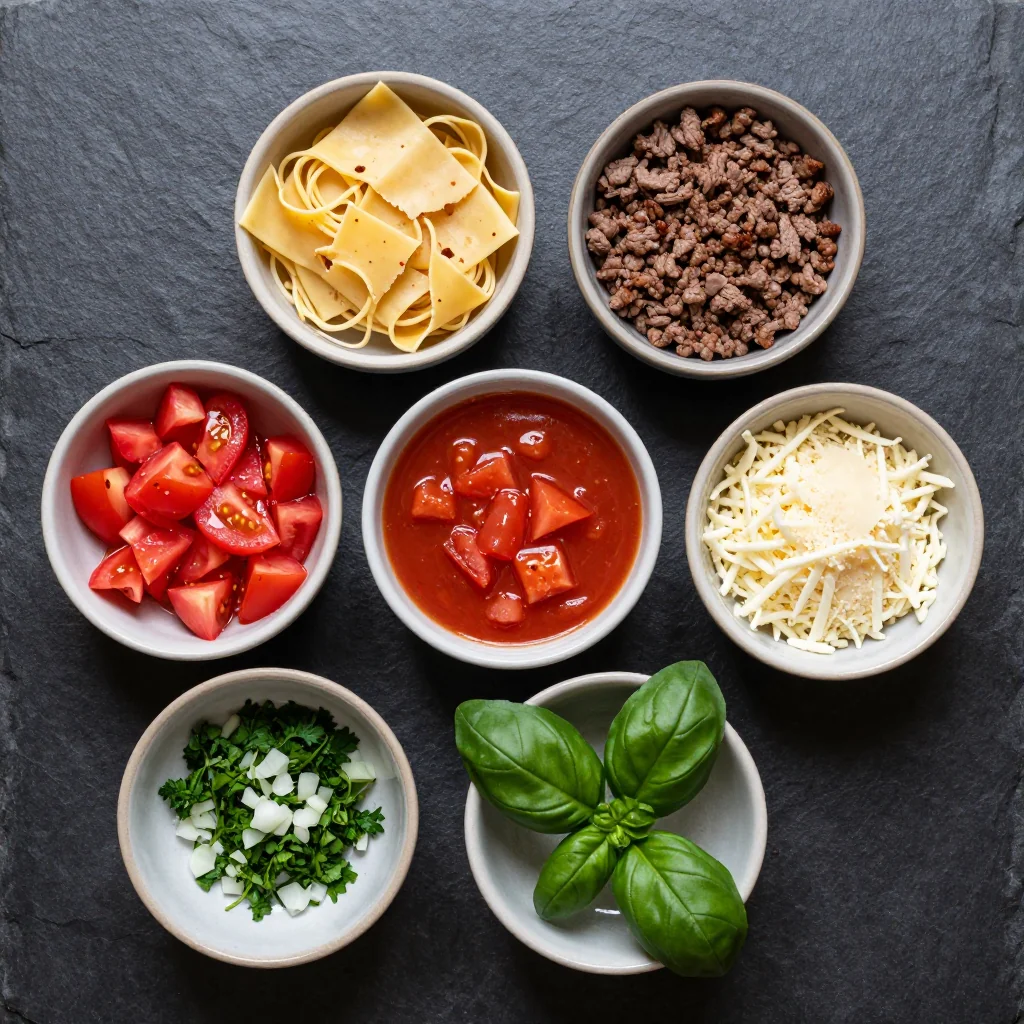
The success of this lasagna soup lies in the quality of its ingredients. Each component plays a crucial role in building layers of flavor that will transport you straight to an Italian grandmother's kitchen. Let's break down what you'll need and why each ingredient matters.
Ground Beef (1 pound) - I prefer using 85/15 ground beef for the perfect balance of flavor without being too greasy. The fat content adds richness to the broth, but if you prefer leaner options, 90/10 works well too. For an even deeper flavor profile, try using half ground beef and half Italian sausage. The sausage adds those wonderful fennel notes that complement the other seasonings beautifully.
Onion (1 large, diced) - Yellow onions are my go-to for this recipe because they become sweet and mellow as they cook. Dice them small so they melt into the soup base. If you're cooking for onion-haters, you can substitute with shallots for a more delicate flavor or even use onion powder in a pinch.
Garlic (4 cloves, minced) - Fresh garlic is non-negotiable here. It provides that aromatic backbone that makes the soup taste like it's been simmering all day. I like to use a microplane to grate the garlic directly into the pot, which helps it distribute evenly throughout the soup.
Crushed Tomatoes (28-ounce can) - San Marzano tomatoes are worth the splurge if you can find them. They have a naturally sweet, less acidic flavor that creates a beautifully balanced broth. If using regular crushed tomatoes, you might want to add a teaspoon of sugar to balance any tartness.
Chicken Broth (4 cups) - While you might expect beef broth in a meat-based soup, chicken broth provides a cleaner flavor that doesn't compete with the other ingredients. Choose low-sodium broth so you can control the salt level. Homemade is always best, but a good quality store-bought version works perfectly.
Lasagna Noodles (8-10 sheets) - Traditional lasagna noodles broken into bite-sized pieces work wonderfully, but mafalda pasta (those cute little ruffled-edge squares) is even better if you can find them. They hold their shape well and capture the perfect amount of broth. Regular pasta shells or broken spaghetti work in a pinch.
Ricotta Cheese (1½ cups) - Whole milk ricotta creates the creamiest texture. If your ricotta seems watery, drain it in a fine-mesh sieve for 30 minutes before using. Part-skim works if you're watching calories, but the full-fat version truly makes this soup special.
Mozzarella Cheese (2 cups, shredded) - Fresh mozzarella that's been shredded yourself melts more smoothly than the pre-shredded variety. If using pre-shredded, add it gradually to prevent clumping. The low-moisture variety works better than fresh mozzarella in this application.
Parmesan Cheese (½ cup, freshly grated) - Never use the powdered stuff from the green can. Freshly grated Parmesan adds that umami depth that makes the soup taste like it's been simmering for hours. Grate it yourself using the fine side of a box grater.
Italian Seasoning (2 teaspoons) - A good quality Italian seasoning blend saves time, but you can create your own mix using equal parts dried basil, oregano, thyme, and rosemary. Fresh herbs work too—just triple the amount since dried herbs are more concentrated.
Red Pepper Flakes (¼ teaspoon, optional) - This tiny amount adds warmth without making the soup spicy. For heat lovers, serve extra flakes on the side so everyone can customize their bowl.
Fresh Basil (½ cup, chiffonade) - Fresh basil added at the end brightens the entire dish. Don't skip this—it's what makes the soup taste fresh and vibrant. Save some for garnish too.
How to Make Easy Cheesy Lasagna Soup for a Family Favorite
Brown the Meat Foundation
Heat a heavy-bottomed Dutch oven or large soup pot over medium-high heat. Add the ground beef and cook, breaking it up with a wooden spoon into small, uniform pieces. Continue cooking until the meat is no longer pink, about 6-8 minutes. The key here is to let the meat develop a nice brown color—those caramelized bits (fond) stuck to the bottom of the pot are pure flavor gold. Don't rush this step; proper browning adds incredible depth to your final soup. Once browned, use a slotted spoon to transfer the meat to a plate, leaving about 2 tablespoons of fat in the pot. If your beef was very lean, you might need to add a tablespoon of olive oil.
Build the Aromatic Base
In the same pot with the reserved fat, add your diced onion and cook over medium heat until softened and translucent, about 4-5 minutes. The onions should be starting to turn golden around the edges but not brown. Add the minced garlic and cook for another minute, stirring constantly to prevent burning. Garlic can turn bitter quickly, so keep it moving in the pot. Now is the time to season with salt and pepper—about 1 teaspoon of salt and ½ teaspoon of black pepper. This early seasoning helps draw out moisture from the vegetables and builds flavor layers.
Create the Tomato Base
Return the browned beef to the pot along with any accumulated juices. Pour in the crushed tomatoes and chicken broth, stirring well to combine and scraping up all those flavorful browned bits from the bottom of the pot. These bits (called fond) contain concentrated flavor that will dissolve into your soup, adding incredible depth. Add the Italian seasoning, red pepper flakes (if using), and bring the mixture to a gentle simmer. Let it cook uncovered for about 10 minutes, allowing the flavors to meld together. The soup should be bubbling gently but not boiling vigorously.
Add the Pasta
Break your lasagna noodles into roughly 2-inch pieces. I find that breaking them over a bowl catches any small shards and makes cleanup easier. Add the broken pasta to the simmering soup and cook according to package directions minus 2 minutes. The pasta will continue cooking slightly after you add the cheese mixture, and you want it al dente, not mushy. Stir occasionally to prevent the noodles from sticking together or to the bottom of the pot. If the soup seems too thick during this stage, add a bit more broth or water—it should be spoon-able but not stew-like.
Prepare the Cheese Mixture
While the pasta cooks, prepare the cheese mixture that makes this soup truly special. In a medium bowl, combine the ricotta, half of the mozzarella (1 cup), half of the Parmesan (¼ cup), and the fresh basil. Season with a pinch of salt and pepper. The key here is to have the cheese at room temperature for the smoothest texture. If your ricotta seems grainy or watery, give it a quick whisk before adding the other ingredients. This cheese mixture will create those wonderful melty pockets throughout the soup that mimic the cheese layers in traditional lasagna.
Create the Cheesy Finish
Once the pasta is nearly al dente, reduce the heat to low. Now comes the crucial step that transforms this from a simple tomato soup to lasagna soup. Add the cheese mixture to the pot in large dollops, spacing them out across the surface. Let them sit for about 30 seconds without stirring—this prevents the cheese from breaking up too much and becoming grainy. Then, gently fold the cheese into the soup using a wooden spoon. You want to create ribbons of cheese throughout, not fully incorporate it into a homogenous mixture. The goal is to have some bites that are predominantly cheesy, mimicking the experience of eating lasagna.
Final Cheese Addition
Sprinkle the remaining mozzarella and Parmesan over the top of the soup. Cover the pot with a tight-fitting lid and let it sit for 2-3 minutes, just until the cheese melts. This creates that essential lasagna-like cheese pull experience. Resist the urge to stir at this point—the melted cheese on top is part of what makes this soup so special. If your soup seems too thick, you can thin it with a splash of broth, but remember that lasagna isn't supposed to be brothy, so err on the side of thicker rather than thinner.
Rest and Serve
Remove the pot from heat and let the soup rest for 5 minutes before serving. This brief rest allows the cheese to set slightly and prevents scalding hot cheese burns. Ladle into warm bowls, making sure each serving gets a good mix of pasta, meat, and those glorious cheese pulls. Garnish with additional fresh basil, a drizzle of good olive oil, and extra Parmesan if desired. Serve with crusty garlic bread for the ultimate comfort food experience. The soup will continue to thicken as it sits, so if you're planning to have leftovers, you might want to reserve some extra broth to thin it when reheating.
Expert Tips
Temperature Control
Keep the heat at a gentle simmer once you add the cheese. High heat can cause the cheese to separate and become grainy. If you see the soup starting to boil vigorously, immediately reduce the heat.
Pasta Cooking Water
Save a cup of the starchy pasta water before draining if you cooked the noodles separately. This water can help adjust the soup's consistency while adding extra body from the released starch.
Cheese Quality Matters
Splurge on good quality cheese, especially the Parmesan. Pre-grated Parmesan often contains cellulose which prevents smooth melting. Freshly grated cheese will give you that perfect melty texture.
Make-Ahead Strategy
Cook the base soup and pasta separately up to 2 days ahead. Combine and add cheese just before serving. This prevents the pasta from becoming mushy and the cheese from overcooking.
Flavor Enhancer
Add a Parmesan rind to the soup while it simmers. Remove it before serving. This old Italian trick adds incredible umami depth and richness to any tomato-based soup.
Soup Consistency
The soup will thicken considerably as it cools. Keep extra warm broth on hand when serving leftovers. Add a splash of broth when reheating to achieve the perfect consistency.
Variations to Try
Vegetarian Version
Replace the ground beef with 1 pound of cremini mushrooms, finely chopped and sautéed until golden. Add 1 can of white beans for protein. Use vegetable broth instead of chicken broth. The mushrooms provide that meaty umami flavor that makes this version equally satisfying.
Spicy Arrabbiata Style
Double the red pepper flakes and add 1 teaspoon of Calabrian chili paste for authentic Italian heat. Substitute half the mozzarella with smoked provolone for a deeper flavor. Finish with fresh parsley instead of basil for a different herb profile.
Turkey and Spinach
Use ground turkey breast instead of beef for a lighter version. Add 2 cups of fresh baby spinach during the last 2 minutes of cooking. The spinach wilts perfectly and adds nutrients. Season with a bit more salt since turkey is blander than beef.
Creamy White Version
Replace crushed tomatoes with 2 cups of heavy cream and 2 cups of chicken broth. Add 1 cup of grated fontina cheese to the cheese mixture. This creates a rich, Alfredo-like version that's incredibly indulgent and perfect for special occasions.
Storage Tips
Refrigeration Guidelines
Store leftover soup in an airtight container in the refrigerator for up to 4 days. The soup will thicken considerably as it cools, so when reheating, add broth or water to thin it to your desired consistency. For best results, store the soup base and any remaining cheese separately. The cheese can become grainy when reheated multiple times, so only reheat what you plan to serve.
For optimal food safety, cool the soup completely before refrigerating. Divide large batches into smaller containers to speed up cooling and prevent bacterial growth. The soup can be safely reheated to 165°F (74°C) multiple times, though the quality is best when reheated only once.
Freezing Instructions
This soup freezes beautifully for up to 3 months, but with one important caveat: freeze before adding the cheese mixture. The dairy can separate and become grainy when frozen and thawed. To freeze, prepare the soup through step 4 (adding pasta), then let it cool completely. Portion into freezer-safe containers, leaving 1 inch of headspace for expansion.
When ready to serve, thaw overnight in the refrigerator, then reheat gently on the stovetop. Once hot, proceed with the cheese addition steps. Frozen soup is best used within 2 months for optimal flavor, though it remains safe indefinitely if kept at 0°F (-18°C).
Make-Ahead Strategy
For the ultimate make-ahead meal, prepare the soup base and cook the pasta separately. Store both in the refrigerator for up to 2 days. When ready to serve, reheat the soup base until simmering, then add the cooked pasta and proceed with the cheese addition. This method prevents the pasta from becoming overcooked and ensures the freshest taste.
You can also prepare the cheese mixture up to 2 days ahead and store it in an airtight container. Let it come to room temperature before adding to the hot soup, as cold cheese straight from the refrigerator can lower the soup temperature too much.
Frequently Asked Questions
Yes, with some modifications! Brown the meat and sauté the aromatics on the stovetop first for the best flavor. Transfer to a slow cooker with the tomatoes, broth, and seasonings. Cook on low for 6-7 hours or high for 3-4 hours. Add broken lasagna noodles during the last 30 minutes of cooking. Stir in the cheese mixture just before serving, as dairy can curdle if cooked too long in the slow cooker. The texture will be slightly different but equally delicious.
For soup that's too thick, gradually add warm broth or water until you reach your desired consistency. Start with ¼ cup at a time, as it's easier to thin than to thicken. If your soup is too thin, you have several options: simmer uncovered for 10-15 minutes to reduce, add a cornstarch slurry (1 tablespoon cornstarch mixed with 2 tablespoons cold water), or simply add more cheese, which will naturally thicken the soup. Remember that the soup will thicken as it cools, so aim for slightly thinner than your target consistency when hot.
Absolutely! While lasagna noodles provide the most authentic experience, any short pasta works well. Mafalda (mini lasagna noodles) is perfect if you can find them. Other excellent options include farfalle (bowties), penne, rigatoni, or even broken spaghetti. Adjust cooking time according to package directions, testing for doneness frequently. Smaller pasta shapes will cook faster, while larger shapes might need extra time. The key is to avoid overcooking, as the pasta will continue to soften in the hot soup.
While you can't exactly replicate the cheese experience, you can create a delicious dairy-free version. Substitute the ricotta with 1½ cups of cashew cream (blend soaked cashews with water until smooth). Use your favorite dairy-free mozzarella shreds for the mozzarella, though be aware that they won't melt as smoothly. For the Parmesan, try nutritional yeast for umami flavor. The result will be different but still satisfying. You can also simply omit all dairy and finish with a drizzle of good olive oil and extra fresh herbs for brightness.
Several easy substitutions make this soup gluten-free. Replace regular lasagna noodles with gluten-free lasagna sheets or your favorite gluten-free short pasta. Be aware that gluten-free pasta often cooks faster and can become mushy, so add it during the last few minutes of cooking and serve immediately. Alternatively, you can cook the pasta separately and add it to individual bowls. All other ingredients in this recipe are naturally gluten-free, but always check labels, especially on chicken broth and Italian seasoning blends, as some brands add wheat as a filler.
Grainy or curdled cheese is usually caused by temperature shock or overheating. To prevent this, ensure your cheese is at room temperature before adding it to the soup. Lower the heat to the gentlest simmer before adding cheese, and never let the soup boil after adding dairy. Add the cheese gradually rather than all at once. If your cheese does become grainy, you can sometimes salvage it by removing the soup from heat and whisking vigorously, or by blending with an immersion blender to reincorporate the proteins. Using full-fat dairy products also helps prevent curdling.
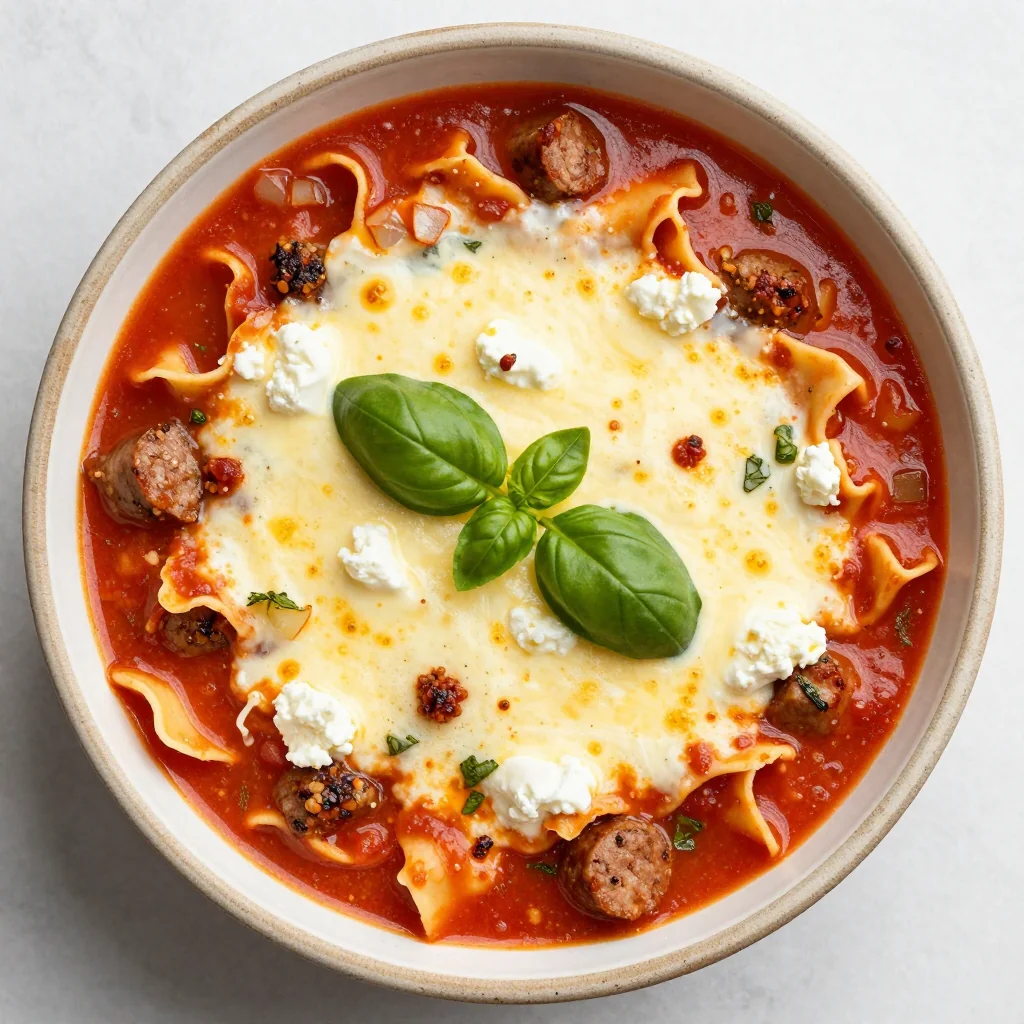
Easy Cheesy Lasagna Soup for a Family Favorite
Ingredients
Instructions
- Brown the beef: Heat a large pot over medium-high heat. Cook ground beef until no longer pink, about 6-8 minutes. Transfer to a plate, leaving 2 tablespoons fat in pot.
- Build the base: In the same pot, sauté onion until softened, 4-5 minutes. Add garlic and cook 1 minute more. Season with salt and pepper.
- Create the broth: Return beef to pot with tomatoes, broth, Italian seasoning, and red pepper flakes. Simmer 10 minutes for flavors to meld.
- Cook the pasta: Add broken lasagna noodles and cook according to package directions minus 2 minutes, until al dente.
- Make cheese mixture: Combine ricotta, 1 cup mozzarella, ¼ cup Parmesan, and basil in a bowl. Season with salt and pepper.
- Finish with cheese: Reduce heat to low. Add cheese mixture in dollops, let sit 30 seconds, then gently fold to create ribbons.
- Final touch: Top with remaining mozzarella and Parmesan. Cover 2-3 minutes until melted. Let rest 5 minutes before serving.
- Serve: Ladle into bowls, ensuring each serving gets pasta, meat, and cheese. Garnish with extra basil and Parmesan if desired.
Recipe Notes
For best results, use freshly grated Parmesan and mozzarella for smooth melting. The soup will thicken as it sits; thin with additional broth when reheating. Cheese mixture can be prepared up to 2 days ahead and stored in the refrigerator.