Picture this: you’re halfway through a chaotic week, the fridge is a gray wasteland, and your stomach is growling louder than a drum solo. I was staring at a single bag of baby bok choy, a lean flank steak, and a rainbow of garlic and ginger when a sudden craving hit—something bright, quick, and utterly comforting. That moment turned into a culinary experiment that ended up being the most satisfying stir‑fry I've ever made. I dare you to taste this and not go back for seconds; the flavors will hit like a well‑timed punch. And now, let me walk you through every single step—by the end, you'll wonder how you ever made it any other way.
The first time I tried this, I was juggling a sizzling wok, a timer, and the urge to over‑season. The aroma of garlic and ginger exploded like fireworks, and the bok choy's crispness was a whisper of green against the smoky steak. The moment the sauce brushed the vegetables, it turned the dish into a glossy, caramelized masterpiece that seemed to promise more than just a meal. I could hear the sizzle as the heat kissed the pan, a sound that says, “It’s happening.” The dish was so inviting that even the air seemed to hum with anticipation.
Most recipes get this completely wrong by over‑cooking the bok choy or using a bland sauce that feels like a shrug. What I discovered is that a quick flash of heat locks in the crunch, and a sauce that balances sweet, salty, and a hint of heat can elevate even the simplest cut of meat. I’ll be honest— I ate half the batch before anyone else got to try it. The result was a dish that was both humble and heroic, a testament to how a few bold choices can turn a routine dinner into a celebration.
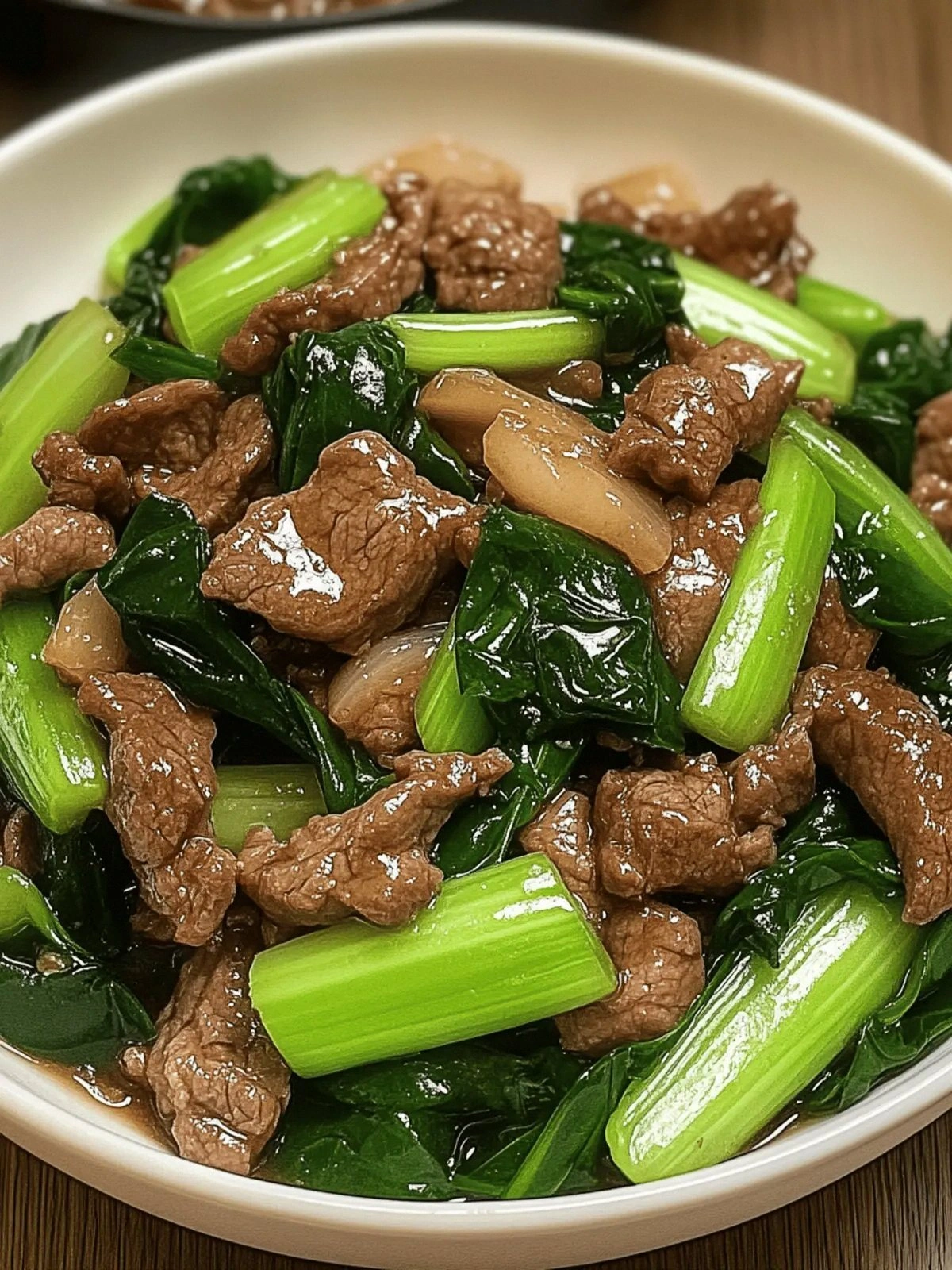
Picture yourself pulling this out of the wok, the whole kitchen smelling incredible, the steam curling like a fragrant cloud. The colors are a vibrant green and red that make your eyes dance, the texture ranges from silky sauce to crisp greens, and the taste is an orchestra of umami, spice, and subtle sweetness. This is hands down the best version you'll ever make at home, and I’m going to share every secret, from the right cut of steak to the exact timing that keeps everything crisp. Stay with me here—this is worth it.
What Makes This Version Stand Out
- Flavor: The sauce is a glossy, velvety blend of soy, hoisin, and a whisper of sriracha that coats every bite without overpowering the natural sweetness of the bok choy.
- Texture: The steak is sliced thin against the grain, allowing it to sear quickly and remain tender while the bok choy stays crisp yet tender.
- Speed: The entire dish comes together in under 30 minutes, making it perfect for a busy weekday when you crave something gourmet.
- Balance: Sweet, salty, spicy, and umami are all present in equal measure, creating a harmonious profile that satisfies every palate.
- Visual Appeal: The bright green of the bok choy, the deep red of the bell pepper, and the glossy sheen of the sauce make the plate a feast for the eyes.
- Flexibility: The recipe can be adapted for different proteins, from shrimp to tofu, making it a versatile base for countless variations.
Alright, let's break down exactly what goes into this masterpiece…
Inside the Ingredient List
The Flavor Base
Low‑sodium soy sauce provides the savory backbone of the sauce, offering a deep, salty note that balances the sweetness of hoisin. If you skip soy sauce, the dish loses its umami depth and feels flat. You can swap it for tamari for a gluten‑free option, but keep the saltiness in mind.
Rice vinegar adds a bright acidity that cuts through the richness of the steak and the richness of the sauce. Without it, the dish feels heavy and cloying. A splash of rice vinegar also brightens the color of the bok choy, making it look fresher.
Hoisin sauce brings a subtle sweetness and a thick, glossy texture that coats the vegetables and meat. If you can’t find hoisin, a mixture of soy sauce and a touch of honey or brown sugar can mimic its flavor profile, though the sauce will be slightly thinner.
Sriracha adds a gentle heat that lingers on the tongue. Too much sriracha can overpower the dish, so a single teaspoon is enough to give that kick without drowning the other flavors.
The Texture Crew
Lean flank steak is the star protein; its lean nature means it cooks quickly and stays tender when sliced thin. If you prefer a different cut, sirloin or ribeye will work, but adjust cooking times accordingly to avoid over‑cooking.
Baby bok choy offers a crisp stem and tender leaves that absorb the sauce beautifully. If you can’t find baby bok choy, regular bok choy works fine, but be sure to trim the tough stems before cooking.
Red bell pepper adds a sweet crunch and a pop of color. If you prefer a milder taste, substitute with green or yellow bell pepper; the flavor will shift slightly but remain delicious.
Garlic and fresh ginger provide a fragrant base that lifts the entire dish. Mince the garlic finely to release maximum flavor; if you’re a fan of heat, add a pinch of red pepper flakes.
The Unexpected Star
Sesame oil is a finishing touch that adds a nutty aroma and glossy sheen. Use it sparingly; too much sesame oil can dominate the dish. If you’re avoiding oil, a drizzle of toasted sesame seeds can provide a similar nutty flavor.
Cornstarch and water make the sauce silky and thick. If you’re avoiding cornstarch, arrowroot powder works as a substitute, but be sure to whisk it into the water to avoid lumps.
Sesame seeds add a subtle crunch and a nutty finish. Toast them lightly before adding to enhance their flavor and avoid a raw taste.
The Final Flourish
Green onions bring a fresh, oniony brightness that cuts through the richness of the sauce. Slice them thin to distribute the flavor evenly. If you’re allergic to onions, scallions or leeks can be a good alternative.
The combination of all these ingredients creates a dish that feels both simple and sophisticated. Each component has a purpose, and when they’re balanced, the result is a harmonious, mouth‑watering experience.
Everything's prepped? Good. Let's get into the real action…
The Method — Step by Step
- Heat a large wok or skillet over high heat until it begins to smoke lightly. Add the sesame oil and swirl to coat the surface. The pan should feel hot enough that a splash of water sizzles instantly. This step is crucial because a hot pan sears the steak quickly, locking in juices. Keep the heat high so the vegetables don’t steam.
- Add the sliced flank steak in a single layer, letting it sear without stirring for 30 seconds. Flip the pieces and sear the other side for another 30 seconds. The steak should develop a caramelized crust while remaining pink inside. This quick sear gives the dish its signature texture. Don’t overcrowd the pan; cook in batches if necessary.
- Remove the steak and set it aside on a plate. In the same pan, add the minced garlic and ginger, sautéing for 15–20 seconds until fragrant. The aromatics should release their oils and fill the kitchen with a warm, inviting scent. Stir constantly to avoid burning. This forms the flavor foundation of the dish.
- Add the sliced bell pepper and stir‑fry for 1 minute until it just starts to soften. The pepper should maintain a crisp bite; you want it to add color and a sweet pop. This step keeps the vegetables from becoming mushy. Keep the heat high to avoid steaming.
- Introduce the bok choy stems first, cooking for 30 seconds before adding the leaves. The stems need more time to soften, while the leaves should stay bright green. This staggered addition ensures even doneness. If you’re in a hurry, you can add them all at once, but the texture will differ.
- Return the seared steak to the pan, then pour in the soy sauce, rice vinegar, hoisin sauce, and sriracha. Toss everything together so the steak is coated in the glossy sauce. The sauce should thicken slightly, giving a silky coat to the ingredients. This is the moment of truth, where flavor converges.
- Whisk the cornstarch with the water to create a slurry, then pour it into the pan. Stir continuously until the sauce thickens to a glossy, clingy consistency. This thickening step ensures the sauce clings to each piece of meat and vegetable. Let it simmer for 1–2 minutes so the flavors meld.
- Finish with a drizzle of sesame oil, a sprinkle of toasted sesame seeds, and chopped green onions. Give everything a final toss, ensuring even distribution of the garnish. The sesame oil adds a nutty aroma, while the seeds provide a subtle crunch. The green onions give a fresh, sharp contrast.
- Serve immediately over steamed jasmine rice or fluffy quinoa. The hot sauce will steam the grains, creating a cohesive meal. If you prefer a lighter option, a side of sautéed greens will do the trick. The dish is best enjoyed fresh, as the flavors are most vibrant right away.
That's it — you did it. But hold on, I've got a few more tricks that'll take this to another level…
Insider Tricks for Flawless Results
The Temperature Rule Nobody Follows
Wok heat is the secret sauce. Too low and the steak will steam; too high and the sauce will burn. Aim for a temperature where the oil shimmers but doesn’t smoke excessively. A quick test is dropping a splash of water; if it dances, you’re at the right heat.
Why Your Nose Knows Best
Smell is a powerful guide. When the sauce starts to caramelize, you’ll notice a sweet, nutty aroma that signals the sauce is ready. Trust your nose to know when to add the cornstarch slurry. If you’re unsure, wait a few seconds longer; the sauce will not over‑thicken if you add it a bit late.
The 5-Minute Rest That Changes Everything
Let the dish rest for 5 minutes after cooking. The rest allows the flavors to marry and the sauce to thicken further. During this time, the steak will finish cooking to the perfect medium-rare. This simple step ensures a juicy, tender result.
Keep the Veggies Crisp
If you like your bok choy extra crisp, add a splash of cold water at the very end and stir quickly. The water will create steam that keeps the greens crunchy while still allowing the sauce to coat them. This trick is especially useful on hot days.
The Right Cut of Steak
Flank steak is ideal because it’s lean and flavorful. However, if you prefer a marbled cut, sirloin will work too. Just remember to slice it thinly against the grain to maintain tenderness. A good steak is the foundation of a great stir‑fry.
The Secret to a Glossy Sauce
Finish the sauce with a teaspoon of toasted sesame oil and a sprinkle of sesame seeds. The oil adds shine and depth, while the seeds provide texture. This finishing touch elevates the dish from good to unforgettable.
Creative Twists and Variations
This recipe is a playground. Here are some of my favorite ways to switch things up:
Spicy Peanut Crunch
Swap hoisin for peanut butter and add a tablespoon of crushed peanuts. The peanut butter gives a nutty sweetness, while the peanuts add a satisfying crunch. Serve over rice noodles for an Asian‑fusion twist.
Miso‑Glazed Delight
Replace soy sauce with miso paste for a deeper umami flavor. Add a dash of mirin for sweetness. The miso glaze will coat the steak and bok choy in a rich, savory sauce.
Vegetarian Version
Use firm tofu instead of steak, searing it until golden before adding the vegetables. Add a splash of soy sauce and a drizzle of sriracha. The tofu absorbs the sauce beautifully, making a hearty vegetarian main.
Citrus Kick
Finish the dish with a squeeze of fresh lime juice and a sprinkle of chopped cilantro. The citrus brightens the sauce and adds a fresh, zesty note that lifts the dish.
Creamy Coconut Twist
Add half a cup of coconut milk after the sauce thickens. The coconut milk gives a silky, tropical flavor that pairs wonderfully with the bok choy. Use light coconut milk to keep the dish lighter.
Smoky Char
Add a pinch of smoked paprika to the sauce for a subtle smoky depth. The paprika complements the soy sauce and adds complexity. This variation is perfect for those who love a hint of char.
Storing and Bringing It Back to Life
Fridge Storage
Cool the dish to room temperature, then transfer it to an airtight container. Store in the refrigerator for up to 3 days. The sauce will thicken slightly, but a quick stir will restore its glossy texture.
Freezer Friendly
For longer storage, freeze the stir‑fry in a freezer‑safe container. It will keep well for up to 2 months. When ready to eat, thaw overnight in the fridge and reheat gently.
Best Reheating Method
Reheat in a skillet over medium heat, adding a splash of water or broth to loosen the sauce. Stir frequently until hot. A tiny splash of water before reheating steams the dish back to perfection and keeps the vegetables from drying out.