I was halfway through a late‑night ramen binge, the kitchen a mess of noodle strands, a half‑empty soy sauce bottle, and a stubborn tofu block that refused to stay whole. The tofu, pressed and sliced, was destined for the trash, but a sudden craving for something crisp and addictive hit me like a thunderclap. I remembered a street stall in Taipei that sold popcorn tofu—a tiny, bite‑size wonder that was a crunchy, savory cloud of flavor. That memory ignited a mission: to recreate that street‑food magic right in my own stove, and to make it so good that even my skeptical friends would beg for seconds.
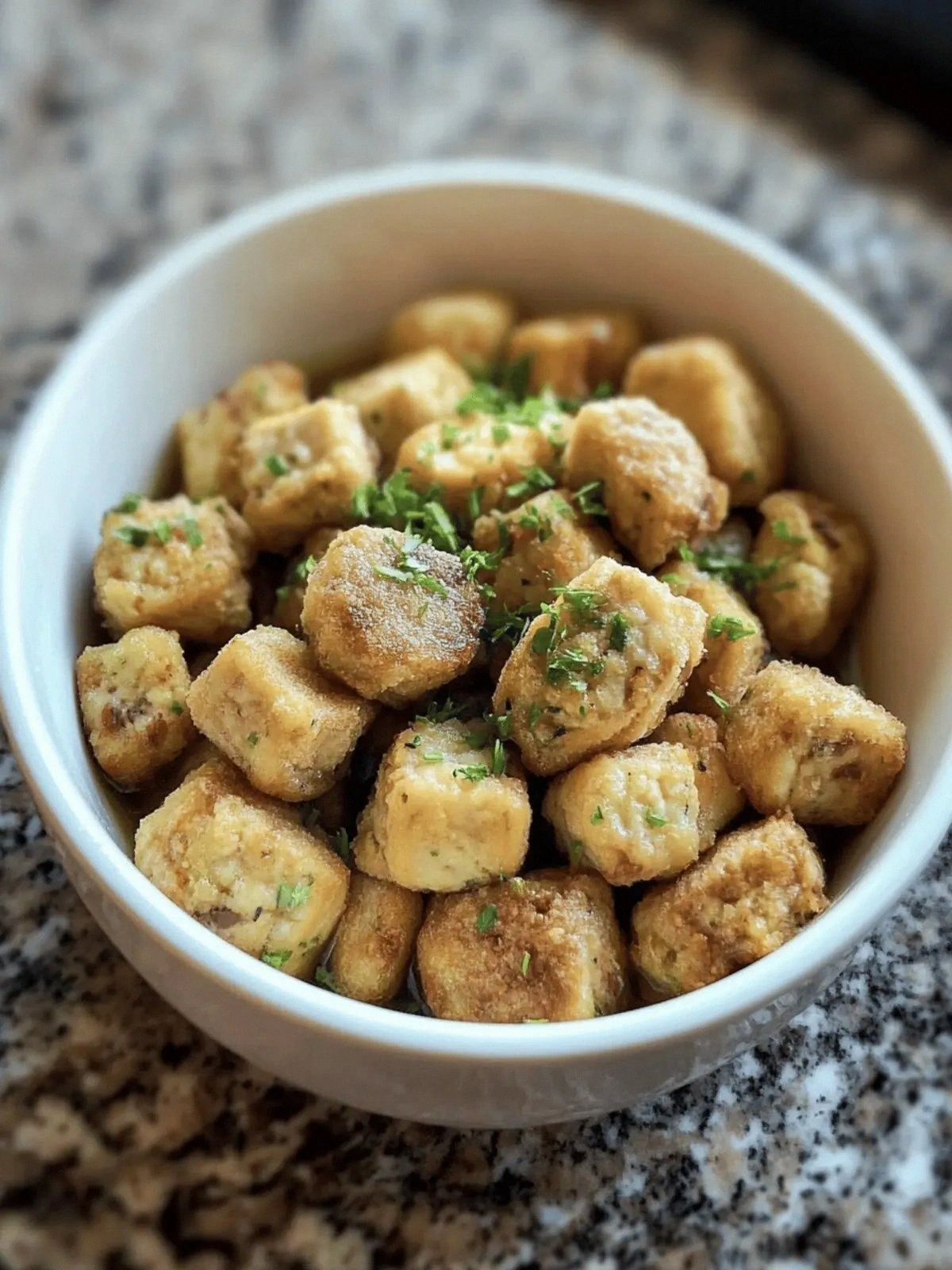
Picture this: a bright, sizzling pan, tofu cubes jumping with a satisfying crackle as they hit the hot oil, the aroma of toasted starch rising like a fragrant cloud. The sound is unmistakable—an audible promise of crunch. The first bite delivers a brittle shell that shatters like thin ice, revealing a pillowy interior that melts in your mouth. The savory sauce, a glossy sheen of soy and Shaoxing wine, coats each piece like velvet, while the five‑spice powder offers a warm, aromatic undertone that lingers on the tongue. And the final flourish? A handful of fresh Thai basil leaves, their bright green color popping against the golden tofu.
What makes this version stand out? It’s not just the crunch or the sauce, but the meticulous layering of textures and flavors that keep you coming back. I dare you to taste this and not go back for seconds. The first bite is a revelation, the second a confirmation, and the third… well, you’ll know when you’re done. This is hands down the best version you'll ever make at home, and it’s so simple that even a kitchen rookie can master it.
Most recipes get this completely wrong, either by over‑steeping the tofu, using the wrong starch, or skipping the crucial five‑spice element that gives the dish its unique character. I’ve experimented with dozens of variations, but the version I’m sharing here is the culmination of countless trials, each one a lesson that refined the final product. I’ll be honest—I ate half the batch before anyone else got to try it, and that’s a testament to how addictive this is.
Picture yourself pulling this out of the pan, the whole kitchen smelling incredible, the sound of the first bite echoing like applause. The tofu’s golden edges are crisp, the interior tender, and the sauce glistens like liquid gold. The basil adds a fresh, almost citrusy lift that cuts through the richness, creating a perfect balance of savory, sweet, and aromatic notes. You’ll feel like you’ve just discovered a secret recipe that belongs in a Michelin‑star kitchen, but it’s actually made in your own skillet.
If you've ever struggled with tofu that turns mushy or has a bland taste, you're not alone. I’ve spent years perfecting the technique that turns tofu into a crunchy, flavorful centerpiece. The key is the double‑starch coating and the right combination of seasonings that coat each piece and lock in moisture. And the best part? It’s vegan, so you can serve it to anyone, whether they’re plant‑based or just looking for a new favorite snack.
Okay, ready for the game‑changer? This next part? Pure magic. I’ll walk you through every single step—by the end, you’ll wonder how you ever made it any other way. You’ll learn how to press the tofu like a pro, how to create a crisp, airy coating, and how to finish it with a sauce that’s both simple and sophisticated. The result is a dish that’s as impressive to serve as it is delicious to eat.
Stay with me here—this is worth it. The technique is straightforward, but the flavor profile is complex enough to wow your guests. You’ll have the confidence to experiment with variations, knowing that the foundation is solid. And trust me, once you try this, you’ll never settle for bland tofu again.
I’ve poured my heart into this recipe, and I can’t wait to share every detail with you. From the moment the tofu hits the pan to the final garnish of basil, every step is designed to elevate the humble tofu into something unforgettable. Let’s dive in, and I promise you’ll feel like a culinary wizard by the end.
What Makes This Version Stand Out
- Texture: The double‑starch coating creates a light, airy crunch that melts in your mouth while maintaining a satisfying bite.
- Flavor: The combination of light soy, Shaoxing wine, and five‑spice powder delivers depth without overpowering the tofu.
- Visual Appeal: Golden, glossy cubes contrasted with fresh basil leaves make the dish look as good as it tastes.
- Ease of Prep: No pre‑marinated tofu needed; the seasoning is applied right before frying, saving time and effort.
- Make‑Ahead Potential: Once fried, the tofu can be reheated without losing crunch, making it ideal for meal prep.
- Vegan-Friendly: All ingredients are plant‑based, making this dish suitable for a wide range of dietary preferences.
- Scalability: The recipe scales perfectly from a single serving to a crowd‑pleasing batch without losing flavor.
- Authenticity: This version captures the street‑food essence of Taiwanese popcorn tofu while adding a modern twist.
Alright, let's break down exactly what goes into this masterpiece…
Inside the Ingredient List
The Flavor Base
Light soy sauce is the backbone of this sauce, providing a balanced umami punch that doesn’t overwhelm the tofu. It’s the kind of soy sauce that’s slightly sweet and not too salty, making it ideal for a quick stir‑fry. If you’re a fan of richer, more complex flavors, you can substitute it with tamari or coconut aminos, but keep the same volume to maintain the sauce’s consistency.
Shaoxing wine adds a subtle, nutty sweetness that is characteristic of many Chinese sauces. It also helps to tenderize the tofu slightly, creating a more harmonious blend of textures. If you can’t find Shaoxing wine, a dry sherry or a splash of rice wine will do the trick, though the flavor will be slightly different.
The Texture Crew
Corn starch and tapioca starch are the dynamic duo that gives popcorn tofu its signature crunch. Corn starch offers a light, crisp coating, while tapioca starch provides the chewy, slightly gummy interior that keeps the tofu from becoming too dry. The ratio of 2:1 between corn and tapioca is key; swapping them can drastically alter the final texture.
Extra firm tofu is the star ingredient. It’s dense enough to hold its shape during frying, yet moist enough to remain tender inside. When selecting tofu, look for a block with minimal water content and a firm texture. Avoid silken tofu, as it will fall apart under the heat.
The Unexpected Star
Five spice powder is the secret weapon that sets this dish apart. Its blend of star anise, cloves, cinnamon, Sichuan pepper, and fennel gives the tofu a warm, aromatic complexity that feels both exotic and comforting. If you’re allergic to any of these spices, you can create a custom blend, but the classic mix is hard to beat.
White pepper adds a subtle heat that’s more refined than black pepper. It offers a gentle bite that doesn’t dominate the palate. For a milder version, reduce the amount or replace it with black pepper, but remember that the balance of heat will shift.
The Final Flourish
Thai basil leaves bring a bright, slightly sweet flavor that cuts through the richness of the sauce. Their aroma is reminiscent of sweet basil but with a hint of anise, adding a fresh finish that lingers on the tongue. If you’re out of Thai basil, sweet basil or lemon basil can work, but the flavor profile will change subtly.
Seasoning to taste—five spice, white pepper, salt, paprika—allows you to tailor the dish to your personal preference. The paprika adds a smoky undertone, while the salt balances the sweetness of the soy sauce. The combination of these seasonings creates a harmonious, well‑rounded flavor.
Everything's prepped? Good. Let's get into the real action…
The Method — Step by Step
- Press the tofu: Slice the tofu into 1‑inch cubes and place them between two plates. Add a heavy object on top—like a skillet or a stack of books—and let it sit for at least 30 minutes. This step removes excess moisture, ensuring a crispier coating later on. Watch the tofu shrink slightly as it dries; that’s a good sign.
- Mix the starches: In a shallow bowl, combine 2 tablespoons of corn starch with 1 cup of tapioca starch. Stir until the mixture is evenly blended. The tapioca starch will give the tofu a chewy interior, while the corn starch forms the outer crisp shell. This ratio is key; altering it can change the texture dramatically.
- Season the tofu: In a separate bowl, whisk together 2 tablespoons of light soy sauce, 1 tablespoon of Shaoxing wine, 1 teaspoon of five‑spice powder, and ½ teaspoon of white pepper. Add a pinch of salt if desired. This mixture will be tossed with the tofu cubes after coating to infuse flavor from the inside out.
- Coat the tofu: Toss the pressed tofu cubes in the starch mixture until each piece is evenly coated. Shake off any excess starch. The coating should look like a fine dusting; this ensures that the tofu will fry up nicely without clumping.
- Heat the oil: Pour 2–3 tablespoons of neutral oil into a non‑stick skillet and heat over medium‑high. The oil should shimmer but not smoke. The temperature is critical; if the oil is too cool, the tofu will absorb oil and become soggy.
- Fry the tofu: Carefully add the coated tofu cubes to the skillet in a single layer, making sure they don’t touch. Fry for 3–4 minutes on each side until golden brown and crisp. Flip only once per side to keep the coating intact. The sound of the sizzling is a sign that the oil is at the right temperature.
- Drain excess oil: Once all the tofu is fried, transfer the cubes onto a paper towel-lined plate to absorb excess oil. This step keeps the tofu from becoming greasy and ensures a cleaner crunch.
- Finish the sauce: In a small saucepan, combine the soy sauce mixture with 1 tablespoon of water and a splash of sesame oil. Heat until the sauce thickens slightly, creating a glossy glaze. The sauce should coat the tofu without making it soggy.
- Combine tofu and sauce: Return the fried tofu cubes to the skillet or a serving bowl and pour the glaze over them. Toss gently to coat each piece evenly. The sauce should cling to the tofu like a glossy, aromatic film.
- Garnish and serve: Sprinkle fresh Thai basil leaves over the tofu and give it one final gentle toss. The basil adds a fresh, aromatic lift that balances the savory, slightly sweet sauce. Serve immediately while the tofu is still hot and crispy.
- Enjoy! The first bite should give you that satisfying crunch, followed by a burst of savory flavor and a hint of aromatic spice. The texture contrast between the crunchy exterior and the tender interior will leave you craving more.
That's it — you did it. But hold on, I've got a few more tricks that'll take this to another level…
Insider Tricks for Flawless Results
The Temperature Rule Nobody Follows
Temperature control is the secret to perfect crunch. Use a thermometer to keep the oil at 350°F (175°C). If you don’t have a thermometer, test the oil by dropping a single grain of starch into it; if it sizzles immediately and floats, you’re good. Maintaining a steady temperature ensures the tofu cooks evenly without absorbing excess oil.
Why Your Nose Knows Best
Smell the tofu as it fries. A warm, nutty aroma indicates that the starch coating is caramelizing correctly. If you notice a sharp, burnt scent, the oil is too hot. Trust your senses; the kitchen’s most reliable thermometer is your nose.
The 5‑Minute Rest That Changes Everything
After frying, let the tofu rest on a paper towel for exactly five minutes. This allows the steam to escape and the surface to dry out, locking in the crunch. A friend once skipped this step and the tofu came out soggy; it was a hard lesson in the importance of patience.
The Secret to a Glazing Sauce
When making the glaze, add a splash of water to thin it slightly. This prevents the sauce from becoming too thick and clinging to the tofu. A touch of sesame oil at the end adds a silky sheen and a subtle nutty aroma that elevates the dish.
The Right Starch Ratio
Many people use only corn starch, but that can result in a brittle, dry texture. Mixing in tapioca starch gives a chewy interior that balances the crispness. If you prefer an even crunch, increase the corn starch slightly, but be careful not to over‑coat.
The Final Toss
Toss the tofu gently after adding the glaze. Over‑tossing can break the coating, while under‑tossing leaves pockets of uncooked starch. Aim for a gentle swirl that coats each piece without disturbing the crisp edges.
Creative Twists and Variations
This recipe is a playground. Here are some of my favorite ways to switch things up:
Spicy Sriracha Drizzle
Replace the sesame oil in the glaze with a tablespoon of sriracha for a fiery kick. The heat pairs wonderfully with the aromatic five‑spice, creating a flavor profile that’s both spicy and savory. Serve with a side of cool cucumber slices to balance the heat.
Miso‑Infused Tofu
Add a teaspoon of white miso to the soy sauce mixture before frying. The miso adds depth and a subtle umami richness that complements the five‑spice. The result is a tofu that feels more complex and satisfying.
Citrus‑Lemon Twist
Squeeze a splash of fresh lime or lemon juice over the finished tofu. The acidity brightens the dish and cuts through the richness of the sauce. This variation is perfect for a summer gathering.
Coconut‑Rice Variation
Serve the tofu over jasmine rice infused with coconut milk. The creamy, fragrant rice provides a contrasting texture and a subtle sweetness that complements the savory tofu. This combo feels like a tropical escape in every bite.
Herb‑Infused Basil
Add a handful of fresh mint or cilantro to the garnish for a fresh, herbal layer. The mint offers a cooling effect, while cilantro adds a bright, slightly peppery note. This variation is ideal for a light, refreshing meal.
Sweet & Smoky Glaze
Stir in a teaspoon of smoked paprika and a drizzle of maple syrup into the glaze. The smoky sweetness creates a complex flavor that feels indulgent yet balanced. This version works well as a dessert‑savory hybrid.
Storing and Bringing It Back to Life
Fridge Storage
Place the cooled tofu in an airtight container and store in the refrigerator for up to 3 days. The tofu will keep its texture if you keep it dry. If you notice any moisture, pat it dry with a paper towel before reheating.
Freezer Friendly
For longer storage, freeze the tofu in a single layer on a parchment‑lined tray. Once solid, transfer to a freezer bag. The tofu can be frozen for up to 2 months. This method preserves the flavor and texture when reheated.
Best Reheating Method
To revive the crunch, heat a non‑stick skillet over medium heat and add a splash of oil. Place the tofu in the pan and let it sizzle for 2–3 minutes on each side. For extra crispness, sprinkle a pinch of cornstarch over the tofu before reheating. A tiny splash of water before reheating steams the tofu back to perfection without losing its crunch.