I was standing in my kitchen, staring at a pile of cauliflower florets that had been sitting in the fridge for days, wondering if I could ever salvage them into something appetizing. The last time I tried frying cauliflower, the batter clung like a bad rash and the final product was a soggy mess that made me question my culinary judgment. Then, a friend dared me to try a new recipe that promised a crispy, umami-packed crunch that would make my taste buds dance. I rolled up my sleeves, grabbed my skillet, and vowed to test the claim—because if there’s one thing I love, it’s turning a culinary flop into a crowd‑pleasing triumph.
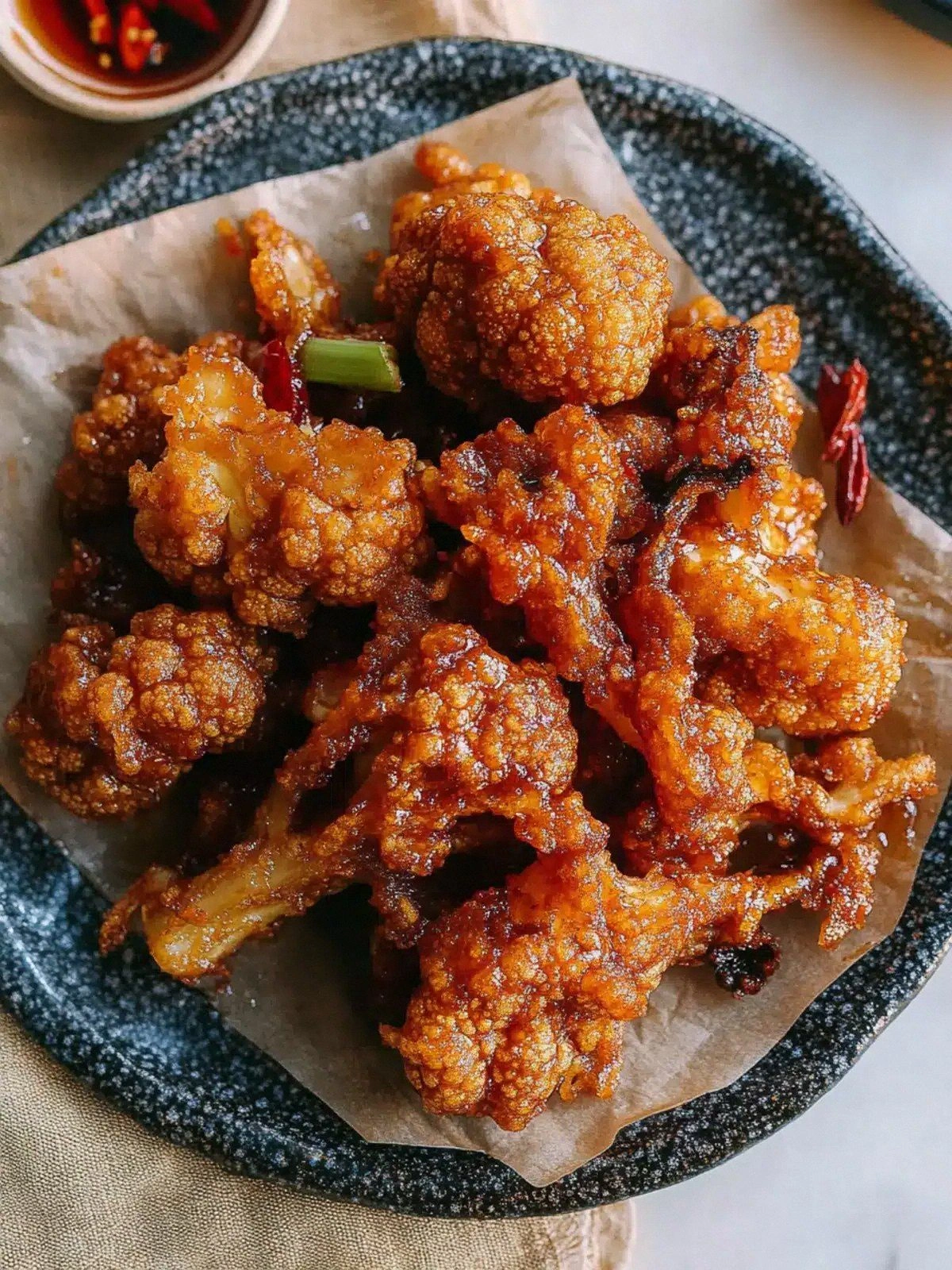
Picture this: the moment the cauliflower hits the hot oil, a chorus of sizzling whispers erupts, and the aroma of toasted batter mingles with the subtle sweetness of mirin and the sharp bite of gochujang. The batter, a light and airy mixture of potato starch and cake flour, hugs each floret like a silky glove, sealing in moisture while creating a golden crust that shatters with a satisfying crack as you bite into it. The sauce, a glossy blend of soy, sesame oil, and Dijon mustard, coats the crispy edges, turning each bite into a velvety, spicy kiss that lingers on the palate. It’s the kind of dish that makes you want to keep the skillet open and the timer running, because the second batch always tastes better.
What makes this version stand out is not just the crispness or the flavor; it’s the meticulous balance of textures, the thoughtful layering of sauces, and the clever use of pantry staples that elevate it from ordinary to extraordinary. I dare you to taste this and not go back for seconds—because once you’ve experienced the perfect marriage of crunch and umami, you’ll be hooked. This is hands down the best version you'll ever make at home, and I’m not exaggerating; it’s a culinary revelation that will have your friends asking for the recipe before you even finish the first plate.
If you've ever struggled with achieving that perfect crunch or ended up with a soggy batter, you're not alone—I've had my fair share of kitchen catastrophes. But here’s the secret: the combination of potato starch and cake flour creates a dry, airy base that crisps to perfection, while the quick-fry technique locks in moisture. Picture yourself pulling this out of the skillet, the whole kitchen smelling incredible, and watching the golden florets glisten like tiny jewels. Stay with me here—this is worth it, because the flavor and texture are so satisfying that you’ll want to reinvent the dish every time you make it.
What Makes This Version Stand Out
- Crunch Factor: The batter’s unique blend of potato starch and cake flour creates a light, airy coating that crisps to a golden perfection without becoming greasy.
- Umami Depth: The gochujang and soy sauce combo delivers a savory backbone that balances the sweetness of mirin and the tang of rice vinegar.
- Texture Harmony: The cauliflower remains tender inside while the exterior offers a satisfying snap that shatters like thin ice.
- Ingredient Simplicity: Every component can be found in a typical pantry, making this dish approachable for both novice cooks and seasoned chefs.
- Make‑Ahead Potential: The batter can be prepped in advance and frozen, so you can cook up a storm on a busy weeknight.
- Versatile Serving Options: Serve it as an appetizer, a side dish, or a main course topped with fresh greens for a wholesome meal.
Alright, let's break down exactly what goes into this masterpiece—because knowing the science behind each ingredient will help you master the technique every time.
Inside the Ingredient List
The Flavor Base
The sauce is the heart of this dish, combining the umami-rich soy sauce with the subtle sweetness of mirin and the sharp tang of rice vinegar. The gochujang adds a fiery kick, while the Dijon mustard injects a creamy depth that balances the heat. If you’re feeling adventurous, swap the mirin for a splash of sake or use a different type of vinegar for a unique twist. Remember, the sauce should coat the cauliflower like velvet, so don’t skimp on the soy; it’s the backbone of flavor.
The Texture Crew
The batter’s foundation is built on potato starch and cake flour, which are key to achieving that airy, crisp exterior. Potato starch absorbs excess moisture, preventing sogginess, while cake flour’s low protein content keeps the coating light. Baking soda and white pepper are added to the batter to create tiny pockets of lift and a subtle peppery bite. If you can’t find cake flour, all-purpose flour will work, but the texture won’t be as delicate.
The Unexpected Star
Canola or peanut oil is the secret to a clean, high-heat fry that doesn’t impart any flavor to the cauliflower. The small amount of sesame oil, on the other hand, infuses the batter with a nutty aroma that elevates the dish. If you’re oil-sensitive, you can use grapeseed or avocado oil, which also have high smoke points. The choice of oil may seem trivial, but it can dramatically change the final taste and texture.
The Final Flourish
The aromatics—shallot, garlic, and a splash of water—are sautéed in a separate pan to create a fragrant base that is then blended into the sauce. The light brown sugar adds a caramelized sweetness that balances the heat, while the sesame oil provides a subtle nutty finish. If you prefer a sweeter profile, increase the sugar by one tablespoon; if you like it spicier, add a pinch more gochujang. These finishing touches transform the dish from simple to sensational.
Everything's prepped? Good. Let's get into the real action, where the batter meets the heat and the cauliflower transforms into a crispy masterpiece.
The Method — Step by Step
- Begin by cutting the cauliflower into bite‑size florets, ensuring each piece is uniform to guarantee even cooking. Rinse them under cold water and pat dry with a clean towel—any moisture will cause the batter to sputter. Place the florets in a large bowl and set aside.
- In a separate bowl, whisk together the potato starch, cake flour, baking soda, salt, and white pepper until the mixture is smooth. The dry blend should feel like fine sand; it’s crucial that there are no lumps. This will be the foundation of your crisp batter.
- Add the water, sesame oil, and a pinch of canola oil to the dry mix, stirring until you achieve a thick, pourable batter. The consistency should be similar to pancake batter—thick enough to coat the florets but still fluid. Let it rest for 5 minutes; this resting period allows the starches to fully hydrate and the batter to rise slightly.
- Heat a generous amount of canola oil in a deep skillet over medium‑high heat until it reaches 350°F (175°C). Use a thermometer or drop a small amount of batter into the oil; if it sizzles and rises to the surface quickly, the oil is ready. If the oil is too hot, the batter will burn; if too cool, it will soak up oil.
- Dip each cauliflower floret into the batter, ensuring it’s fully coated, then carefully slide it into the hot oil. Do not overcrowd the pan; cook in batches to maintain the temperature. The florets should sizzle immediately and begin to puff up.
- Fry each batch for 3–4 minutes per side, turning once, until the coating turns a deep golden brown and the cauliflower inside is tender. The edges should crackle and pull away slightly, signaling crispness. Use a slotted spoon to remove them and let them drain on a paper towel-lined plate.
- While the cauliflower fries, prepare the sauce. In a small saucepan, combine soy sauce, mirin, rice vinegar, light brown sugar, gochujang, Dijon mustard, and a splash of water. Bring the mixture to a gentle simmer, whisking until the sugar dissolves and the sauce thickens slightly. The consistency should coat the back of a spoon.
- Sauté the minced garlic and finely chopped shallot in a tablespoon of oil until fragrant, then stir in the sauce. Let it simmer for 1–2 minutes to meld the flavors. The aroma should be intoxicating, hinting at the spicy, sweet, and savory notes that will follow.
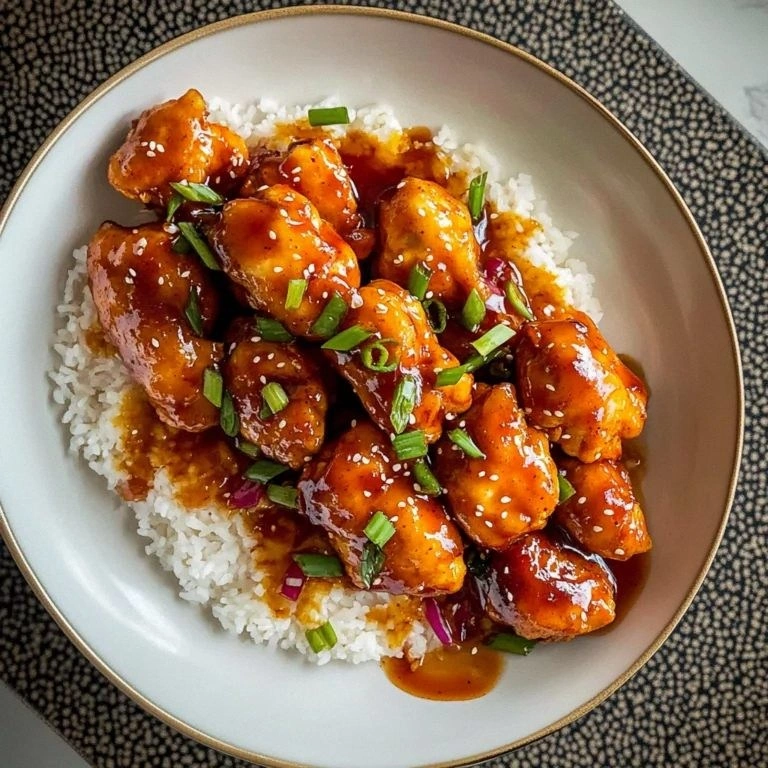
- Once all the cauliflower is fried, toss it in the sauce, ensuring each piece is coated evenly. The sauce should cling to the crispy coating, creating a glossy, flavorful finish. Sprinkle sesame seeds and chopped green onions on top for added texture and freshness.
- Serve immediately, hot and crispy, with a side of rice or a fresh salad if desired. The dish is at its peak when the batter is still crisp, so don’t wait too long before taking that first bite.
That's it — you did it. But hold on, I've got a few more tricks that'll take this to another level and ensure every bite is as perfect as the last.
Insider Tricks for Flawless Results
The Temperature Rule Nobody Follows
Oil temperature is the unsung hero of crisp frying. If the oil is too hot, the coating will burn before the cauliflower cooks inside; if it’s too cool, the batter will soak up oil and become soggy. Use a thermometer to keep the oil steady at 350°F (175°C). A quick test is to drop a small amount of batter into the oil; if it sizzles and rises to the surface within 10 seconds, you’re good. This small step saves you from a batch of fried cauliflower that feels like a soggy sponge.
Why Your Nose Knows Best
When you start frying, the aroma will change from the raw cauliflower smell to a sweet, toasted scent. That’s the cue that the coating is forming a golden crust. Trust your nose; if it smells like burnt oil, pull the cauliflower out immediately. A well‑cooked batch will have a nutty, caramelized aroma that’s irresistible.
The 5-Minute Rest That Changes Everything
After frying, let the cauliflower rest on a wire rack for 5 minutes instead of a paper towel. This allows steam to escape, preventing the surface from becoming soggy. The rest also lets the batter firm up slightly, making it easier to coat with sauce without breaking apart. I’ve seen people skip this step and end up with a mushy texture; don’t let that happen.
Use a Skimmer for Even Frying
A slotted spoon or a skimmer is essential for removing the cauliflower from hot oil. It ensures you don’t leave excess oil on the surface, which can cause the batter to become greasy. The skimmer also lets you flip the florets easily, ensuring even cooking on both sides. A quick flip at the right time means a crisp edge that doesn’t crumble.
Add a Splash of Water to the Sauce
When you’re simmering the sauce, add a tablespoon of water to keep the mixture from thickening too quickly. The water helps the sauce coat the cauliflower without becoming overly sticky. It also balances the sweetness of the mirin and sugar, creating a more harmonious flavor profile.
Creative Twists and Variations
This recipe is a playground. Here are some of my favorite ways to switch things up:
Spicy Sriracha Drizzle
Swap the gochujang for a mixture of sriracha and honey, then drizzle it over the fried cauliflower for a sweet‑spicy kick. This variation is perfect for those who love a little heat without the depth of Korean chili paste.
Garlic Parmesan Crunch
Add grated Parmesan cheese to the batter and sprinkle garlic powder over the finished dish. The cheese melts slightly, creating a savory crust that pairs wonderfully with the crisp cauliflower.
Coconut‑Infused Batter
Replace half the water in the batter with coconut milk and add a pinch of curry powder. The result is a subtly sweet, tropical flavor that transports you to a beachside kitchen.
Lemon‑Herb Finish
Finish the dish with a squeeze of fresh lemon juice and a handful of chopped parsley. The acidity brightens the dish, cutting through the richness of the batter and sauce.
Vegan Version
Use a plant‑based soy sauce and replace the Dijon mustard with a vegan version. The result is a completely vegan dish that still delivers the same bold flavors.
Make It a Bowl
Serve the crispy cauliflower over a bed of fluffy jasmine rice, topped with steamed broccoli and a drizzle of sesame oil. This transforms the dish into a satisfying, balanced meal.
Storing and Bringing It Back to Life
Fridge Storage
Store the fried cauliflower in an airtight container in the refrigerator for up to 3 days. Keep the batter separate if you plan to re‑batter the florets later. The crispy texture may soften slightly over time, so consider reheating before serving.
Freezer Friendly
For longer storage, freeze the cauliflower in a single layer on a parchment‑lined tray, then transfer to a freezer bag. It will keep for up to 2 months. When you’re ready, thaw overnight in the fridge and re‑fry for a few minutes to regain crispness.
Best Reheating Method
Reheat in a hot skillet over medium heat until the coating is crisp again. For a quick fix, add a splash of water to the pan and cover for 1 minute; the steam will help restore moisture without making the batter soggy.