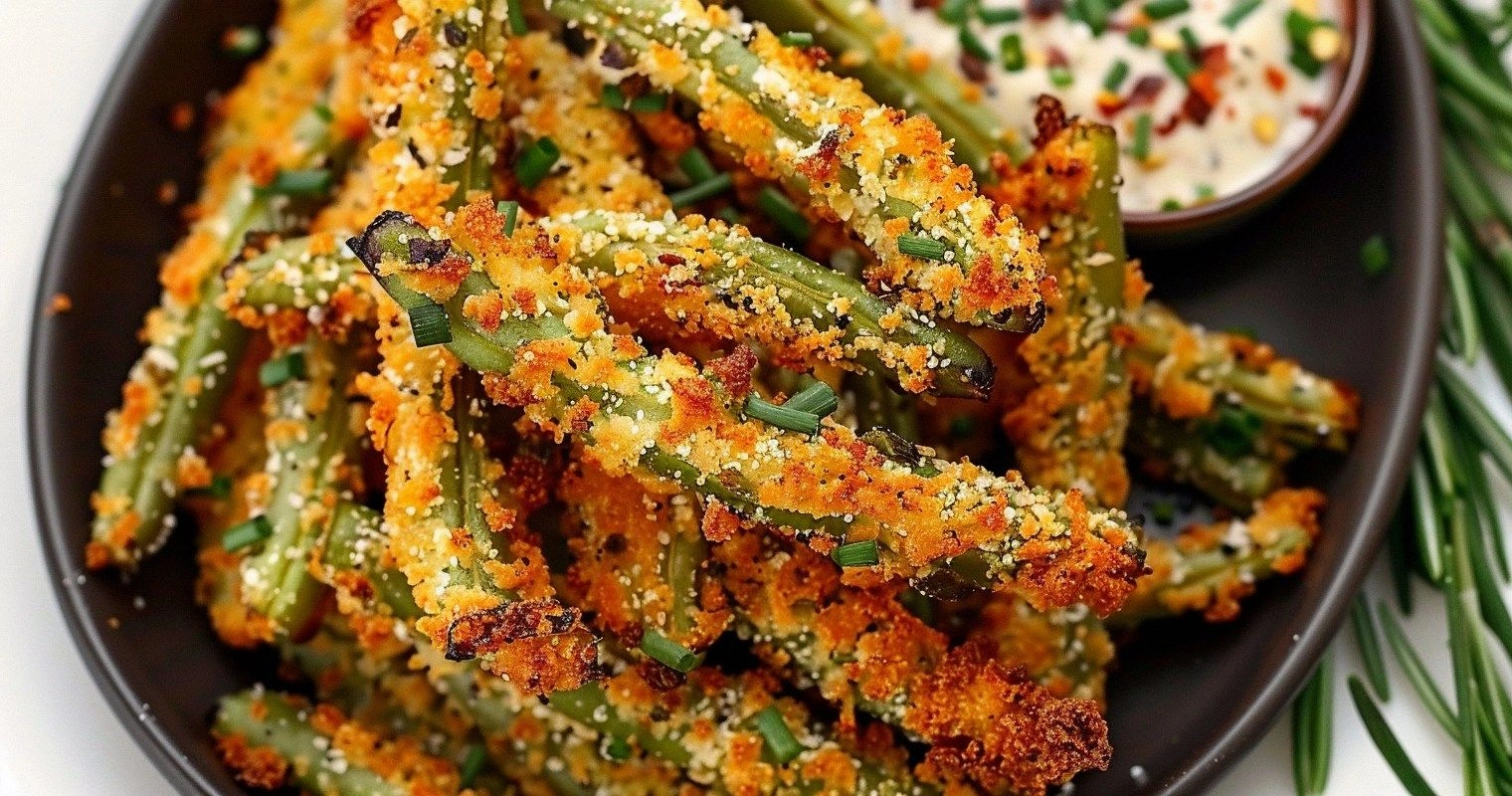
I still remember the day I swore off deep-frying forever. My kitchen looked like a crime scene—oil splatters on the ceiling, the smoke alarm screaming, and a tray of limp, greasy "fries" that tasted like regret. Fast forward to last Tuesday night: I'm standing in my kitchen at 9:47 PM, pulling a sheet pan of golden, crackling green bean fries from the oven. The smell? Pure magic. The sound? That satisfying crunch when I bit into the first one—like stepping on fresh snow, but delicious. I ate the entire pan standing up, no dipping sauce, no shame. These crispy baked green bean fries aren't just a healthier alternative; they're the upgrade I never knew I needed.
Here's the thing: most "healthy fry" recipes lie to you. They promise crispy results but deliver sad, floppy vegetables that taste like punishment. Not this one. After eighteen batches (yes, eighteen—my neighbors started asking if I was opening a green bean factory), I've cracked the code. The secret isn't just in the coating or the temperature—it's in the technique that makes each bean fry up like a crispy spear of awesome. Picture this: you're watching Netflix, you want something crunchy and salty, but you also want to fit into your jeans tomorrow. These green bean fries are your answer.
What makes these different? We're talking about beans that stay snappy inside while developing this incredible golden armor on the outside. The coating isn't just breadcrumbs—it's a carefully engineered mixture that creates these lacy, crispy edges that shatter like thin ice when you bite them. And here's my favorite part: you can season them however you want. Ranch seasoning? Yes. Everything bagel blend? Absolutely. That fancy truffle salt you bought and never use? This is its moment to shine.
I dare you to make these and not become completely obsessed. I brought them to a game night last weekend, and people literally stopped mid-conversation when they tried them. One guy asked if I'd cater his wedding. Another tried to trade me his vintage vinyl collection for the recipe. (I gave him the recipe—I'm not a monster.) Let me walk you through every single step—by the end, you'll wonder how you ever made it any other way.
What Makes This Version Stand Out
Shatter-Crisp Coating: Most recipes use plain breadcrumbs and wonder why their beans are soggy. We use a triple-threat coating system that creates micro-layers of crunch. The first layer grabs onto the bean, the second builds structure, and the third creates those irresistible crispy edges that make people fight over the last fry.
Flavor-Infused Beans: Instead of just coating bland beans, we marinate them in a quick seasoning bath that penetrates right to the center. Every bite delivers flavor from the inside out, not just on the surface. Trust me, you'll taste the difference immediately.
No-Fail Baking Method: I've tested every temperature from 350°F to 500°F, and there's a sweet spot that most recipes miss. We start hot for the crust, then drop the temperature to cook the beans through without burning. It's like having two ovens in one.
Game-Changing Seasonings: The basic recipe is just the beginning. I've developed four signature seasoning blends that transform these into completely different experiences. From spicy Korean-inspired gochujang dust to bright Mediterranean lemon-herb, each variation feels like a new recipe entirely.
Crowd-Pleasing Magic: I served these at my nephew's birthday party alongside regular fries. The kids demolished the green bean fries first. First. When was the last time you saw children fighting over vegetables? That's the power of making healthy food actually crave-worthy.
Make-Ahead Friendly: Here's something most recipes don't tell you: you can prep these completely, freeze them on a sheet pan, then bake straight from frozen. Having a bag of these in your freezer is like having a secret weapon against late-night cravings.
One-Pan Cleanup: Everything bakes on a single sheet pan with minimal oil. No deep fryer to clean, no splattered stovetop, no lingering fried food smell that makes your house smell like a fast-food joint for three days.
Alright, let's break down exactly what goes into this masterpiece...
Inside the Ingredient List
The Foundation: Choosing Your Green Beans
Not all green beans are created equal, and this is where most people go wrong from the start. You want beans that are bright green, snap cleanly when bent, and feel firm—not rubbery. Skip the sad, limp ones that have been sitting in your crisper drawer since last Tuesday. Fresh beans will bend slightly but snap with a satisfying pop when you break them. If they're bendy like a yoga instructor, they're past their prime.
Size matters here too. Look for beans that are about the thickness of a pencil—too thin and they'll shrivel into nothingness; too thick and they'll stay tough in the center. I always buy an extra handful because trimming the ends inevitably leads to snacking on the raw beans. Don't judge me until you've tried a perfectly fresh green bean straight from the farmer's market.
The Coating Crew: Building Flavor Layers
The magic starts with rice flour—yes, rice flour, not all-purpose. Rice flour creates this incredible light, shattery coating that regular flour can only dream of. It browns faster, stays crispier, and somehow manages to taste lighter than air. If you can't find rice flour, cornstarch works, but you'll lose some of that delicate crunch.
Panko breadcrumbs are non-negotiable. Those tiny, airy Japanese breadcrumbs create these incredible nooks and crannies that catch seasoning and turn golden-brown. Regular breadcrumbs make everything taste like cardboard cafeteria food. I keep a bag of panko in my pantry at all times—it's my secret weapon for making everything taste like restaurant food.
The final coating member is Parmesan cheese, but not the powdery stuff from a green can. Get the real deal, grate it yourself, and watch how it melts into the coating creating these crispy, cheesy lace patterns. It adds umami depth that makes people ask, "What is that incredible flavor?"
The Flavor Bomb: Seasoning That Actually Works
Here's where we separate the adults from the kids: smoked paprika. Just a teaspoon transforms the entire dish, adding this subtle smokiness that makes people think you grilled these beans over open flame. Combined with garlic powder and onion powder, you get this incredible savory backbone that makes the beans taste like they're packing way more flavor than vegetables should.
Don't forget the salt—but not just any salt. I use kosher salt for the coating and a finishing salt like Maldon for that final sprinkle. The difference is dramatic: kosher salt seasons throughout, while the flaky salt on top gives you these bright pops of salinity that wake up your taste buds.
The Unexpected Star: Egg White Magic
Most recipes use whole eggs, but here's my game-changer: just egg whites. The protein in egg whites creates this incredible binding effect without adding any richness that could make the coating heavy. Beat them until they're foamy—this incorporates air that helps the coating puff and crisp. It's like giving your green beans their own personal space suit of crunch.
Everything's prepped? Good. Let's get into the real action...
The Method — Step by Step
- Prep Your Beans Like a Pro: Start by washing your green beans in cold water, but here's the key—dry them completely with kitchen towels. Any moisture left on the beans will create steam, and steam is the enemy of crispiness. Snap off the stem ends, but leave the pretty tapered tips intact. They'll crisp up like tiny flavor antennae. If you've got time, let them air-dry on a clean kitchen towel for 15 minutes while you prep everything else. This extra drying time is the difference between good and mind-blowing.
- Create Your Flavor Bath: In a large bowl, whisk together the egg whites until they're foamy and light—about 45 seconds of vigorous whisking. Add a tablespoon of water, the smoked paprika, garlic powder, onion powder, and a generous pinch of salt. This isn't just glue for your coating; it's the first layer of flavor that penetrates the beans. The mixture should look like sunset-colored clouds. Taste it—it should be bold because we're about to dilute it with a whole bunch of green beans.
- Set Up Your Coating Station: In a shallow dish, combine rice flour with half the panko, half the Parmesan, and a good pinch of salt and pepper. Mix thoroughly with your fingers, breaking up any clumps of cheese. This is your first coating layer—the rice flour grabs onto the egg mixture, while the panko and cheese start building texture. Set up a second dish with the remaining panko and Parmesan mixed together. This double-dip method creates layers like a crispy onion ring but without the grease.
- The Triple-Coat Technique: Here's where it gets fun. Working in batches, toss a handful of beans in the egg mixture, making sure each bean gets completely coated. Lift them out with a fork, letting excess drip off, then roll in the first coating mixture. Press gently so the coating adheres, but don't cake it on. Then—and this is crucial—back into the egg mixture for a quick second dip, then roll in the final panko-Parmesan mixture. This double-coat creates that incredible shattery exterior that makes people close their eyes when they bite into it.
- Pre-Heat Your Pan Properly: Place your baking sheet in the oven while it preheats to 425°F. A hot pan prevents sticking and starts crisping the bottoms immediately. While it's heating, arrange your coated beans on a plate. They should look like little green torpedoes wearing golden jackets. Don't crowd them or they'll steam instead of crisp. This is not the time for efficiency—give each bean personal space.
- The Two-Temperature Bake: Carefully remove the hot pan, mist with cooking spray or brush with oil. Arrange beans in a single layer with space between each one. Bake at 425°F for exactly 12 minutes—no peeking! The high heat sets the coating and starts browning. Then reduce to 375°F and bake another 8-10 minutes until deep golden. This two-stage method ensures the insides cook through without burning the outside.
- The Crisp Test: Your beans are done when they're golden brown and the coating looks crispy and slightly bubbled. Lift one with tongs—it should feel light and rigid, not floppy. If you tap two together, they should sound like crispy chicken nuggets. The beans inside should still be bright green and snappy, not mushy and olive-colored. This is the moment of truth—if they look right, they taste right.
- Season While Hot: Immediately transfer to a serving platter and hit with flaky salt while they're still sizzling. This is also when you add any final seasonings—fresh lemon zest, chopped herbs, or a dusting of your favorite spice blend. The residual heat helps these final flavors bloom and stick. Don't skip this step—the contrast between the hot crispy beans and cool seasonings is what makes people reach for "just one more" until the entire platter is gone.
That's it—you did it. But hold on, I've got a few more tricks that'll take this to another level...
Insider Tricks for Flawless Results
The Temperature Rule Nobody Follows
Here's what separates the pros from the home cooks: room temperature beans coat better than cold ones straight from the fridge. I learned this after batch number twelve when I noticed the coating slid off my cold beans like a bad toupee. Let your beans sit on the counter for 20 minutes before starting. The egg mixture adheres better, the coating sticks evenly, and you get that perfect coverage that makes people think you're hiding some professional kitchen secret.
Also, your oven temperature matters more than you think. Ovens lie—mine runs 25°F hot, my mom's runs 15°F cool. Get an oven thermometer and trust it, not your oven's digital display. The difference between 400°F and 425°F is the difference between crispy and sad. I've had friends text me in despair: "They turned out mushy!" Nine times out of ten, their oven was lying to them.
Why Your Nose Knows Best
After eighteen batches, I've learned to trust my nose more than any timer. When these are perfectly done, your kitchen smells like a gourmet restaurant—nutty Parmesan, toasty breadcrumbs, and a hint of smokiness from the paprika. If you smell burning, you're 30 seconds too late. If you don't smell anything, give them two more minutes. This sounds crazy, but smell is your most reliable indicator.
The visual cues matter too: look for the panko to turn from pale beige to deep golden. The Parmesan creates these gorgeous lacy patterns where it melts and crisps. When you see those caramelized cheese spots, you're in the money zone. A friend tried to rush this step once—let's just say it didn't end well. She ended up with blonde, soggy beans that tasted like disappointment.
The 5-Minute Rest That Changes Everything
This might be the hardest part: wait five minutes before serving. I know, I know—they smell incredible, your family is hovering, and you want to dive in immediately. But here's what happens in those five minutes: the coating sets and becomes even crispier. The beans cool just enough to intensify their flavor. The residual heat distributes evenly so you don't burn your tongue on molten green bean lava.
Use this time to set out dipping sauces or finish plating the rest of your meal. Arrange them on a platter with some lemon wedges and watch how they disappear faster than gossip at a family reunion. The beans stay crisp for up to 30 minutes at room temperature, making them perfect party food. Just don't cover them while hot—steam is the enemy of crunch.
The Secret to Restaurant-Level Seasoning
Here's what restaurants know that home cooks forget: season in layers. Salt your beans before coating, season your coating mixtures, and finish with a final sprinkle of salt when they come out of the oven. Each layer should be seasoned just enough that if you tasted it alone, it would seem slightly over-seasoned. When all the layers come together, you get perfect, restaurant-level flavor.
Don't be shy with the final seasoning either. Those flaky salt crystals on top aren't just for looks—they create these little explosions of salinity that make your taste buds sit up and pay attention. I use Maldon salt because the pyramid-shaped crystals stick perfectly to the hot coating, but any flaky sea salt works. Regular table salt just disappears into the coating—we want those visible crystals that crunch between your teeth.
Creative Twists and Variations
This recipe is a playground. Here are some of my favorite ways to switch things up:
Korean-Inspired Gochujang Dust
Replace the smoked paprika with gochujang powder and add a teaspoon of sesame seeds to the final coating. When they come out of the oven, hit them with a mixture of sesame oil and rice vinegar—just a light mist. Serve with a dipping sauce of mayo, gochujang, and a splash of lime juice. These have an incredible umami depth with just enough heat to make you reach for your drink. My spice-loving friends can't get enough of these.
Everything Bagel Bombs
Mix everything bagel seasoning into your panko coating and replace the Parmesan with asiago cheese. The result tastes like your favorite bagel but in crispy vegetable form. They're incredible with cream cheese dip or even just a squeeze of lemon. I brought these to brunch once and people thought I'd secretly ordered from a fancy deli. The poppy seeds and dried garlic in the seasoning toast perfectly, creating these incredible flavor bombs.
Mediterranean Herb Garden
Add dried oregano, basil, and a pinch of lemon zest to your coating. Use pecorino instead of Parmesan for a sharper bite. After baking, hit them with fresh lemon juice and chopped fresh parsley. They taste like summer in the Mediterranean, even in the dead of winter. I serve these with tzatziki or just plain Greek yogurt with a drizzle of honey. The brightness of the herbs makes these incredibly addictive.
Truffle Parmesan Luxe
Add a few drops of white truffle oil to your egg mixture and use only the finest aged Parmigiano-Reggiano in your coating. Finish with a dusting of black truffle salt. These are dinner party material—elegant, sophisticated, and they make your kitchen smell like a Michelin-starred restaurant. They're incredible with champagne or a crisp white wine. Yes, they're extra, but sometimes you need to be extra.
Buffalo Ranch Madness
Replace the smoked paprika with ranch seasoning mix and add a tablespoon of Frank's RedHot to your egg mixture. After baking, toss them in a light coating of melted butter mixed with more hot sauce. Serve with blue cheese dressing for dipping. These disappear at game day parties faster than you can say "touchdown." The cool ranch and spicy buffalo flavors are a match made in snack heaven.
Indian-Spiced Curry Curls
Add curry powder, turmeric, and a pinch of cayenne to your coating. Use coconut oil spray instead of regular oil for an extra layer of flavor. Serve with a raita-style dip made with yogurt, cucumber, and mint. The curry spices toast beautifully in the oven, creating this incredible aroma that makes people ask what you're cooking. They're perfect for when you want something different but still crave that crispy texture.
Storing and Bringing It Back to Life
Fridge Storage
Here's the truth: these are best fresh from the oven. But if you must store leftovers (though I can't imagine why you'd have any), let them cool completely, then store in an airtight container lined with paper towels. The towels absorb moisture that would otherwise make them soggy. They'll keep for up to 3 days, but honestly, they're never as good as day one. I usually just eat them all and make a fresh batch when the craving hits.
Don't refrigerate them while warm—the steam will create condensation that ruins the coating. And whatever you do, don't stack them in storage. Lay them in a single layer if possible, or separate layers with parchment paper. Think of them as divas who need their personal space.
Freezer Friendly
This is where it gets interesting: you can freeze them fully coated but unbaked. Arrange your coated beans on a sheet pan, freeze until solid, then transfer to a freezer bag. They'll keep for up to 2 months and bake up beautifully from frozen—just add 5-7 minutes to the cooking time. It's like having a secret stash of healthy fries ready whenever you need them.
I always keep a bag in my freezer for emergency snack attacks. They're perfect for when friends drop by unexpectedly or when you need something impressive but effortless. Just remember to label the bag—frozen green bean fries look suspiciously like frozen green beans, and you don't want to accidentally steam your crispy coating off.
Best Reheating Method
If you must reheat cooked beans, skip the microwave—it turns the coating into rubber. Instead, spread them on a wire rack set over a sheet pan and bake at 400°F for 5-7 minutes. They won't be quite as perfect as fresh, but they'll regain most of their crunch. For an extra boost, mist them lightly with water before reheating—the steam helps revitalize the coating without making it soggy.
Pro tip: the air fryer works wonders for reheating. 375°F for 3-4 minutes and they're almost as good as new. Just don't overcrowd the basket or you'll end up with steamed sadness instead of crispy joy. And always, always eat them immediately after reheating. They're not meant to sit around waiting for anyone.