I was halfway through a frantic grocery run, juggling a list that read like a grocery apocalypse when a friend called with a challenge: “Make something that feels like a hug but won’t make you feel guilty.” I stared at the kitchen counter, the smell of fresh produce drifting from the fridge, and realized I needed a comfort dish that could double as a crowd‑pleaser. That’s when I decided to turn my pantry’s quiet heroes—parsnips, apples, and white beans—into a creamy, aromatic soup that would win over even the most skeptical palates. This isn’t just another recipe; it’s a culinary revelation that will make you question why you’ve been cooking the same bland stews all your life.
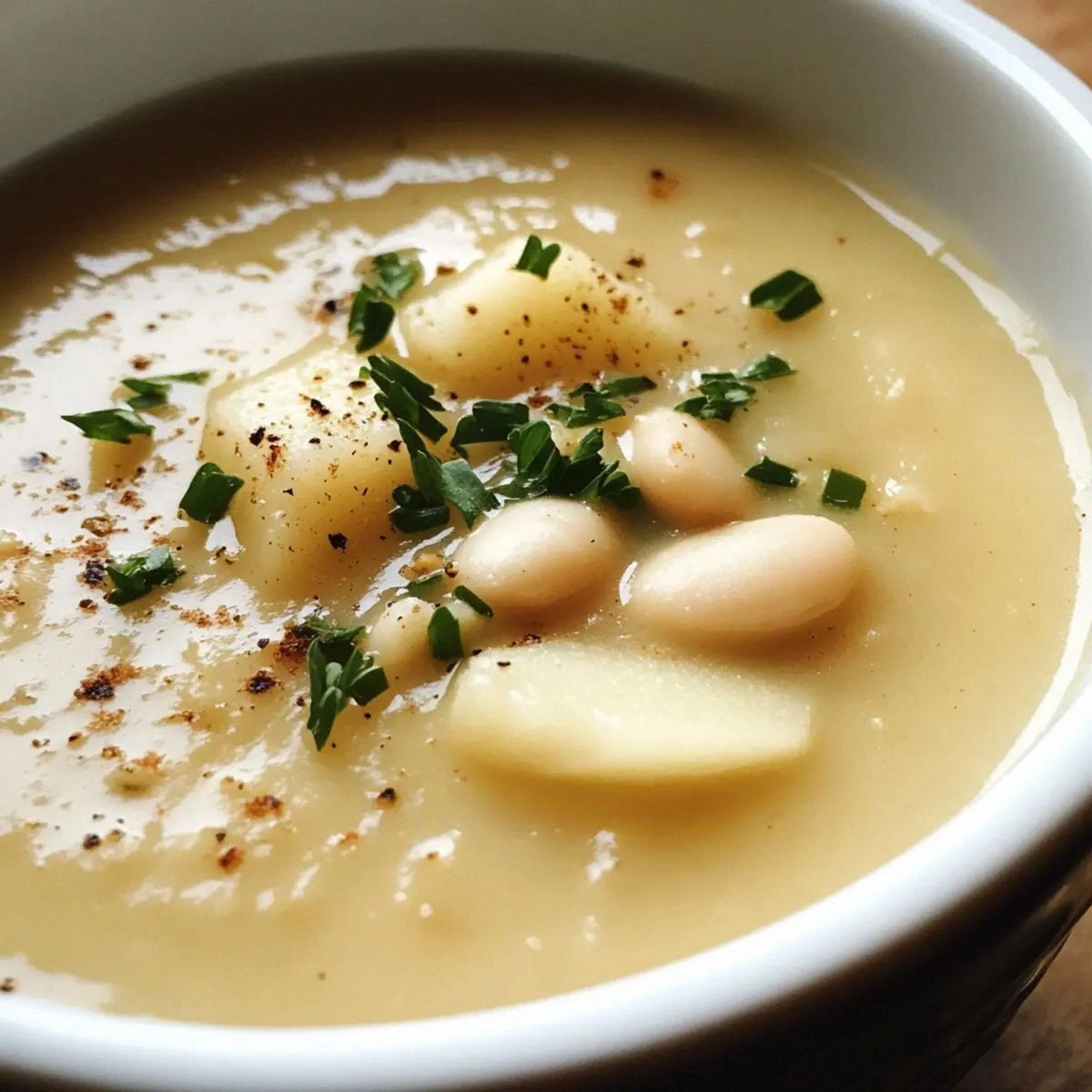
Picture the first bite: the subtle sweetness of apples, the gentle earthiness of parsnips, and the velvety texture of white beans, all mingled with a bright splash of thyme that lifts the entire bowl. The aroma is a warm, buttery embrace that lingers long after the last spoonful. The sound of the ladle gliding through the pot is a soft, satisfying rhythm—like a lullaby for your senses. The texture is a perfect balance between silky smoothness and a slight bite from the parsnip pieces, making every mouthful an adventure. And the finish? A whisper of fresh parsley that tingles the tongue, reminding you that this soup is as fresh as the day it was made.
What sets this version apart is the careful orchestration of ingredients and techniques that elevate the humble ingredients into a dish that feels luxurious yet approachable. I dare you to taste this and not go back for seconds because the depth of flavor will keep you coming back for more. Most recipes get this completely wrong by over‑sautéing or under‑seasoning, but I’ve found the sweet spot where everything sings in harmony. I’ll be honest—before I perfected the balance, I ate half the batch before anyone else got a chance to taste it. And if you’ve ever struggled to get a creamy texture without adding heavy cream, you’re not alone—this is the fix you’ve been waiting for.
So, picture yourself pulling this out of the pot, the whole kitchen smelling incredible, and knowing that you’ve just created a dish that feels like a warm hug wrapped in a bowl. Let me walk you through every single step—by the end, you’ll wonder how you ever made it any other way.
What Makes This Version Stand Out
- Flavor Fusion: The sweet apples pair perfectly with the earthy parsnips, creating a complex profile that’s both comforting and surprising.
- Texture Play: The beans add body and a creamy mouthfeel without the need for dairy or heavy cream.
- Ingredient Quality: Fresh, organic parsnips and locally sourced apples bring a brightness that canned versions can’t match.
- Ease of Prep: The method requires minimal chopping and no advanced techniques—ideal for busy weeknights.
- Make‑Ahead Friendly: This soup can be doubled, refrigerated, or frozen, and it reheats beautifully.
- Health Conscious: Low in calories and fat, yet rich in fiber and protein thanks to the beans.
- Versatile Serving: Works as a hearty starter, a light main, or a side for a larger dinner spread.
- Budget Friendly: Uses pantry staples and seasonal produce at a fraction of the cost of a restaurant bowl.
Alright, let's break down exactly what goes into this masterpiece...
Inside the Ingredient List
The Flavor Base
The foundation of this soup starts with the onion and garlic, which you sauté until they’re translucent and fragrant. The onion adds a sweet, mellow sweetness, while the garlic contributes a subtle depth that rounds out the flavors. If you skip the onion, the soup will feel thin and lack that comforting backbone. For a different twist, try using shallots instead—they’ll give a slightly sweeter, more delicate flavor.
The Texture Crew
Parsnips are the star of the show, offering a naturally sweet, nutty flavor that’s less overpowering than carrots. When cooked just right, they retain a slight bite, which gives the soup body without becoming mushy. If you prefer a smoother texture, you can peel the parsnips and blend them entirely into the soup, but I love that small, satisfying bite. The white beans add a creamy, velvety texture that carries the flavors and provides protein, making the dish filling yet light.
The Unexpected Star
Apples bring a surprising burst of natural sweetness and a subtle tartness that cuts through the earthiness of the parsnips. They also help to balance the broth, preventing it from feeling too heavy. If you’re not a fan of apples, you can substitute pears or even a small amount of roasted sweet potato for a different sweetness profile. Keep in mind that apples also add a hint of acidity, so the thyme becomes even more pronounced.
The Final Flourish
Fresh thyme, parsley, and a splash of olive oil tie everything together. The thyme adds a piney, almost floral note that lifts the soup, while the parsley provides a bright, herbaceous finish that cleans the palate. Olive oil adds a silky finish and a subtle fruity undertone that rounds out the flavors. If you’re looking for a deeper umami kick, sprinkle a pinch of nutritional yeast or a dash of soy sauce before serving.
Everything's prepped? Good. Let's get into the real action...
The Method — Step by Step
- Step 1: Prep the Vegetables. Peel and dice the parsnips into uniform ½‑inch cubes, ensuring even cooking. Slice the apples into wedges, removing the core, and finely chop the onion and garlic. This step is crucial for a smooth cooking process; uneven pieces can result in an inconsistent texture.
- Step 2: Sauté Aromatics. Heat the olive oil in a large pot over medium heat. Add the onion and sauté for 3–4 minutes until translucent and slightly golden. The sound of the onions sizzling is the first sign that you’re on the right track. Add the garlic, and cook for another minute, letting the aroma fill the kitchen.
- Step 3: Add Parsnips and Apples. Stir in the diced parsnips and apple wedges. Cook for 5 minutes, allowing them to brown slightly. This caramelization deepens the flavor and gives the soup a richer hue.
- Step 4: Introduce the Broth. Pour in the vegetable broth and bring the mixture to a gentle boil. Reduce the heat to a simmer, cover partially, and let it cook for 15 minutes or until the parsnips are tender but not falling apart.
- Step 5: Add White Beans. Drain and rinse the canned white beans, then add them to the pot. Simmer for another 5 minutes, allowing the beans to absorb the broth’s flavors. The beans’ creamy texture will start to meld with the rest of the soup.
- Step 6: Season and Blend. Add the fresh thyme, salt, and pepper. Taste and adjust seasoning as needed. Using an immersion blender, puree half the soup until smooth, leaving the rest for texture. This step creates that signature silky mouthfeel.
- Step 7: Final Touches. Stir in the chopped parsley, and if desired, drizzle a little more olive oil for extra richness. The soup should have a glossy finish, indicating that the flavors have fully blended.
- Step 8: Serve. Ladle the soup into bowls, and garnish with a sprinkle of fresh parsley or a dollop of Greek yogurt for a tangy contrast. Serve hot, and watch as the steam curls around the bowl like a comforting cloud.
That's it—you did it. But hold on, I've got a few more tricks that'll take this to another level. Stick around for insider tips that will transform your soup from good to unforgettable.
Insider Tricks for Flawless Results
The Temperature Rule Nobody Follows
Many people think simmering at a low heat is the only way to avoid overcooking, but I’ve discovered that a gentle boil actually helps release the parsnip’s natural sugars faster. Keep the pot at a steady 190°F (88°C) after adding the broth, and you’ll get a sweeter, richer flavor without a lengthy wait.
Why Your Nose Knows Best
Before you season the soup, pause and inhale deeply. The aroma will tell you if the broth is too bland or if the herbs need a boost. Trust your nose; it’s the most reliable flavor sensor you have.
The 5‑Minute Rest That Changes Everything
Once you’ve blended the soup, let it rest for 5 minutes off the heat. This allows the flavors to marry fully, and the soup will thicken slightly as the beans settle. The result is a velvety mouthfeel that’s simply irresistible.
Avoiding the “Too Thick” Myth
Some cooks fear that blending will make the soup too thick, but a little broth will always help. Keep a small saucepan of hot broth on hand; if the soup feels dense, whisk in a splash until you reach your desired consistency.
The Secret of Freshness
If you’re using canned beans, rinse them under cold water before adding. This removes excess sodium and prevents the soup from becoming overly salty. It also gives the beans a cleaner, fresher taste.
Creative Twists and Variations
This recipe is a playground. Here are some of my favorite ways to switch things up:
Spicy Kick Edition
Add a pinch of crushed red pepper flakes during the sauté stage, and finish with a drizzle of sriracha. The heat pairs beautifully with the sweetness of the apples and the earthiness of the parsnips.
Mediterranean Twist
Replace the vegetable broth with chicken broth for a richer flavor, and stir in a handful of chopped Kalamata olives. Finish with a splash of lemon juice to brighten the dish.
Vegan Powerhouse
Use a plant‑based broth and a splash of coconut milk for a creamy, dairy‑free version. The coconut milk adds a subtle tropical undertone that complements the apples.
Herb Garden Variation
Swap the thyme for rosemary and add a handful of fresh basil. The rosemary’s woody note gives the soup a different depth, while the basil adds a sweet, peppery finish.
Sweet & Savory Fusion
Add diced sweet potatoes along with the parsnips for a deeper sweetness. The sweet potatoes also add a creamy texture, making the soup even more filling.
Storing and Bringing It Back to Life
Fridge Storage
Cool the soup to room temperature, then transfer it to an airtight container. Store in the refrigerator for up to 4 days. The flavors will deepen over time, making it even more delicious.
Freezer Friendly
Divide the soup into 1‑cup portions in freezer‑safe containers or freezer bags. Freeze for up to 3 months. When ready to eat, thaw overnight in the refrigerator before reheating.
Best Reheating Method
Reheat gently on the stovetop over low heat, adding a splash of water or broth if the soup has thickened. Stir frequently to prevent scorching. A quick microwave reheat works too—just stir halfway through.
Add a tiny splash of water before reheating, and it steams back to perfection. This trick ensures the soup remains silky and doesn’t dry out during the reheating process.